

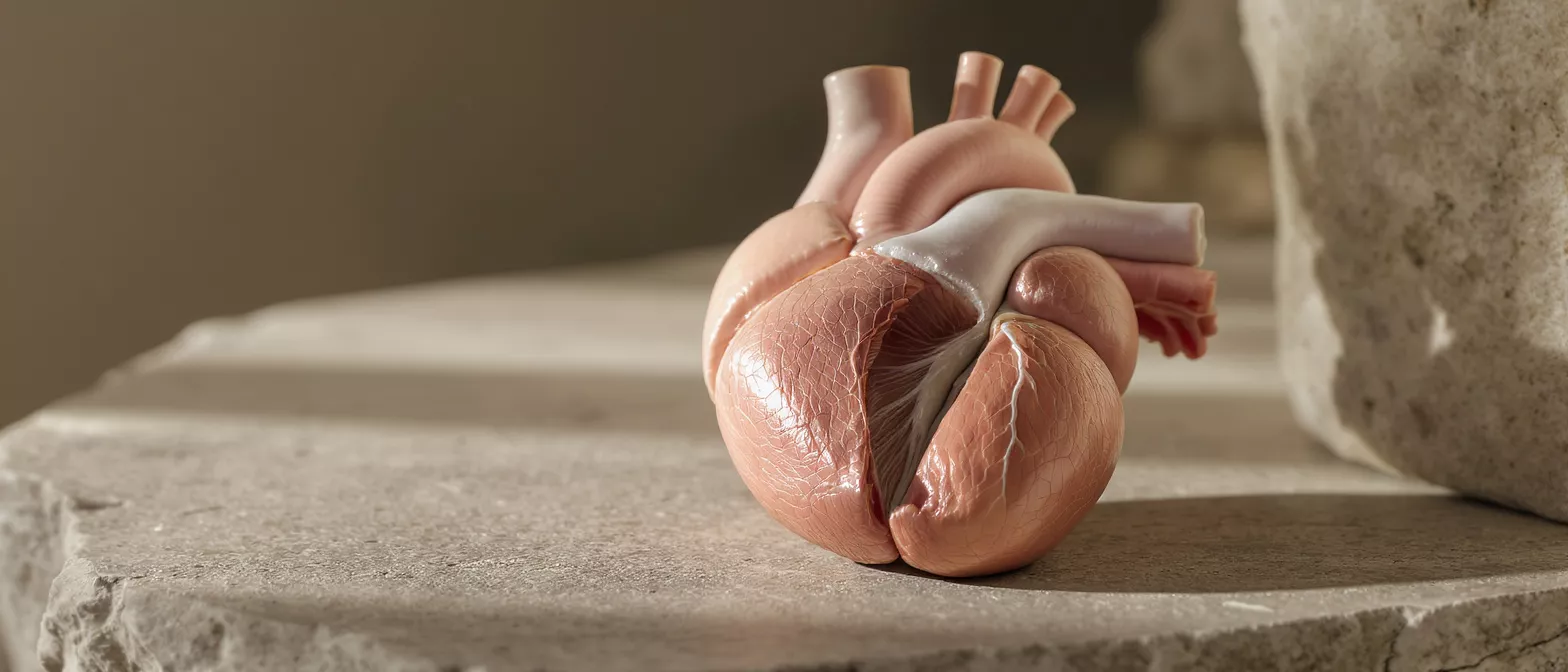
Tricuspid Valve Repair
Learn about tricuspid valve repair in Guadalajara, including techniques, recovery, costs, and expert cardiac care.
What is tricuspid valve repair
The tricuspid valve is one of the four essential valves inside the human heart, situated between the right atrium and the right ventricle. Its primary function is to ensure that blood flows in one direction—from the upper right chamber to the lower right chamber—preventing any backward leakage. When this valve becomes diseased or damaged, it fails to close properly, causing blood to leak backward and forcing the heart to work significantly harder.
What does the valve actually do? To understand the importance of this valve, picture it as a set of three structured doors that open to let blood pass and then snap shut tightly to prevent backflow. When the valve is healthy, blood moves efficiently from the body into the lungs to pick up oxygen. When it malfunctions, the pressure inside the heart and liver can build up, leading to fatigue, swelling in the legs, and shortness of breath. For patients seeking heart valve repair solutions, understanding this basic anatomy brings clarity to why surgical intervention is necessary.
Tricuspid valve repair is the surgical procedure designed to fix this specific valve rather than replacing it entirely. Surgeons prefer repairing the native tissue whenever possible because it preserves the heart's natural architecture, avoids the need for long-term blood thinners, and often provides better long-term outcomes for the patient. The goal is to restore normal blood flow and relieve the strain on the right side of the heart.
Why tricuspid valve repair surgery is performed
Surgeons recommend this operation when diagnostic tests reveal significant dysfunction in the valve's ability to seal shut. The most common reason for surgery is severe leakage, a condition known as tricuspid regurgitation. This leakage forces the heart to pump the same blood twice, reducing overall cardiac efficiency and leading to fluid congestion in the body's vital organs.
Is a leaking tricuspid valve dangerous? A mildly leaking valve might be monitored for years without surgical action, but severe leakage is a progressive condition. If left untreated, the right side of the heart enlarges, weakens over time, and eventually fails. Symptoms such as abdominal swelling, prominent neck veins, and profound fatigue indicate that the heart can no longer keep up with the body's demands.
The surgery is often performed alongside other cardiac procedures, such as left-sided valve surgeries, because left-heart issues frequently cause secondary right-heart problems. However, isolated tricuspid valve repair is increasingly common as the medical community recognizes the independent risks of leaving severe right-sided valve disease untreated. Correcting the leak halts disease progression and gives the heart muscle a chance to recover its normal size and function.
How tricuspid valve repair works
The surgical process involves several meticulous techniques to tighten, reshape, and support the valve's native leaflets. Rather than removing the valve, the surgeon modifies the existing structures so the leaflets meet precisely when they close. The approach taken depends entirely on the underlying cause and anatomy of the patient's specific valve disease.
How is tricuspid valve dysfunction corrected? During the operation, the heart is carefully stopped while a bypass machine temporarily takes over the job of circulating blood. The surgeon examines the leaflets, the cords that anchor them, and the ring of tissue surrounding the valve. If the ring is stretched too wide, the surgeon will tighten it. If the leaflets are torn or stiff, specialized surgical techniques are used to trim and reconstruct the tissue so it closes smoothly.
Because the valve is retained rather than replaced, the patient benefits from lower infection risks and a more natural blood flow pattern. The procedure demands high precision and an expert understanding of the heart's delicate three-dimensional geometry. Surgeons use specialized intraoperative imaging to immediately assess the repair, ensuring the valve is perfectly competent before the chest is closed.
Tricuspid regurgitation treatment options
Not every patient requires traditional open-heart surgery to treat a leaking tricuspid valve. Treatment strategies are tailored based on the severity of the leak, the patient's overall health, and whether the valve disease is primary or secondary. Mild cases are often managed with careful monitoring and medications that reduce fluid overload, but mechanical intervention becomes necessary when symptoms become life-altering.
When is heart valve surgery recommended? Surgery becomes the standard of care when the right ventricle begins to dilate or when cardiac function drops below safe thresholds. In these cases, surgical correction provides the only definitive way to reverse the mechanical failure of the valve. Many patients facing these decisions benefit from advanced cardiac surgery programs that offer comprehensive evaluations and personalized treatment plans.
- Medical therapy: Diuretics and blood pressure medications used to manage symptoms while monitoring valve progression closely.
- Annuloplasty repair: Surgical placement of a ring to tighten the valve base, the most common method to stop functional leakage.
- Leaflet reconstruction: Surgical modification of the valve flaps to fix structural defects or congenital abnormalities.
Choosing the correct option requires a thorough diagnostic workup, including echocardiography and cardiac MRI, to map the exact nature of the valve dysfunction. The surgical team evaluates whether the leak is due to a structural defect in the valve itself or a functional problem caused by the heart muscle stretching out of shape.
Tricuspid annuloplasty ring types
An annuloplasty is the cornerstone of most repairs for functional leakage. The annulus is the ring-like band of tissue that anchors the valve leaflets. When the right ventricle dilates, the annulus stretches, preventing the leaflets from meeting correctly. An annuloplasty ring acts as a supportive belt, cinching the base back to its proper size.
What is a tricuspid annuloplasty ring? It is a prosthetic device sewn around the base of the native valve during surgery. The ring restores the valve's natural geometry, giving the leaflets a stable foundation to open and close. Surgeons choose between rigid rings, flexible rings, and semi-rigid bands depending on the patient's tissue quality and the specific dynamics of their heart's movement.
The ring itself does not touch the blood flow; rather, it supports the outer frame of the valve. Patients who receive an annuloplasty ring generally experience excellent long-term outcomes because the device permanently stabilizes the repair. Exploring a specialized tricuspid annuloplasty device highlights how advanced biomedical engineering supports natural heart function without requiring a full valve replacement.
Minimally invasive tricuspid repair techniques
Cardiac surgery has advanced significantly, and traditional sternotomy—opening the entire chest—is no longer the only approach. Minimally invasive techniques use smaller incisions, often between the ribs, which allow the surgeon to access the right side of the heart without cutting through the breastbone. This reduces surgical trauma and accelerates recovery.
Is minimally invasive valve reconstruction effective? Yes, for carefully selected patients, these techniques offer the same structural correction as open surgery but with less blood loss and lower risk of postoperative infection. The surgeon uses specialized endoscopic instruments and high-definition cameras to visualize and repair the valve through a small port. This approach is particularly beneficial for isolated tricuspid repairs.
Not all patients are candidates for minimally invasive surgery. Complex cases requiring multiple valve procedures or patients with extensive scar tissue from prior operations usually require a traditional open approach. The decision relies heavily on the surgical team's expertise and detailed preoperative imaging to map the patient's vascular anatomy.
Recovery after tricuspid valve repair
The recovery process begins immediately in the intensive care unit, where the medical team closely monitors the heart's rhythm and pumping function. The right ventricle, which has been working against a leaking valve for years, needs time to adapt to its new physiological state. Most patients spend a few days in the hospital to ensure their blood pressure stabilizes and fluid balance is optimized.
How long is recovery after tricuspid valve repair? Full recovery generally takes six to eight weeks, though many patients feel significantly better within the first two weeks. The immediate reduction in fluid congestion provides rapid symptom relief, but the heart muscle itself requires weeks to fully heal and remodel back to its normal size. Patients slowly resume daily activities under guided cardiac rehabilitation.
- Hospital stay: Typically three to five days to monitor right-heart function and fluid output.
- Cardiac rehab: Structured exercise programs starting two weeks post-discharge to safely rebuild stamina.
- Full return: Returning to heavy lifting or strenuous work usually requires waiting eight to twelve weeks.
Follow-up is critical to long-term success. Patients undergo regular echocardiograms to monitor the repaired valve's function. By attending these follow-ups and adhering to prescribed medications, patients can enjoy a durable repair that lasts a lifetime.
Are tricuspid valve repair procedures safe
Modern cardiac surgery carries an excellent safety profile, and isolated right-heart valve repairs are routinely performed with high success rates. The risks associated with the procedure are well-managed thanks to advanced surgical techniques, sophisticated anesthesia, and comprehensive postoperative care protocols. A patient's individual risk depends on their age, underlying health conditions, and the severity of their heart failure at the time of surgery.
Are tricuspid valve repair procedures safe for older patients? Age alone is no longer a strict barrier to valve surgery. Surgeons evaluate physiological health rather than chronological age. Even elderly patients with multiple medical conditions can safely undergo repair if they are treated at a high-volume cardiac center with an experienced multidisciplinary team. The goal is always to improve quality of life and extend longevity.
While all major operations carry inherent risks, the danger of leaving a severely diseased valve untreated is often much greater. The surgical team provides a thorough preoperative risk assessment to weigh the benefits of repair against surgical risks. This shared decision-making process ensures that the patient and family feel confident and informed.
Tricuspid valve repair specialist in Guadalajara
Accessing world-class cardiac care does not require traveling to distant destinations. Guadalajara has emerged as a premier hub for advanced medical care in Jalisco, offering state-of-the-art hospital facilities and highly trained cardiovascular surgeons. Patients seeking tricuspid valve repair can find exceptional surgical expertise right here in the region.
How to find a heart surgeon in Jalisco? Look for a specialist with specific expertise in complex valvular reconstruction and right-heart pathology. Dr Alejandro Molina and his team provide a comprehensive, patient-centered approach to structural heart disease. They utilize multidisciplinary heart teams, bringing together cardiologists, imaging specialists, and anesthesiologists to plan and execute the safest surgical strategy.
Patients often feel vulnerable when facing cardiac surgery, but receiving care locally in Guadalajara offers the dual benefit of advanced medical infrastructure and the comforting presence of family nearby. The surgical teams here communicate transparently, ensuring patients fully understand their diagnosis, the proposed repair technique, and the expected recovery timeline.
Tricuspid valve repair cost and considerations
Navigating the financial aspect of heart surgery is a common concern for families. The cost of tricuspid valve repair surgery varies based on the complexity of the procedure, the type of annuloplasty ring used, the length of the hospital stay, and whether it is an isolated repair or combined with other valve work.
What affects the cost of heart valve surgery? Surgical fees, anesthesia, operating room time, and specialized postoperative intensive care all factor into the total expense. Additionally, the choice between a traditional open approach and a minimally invasive technique can influence the overall financial investment, as the latter requires specialized endoscopic equipment.
It is vital to have open conversations with the hospital's financial coordinators early in the planning process. They can provide detailed estimates and help patients understand what is included in the surgical package. Prioritizing a high-quality, durable repair performed by an experienced team ultimately provides the best value by minimizing the need for future reoperations and maximizing long-term cardiac health.






