Prosthetic Valve Endocarditis: Signs and Treatment
Prosthetic valve endocarditis treatment starts with early signs recognition.
What Is Prosthetic Valve Endocarditis?
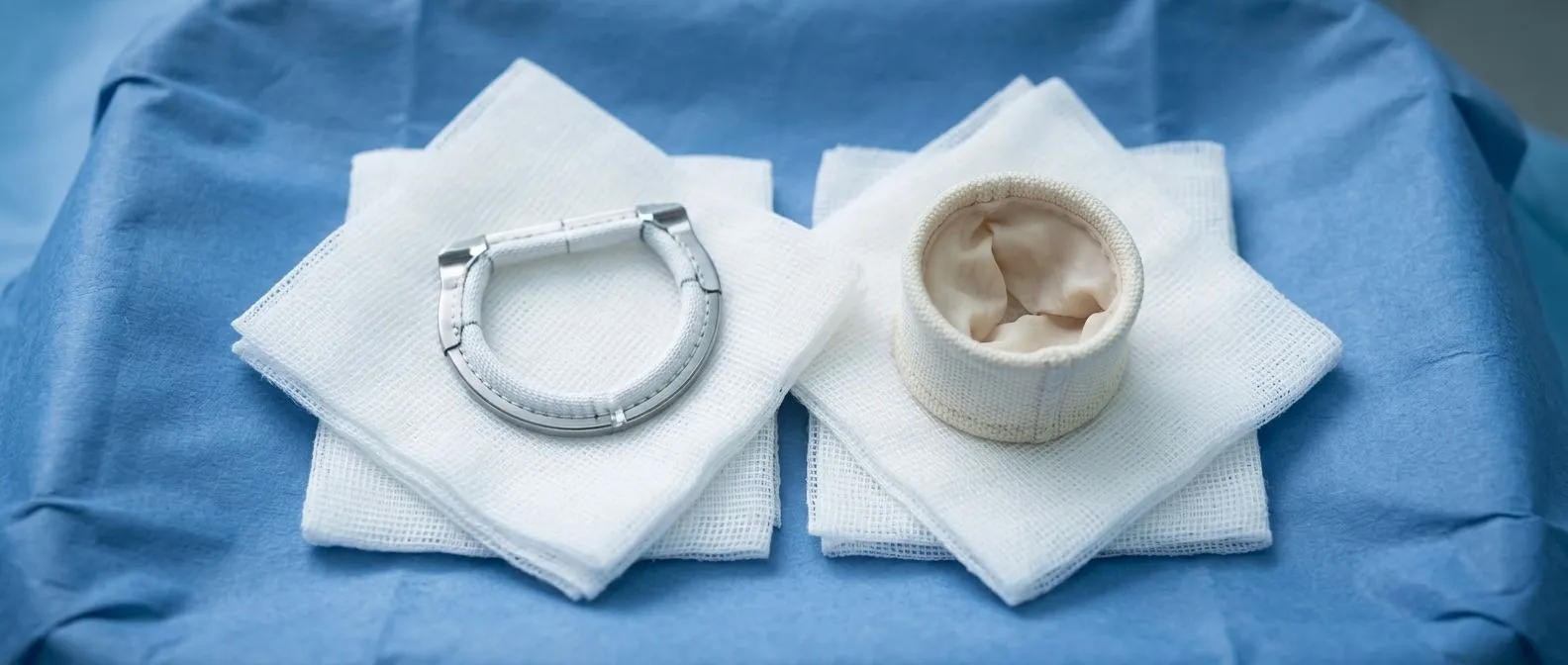
Prosthetic valve endocarditis treatment begins with understanding the condition itself. Prosthetic valve endocarditis is an infection of a replaced heart valve — a Prosthetic Valve made of tissue or metal that was implanted during surgery or through a catheter. Bacteria reach the valve through the bloodstream, attach to its surface, and slowly destroy the tissue around it. It is one of the most serious forms of Infective Endocarditis, the general name for infection of the heart's inner lining.
The infection is uncommon, but it is dangerous. It can loosen the valve, create abscesses around the sutures, and block the valve from opening and closing properly. That is why the early weeks and months after valve replacement matter so much: any unexplained fever in a valve patient deserves attention, not waiting.
Why the risk never fully disappears. A replaced valve has no living blood supply of its own, so the body's immune cells cannot easily reach bacteria hiding on its surface. Antibiotics penetrate slowly, and eradication takes longer than in most infections. This is why prosthetic valve endocarditis treatment is usually long, planned by a team, and sometimes surgical.
Where Does Endocarditis Occur in a Replaced Valve?
Doctors divide the infection by timing, because early and late disease behave differently. Early prosthetic valve endocarditis appears within about 60 days of the implant. Bacteria usually enter during or shortly after the hospital stay — through IV lines, wounds, or procedures. The organisms involved are often more resistant, and the infection sits on fresh sutures that have not yet healed in.
Late prosthetic valve endocarditis arrives months or years after the operation. By then, the valve surface is covered with a thin natural lining, and the infection behaves more like endocarditis on a native valve. Common entry points are dental work, skin infections, urinary procedures, and unrecognized bloodstream infections. Endocarditis after heart valve replacement is rare in either window, but knowing the timing changes which germs we suspect and which antibiotics we choose.
Location matters too. The infection often starts at the sewing ring — the fabric cuff where the Prosthetic Valve is stitched into the annulus, the ring of tissue between the heart chambers. From there it can extend into the surrounding tissue, which is what makes prosthetic infections harder to cure with medicine alone than infections on natural valves.
What Are the Early Signs of a Prosthetic Valve Infection?
Signs of prosthetic valve infection are easy to mistake for ordinary illness, especially in the first weeks after surgery. Fever is the most constant feature. New night sweats, chills, fatigue, and loss of appetite often follow. Any valve patient with a fever lasting more than a few days should be checked — not assumed to have a virus.
Other warning signs point to complications and deserve urgent review:
- New heart murmur or a change in valve sounds: the valve may be leaking or not sealing at the sewing ring.
- Breathlessness or swelling: blood is backing up because the valve is not working as it should.
- Small skin or eye changes: tiny red or purple spots from fragments of infected tissue travelling in the blood.
- Confusion, weakness, or vision changes: possible emboli — clots or infected particles — reaching the brain, which needs emergency care.
In the first months after valve surgery, a persistent fever is never "just something going around". We would rather see you for an unnecessary check than miss an early infection.
How Does Late Prosthetic Valve Endocarditis Differ?
Late infections often develop quietly. Because the valve lining is mature, the bacteria are typically common skin or mouth organisms rather than hospital germs. Symptoms may be vague for weeks — low-grade fever, weight loss, aching joints — before a heart murmur or an embolic event finally reveals the problem.
The tissue valve story. Many patients receive a tissue valve — a Porcine Valve made from pig tissue or a Bovine Pericardial Valve made from cow lining tissue. The main disadvantage of a bioprosthetic valve is that it wears out over time, a process called Structural Valve Deterioration. That degeneration itself can create rough surfaces where bacteria attach more easily, so a deteriorating tissue valve carries a somewhat higher late infection risk.
Mechanical valves behave differently. Infection tends to sit on the sewing ring rather than the leaflets, and the priority is preventing emboli and abscess formation. Research continues even in this area — one study of patients with a mechanical aortic valve examined whether oxygen inhalation changes microembolic signals detected in the circulation, the kind of work that helps refine long-term monitoring for valve patients (Tehran University of Medical Sciences).
What Is the Most Common Cause of Endocarditis in Prosthetic Valves?
Staphylococcus aureus prosthetic valve endocarditis deserves its own attention because it is among the most common and most aggressive causes. This bacterium lives harmlessly on skin and in the nose, but in the bloodstream it attacks valve tissue fiercely. Early infections after surgery are frequently staphylococcal — either Staphylococcus aureus or the quieter coagulase-negative staphylococci that live on hospital equipment and skin.
Other culprits include streptococci from the mouth, enterococci from the gut and urinary tract, and in rare cases fungi. The germ matters enormously: staphylococcal infections destroy tissue faster, spread into the valve ring more often, and are more likely to require surgery (Johns Hopkins Medicine).
Knowing this shapes everyday habits. Good dental health, careful wound care after surgery, and prompt treatment of skin infections are not cosmetic advice — they are part of protecting the valve. When we review a suspected case in our multidisciplinary team, the first question after the fever is always where the bacteria most likely came from, because that determines the antibiotic plan.
How Is Prosthetic Valve Endocarditis Diagnosed?
Transesophageal echocardiography prosthetic valve imaging is the cornerstone of diagnosis. A standard ultrasound from the chest often cannot see behind a Prosthetic Valve — the metal or dense material casts a shadow that hides small abscesses and leaks. A transesophageal study, where the probe is passed down the food pipe, sits far closer to the heart and reveals detail the chest scan cannot.
Blood cultures run in parallel. Several samples taken at different times identify the organism and tell the laboratory which antibiotics will kill it. Doctors also look at the Valve Area — the opening through which blood flows — because infection can narrow or widen it abnormally, and they listen for new leaks.
What we check in practice. When a valve patient has unexplained fever, both a transthoracic and a transesophageal study and repeated blood cultures before antibiotics are usually recommended when the patient is stable, because a confirmed organism changes every later decision. When a catheter-based valve is involved, questions about Valve-in-valve placement — a new valve inside the old one — also depend on knowing exactly what the infection has damaged.
How Long Is Antibiotic Therapy for a Prosthetic Valve Infection?
Patients often expect a course of days. Antibiotic therapy prosthetic valve protocols run much longer: typically six weeks or more of intravenous antibiotics, delivered through a line so the medication reaches the valve reliably. Natural-valve infections often need four weeks; prosthetic infections need longer because bacteria shelter in tissue that antibiotics reach slowly.
The drug choice follows the organism. Penicillin-family drugs, vancomycin for resistant staphylococci, and combinations with rifampin or gentamicin are common, guided by laboratory testing rather than habit. Stopping too early is one of the most frequent causes of relapse, and relapse is harder to treat than the first episode.
The timeline has a reason, and in some cases the intravenous therapy can be completed outside hospital rather than as a six-week admission. Duration is a medical decision, not a preference — we follow international guidelines on how long the therapy must run.
When Is Surgery Needed for an Infected Heart Valve?
Surgical treatment prosthetic valve endocarditis becomes necessary in a defined set of situations. Medicine alone cures many cases, but surgery is required when the infection damages the valve beyond what antibiotics can fix. The main triggers are heart failure from a leaking valve, uncontrolled infection despite days of correct antibiotics, abscess around the sewing ring, persistent bacteria in the blood, fungal infection, and emboli that keep recurring.
Redo surgery valve endocarditis means operating on a chest that has been opened before. It is technically harder — scar tissue, altered anatomy — but the principle is simple: remove all infected tissue, reconstruct what the infection destroyed, and implant a new valve. In selected patients with a failing catheter valve, a TAVR valve endocarditis treatment plan may involve another transcatheter approach rather than open surgery, when the anatomy allows it and the team agrees the evidence supports it.
In our multidisciplinary team, every case is reviewed against international practice guidelines before we recommend surgery, and the patient receives a clear proposal with the alternatives — including the option of continuing medical treatment where that is reasonable. The final decision is always the patient's, and we encourage a second opinion as a normal part of that decision. Dr Molina trained in cardiac, minimally invasive, robotic and structural surgery at the University of Montreal and in structural cardiology and TAVR at CHU Bordeaux, and the team also trained at Jena, Bad Berka and Buffalo — experience we bring to judging when a less invasive route is genuinely the lower-risk one.
How Can You Prevent Prosthetic Valve Endocarditis?
How to prevent prosthetic valve endocarditis comes down to a handful of consistent habits. Prevention cannot make the risk zero, but it removes the most common routes bacteria take into the bloodstream.
- Care for teeth and gums: dental infections are a classic entry point; regular dental checks and prompt treatment of mouth problems matter.
- Protect skin and wounds: clean cuts properly, watch surgical wounds for redness or discharge, and treat skin infections early.
- Ask about antibiotic prophylaxis: before certain dental and medical procedures, your cardiologist may prescribe a short antibiotic course; ask what applies to your valve.
- Take fevers seriously: any fever over a few days after valve replacement should be reported, never waited out.
- Keep IV lines and catheters clean: these are common early-infection entry points after surgery.
None of these steps are complicated, but they work together. In our consultations we go through this list with each valve patient and adapt it to their own procedures and dental situation, so the plan is practical rather than generic.
What Is the Prognosis After Prosthetic Valve Endocarditis Treatment?
Prosthetic valve endocarditis prognosis depends on three things: how early the infection is found, which organism is responsible, and whether surgery is needed. Early diagnosis with a treatable organism and no abscess has the best outlook. Delayed diagnosis, staphylococcal infection, abscess formation, and heart failure all raise the prosthetic valve endocarditis mortality rate — which is why published figures for this condition are sobering, and why "wait and see" is not an option once the infection is suspected.
Life after treatment. Patients who complete therapy and, when needed, surgery, return to active lives. Recovery from redo surgery takes longer than the first operation — weeks in hospital and months of gradual rebuilding. Follow-up includes repeat echocardiograms to confirm the new or repaired valve is working and no infection has returned.
Finding the right team. Searching for a prosthetic valve endocarditis specialist near me, or the best hospital prosthetic valve infection care in Guadalajara, really means finding a multidisciplinary team that reviews every case against international guidelines. For international patients weighing affordable heart valve infection surgery in Mexico, cost should be weighed alongside surgical volume, training, and the ability to manage both catheter-based and open options. In our practice, the first contact is a free video consultation: we get to know the patient, talk through the condition, and say which studies are still needed so no unnecessary ones are ordered — a face-to-face visit follows only if you decide to go ahead. I review each suspected endocarditis case personally with the imaging before any recommendation is made.
Prosthetic valve endocarditis treatment is serious but manageable when it starts early, follows a clear plan, and is guided by a team that explains every step. If you or a family member has a replaced valve and any of the warning signs above, book a consultation with a qualified cardiac team rather than waiting — no article, however thorough, can replace a conversation about your own heart.