

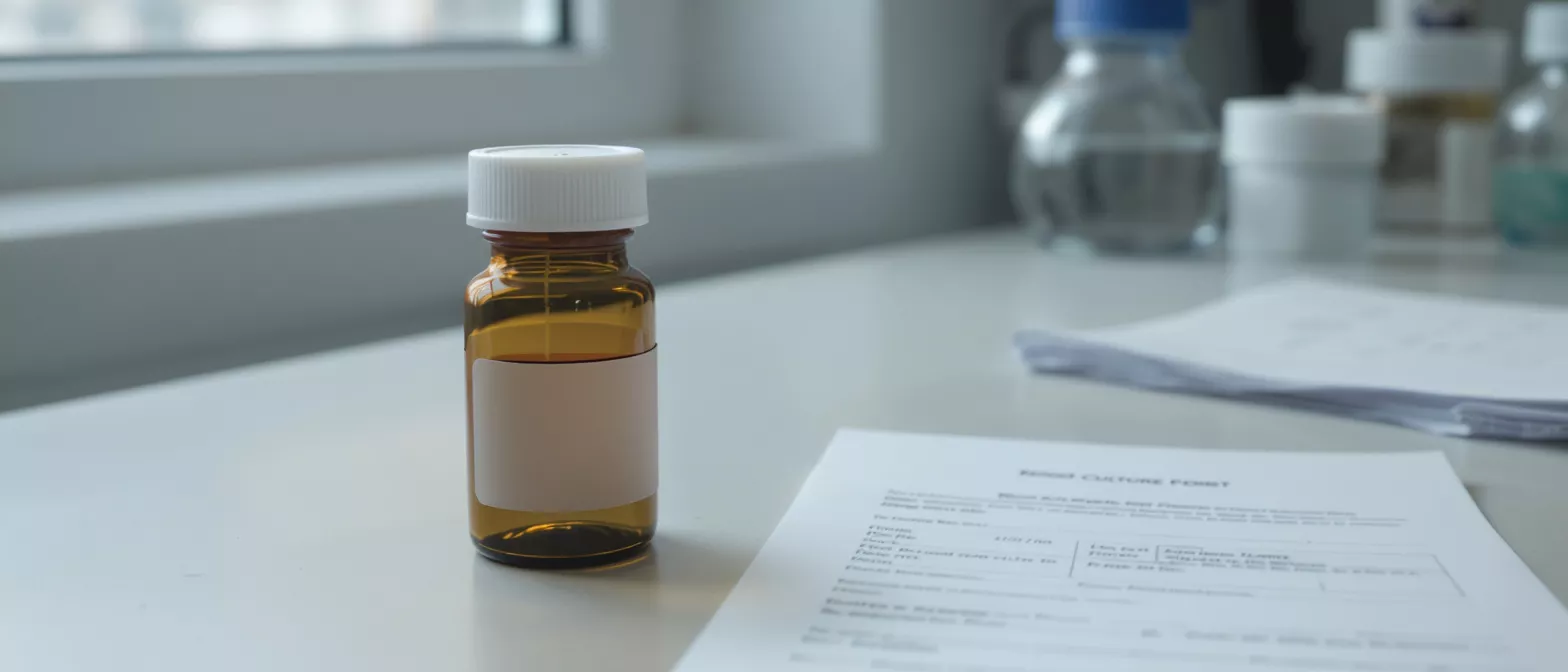
Blood Cultures
Blood cultures detect bacteria and fungi before heart surgery.
What are blood cultures?
Defining the test in plain terms: Blood cultures are specialized laboratory tests that doctors use to detect bacteria or fungi in your bloodstream. If your physician suspects an infection, this test confirms whether microorganisms have entered the blood, a condition known as bacteremia or fungemia. Finding these invaders early is essential, especially when preparing for or recovering from heart surgery.
For a patient facing cardiac surgery, the bloodstream must be as clean and safe as possible. Your heart valves, surgical incisions, and implanted devices are highly vulnerable to infection. Identifying an infection beforehand allows your surgical team to treat it, reducing the risk of complications during your operation.
This straightforward blood draw provides your medical team with critical information. By analyzing the sample, the laboratory can pinpoint the exact organism causing an infection, allowing your doctor to choose the most effective antibiotic or antifungal medication for your specific situation.
How does the blood culture procedure work?
The collection process explained: The blood culture procedure usually requires two to three separate blood draws from different sites on your body, often at different times. This approach helps ensure accuracy and rules out accidental skin contamination. A phlebotomist will clean your skin thoroughly before drawing blood into special bottles containing nutrients that encourage microorganisms to grow.
Once collected, the samples go to the laboratory, where they are placed in an incubator. Lab technicians monitor the bottles closely for several days, looking for signs that bacteria or fungi are multiplying. Modern lab equipment continuously monitors the samples and alerts technicians the moment growth is detected.
If microorganisms grow, further testing identifies them and determines which antibiotics will successfully clear the infection. Your doctor receives these results promptly, ensuring you receive the right treatment without delay.
What do blood cultures detect in cardiac patients?
Identifying dangerous pathogens: Blood cultures detect a wide range of microorganisms, but certain bacteria pose a significant threat to cardiac patients. Staphylococcus, Streptococcus, and Enterococcus species are commonly found in these tests and are known to attack heart valves. Identifying these specific bacteria helps your cardiologist understand the exact nature of the threat.
Infections in the bloodstream can quickly settle onto artificial valves or pacemaker leads if left untreated. By detecting these organisms early, your medical team can prevent an infection from settling into the heart muscle or valves, a condition known as endocarditis.
Understanding what the test looks for helps patients feel more in control of their care. Finding the specific bacteria allows your doctor to tailor your treatment precisely to the organism present, which is far more effective than using broad-spectrum antibiotics blindly. In some cases of confirmed bloodstream infections, clinicians rely on a targeted antimicrobial therapy to eliminate the organism before proceeding with any surgical intervention.
Blood culture for endocarditis diagnosis
Connecting blood tests to heart valve infections: A blood culture for endocarditis diagnosis is one of the most critical tests in cardiology. Endocarditis is an infection of the heart valves or the inner lining of the heart chambers. When bacteria enter the bloodstream, they can stick to damaged heart valves, multiplying and forming growths that damage heart tissue.
Doctors rely heavily on blood cultures to confirm this diagnosis. If you exhibit symptoms like a persistent fever, a new heart murmur, or unexplained fatigue, your physician will order this test immediately. Finding bacteria consistently in multiple blood samples strongly suggests endocarditis.
- Heart valve damage: Blood cultures reveal the bacteria actively eating away at heart tissue.
- Persistent fever tracking: Repeated positive cultures confirm an ongoing, active infection.
- Targeted treatment: Results pinpoint the exact bacteria to select the right heart-safe antibiotic.
How long do blood cultures take?
Timeline for results and patient peace of mind: Patients often ask, "How long do blood cultures take?" Most organisms grow within 24 to 48 hours, but doctors usually wait up to five days to ensure slow-growing bacteria are not missed. This waiting period can feel stressful, but it is necessary for accurate diagnosis.
Your medical team will not delay critical treatment if they strongly suspect an infection. They often start broad-spectrum antibiotics while waiting for the blood culture results to come back. Once the exact organism is identified, they adjust your medication accordingly.
Communication is key during this waiting period. Your nurses and doctors will monitor your temperature and vitals closely. If you feel anxious waiting for lab results, cardiac patient monitoring tools can provide ongoing reassurance by tracking your heart rate and temperature continuously.
What positive blood culture results mean for your heart
Interpreting the findings: A positive blood culture means that bacteria or fungi are indeed present in your bloodstream. For a cardiac patient, this finding requires immediate attention and usually means a transfer to a specialized care unit for intravenous antibiotics. It is completely normal to feel frightened, but this result is exactly what your medical team is trained to manage.
Your doctor will use the positive blood culture results to tailor your treatment. They will look at which antibiotics the organism is susceptible to, ensuring you receive a medication that will effectively clear the infection from your blood and protect your heart valves.
Clearing the infection completely is the priority before any non-emergency cardiac surgery proceeds. Sometimes, treating the infection takes weeks of dedicated antibiotic therapy.
Understanding blood culture negative results
What a clean bill of health means: Blood culture negative results indicate that no bacteria or fungi grew in the laboratory samples. This is highly reassuring news for a cardiac surgery patient. It means your bloodstream is clear, making you a much safer candidate for surgery and lowering your risk of post-operative infections.
However, negative results do not always rule out every type of infection. Some organisms require special lab conditions to grow, or you might have already taken antibiotics that suppressed the bacteria enough to prevent growth in the lab. Your doctor will evaluate your overall clinical picture, including your symptoms and other blood work, before making a final decision.
If your cultures remain negative but you still feel unwell, your cardiologist may order additional tests. Imaging studies or different blood markers can help rule out deep-seated infections. Seeking guidance from a comprehensive cardiac care program ensures all aspects of your heart health are evaluated properly.
Blood culture contaminants and what they mean
Distinguishing true infections from skin flora: Sometimes, blood cultures show growth, but the bacteria identified are normal skin bacteria. These are known as blood culture contaminants. They usually get into the sample during the blood draw process, rather than coming from your bloodstream. This does not mean the test failed; it simply requires careful interpretation by your medical team.
Doctors look for patterns to tell the difference. If only one out of multiple bottles grows a common skin bacteria, it is likely a contaminant. If multiple bottles from different sites grow the same organism, it is likely a true bloodstream infection requiring treatment.
To minimize the chance of contamination, the phlebotomist cleans your skin with a special antiseptic before drawing blood. Understanding this process helps alleviate anxiety when you hear that a sample has been sent for further testing.
- Thorough skin preparation: Reduces the chance of picking up harmless surface bacteria during the draw.
- Multiple site collection: Helps doctors compare results and confidently rule out sample contamination.
- Careful interpretation: Ensures patients are not over-treated with unnecessary antibiotics for false positives.
How blood cultures guide cardiac treatment decisions
From lab results to clinical action: Blood culture interpretation is a critical step in planning your cardiac care. The results tell your surgical team exactly what they are dealing with, allowing them to delay non-emergency surgeries until an infection is fully cleared. This precaution prevents bacteria from settling on new heart valves or surgical hardware.
If you have an artificial valve or a pacemaker, your doctor will be especially vigilant. Infections on implanted devices are difficult to cure without removing the hardware. Blood cultures help catch these infections early, often before they cause severe structural damage to the heart.
Ultimately, these tests provide a roadmap for your treatment. The laboratory findings dictate the choice of antibiotic, the duration of your therapy, and the safest timeline for your surgery. This personalized approach ensures the highest level of safety for your heart.
Preparing for and recovering from cardiac blood testing
What to expect during your hospital stay: Preparing for a blood culture is simple. You do not need to fast or change your routine. The most important step is ensuring the clinical team knows about any antibiotics you have recently taken, as these can affect the test results. Being honest about your medication history helps the lab interpret your results accurately.
Recovering from the blood draw itself is quick. You might experience slight bruising at the puncture site, but you can resume normal activities immediately. The real recovery involves treating the infection the test reveals. Following your doctor's antibiotic plan precisely ensures the infection is completely eradicated before any cardiac surgery takes place.
At Cirugía de Corazón, we understand that facing heart surgery and potential infections is frightening. Our team, led by Dr Alejandro Molina, uses blood cultures as a standard, powerful tool to protect your heart. By identifying and treating infections early, we ensure you approach your surgery in the safest possible condition, setting the stage for a smooth and successful recovery.






