

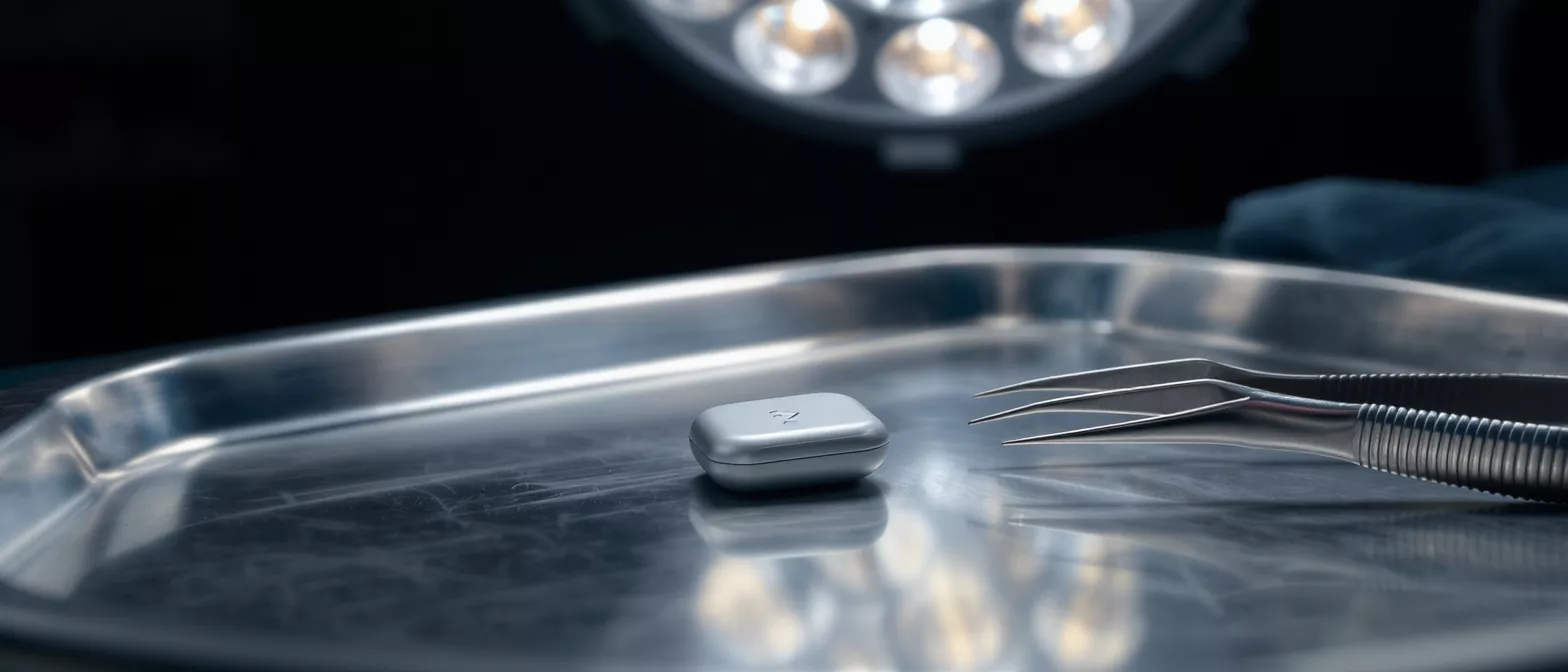
Explant
Learn about explant procedures with expert cardiac surgeons in Guadalajara.
What Is an Explant in Cardiac Surgery?
Understanding the basic definition: An explant in cardiac surgery refers to the careful surgical removal of a previously implanted medical device from the heart or chest wall. These devices often include pacemakers, implantable defibrillators, or complex mechanical circulatory support systems. The procedure is performed when the device is no longer needed, has reached the end of its lifespan, or is causing a medical issue that requires its removal.
Distinguishing explant from device replacement: While a device replacement simply involves taking out an old generator and putting in a new one, an specialized surgical explant recovery equipment is utilized when the entire system, including the wires or leads, must be completely removed. This is a highly specialized procedure that requires precision and deep anatomical knowledge to ensure the delicate structures of the heart remain undisturbed.
Understanding this term helps alleviate the anxiety patients feel when hearing they need a device removed. It is a routine, planned procedure performed by skilled cardiac surgeons who prioritize your safety and comfort throughout the entire process.
Why Cardiac Device Explant Surgery Becomes Necessary
Device infection and systemic illness: One of the most common reasons for an explant is an infection at the surgical pocket or along the leads. If bacteria colonize the device, it cannot be treated with antibiotics alone; the hardware must be removed entirely to clear the infection and prevent it from spreading to the bloodstream or the heart valves. This ensures the patient can recover fully without ongoing risk.
System malfunction or device advisory: Occasionally, a device may fail to function properly, or the manufacturer may issue an advisory regarding a specific model. In these cases, removing the hardware is the safest way to prevent inappropriate shocks or pacing failures. Surgeons carefully weigh the risks of leaving the device in versus the safety of removing it entirely.
Other reasons for removal include the resolution of the original cardiac issue, such as a temporary heart block that has healed over time. Regardless of the cause, your surgical team will conduct a thorough evaluation to confirm that removing the device is the best and safest option for your long-term health.
How Explantation of a Cardiac Device Works
Preoperative assessment and imaging: Before the surgery, the cardiac team reviews your medical history and performs imaging studies to locate the exact position of the leads and the generator. This allows the surgeon to map out the most efficient and least invasive approach for the explant. Preparation is critical to minimize surgical time and patient risk.
Surgical approach to device removal: During the procedure, the surgeon typically reopens the original incision over the chest where the generator sits. The device is carefully detached from the leads, and the leads are gently extracted from the veins and heart tissue. This requires precision surgical extraction tools to safely separate the hardware from surrounding tissue.
If the leads have become firmly attached to the heart muscle over time, specialized techniques like laser sheath extraction may be used to free them safely. The entire procedure is performed under general or local anesthesia, and patients are closely monitored in a fully equipped operating room to manage any complications instantly.
Types of Explant Procedures for Heart Patients
Pacemaker system explant: This involves the removal of the pulse generator and the pacing leads. It is often performed when a pediatric patient outgrows the need for pacing or when an adult faces a severe pocket infection. The goal is to remove the entire system without damaging the delicate tricuspid valve inside the heart.
Defibrillator (ICD) explant: Removing an implantable cardioverter-defibrillator is slightly more complex due to the thicker leads used for delivering shocks. Surgeons must be exceptionally careful to avoid fracturing the leads during removal, which could leave dangerous fragments behind. This explant is performed when a patient's heart function improves or if an infection is present.
Understanding the specific type of explant helps patients prepare mentally for the surgery. Your surgical team will explain exactly which device is being removed and why this approach is the most appropriate for your unique cardiac situation.
- Generator only: Removing the battery case while leaving functional leads intact.
- Complete system removal: Extracting both the generator and all attached leads.
- Partial lead extraction: Removing only damaged or infected leads while keeping healthy ones.
Pacemaker and Defibrillator Lead Extraction
The challenge of fibrotic tissue: Over time, the body naturally forms scar tissue around the wires that connect a pacemaker or defibrillator to the heart muscle. This fibrotic tissue binds the leads to the veins and the heart wall, making simple traction impossible. Surgeons must use advanced tools like laser sheaths to gently dissolve or cut through this scar tissue without tearing the blood vessels.
Tools used for safe lead removal: Extracting these leads is one of the most technically demanding aspects of an explant. Surgeons use specialized mechanical sheaths, laser energy, or rotating blades to carefully free the wires.
Because of the complexity, this specific part of the procedure is often performed by specialized cardiac electrophysiologists or surgeons who have dedicated training in lead management. Their expertise ensures that even the most stubborn wires can be removed safely, allowing the patient to heal properly.
Are Cardiac Device Explants Safe?
Surgical safety and monitoring: Modern cardiac surgery techniques have made the explant procedure highly safe and routine. Procedures are performed in fully equipped operating rooms with real-time fluoroscopy and transesophageal echocardiography to monitor the heart. This continuous surveillance allows the surgical team to react instantly to any changes in the patient's condition.
Risks and complications: Like any surgery involving the heart, there are risks, including bleeding, infection, or damage to the blood vessels and heart valves. However, these risks are minimized when the procedure is performed by an experienced surgical team in a dedicated cardiac center. The benefits of removing an infected or malfunctioning device almost always outweigh the surgical risks.
Patients can feel confident knowing that explant procedures are meticulously planned. The surgical team prepares for every contingency, ensuring that blood transfusions, advanced life support, and specialized cardiac repair are available immediately if needed during the operation.
Recovering After a Cardiac Explant
Immediate postoperative care: After the procedure, patients usually spend a short time in the recovery room or a specialized cardiac ward. The medical team monitors vital signs closely and checks the surgical incision for any signs of bleeding or swelling. Pain management is a priority, and most patients experience only mild discomfort at the incision site.
Wound care and activity restrictions: Once discharged, patients are given clear instructions on how to care for their incision to prevent infection. It is crucial to avoid lifting heavy objects or raising the affected arm above the shoulder for several weeks. Gentle movements are encouraged to promote blood flow, but strenuous activity must wait until the surgical site has fully healed.
- Rest: Prioritize sleep and avoid exhausting activities for the first two weeks.
- Hygiene: Keep the incision dry and clean, following the surgeon's showering guidelines.
- Pain management: Take prescribed medications as directed and report any sudden increase in pain.
- Follow-up: Attend all scheduled check-ups to ensure proper healing and cardiac function.
Full recovery typically takes a few weeks, depending on the patient's overall health and the extent of the surgery. The medical team remains available to answer questions and address any concerns that arise during the healing process, providing peace of mind for both the patient and their family.
Living Without a Cardiac Device After Explant
Adjusting to life without pacing: If the device was removed because the underlying heart condition resolved, patients often feel a great sense of relief. The chest no longer carries the weight of the generator, and the restrictions associated with having a device, like avoiding certain magnetic fields, are lifted. However, the cardiology team will continue to monitor heart rhythm naturally to ensure it remains stable.
Planning for future needs: In some cases, an explant is a bridge to another therapy, or a new device will be implanted later once an infection is fully cleared. The surgical team will discuss the long-term strategy, ensuring the patient understands the next steps in their cardiac care. Open communication with the medical team is essential for a smooth transition.
For many patients, living without the device means a return to normal activities without the psychological weight of a foreign object in their chest. It represents a significant milestone in their heart health journey, often marking a transition from acute management to long-term wellness and lifestyle management.
Best Hospital for Cardiac Explant in Guadalajara
Choosing the right surgical team: When facing a cardiac explant in Guadalajara, selecting a team with deep experience in complex device extraction is critical. Dr Alejandro Molina and the team at Cirugía de Corazón specialize in these intricate procedures, offering a calm, reassuring environment for frightened patients and their families. Their expertise ensures that every aspect of the surgery is handled with the highest standard of care.
What to look for in a cardiac center: The ideal facility will have a dedicated cardiac operating room equipped with advanced imaging and life-support systems. It is important to choose a center that prioritizes patient education, explaining the risks and benefits clearly before the surgery. A compassionate team that understands the emotional toll of heart surgery is just as important as the technical equipment.
At Cirugía de Corazón, the focus is on providing personalized care that addresses both the medical and emotional needs of the patient. The team takes the time to ensure you fully understand the procedure, recovery process, and long-term outlook, making the journey through cardiac surgery as smooth and stress-free as possible.
Support for Your Heart Surgery Journey
Emotional and physical preparation: Facing any heart surgery can be overwhelming for patients and their loved ones. Preparing for an explant involves not just physical readiness but also mental and emotional preparation. The medical team provides resources, detailed consultations, and unwavering support to help you approach the surgery with confidence rather than fear.
Family involvement and education: Family members play a crucial role in the recovery process. The surgical team ensures that your loved ones are well-informed about the procedure, what to expect in the recovery room, and how to assist you at home. Education empowers the entire family to participate actively in the healing journey.
Remember, an explant is a positive step toward better health, whether it is resolving an infection or removing a device that is no longer needed. With the right surgical team by your side, this procedure becomes a manageable, safe step on your path to a healthier heart. Our team is here to guide you every step of the way.






