

Cardiovascular Surgeon
Learn what a cardiovascular surgeon does, from bypass to valve repair, plus qualifications, procedures, and how to find the right heart surgery specialist.
What is a cardiovascular surgeon?
A cardiovascular surgeon is a highly trained medical doctor who specializes in operating on the heart, its valves, and the major blood vessels that carry blood to and from the rest of the body. When medical treatments and lifestyle changes are no longer enough to manage a heart condition, this is the specialist patients turn to for life-saving surgical intervention. Understanding what this professional does can ease much of the anxiety that comes with preparing for a major operation.
When you or a loved one faces heart surgery, knowing the exact role of your surgical team brings tremendous comfort. The term "cardiovascular" combines the heart (cardio) and the blood vessels (vascular). A cardiovascular surgeon performs operations that restore healthy blood flow, repair structural damage, and ensure the circulatory system functions as efficiently as possible.
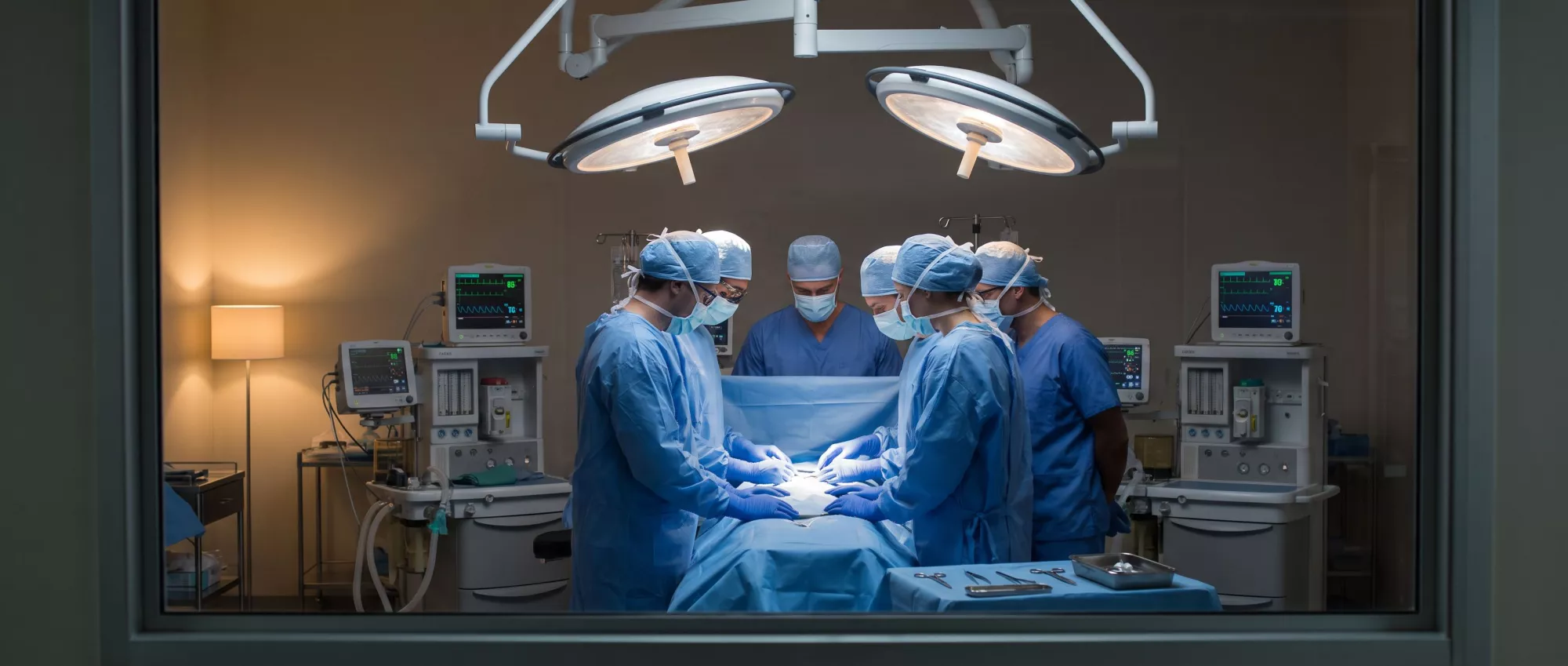
These surgeons do not work alone. They lead a dedicated team of anesthesiologists, perfusionists, and surgical nurses, ensuring every detail of the procedure is monitored and supported. Their expertise bridges deep medical knowledge and advanced technical skill.
Cardiovascular surgeon definition and role
Primary surgical responsibilities: The core cardiovascular surgeon definition centers on performing invasive procedures to treat conditions like coronary artery disease, heart valve disorders, and aortic aneurysms. The surgeon physically repairs the vital structures of the chest, making critical, real-time decisions to protect the heart muscle.
Collaborative medical leadership: While your cardiologist manages ongoing heart health through medication and diagnostics, the surgeon takes over when a physical, structural repair is required. The surgeon acts as the team leader in the operating room, coordinating with intensive care specialists to ensure recovery begins safely and immediately after the operation.
Understanding this role helps patients realize they are in the hands of a specialist whose entire career is dedicated to the mechanics of the heart. This focused dedication provides families with a deep sense of reassurance during stressful times.
How does a cardiovascular surgeon prepare for heart surgery?
Preparation for heart surgery is a meticulous process. The surgeon reviews the patient's complete medical history, diagnostic imaging, and results from catheterization labs. This information guides the surgeon in mapping out the exact surgical pathway, anticipating any anatomical variations that might arise once the chest is opened.
The team also conducts a comprehensive surgical briefing. This ensures the anesthesiologist understands the specific monitoring required, such as transesophageal echocardiography, which provides real-time images of the heart during the operation. The perfusionist prepares the heart-lung machine, which will temporarily take over the job of pumping blood and oxygenating it while the surgeon works on a still, bloodless heart.
For the patient and family, this preparation translates to safety. Every contingency is planned for long before the patient enters the operating room, reflecting the surgeon's commitment to a smooth, predictable procedure.
Cardiovascular surgery procedures explained
A heart surgery specialist performs a variety of complex cardiovascular surgery procedures, each tailored to specific cardiac conditions. These operations range from routine bypasses to intricate repairs of congenital defects, all designed to restore proper circulation and heart function.
- Coronary Artery Bypass Grafting (CABG): Creating a new path for blood to flow around blocked arteries.
- Valve Repair or Replacement: Fixing leaky or narrowed valves, sometimes using a mechanical heart valve prosthesis, to ensure blood flows in one direction.
- Aortic Aneurysm Repair: Replacing a weakened, bulging section of the aorta with a durable synthetic graft.
Each procedure requires a deep understanding of human anatomy and the ability to execute precise movements while the heart is stopped or beating. The choice of procedure depends entirely on the patient's specific diagnosis and overall health, ensuring a personalized approach to cardiac care.
Cardiac surgeon vs cardiovascular surgeon: what's the difference?
Scope of practice distinctions: A common source of confusion is the difference between a cardiac surgeon and a cardiovascular surgeon. The terms are often used interchangeably by the general public, but there is a subtle distinction in their scope of practice.
Vascular component inclusion: While a "cardiac" surgeon focuses primarily on the heart itself, a "cardiovascular" surgeon is also extensively trained to operate on the major blood vessels outside the heart, such as the aorta and peripheral vessels. This broader expertise is crucial when a heart condition affects the wider circulatory system.
For patients needing comprehensive care, having a cardiovascular surgeon means the doctor can address both the heart and the connected vascular issues in one coordinated surgical plan. This holistic approach prevents the need to consult multiple surgical teams for interconnected problems.
What education and qualifications do cardiovascular surgeons have?
The path to becoming a cardiovascular surgeon is one of the longest and most rigorous in the medical field, reflecting the immense responsibility of operating on the human heart. The cardiovascular surgeon qualifications include years of classroom study and intensive, hands-on clinical training.
After completing medical school, a surgeon enters a general surgery residency, typically lasting five to seven years. During this time, they master the fundamentals of surgical care, patient management, and anatomy. Following general surgery, they must complete a highly competitive fellowship specifically in cardiothoracic or vascular surgery.
This extensive education ensures the surgeon has encountered a wide variety of pathologies and surgical techniques before operating independently. Patients can take immense comfort in knowing their surgeon has spent over a decade refining their skills to achieve the highest level of medical proficiency.
When should you see a heart surgery specialist?
Patients are usually referred to a cardiovascular surgeon when their cardiologist determines that surgical intervention is the best course of action for their condition. This referral often happens after diagnostic tests reveal severe blockages, failing heart valves, or structural abnormalities that cannot be managed with medication alone.
Common reasons for this referral include severe chest pain that limits daily activities, shortness of breath due to heart failure, or the discovery of an aneurysm. The surgeon evaluates the patient to determine if they are a good candidate for surgery, carefully weighing the risks and benefits of the proposed procedure.
Seeing a surgeon does not always mean immediate surgery is required. The specialist may offer monitoring, medication adjustments, or recommendations for post-operative cardiac recovery support. Their goal is to provide clear, expert guidance on the most effective path forward for long-term heart health.
What to expect from your cardiovascular surgeon
From the first consultation, the surgeon's role is to explain the proposed surgery clearly and answer all questions. They will detail exactly what will happen during the operation, how long the expected recovery time is, and what specific lifestyle changes will be necessary afterward.
The surgeon will also coordinate with the broader medical team, including your primary care physician and cardiologist, ensuring a seamless transition through surgery and recovery. They utilize advanced diagnostic imaging to plan the surgery with precision, reducing the time spent in the operating room.
Patients should expect open communication and compassionate care. The best cardiovascular surgeons prioritize patient education, ensuring you feel informed and empowered rather than rushed or confused. This partnership builds the trust necessary for a successful surgical outcome.
Are cardiovascular surgeons safe for complex procedures?
Safety protocols and monitoring: Modern cardiovascular surgery is safer today than ever before, thanks to advanced technology and rigorous safety protocols. Surgeons use sophisticated monitoring systems that provide real-time data on the patient's vital signs, brain activity, and heart function throughout the procedure.
Team coordination and perfusion: The heart-lung machine, managed by a specialized perfusionist, allows the surgeon to operate on a still heart without interrupting blood flow to the brain and other organs.
While all surgeries carry risk, the extensive training of the cardiovascular surgeon and their dedicated team minimizes complications. Hospitals maintain strict checklists and team briefings before, during, and after surgery to catch any potential issues early, keeping patient safety at the absolute forefront of care.
Finding the right cardiovascular surgeon for your care
Choosing the right surgeon is a critical decision that significantly impacts the success of your treatment. When evaluating a heart surgery specialist, patients should consider the surgeon's experience with the specific procedure required, the hospital's reputation for cardiac care, and the level of comfort they feel during consultations.
Look for a surgeon who communicates clearly, answers questions patiently, and involves you in the decision-making process. A strong surgeon-patient relationship builds confidence and helps alleviate the natural fears associated with heart surgery.
In summary, a cardiovascular surgeon is a highly specialized professional dedicated to repairing the heart and blood vessels when other treatments fall short. By understanding their extensive training, the procedures they perform, and the safety measures in place, patients can approach their surgery with greater peace of mind, knowing they are in expert, caring hands.






