
Hospital Accreditation for Heart Surgery Abroad
How hospital accreditation works for heart surgery abroad: what the certifications mean, which ones to look for, and why they matter for your safety.
What Is Hospital Accreditation for Heart Surgery?
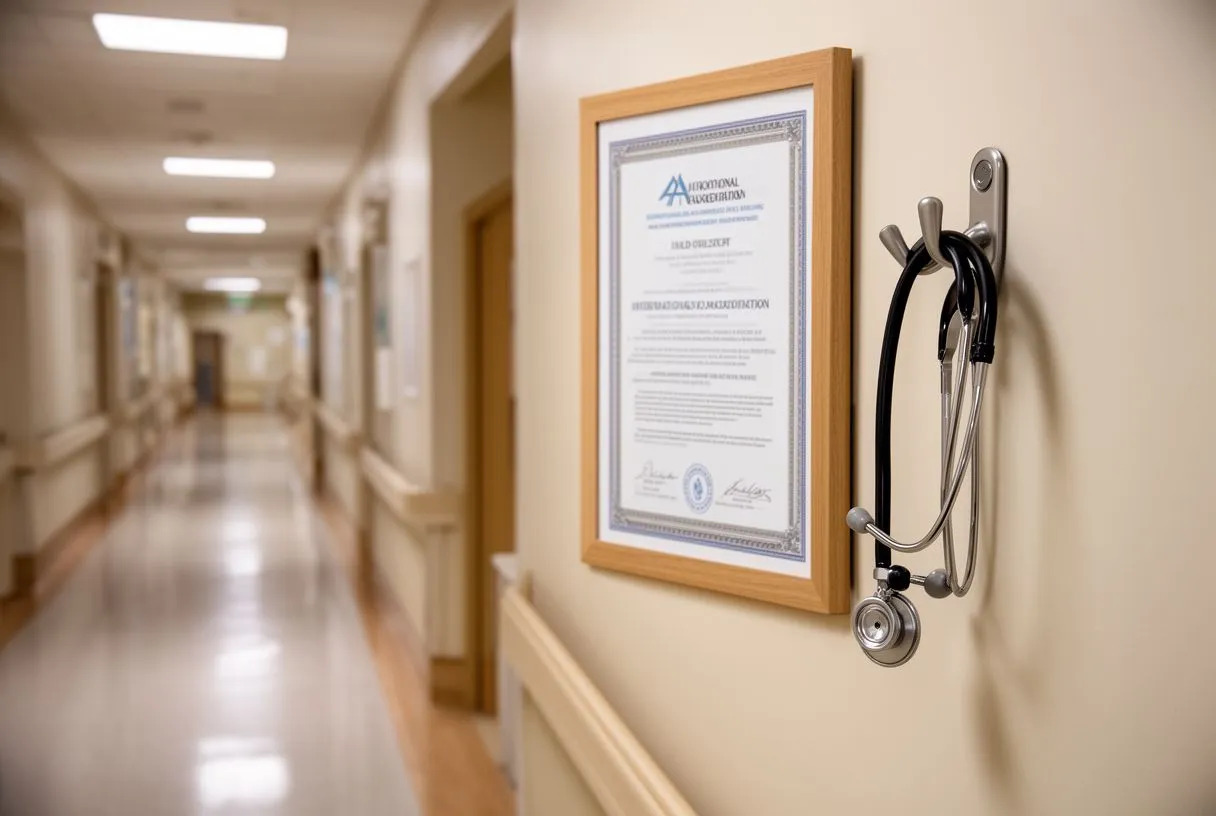
Defining the accreditation process: When considering cardiac care in another country, understanding hospital accreditation for heart surgery is the most critical step you can take. Accreditation is a rigorous, independent evaluation process where an international body examines a medical facility to ensure it meets strict safety and quality benchmarks. For a patient facing a major procedure, this credential serves as a reliable signal that the facility adheres to global standards, rather than just local regulations. It is the foundational layer of trust you need before making any medical travel decisions to places like Mexico.
Clinical evaluations during inspection: During the evaluation of a facility, inspectors review everything from surgical protocols to infection control measures. They observe how teams manage the Auscultation (the clinical listening to internal body sounds with a stethoscope) of the heart to detect irregular murmurs before an operation. Inspectors also ensure that the structural facilities are equipped to handle complex interventions, such as repairs to the Ascending Aorta (the large vessel carrying blood upward from the heart), which require advanced technological support and highly coordinated surgical teams working in specialized environments.
Ultimately, accreditation means that a neutral third party has verified the hospital's claims about its quality of care. It assures you that the staff are properly credentialed, the equipment is maintained, and the protocols for patient safety are actively enforced. This reduces the anxiety of traveling far from home for a major medical event, allowing you to focus on your recovery rather than worrying about the underlying infrastructure of your chosen clinic.
How Does International Accreditation Work?
The role of international bodies: International hospital accreditation bodies, such as the Joint Commission International (JCI), send teams of expert surveyors to evaluate hospitals against a comprehensive set of measurable standards. These surveyors include physicians and nurses who have firsthand experience in high-stakes clinical environments. According to research cataloged by ncbi.nlm.nih.gov, standardized international hospital evaluations significantly improve patient outcomes by enforcing uniform clinical guidelines across different global health systems.
Monitoring the patient journey: Surveyors evaluate the entire patient journey, from the moment you are admitted to your discharge planning. They check whether the hospital uses proven blood conservation techniques, such as recycling your own blood during surgery through an Autologous Blood (blood donated by the patient for their own use) system. They also monitor the safe insertion and management of an Arterial Line (a thin tube placed into an artery to monitor blood pressure continuously in real-time), ensuring that the nursing staff follows strict sterile protocols to prevent bloodstream infections.
Accreditation is not a one-time event; hospitals must undergo re-evaluation every few years to maintain their status. This continuous cycle of improvement means that a facility cannot simply pass an inspection and relax their standards. They must constantly audit their clinical outcomes, review their complication rates, and update their practices to align with the latest global consensus on cardiac care, giving you an added layer of ongoing protection throughout your medical journey.
Why Choose Accredited Cardiac Hospitals Abroad?
Predictable safety standards: Choosing an accredited facility translates directly into a higher standard of safety and a more predictable experience for international patients. When a hospital holds recognized hospital accreditation, it has already proven its ability to manage complex clinical scenarios and international patient logistics. This includes everything from language translation services to international dietary considerations, ensuring that your medical journey is as smooth as your surgical recovery when traveling for cardiac care.
Managing severe complications: Accredited hospitals are also better equipped to manage rare but serious surgical complications that may arise unexpectedly. For example, if a patient experiences airway compromise following an extended cardiac procedure, accredited centers have protocols aligned with studies like the Safety and feasibility of hybrid tracheostomy to establish a safe airway rapidly. Furthermore, these centers are prepared for severe respiratory failure, where they might utilize advanced life support like Awake ECMO (a modified extracorporeal membrane oxygenation technique where the patient remains conscious) to rest the lungs while the heart heals.
For procedures requiring tissue replacement, such as certain valve reconstructions, accredited centers maintain strict protocols for harvesting and implanting an Autograft (a tissue graft taken from one part of a patient's body and transplanted to another part). The oversight provided by accreditation ensures that these complex biological materials are handled with the highest level of surgical precision and sterility, minimizing the risk of post-operative infection and graft failure during your critical recovery period.
What Are the Safety Standards for Heart Surgery Overseas?
Preventing blood clots and complications: Safety standards in overseas cardiac surgery encompass a wide range of clinical and administrative practices designed to protect you from preventable harm. One primary focus is the prevention of venous thromboembolism, which involves assessing your risk for blood clots and prescribing appropriate prophylaxis. While Aspirin (a common medication that prevents blood from clotting) is often used for long-term secondary prevention after surgery, acute perioperative protocols are carefully managed to balance bleeding risks against clotting risks.
Addressing vascular disease: Another major safety pillar is the management of vascular disease that often accompanies heart conditions. Surgeons must be prepared to address an Atheromatous Plaque (a fatty deposit within the inner lining of an artery) that could complicate access to the heart during surgery. This requires meticulous preoperative imaging and planning. For patients with severe peripheral artery disease, surgical teams at accredited centers are trained in advanced revascularization techniques, drawing from clinical evidence such as the findings in the Simultaneous great saphenous vein arterialization and drug-eluting balloon venous angioplasty in no-option chronic limb-threatening ischemia: a case report to save limbs and improve outcomes.
Furthermore, safety standards dictate strict medication reconciliation processes. This means that every pill you take before, during, and after your hospital stay is carefully verified to prevent dangerous drug interactions. Accredited facilities use electronic health records to track these medications across different specialties, ensuring that your cardiologist, surgeon, and anesthesiologist all have access to the same accurate, up-to-date information about your treatment plan at all times.
How to Evaluate Heart Surgery Hospital Credentials
Verifying certification sources: When evaluating a facility for your cardiac care, looking beyond marketing materials is essential. You should verify the exact nature of the hospital accreditation held by the clinic and ensure it is from a recognized international body. You can typically find this information on the accrediting organization's official website, which maintains a public directory of certified facilities, confirming the exact dates of validity and the scope of the certification they have earned.

Checking surgeon qualifications: It is also vital to investigate the credentials of the individual surgeons who will be performing your operation. Find out if they are board-certified and ask about their specific experience with your required procedure. Understanding how a surgeon diagnoses complex conditions, such as an Atypical Infarction (a heart attack that presents without the classic crushing chest pain but with symptoms like profound fatigue or jaw pain), can give you insight into their clinical acumen and diagnostic thoroughness.
Pay close attention to the hospital's infection control statistics and patient-to-nurse ratios. A facility might have an excellent surgical team, but if the postoperative care is compromised by understaffing or poor hygiene, your recovery could be at risk. Do not hesitate to request a pre-surgical consultation to ask these questions directly, allowing you to gauge the transparency and willingness of the staff to engage with your concerns before committing to a procedure abroad.
What to Expect During Your Cardiac Evaluation
The initial assessment phase: Your cardiac evaluation abroad will typically begin with a comprehensive review of your medical history and a series of non-invasive tests. The medical team will assess your overall cardiovascular health to determine the safest surgical approach. This often involves a detailed conversation about your symptoms, physical exertion tolerance, and any family history of heart disease, helping the team build a complete clinical picture of your specific needs and risk factors.
Interventional diagnostic options: Depending on your initial tests, your cardiologist might recommend specific interventional procedures instead of, or prior to, open surgery. For example, if a coronary artery is severely narrowed, they might perform Balloon Angioplasty (a procedure where a small balloon is inflated inside a blocked artery to widen it). If the narrowing affects the aortic valve, a Balloon Aortic Valvuloplasty (a specialized procedure to stretch a stenotic aortic valve using a balloon catheter) might be considered to improve blood flow before a more definitive surgical intervention is planned.
Throughout this evaluation, the team will also establish baseline metrics for your cardiac function. They will explain the findings of your echocardiograms and stress tests in plain language, ensuring you understand why a specific intervention is being recommended. This educational process is a core component of international patient care, designed to empower you to make informed decisions about your own body and medical treatment plan.
- Diagnostic Imaging: Expect echocardiograms and potentially CT angiograms to visualize blood flow.
- Physical Assessment: A thorough exam to check for fluid retention and irregular heart sounds.
- Risk Stratification: Calculating your surgical risk using standardized international scoring systems.
Types of Cardiac Procedures Available Abroad
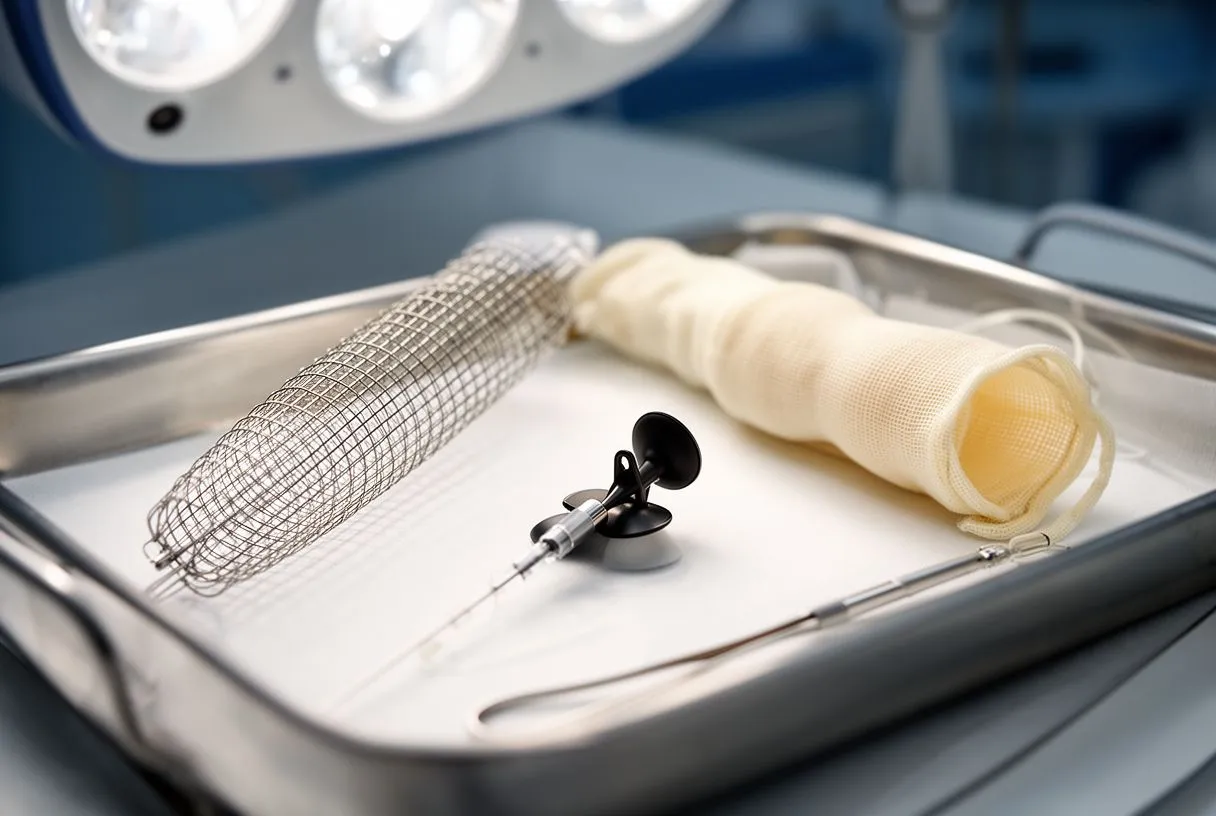
Minimally invasive valve replacements: Accredited international hospitals offer a full spectrum of cardiac procedures, ranging from minimally invasive interventions to complex open-heart surgeries. One of the most common advancements is the use of transcatheter aortic valve replacement, known as TAVR. During a TAVR procedure, surgeons implant a Balloon-expandable Valve (a prosthetic valve mounted on a balloon catheter that is expanded into place) via a small incision in the leg or chest, avoiding the need for a large sternotomy.
Treating electrical heart conditions: For patients with electrical disturbances in the heart, facilities are equipped to treat conditions originating in the upper chambers. If you suffer from Atrial Flutter (a rapid, organized heart rhythm originating in the atria), electrophysiology studies and targeted ablation therapies can be performed to restore a normal heartbeat. These procedures are highly technical and require specialized mapping equipment to ensure the abnormal electrical pathways are precisely identified and eliminated safely.
Surgical teams also manage structural abnormalities affecting the Atrium (the upper receiving chamber of the heart), such as atrial septal defects or myxomas. By choosing an accredited center, you ensure that the facility has the necessary advanced imaging and surgical instrumentation to navigate the delicate anatomy of the heart's chambers safely, minimizing the risk of complications and promoting a faster, more comfortable recovery process for the patient.
Navigating Recovery After Offshore Heart Surgery
Immediate postoperative timeline: Recovery after heart surgery abroad requires careful planning and a clear understanding of your postoperative timeline. You will likely remain in the country for a specified period so your surgical team can monitor your initial healing. During this time, it is normal to experience some discomfort, such as mild Arm Pain (discomfort radiating to the upper limb, which can sometimes occur if an internal mammary artery is used as a graft), which can be managed with medication.
Healing from bypass surgery: If your procedure involved an Arterial Graft (a surgical bypass using an artery rather than a vein to reroute blood flow), the healing process might be slightly different than with venous grafts. The hospital accreditation process ensures that the nursing staff at an accredited facility will guide you through early mobilization, teaching you how to splint your chest incision when you cough or deep breathe. They will also provide training on how to use an Automated External Defibrillator (a portable device that checks heart rhythms and can send an electric shock to restore a normal beat) if your specific condition warrants having one at home upon discharge.
Before you are cleared to fly home, your medical team will conduct a final evaluation to ensure your incisions are healing well and your cardiac function is stable. They will provide you with a comprehensive medical discharge summary, translated into your native language if necessary. This packet is essential for your local healthcare providers, as it details the exact procedures performed and the medications you are currently taking to maintain your heart health.
Understanding medical travel packages: Understanding the financial aspects of medical tourism is a major part of planning your cardiac care abroad. While accredited hospitals provide clear, upfront pricing packages, it is important to clarify exactly what is included in your quote. These packages should cover the surgical fee, hospital stay, anesthesia, and necessary preoperative testing, but you must confirm whether potential complications or extended stays would incur additional charges.
Long-term health management: When discussing long-term health management with your surgical team, they may recommend specific monitoring protocols. For instance, tracking your Apolipoprotein B (a protein involved in the metabolism of lipids and a primary component of LDL cholesterol) can help guide your post-surgical diet and medication plan. Similarly, if you are taking blood thinners after valve replacement, your doctor might reference clinical pathways similar to the ARISTOTLE (a major clinical trial that established dosing guidelines for apixaban) study to ensure your anticoagulation therapy is optimized for safety and efficacy.
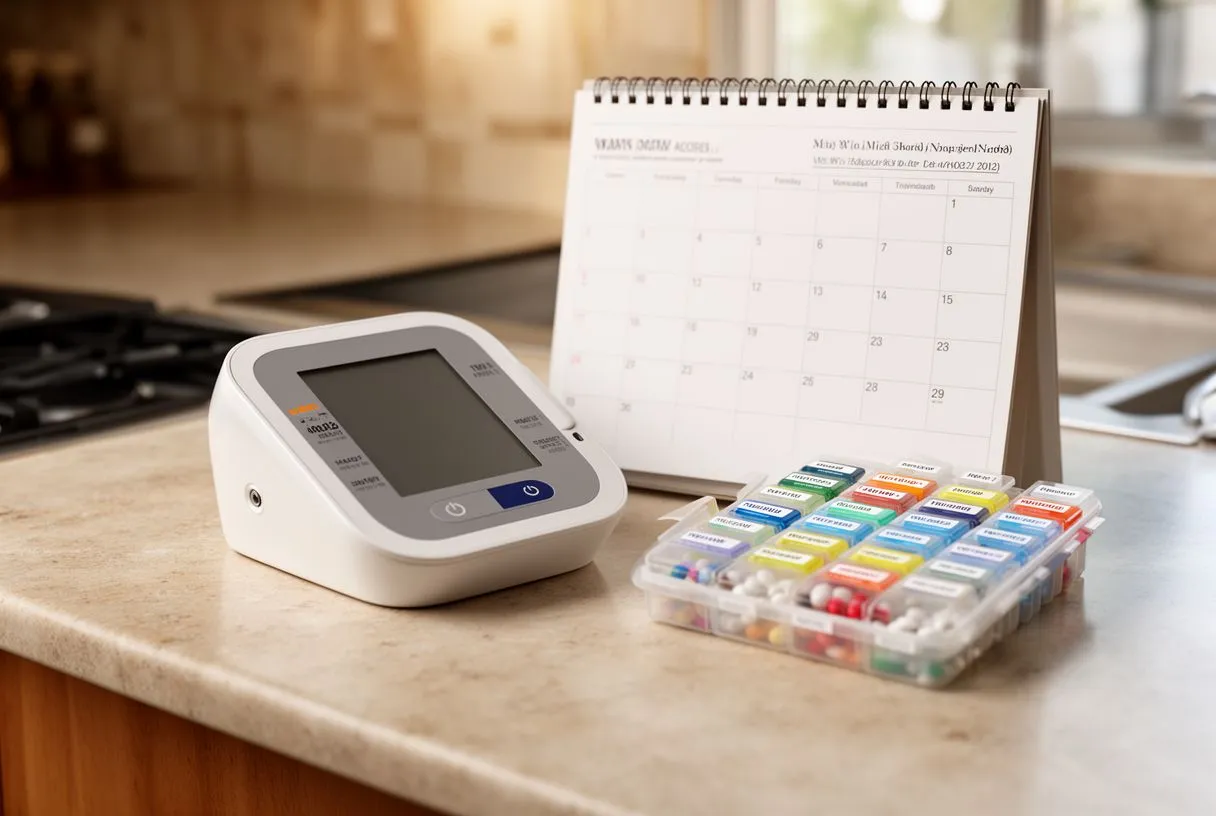
Regarding insurance, you must contact your provider to determine if they cover procedures performed internationally. Some insurers have specific partnerships with accredited overseas facilities. If you are paying out-of-pocket, the financial counselors at the hospital can help you arrange secure payment methods and provide the necessary documentation for your insurance reimbursement or tax deductions back home. Always ensure you have a clear financial agreement before traveling.
- Transparent Quotes: Ensure your estimate includes all surgical and anesthesia fees.
- Complication Coverage: Ask if the package includes care for unexpected postoperative issues.
- Documentation: Request an itemized bill and full medical records for your insurer.
Managing costs and insurance for medical tourism
Understanding medical travel packages: Understanding the financial side of medical tourism is an important part of planning your cardiac care abroad. Although accredited hospitals offer packages with clear, upfront prices, it is important to clarify exactly what your quote includes. These packages should cover surgical fees, the hospital stay, anaesthesia and the necessary preoperative tests, but you should confirm whether possible complications or extended stays would generate additional charges.
Managing your long-term health: When discussing the management of your long-term health with your surgical team, they may recommend specific follow-up protocols. For example, monitoring your apolipoprotein B (a protein involved in lipid metabolism and a main component of LDL cholesterol) can help guide your diet and medication plan after surgery. Likewise, if you take anticoagulants after a valve replacement, your doctor may refer to clinical protocols similar to the ARISTOTLE study (a major clinical trial that established dosing guidance for apixaban) to optimise your anticoagulant therapy for safety and effectiveness.
As for insurance, you should contact your provider to find out whether it covers procedures performed abroad. Some insurers have specific agreements with accredited centres in other countries. If you pay out of pocket, the hospital's financial advisers can help you arrange secure payment methods and provide the documentation needed to claim insurance reimbursement or tax deductions in your country. Always make sure you have a clear financial agreement before you travel.
- Transparent quotes: Make sure your quote includes all surgical and anaesthesia fees.
- Coverage of complications: Ask whether the package includes care for unexpected postoperative problems.
- Documentation: Request an itemised invoice and your complete medical record for your insurer.
When to Seek Help After Returning Home
Maintaining local medical contact: Returning home after heart surgery is a major milestone, but it is not the end of your medical journey. You must maintain close contact with your local cardiologist and be vigilant for any signs of complications. Knowing when to seek urgent medical attention is crucial for your long-term recovery. If you experience sudden shortness of breath, fever, or excessive redness at your incision site, you should contact a doctor immediately.
Identifying late complications: Complications can sometimes be related to the hardware used during your surgery. For instance, if you had monitoring lines placed, a delayed complication from an Arterial Cannula (a tube inserted into an artery, often used during bypass surgery) could manifest as localized pain or a pseudoaneurysm at the insertion site. Your local medical team needs to be aware of all the peripheral interventions performed abroad so they can accurately diagnose any late-presenting issues related to your surgical access points.
Final thoughts on international care: In conclusion, pursuing heart surgery abroad is a significant decision that requires careful research and a strong partnership with a highly qualified medical team. By prioritizing recognized international certifications and understanding the rigorous standards they enforce, you significantly reduce your risk and improve your chances of a successful outcome. We encourage you to discuss your specific cardiac condition with a qualified team and book a consultation to evaluate if this path offers the lowest risk for your situation, rather than relying on self-diagnosis.