Video Consultation With a Heart Surgeon: How It Works
Learn how a video consultation with a heart surgeon works at Cirugía de Corazón in Guadalajara.
You have been told you may need heart surgery, or a cardiologist has flagged a valve, an aneurysm, or a blocked artery — and now you are staring at a mountain of questions. Traveling to Guadalajara, Querétaro, or Hermosillo just to ask them can feel overwhelming, especially if you live far away or abroad. That is exactly where a video consultation with a heart surgeon comes in. It lets you sit down — from your own home — with a cardiac specialist who can review your records, explain what is happening inside your chest, and lay out your realistic options before you commit to anything.
At Cirugía de Corazón, the practice of Dr Alejandro Molina, these remote appointments are not a watered-down version of care. They are a genuine first step in surgical planning, and for many patients they remove weeks of uncertainty. This guide walks you through how the process works, what to prepare, what it costs, and where a virtual visit ends and an in-person one must begin.
What Is a Video Consultation With a Heart Surgeon?
A video consultation is a scheduled, private online appointment in which you meet a cardiac surgeon over a secure video call rather than in an office. The surgeon is the same specialist who would see you in clinic — a fully trained doctor who operates on the heart and chest. During the call, they review your medical history, look at your test results with you, and answer your questions directly.
It helps to understand the difference between the two main types of heart specialists you might meet. A cardiologist diagnoses and manages heart conditions with medication and catheter-based procedures. A Cardiac Surgeon — sometimes called a Cardiothoracic Surgeon because they operate on both the heart and the chest cavity — is the specialist who performs operations such as valve repair, coronary bypass, and aneurysm repair. A Cardiovascular Surgeon also treats the major blood vessels connected to the heart. If your situation may involve surgery, speaking directly with the surgeon early can save you a great deal of back-and-forth.
Video consultations have become a routine part of modern cardiac care, not a novelty. The National Heart, Lung, and Blood Institute recognizes that timely specialist evaluation is one of the key factors in good heart-disease outcomes, and remote appointments are one practical way to get that evaluation sooner. The goal of the first virtual meeting is simple: determine whether surgery is even on the table, and if it is, what the next concrete step should be.
Who Should Book a Virtual Cardiac Consultation?
Patients who have been told they "might" need surgery. If a cardiologist has mentioned a valve replacement, a bypass, or repair of an aortic aneurysm, but you have not yet met a surgeon, a video call is an ideal way to understand what those words actually mean for your life. Many people in this position leave their first appointment with more confusion than clarity; a dedicated session with a surgeon reverses that.
People seeking a second opinion before agreeing to an operation. Heart surgery is a major decision, and getting an independent view of your imaging and test results is both common and sensible. A remote review lets you compare what you have been told locally with a specialist's reading of the same studies — without a flight.
International patients planning care in Mexico. If you are considering treatment in Guadalajara, Querétaro, or Hermosillo from the United States, Canada, or elsewhere in Latin America, an early online meeting lets you judge whether the practice, the plan, and the logistics fit your needs before you book travel. It also helps the surgical team pre-plan your in-person evaluation so your trip is shorter and more productive.
How a Video Consultation With a Heart Surgeon Works, Step by Step
The process is deliberately simple, because anxious patients do not need technical hurdles on top of medical ones. Here is what typically happens from first contact to follow-up.
- Request an appointment: You contact the practice through its website or by phone and describe, briefly, why you are seeking a consultation.
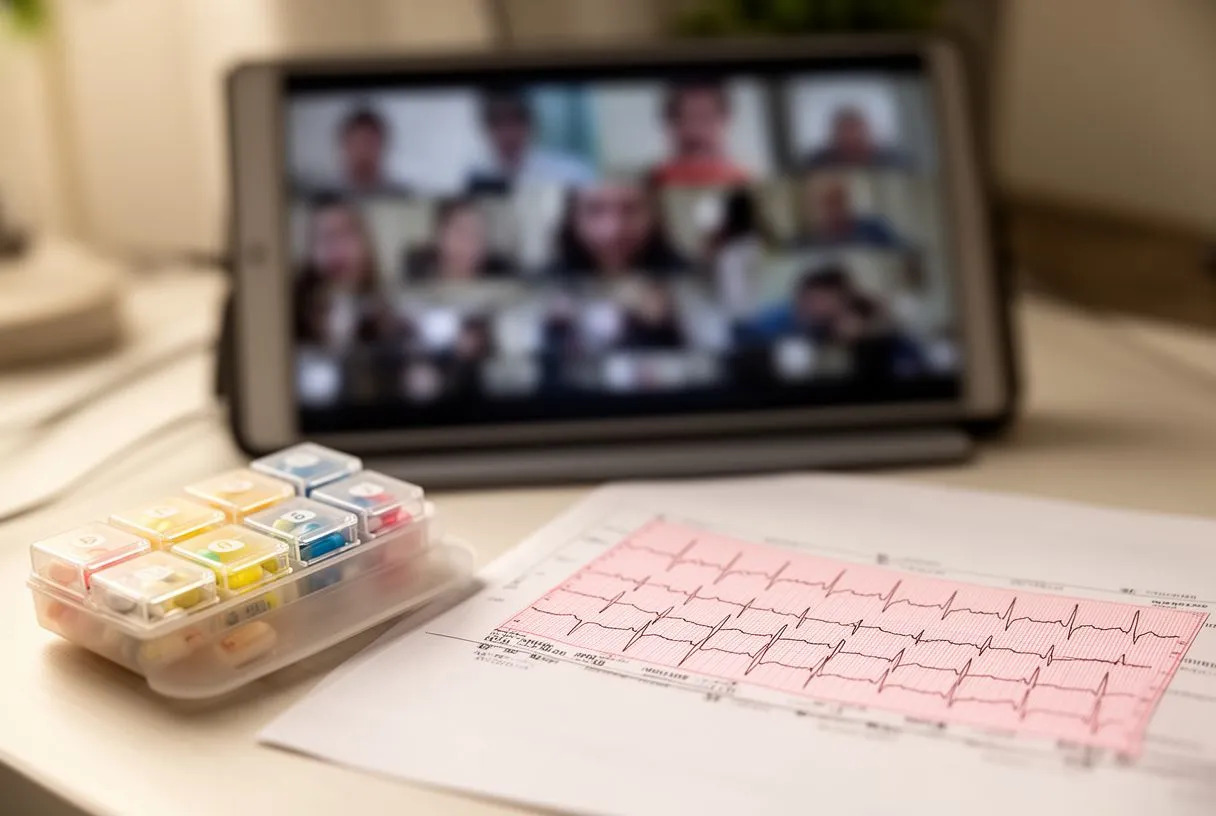
- Send your records: Upload or email your recent tests — echocardiogram reports, CT or catheterization images, blood work, and your current medication list — so the surgeon can review them before the call.
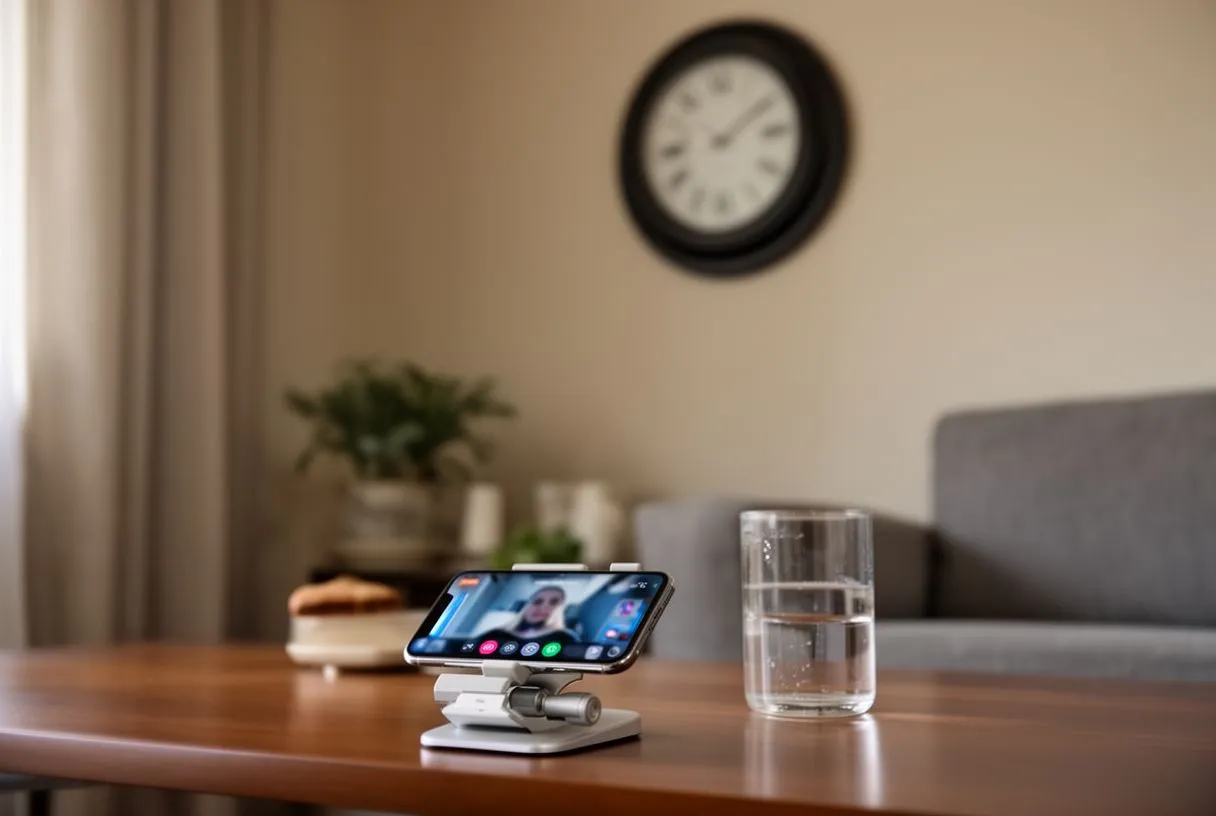
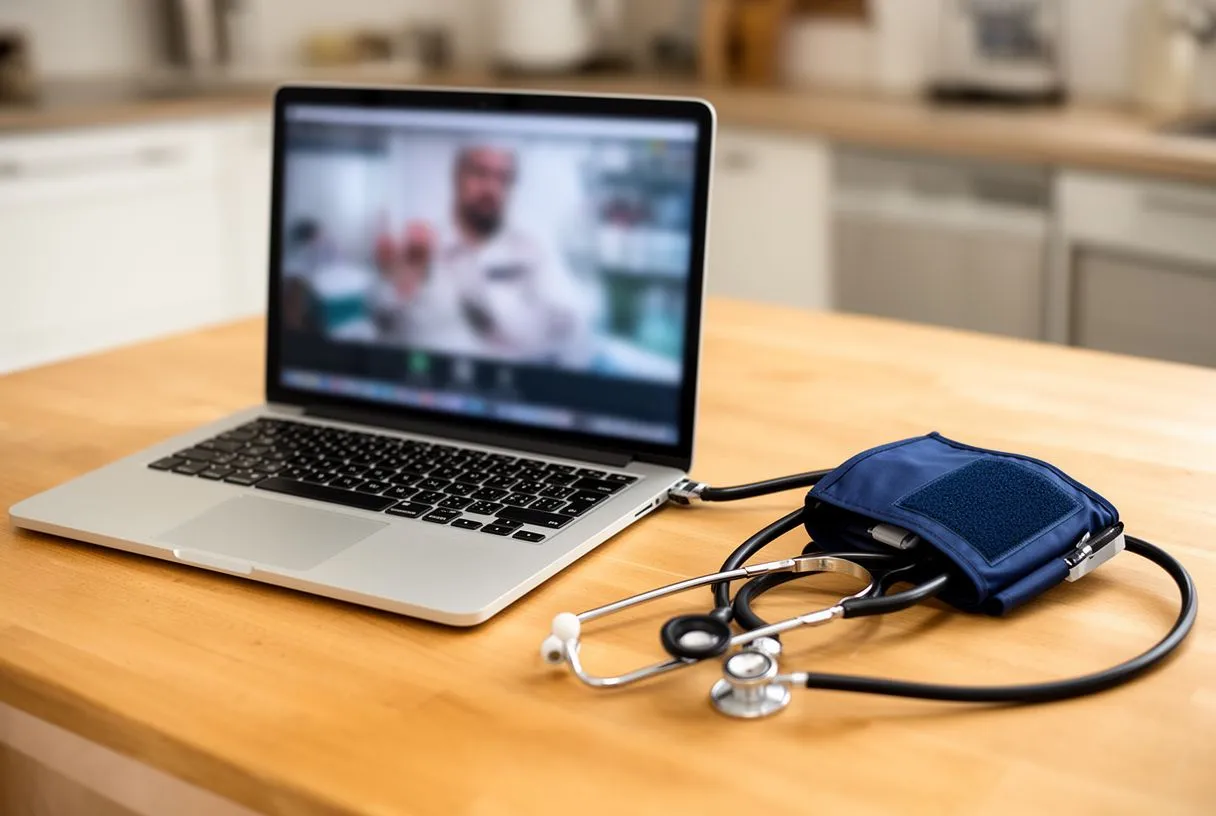
- Meet by video: At the scheduled time, you connect through a secure link using a phone, tablet, or computer. No special software or technical skill is required.
- Discuss and plan: The surgeon explains your findings in plain language, answers questions, and outlines whether surgery, another procedure, or continued medical treatment makes sense.
- Receive a written summary: After the call, you receive a summary of the discussion and the recommended next steps, which you can share with your local doctors.
That may sound short, but with records reviewed in advance, the time is spent on you — not on hunting through files. If the surgeon needs additional studies before giving an opinion, they will say so plainly rather than guess.
One important point: a video consultation is a real medical appointment, and everything discussed is confidential, just as it would be in an examination room. Family members are welcome to join the call, and for many patients that is one of the biggest advantages — a spouse or adult child can hear the explanation firsthand.
What Records to Prepare for Your Heart Surgeon Online Appointment
Imaging and test reports matter most. A surgeon reading your case remotely relies heavily on objective studies. The most useful items are a recent echocardiogram (an ultrasound of the heart that shows valve function and pumping strength), a CT scan or cardiac catheterization report if you have had one, and any stress test results. Images themselves are ideal; even the written report is a strong start.
Your personal medical summary comes next. Prepare a one-page list of your diagnoses, current medications and doses, allergies, prior surgeries, and other conditions such as diabetes or kidney disease. If you have symptoms, note when they occur and what triggers them — for example, chest tightness when climbing stairs, or breathlessness lying flat at night.
Write your questions down in advance. This sounds obvious, and it is routinely skipped. Under stress, patients forget the very questions that brought them to the call. A short list — "Do I definitely need surgery?", "What happens if I wait?", "How long is recovery?" — keeps the conversation on what matters most to you.
Do not worry if your records are incomplete. Part of a pre-operative video assessment is identifying exactly which additional tests are needed and where to get them. If you lack a recent echocardiogram, for instance, the team will tell you whether it should be done locally or arranged for your visit to Mexico.
What Questions Should You Ask During a Remote Heart Surgery Consult?
The value of a video consultation with a heart surgeon depends heavily on what you ask. Surgeons expect and welcome direct questions — a good one will answer them without defensiveness. These are the questions that reliably produce the most useful answers.
- What exactly did you find in my tests, and what does it mean in everyday terms?
- What are all my options — surgery, catheter-based treatment, or medication — and the trade-offs of each?
- How urgent is this? What happens if I wait three or six months?
- What is your experience with this specific procedure, and what does recovery realistically look like for someone my age and health?
Do not hesitate to ask about numbers. Surgeons can explain what the evidence says about outcomes for your condition and procedure type, and how your individual factors — age, other illnesses, heart strength — shift that picture. This is also the right moment to discuss your Return to Work expectations, driving, exercise, and daily life after an operation.
Finally, ask what happens next in concrete terms: which tests you still need, when an in-person visit would be scheduled, and roughly how long the whole pathway takes from decision to operation. Vague answers here are a reason to keep looking.
Can a Video Consult Replace an In-Person Heart Exam?
Honestly: no, and no responsible surgeon will claim otherwise. A video consultation cannot replace a physical examination, a stethoscope on your chest, or hands-on testing. What it can do is accomplish most of the intellectual work of a first surgical opinion — interpretation of your studies, explanation of your condition, and mapping of the treatment pathway.
Think of the virtual visit as the planning stage and the in-person visit as the verification stage. Before any operation, you will need a physical assessment in person, and typically pre-operative testing done close to the date of surgery. This is not bureaucracy; it is how surgical safety is maintained. Heart function, lung function, and overall fitness are re-checked before anyone enters an operating room.
What a video call genuinely replaces is the wasted trip — the flight taken just to be told "come back with your CT scans." If your records show that surgery is clearly not indicated, the remote consultation has saved you enormous cost and stress. If surgery is likely, the call makes your eventual in-person visit far more efficient, because the plan is already drafted.
Video Consult Before Heart Surgery: Second Opinions Explained
Why second opinions are normal, not disloyal. Patients sometimes worry that seeking another view will offend their local doctor. In cardiac care it is expected practice, particularly for elective (planned, non-emergency) operations. Serious surgeons respect patients who verify the recommendation before consenting to open-heart surgery.
What a remote surgeon actually reviews. For a second opinion, the specialist examines your imaging and reports independently — not just the summary another clinic gave you. They look at the severity of valve disease, the size of an aneurysm, the extent of coronary blockages, and how those findings align with your symptoms. Occasionally this process reveals that a condition can be managed without surgery, or that a less invasive approach such as Video-assisted Surgery or a catheter-based valve procedure may be appropriate instead of a traditional open operation.
When opinions differ. If the remote surgeon's view differs from what you were told locally, that is not a contradiction to fear — it is information. You can ask each doctor why they reached their conclusion and what evidence supports it. Disagreements often come down to emphasis, timing, or technique rather than one doctor being wrong. Your job is to understand the reasoning, not to referee.
What about insurance and international coverage? Some international health policies and travel medical plans reimburse telemedicine appointments; many do not. Check with your insurer before booking and ask for an itemized receipt, which the practice can provide.
Cost transparency for the full pathway. If the consultation leads toward surgery, ask for a written estimate covering surgeon's fees, hospital costs, anesthesia, and expected length of stay. Mexican private hospitals are generally able to provide package-style quotes for international patients. A practice willing to put numbers in writing early is showing you how it will communicate throughout your care.
How Much Does a Heart Surgeon Teleconsultation Cost in Mexico?
Teleconsultation fees in Mexico are generally far lower than comparable private appointments in the United States or Canada, and they are typically charged as a flat fee for the scheduled session. At Cirugía de Corazón, the exact fee and payment method are confirmed when you book, so there are no surprises. Ask at the time of scheduling what the fee covers — most video consultations include the surgeon's review of your records beforehand, not just the live call.
What about insurance and international coverage? Some international health policies and travel medical plans reimburse telemedicine appointments; many do not. Check with your insurer before booking and ask for an itemized receipt, which the practice can provide. For patients paying out of pocket, the economics are usually straightforward: a modest consultation fee is a small fraction of the cost of an unnecessary trip — or of an unnecessary operation.
Cost transparency for the full pathway. If the consultation leads toward surgery, ask for a written estimate covering surgeon's fees, hospital costs, anesthesia, and expected length of stay. Mexican private hospitals are generally able to provide package-style quotes for international patients. A practice willing to put numbers in writing early is showing you how it will communicate throughout your care.
When a Virtual Visit Should Become an In-Person Appointment
There are clear signals that the time for talking online is over. A video consultation is the right tool for evaluation, explanation, and planning — but certain situations demand physical assessment, and knowing the boundary protects you.
Seek in-person or emergency care immediately — not a video call — if you have: crushing chest pain or pressure, pain spreading to the arm, jaw, or back, sudden severe breathlessness, fainting, or a racing or irregular heartbeat that is new for you. These are emergency symptoms, and no remote appointment should ever delay emergency treatment. Go to the nearest emergency department or call your local emergency number.
Between emergencies and routine planning lies the scheduled pathway. Once a remote consultation concludes that surgery or a procedure is likely, the next step is an in-person visit at one of the practice's locations in Guadalajara, Querétaro, or Hermosillo. There, the surgeon performs a physical examination, reviews any updated imaging, and confirms the operative plan face to face. For planned procedures, this usually happens within days of your arrival, so travel stays efficient.
After surgery, video follow-up appointments are often used again — checking your healing, adjusting medications, and answering questions during recovery without requiring you to travel for every milestone. The rhythm is typically remote where possible, in person where necessary.
Is a Video Consultation With a Cardiac Surgeon Right for You?
If you are carrying an unanswered question about your heart — a valve diagnosis you do not fully understand, a surgery recommendation you want to verify, or a plan for treatment in Mexico you want to scope out before flying — a video consultation is the lowest-friction way to get answers from the right specialist. It costs little, requires no travel, and ends with a written plan you can act on.
The measure of a good remote consultation is whether you leave it knowing three things: what is actually happening in your heart, what your realistic options are, and what the very next step should be. If a call does not deliver those, you have lost little. If it does, you have saved weeks.
Heart decisions deserve real expertise, not internet searches and guesswork. If you would like to discuss your own situation with Dr Alejandro Molina's cardiac team in Guadalajara, Querétaro, or Hermosillo, the simplest first move is to book a video consultation — and let a qualified specialist help you decide what comes next.