Surgical Tourism for Heart Surgery: Safety Checklist
Surgical tourism heart surgery requires a strict safety checklist.
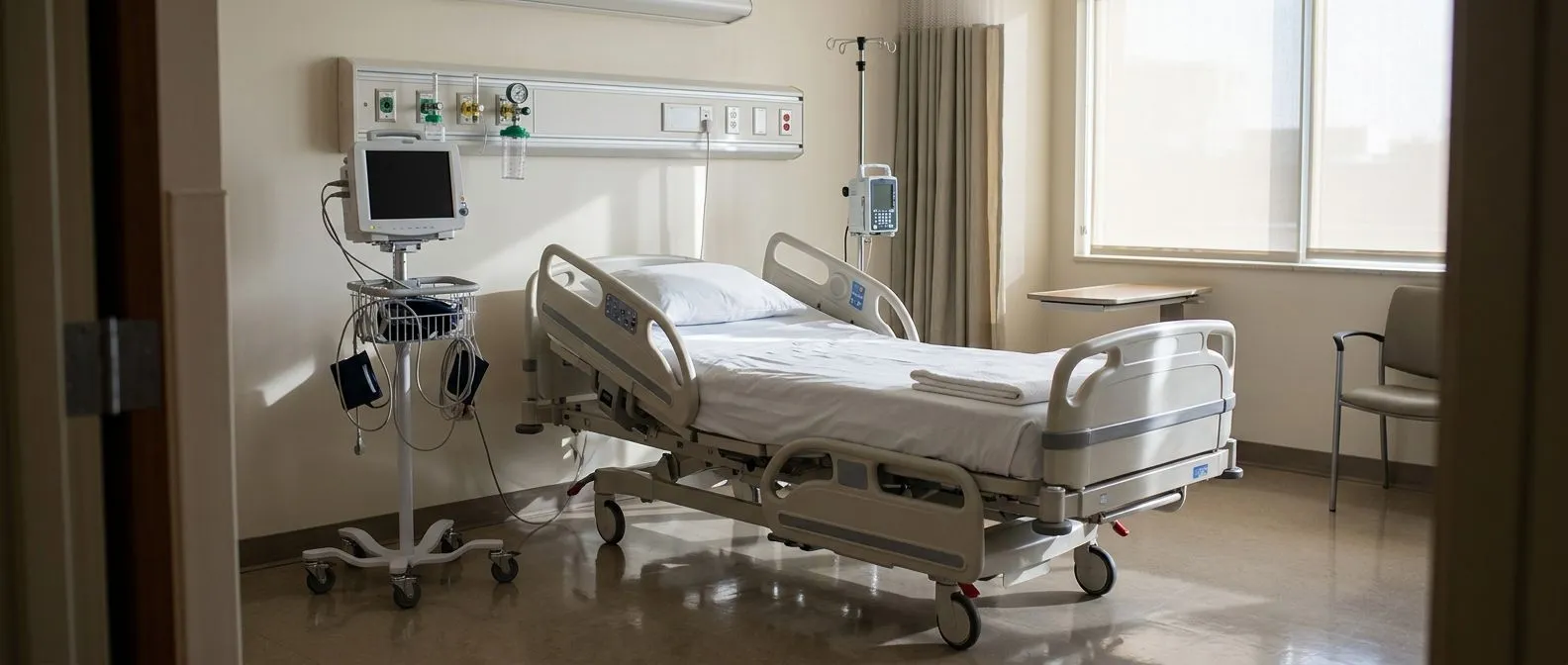
More patients are now combining two decisions that used to be separate: where to have heart surgery and how to pay for it. Surgical tourism for heart surgery means traveling to another country for a cardiac procedure. It can also expose you to real risks if you choose a hospital the way you would choose a hotel. This guide walks through the full safety checklist: how to vet the surgeon and hospital, what to prepare before you fly, what recovery actually looks like, and when travel becomes dangerous.
What Is Surgical Tourism for Heart Surgery?
Defining the term. Surgical tourism is a branch of Medical Tourism focused specifically on operations rather than wellness visits or dental work. In the cardiac version, a patient travels across a border for procedures such as valve repair or replacement, coronary artery bypass grafting (often called CABG or bypass surgery), or structural interventions like TAVR, a catheter-based way to replace a narrowed aortic valve without opening the chest.
Why heart surgery is different. Cosmetic procedures fail gracefully; cardiac ones do not. The heart, the lungs, and the aorta form a system where planning, imaging, and postoperative monitoring matter as much as the operation itself. That is why a Surgical Checklist matters more here than in almost any other branch of surgical tourism. A patient who arrives with complete studies, a clear diagnosis, and a defined surgical plan is a different kind of patient from one who arrives hoping the local team will figure it out.
What a good program looks like. A serious cardiac program abroad will ask for your records before it quotes a price. It will tell you which studies are missing. It will name the surgeon, the hospital, and the type of operation, and it will explain the alternatives, including doing nothing yet or treating you at home. If a program cannot answer those questions in writing, that is your first signal.
Why Patients Consider Cardiac Surgery Tourism in Mexico
Cost and access. In the United States, the price of open-heart surgery can reach sums that insurers dispute or that uninsured patients simply cannot pay. Cardiac surgery tourism Mexico searches have grown because Mexican private hospitals offer comparable technology, Spanish- and English-speaking teams, and flight times of two to four hours from most US cities. For patients in Arizona, Texas, or California, Guadalajara or Hermosillo can be closer than a major medical center in their own state.
Quality exists, but it is uneven. Mexico has internationally trained cardiac surgeons, hospitals with modern catheterization labs and intensive care units, and programs that follow the same guidelines used in the United States and Europe. It also has clinics that market aggressively and deliver less. The country is not the variable. The specific hospital and the specific surgeon are the variables, and both can be verified before you book a flight.
The timeline question. Some patients travel for planned, elective procedures such as valve replacement scheduled months in advance. Others are chasing time, worried that a waiting list at home will outlast their symptoms. If your cardiologist has told you the surgery is urgent, waiting abroad and traveling back and forth for consultations can consume weeks you do not have. In that situation, honest programs will tell you to have the surgery where you live.
Is Traveling Abroad for Heart Surgery Safe?
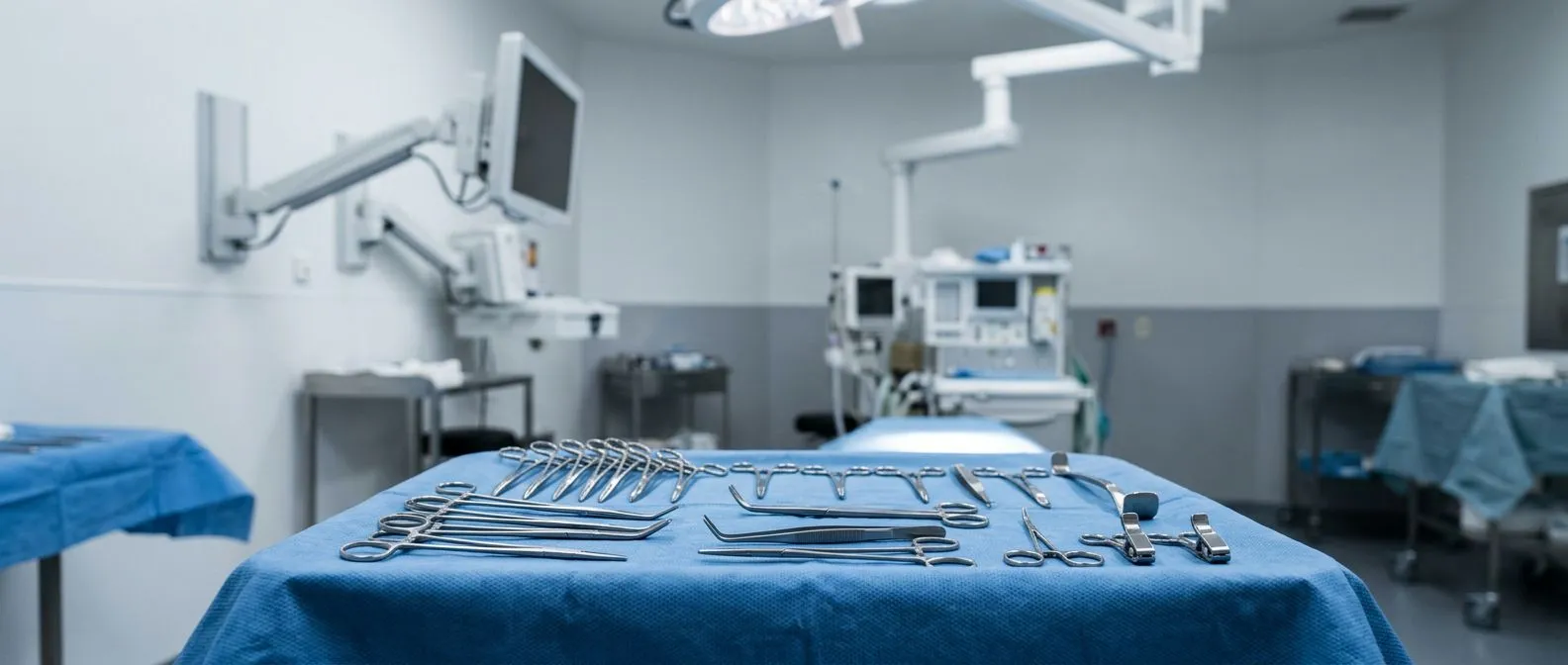
What the evidence says about safety systems. Cardiac surgery outcomes depend less on geography than on systems: a team that follows a checklist, a hospital that does a reasonable volume of heart operations, and an intensive care unit staffed around the clock. A landmark study published in A Surgical Safety Checklist to Reduce Morbidity and Mortality in a Global Population showed that a simple checklist, applied consistently, cut major complications and deaths across hospitals in very different countries. The lesson for surgical tourists is direct: ask whether the team you are considering uses structured safety protocols, and how.
Risks that travel itself adds. Long flights raise the risk of blood clots, which matters enormously before and after heart surgery. Flying with an unstable cardiac condition is dangerous in its own right. Altitude, dehydration, and being far from your own records all add friction. Any honest program will tell you that the safest version of surgical tourism for heart surgery minimizes travel around the operation date: arrive early enough to rest, complete final studies in person, and stay long enough afterward that your surgical team, not a phone line, is managing your recovery.
What we check before recommending travel. Every case we review is examined by our multidisciplinary team against international practice guidelines before any recommendation is made, and the patient receives a clear proposal with the alternatives, so the final decision is always theirs. That review includes whether the patient is fit to fly at all. We have declined to operate on patients who flew to us unstable, because the right answer was stabilization at home first.

How to Choose the Best Heart Surgeons in Guadalajara
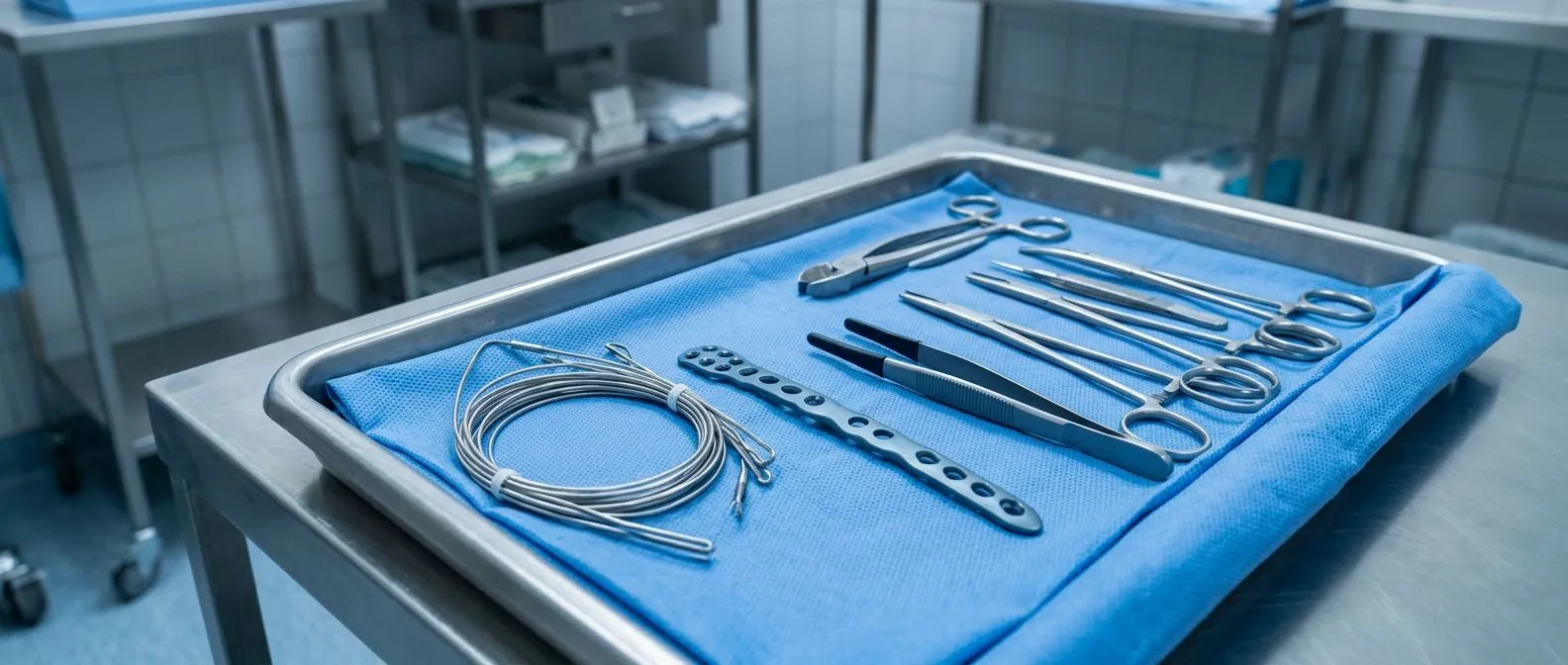
Verify training and credentials. Look for a surgeon with named fellowship training in cardiothoracic surgery, not a general surgeon who "also does hearts." Ask where they trained, which hospitals they operate in, and whether they hold certifications recognized internationally. Many leading Mexican cardiac surgeons trained in the United States, Canada, or Europe, and this should be verifiable, not just claimed on a website.
Ask about the specific procedure you need. A surgeon may be excellent at bypass surgery and rarely perform mitral valve repair. Ask how many of the exact operation you need they perform per year, and what their approach is, conventional open surgery through the breastbone, a minimally invasive approach through small incisions, robotic surgery, or a transcatheter route like TAVR. A trustworthy surgeon recommends the less invasive option only when the evidence supports it for your specific anatomy, not because it sounds better in a brochure.
The second opinion test. A confident, ethical team welcomes a second opinion. We encourage second opinions and treat seeking one as a normal part of deciding about heart surgery, because a decision this large should survive scrutiny. If a program pressures you to decide within days, or discourages you from showing your records to another surgeon, walk away.
Who we are. We are a multidisciplinary team of cardiac surgeons led by Dr Alejandro Molina, with consulting rooms in Guadalajara, Querétaro and Hermosillo, covering valve disease, coronary disease, the aorta and structural heart conditions through conventional, minimally invasive, robotic and transcatheter procedures. Dr Molina performed the first robotic mitral valve repair in the Ángeles Health System and the first robotic heart surgery in Guadalajara, after training at the Universidad de Guadalajara, the University of Montreal and CHU Bordeaux.
Heart Surgery Abroad Preparation: the Pre-Travel Checklist
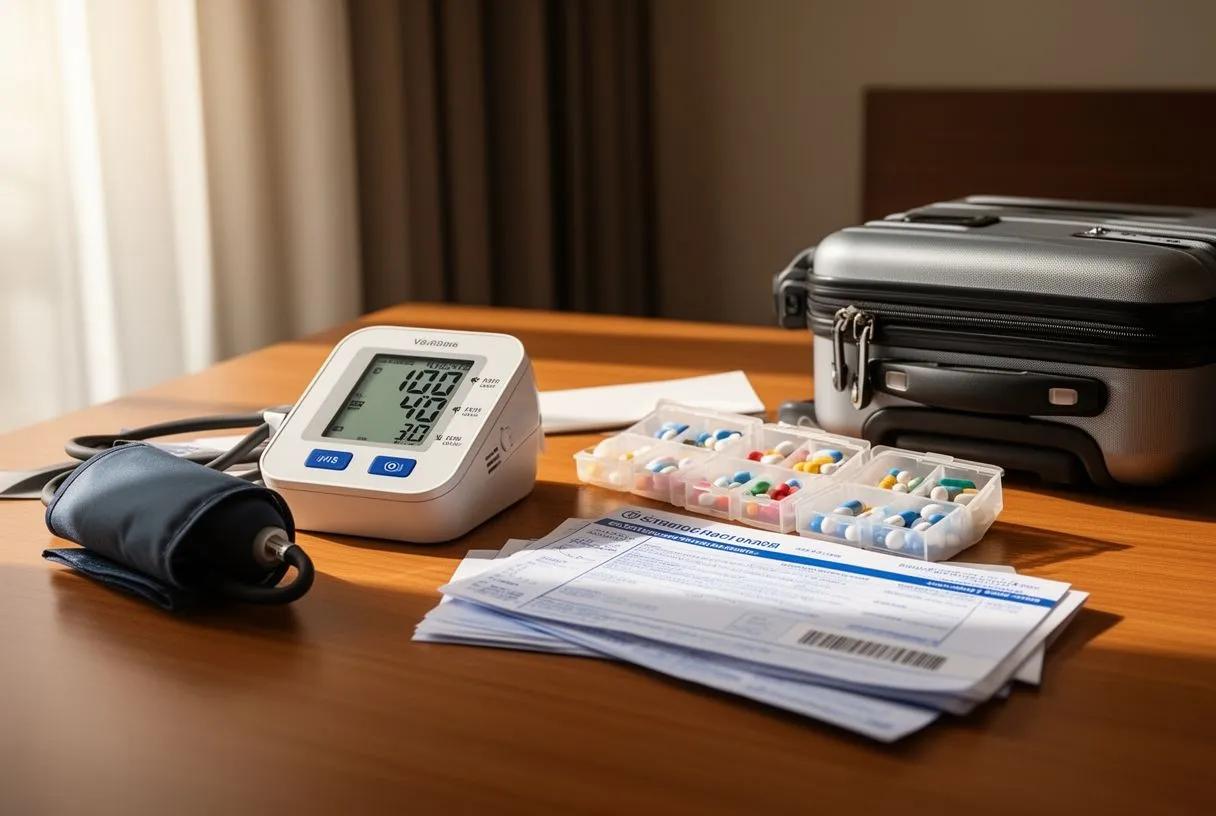
Documents and studies. Heart surgery abroad preparation starts with paperwork, not flights. Before any surgeon can plan your operation, they need a defined diagnosis and recent imaging. Collect these before you book anything:
- Complete cardiac workup: recent echocardiogram, coronary angiogram or CT angiogram, blood work, chest X-ray, and ECG, ideally from the past three months.
- Full medical records: your medication list, allergies, prior surgeries, and any letters from your cardiologist, translated if possible.
- Written surgical plan: the named surgeon, the named hospital, the exact procedure, the alternatives, and the total price in writing, including what happens if complications occur.
- Logistics in order: passport, entry requirements, someone who travels with you, and lodging near the hospital for the entire recovery window your team specifies.
- Contingency planning: know which hospital would treat you if a complication arose after you left the surgical hospital, and whether your insurance would cover it.
The first conversation should be free of pressure. Our first contact is a free video consultation: we get to know the patient, talk through the condition, and say exactly which studies are still needed so no unnecessary ones are ordered; a face-to-face visit follows only when the patient decides to go ahead. Notice the structure there. A program that orders studies you do not need, or that quotes surgery before seeing your echocardiogram, is pricing a product, not planning an operation.
Plan the calendar, not just the flight. Build in days of rest on arrival, in-person preoperative evaluation at the hospital, the operation and its hospital stay, and then a recovery period before flying home. Ask your surgical team for the minimum safe interval before air travel for your specific procedure, and add margin.
Traveling for Heart Valve Surgery: What to Know Before You Fly
Which valve, and which route. Traveling for heart valve surgery is one of the most common reasons patients cross a border for cardiac care. The aortic valve, the most frequently replaced, can be treated with surgical replacement or, in suitable patients, with TAVR, a transcatheter procedure that replaces the valve through a catheter, usually entered at the groin, without opening the chest. The mitral valve, between the left atrium and left ventricle, is more often repaired than replaced, and repair is the preferred option when the anatomy allows it.
Timing around the operation. Your valve team should decide, in advance, how your travel schedule interacts with your anticoagulation. Some valve patients take blood thinners that must be managed carefully before surgery. Flying while on these medications, or interrupting them without a plan, raises the risk of clots or bleeding. Bring this up in your first consultation, not the week before surgery.
What recovery involves. In the consultation we take the time to explain what the studies actually show, in plain words, and to answer every question before any decision, including exactly what the recovery will demand of the patient and the family. For valve surgery, that usually means days in the hospital, weeks of gradually increasing walking, and several months before lifting, driving, and work return to normal. Ask how follow-up will work once you are home, and who you call if something worries you at three in the morning.
Coronary Bypass Surgery Tourism: Planning CABG Abroad
When bypass is the answer. Coronary bypass surgery tourism is the second major category of cardiac travel. In CABG, the surgeon takes a healthy vessel, often an artery from the chest wall or a vein from the leg, and grafts it around a blocked coronary artery so blood reaches the heart muscle again. It is one of the most studied operations in medicine, with well-established indications: significant blockages in multiple coronary arteries, blockages the catheter cannot treat, or disease patterns where bypass offers better long-term outcomes than stents.
Stents versus bypass is a real decision. Many patients travel believing they need one specific treatment, when in fact their anatomy could be addressed two ways. A program worth trusting will lay out both options with their trade-offs. Because our team performs conventional, minimally invasive, robotic and transcatheter procedures, we can recommend the less invasive route only where the evidence actually supports it for that patient, and say so plainly when open surgery is the better answer.
Stability before travel. Bypass candidates often have ongoing angina, chest pain triggered by exertion. Flying with unstable symptoms is genuinely dangerous. If your symptoms are worsening, escalating, or occurring at rest, the safest sequence is usually stabilization and surgery close to home, and an honest remote team will tell you that. Elective, planned bypass in a stable patient is where surgical tourism makes the most sense.
What a real quote includes. A complete price for heart surgery should cover the surgeon's fee, the hospital and intensive care stay, the anesthesia team, the perfusionist who runs the heart-lung machine if one is used, prosthetic valves or grafts, and routine follow-up visits. Anything less than an itemized, written total is a starting point for surprise bills, not a price.
- Ask for the all-in figure: surgeon, hospital, ICU, implants, and standard follow-up, in writing, in one document.
- Ask about complications: what happens financially if bleeding, infection, or kidney injury extends your hospital stay. A serious program answers this without flinching.
- Ask about payment structure: what is paid before surgery, what is refundable, and what the cancellation terms are if your studies change the plan.
Why prices differ so much. Reputable hospitals use the same major manufacturers of valves and grafts used worldwide. But price should never be the deciding variable between two programs of demonstrably different quality. When we prepare a proposal, we include the alternatives, because a patient cannot weigh an option they never saw.

Understanding the Cost of Heart Surgery in Mexico
What a real quote includes. A complete price for heart surgery should cover the surgeon's fee, the hospital and intensive care stay, the anesthesia team, the perfusionist who runs the heart-lung machine if one is used, prosthetic valves or grafts, and routine follow-up visits. Anything less than an itemized, written total is a starting point for surprise bills, not a price.
- Ask for the all-in figure: surgeon, hospital, ICU, implants, and standard follow-up, in writing, in one document.
- Ask about complications: what happens financially if bleeding, infection, or kidney injury extends your hospital stay. A serious program answers this without flinching.
- Ask about payment structure: what is paid before surgery, what is refundable, and what the cancellation terms are if your studies change the plan.
Why prices differ so much. The lower cost of affordable heart surgery in Mexico reflects lower overhead, lower salaries, and currency differences, not inferior implants or technology. Reputable hospitals use the same major manufacturers of valves and grafts used worldwide. But price should never be the deciding variable between two programs of demonstrably different quality. When we prepare a proposal, we include the alternatives and their costs, because a patient cannot weigh an option they never saw in writing.
Heart Surgery Recovery and Travel: When Is It Safe to Fly?
The general window. After open-heart surgery, most teams consider commercial flights reasonable several weeks after the operation, once wounds are healing, the sternum is stable, and the patient can walk comfortably and manage fluids. After minimally invasive or transcatheter procedures, the window is often shorter. This is a general pattern, not a prescription: the interval depends on your operation, your complications, and your lungs, and only your surgical team can clear you.
Flying risks after cardiac surgery. Cabin pressure changes, immobility, and dehydration all raise clot risk, and the sternum needs weeks to heal before luggage is lifted overhead. Pressurized cabins can also aggravate residual air trapped after chest surgery. Plan a seat with legroom, walk during the flight if cleared, and arrange ground transport and a wheelchair if lifting or long walks are restricted.
Build the return into the plan. For a patient traveling from abroad, it helps to set the recovery milestones and the earliest safe travel date before the operation date is booked, so the return journey is part of the surgical plan rather than an afterthought. Ask your team for a written discharge summary, your medication list, and a contact method for questions once you are home.
Red Flags and a Final Safety Checklist
Warning signs in a program. Some patterns should end a conversation immediately. A quote given before your records are reviewed. A refusal to name your surgeon. Pressure to decide in 48 hours. A program that discourages second opinions, promises painless recovery, or offers prices so low they cannot include a proper intensive care stay. WebMD cautions travelers considering surgery abroad to verify facility accreditation and surgeon credentials before committing, and that advice applies doubly when the operation is on the heart.
Signs of a program you can trust. The good ones are quieter and more detailed. They ask more questions than you expected. They tell you which studies are unnecessary. They explain the risks without being asked. They put the surgeon's name and the hospital's name in writing. They welcome your family on the video call. Our team reviews every case together before a recommendation is made, and we would rather lose an operation than recommend one the evidence does not support.
The bottom line. Surgical tourism for heart surgery works best when it is treated as a medical decision wrapped in a travel plan, not the reverse. Verify the surgeon, verify the hospital, complete your studies, plan the calendar around the operation instead of the other way around, and keep a copy of your Surgical Checklist with your records. Every situation is different, and this article cannot replace an individual review of your own heart. If you are weighing heart surgery and considering doing it in Mexico, the safest next step is a consultation with a qualified cardiac team, where a free video consultation costs you nothing and gives you a real plan to compare. We invite you to start with that conversation, bring every question you have, and take the time you need before deciding.