Hybrid Operating Theatre: Surgery and Catheters in One Room
Hybrid operating theatre heart care combines surgery and catheterization in one advanced room.
What is a hybrid operating theatre heart suite?
A hybrid operating theatre heart suite represents one of the most significant advancements in modern cardiac care, merging the rigorous sterile environment of a traditional surgical operating room with the advanced imaging capabilities of a catheterization laboratory. For patients facing complex cardiac conditions, this means that surgeons and cardiologists can work together in the exact same space, during the same procedure, without needing to move you from one room to another. This integration is particularly vital for patients who may require both structural repair and vascular intervention at the same time.
Combining open surgery and minimally invasive techniques allows your medical team to adapt in real time to your specific anatomy. If a surgeon begins a minimally invasive approach and realizes that an open procedure is necessary for your safety, they can immediately transition without delay. This flexibility is crucial for patients who may have severe atheromatous plaque buildup or other anatomical complexities that make standard catheter approaches too risky. The ability to pivot ensures you receive the most effective treatment without compromising safety.
In a traditional setting, if a patient needed both a bypass and a stent, they might require two separate procedures on different days, increasing overall stress on the body and prolonging recovery. The hybrid suite eliminates this fragmentation of care. By having both capabilities available simultaneously, your team can address multiple issues at once, which generally translates to fewer overall procedures and a gentler, more consolidated recovery process. Research highlighted by The Lancet has shown that integrating surgical and percutaneous interventions can significantly improve outcomes for high-risk cardiac patients, validating the hybrid approach for complex cases.
How does a hybrid operating theatre heart room work?
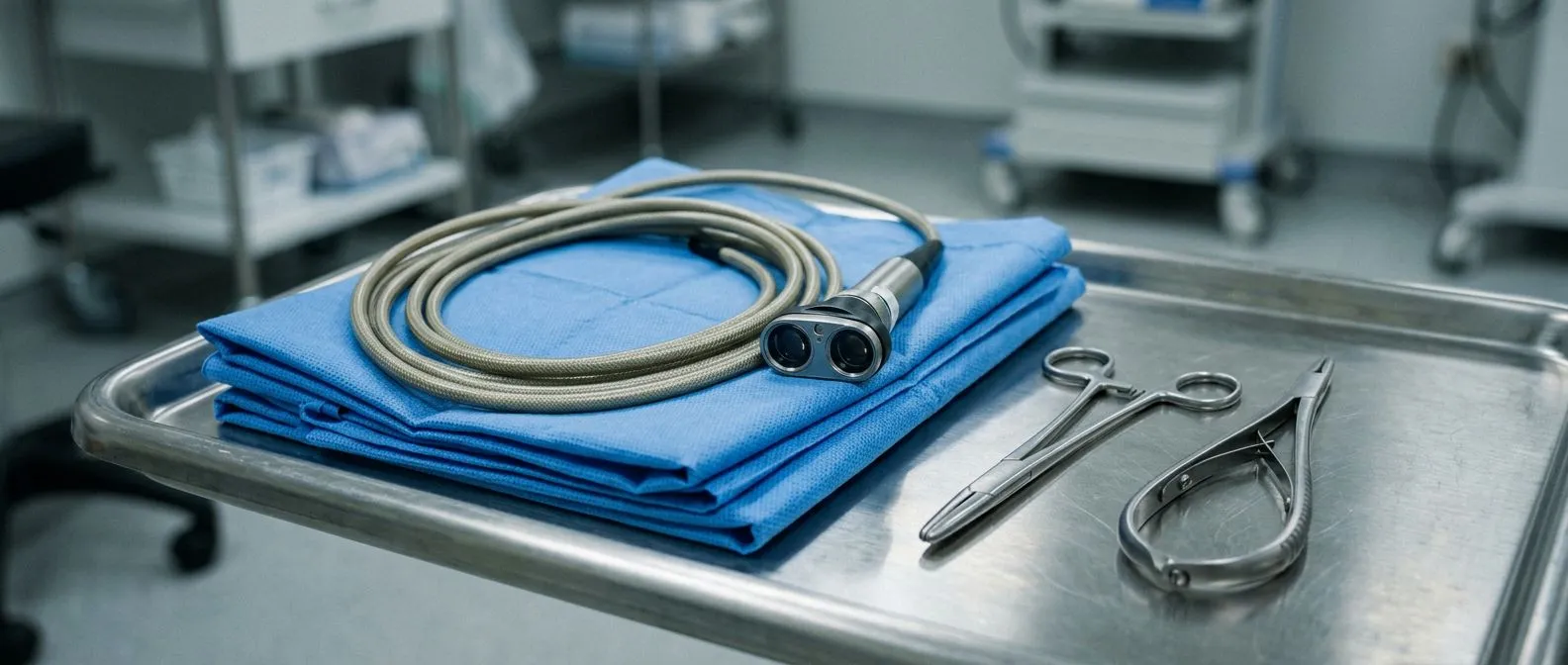
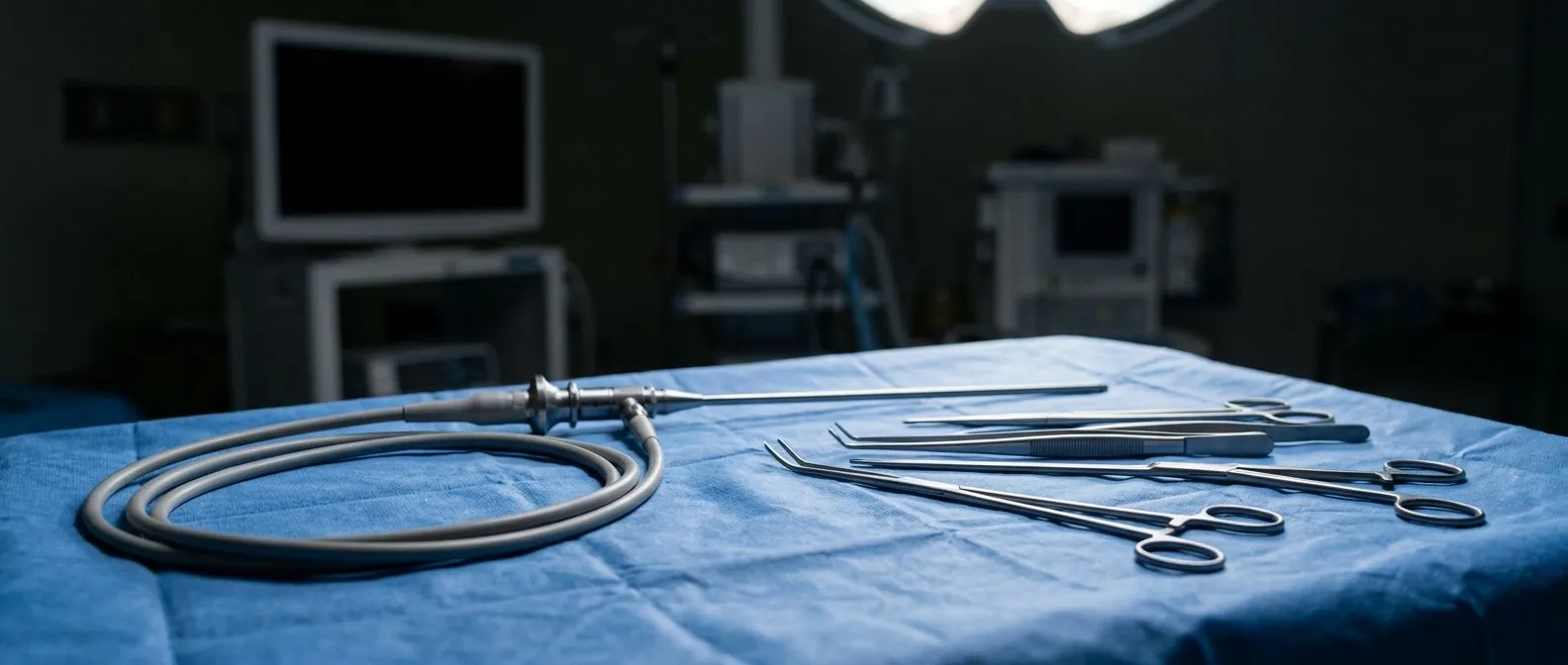
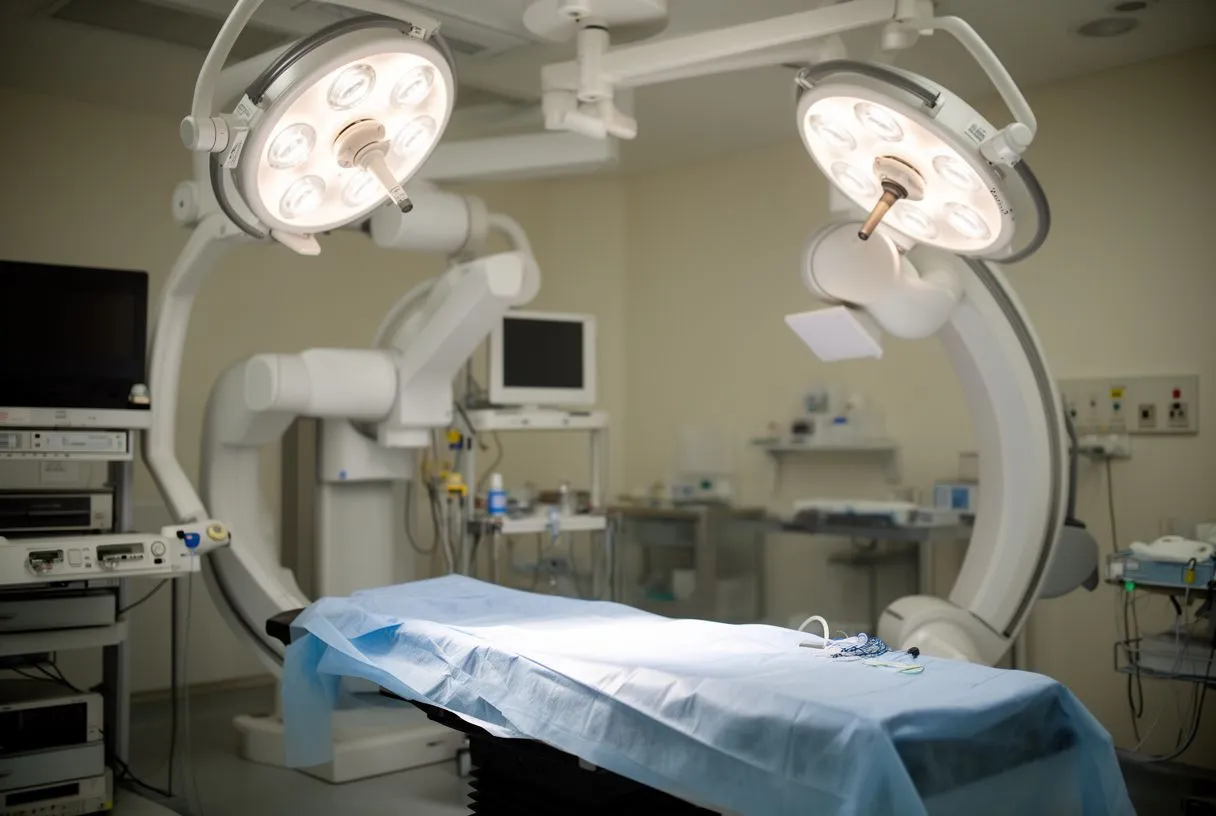
The physical layout of a hybrid operating theatre heart room is engineered for maximum flexibility and patient safety. At the center of the room is a standard operating table, but suspended from the ceiling are large, high-resolution imaging screens and advanced C-arm fluoroscopy machines. These imaging tools provide real-time, three-dimensional views of your heart and blood vessels, allowing the medical team to navigate catheters with pinpoint accuracy while maintaining a fully sterile surgical field.
Real-time imaging guidance during cardiac procedures fundamentally changes how surgeons approach complex anatomy. For example, when treating the ascending aorta, the largest artery in the body, precise visualization is essential to avoid catastrophic complications. The imaging technology in the hybrid suite allows the surgeon to see exactly where an arterial graft is placed or where an arterial cannula is inserted for bypass support, ensuring perfect alignment and blood flow before closing the chest.
The integration of these tools means that if a patient experiences a sudden arrhythmia like atrial flutter during a procedure, the team can immediately use mapping and ablation catheters right there in the suite. Having these resources immediately available reduces the risk of complications and allows the surgical team to manage unexpected events with speed and precision. A study discussed in the context of a wearable cardioverter-defibrillator in suspected myocarditis underscores the importance of rapid technological response in unstable cardiac scenarios, a principle that hybrid suites embody perfectly.
What conditions need a hybrid operating theatre heart approach?
A hybrid operating theatre heart approach is typically reserved for complex conditions that cannot be fully resolved by either surgery or catheterization alone. One common scenario is severe coronary artery disease combined with structural heart disease. For example, patients with high levels of apolipoprotein B, a protein strongly linked to aggressive plaque buildup, may have extensive coronary blockages that require bypass surgery, alongside a heavily calcified valve that needs replacement.
Treating complex coronary and structural heart disease together requires a highly coordinated team. Some patients may need a minimally invasive valve replacement alongside a balloon angioplasty for a blocked artery. By doing both in the hybrid suite, the patient undergoes a single anesthesia session and a single recovery period. This is especially valuable for older patients or those with multiple comorbidities who might not tolerate multiple separate operations well, providing them with a lowest-risk option for their situation.
Another critical application is for patients presenting with an atypical infarction, where the heart attack symptoms do not follow the classic pattern but still cause significant damage. In the hybrid suite, interventional cardiologists can open the blocked artery with a stent, while cardiac surgeons stand ready in case the patient needs mechanical support or an emergency bypass. Some pharmacological interventions for related systemic conditions, as noted in studies like Lenalidomide-Induced Myocarditis, demonstrate how complex medical histories often require multifaceted treatment environments.
Best hybrid operating theatre heart procedures for complex disease
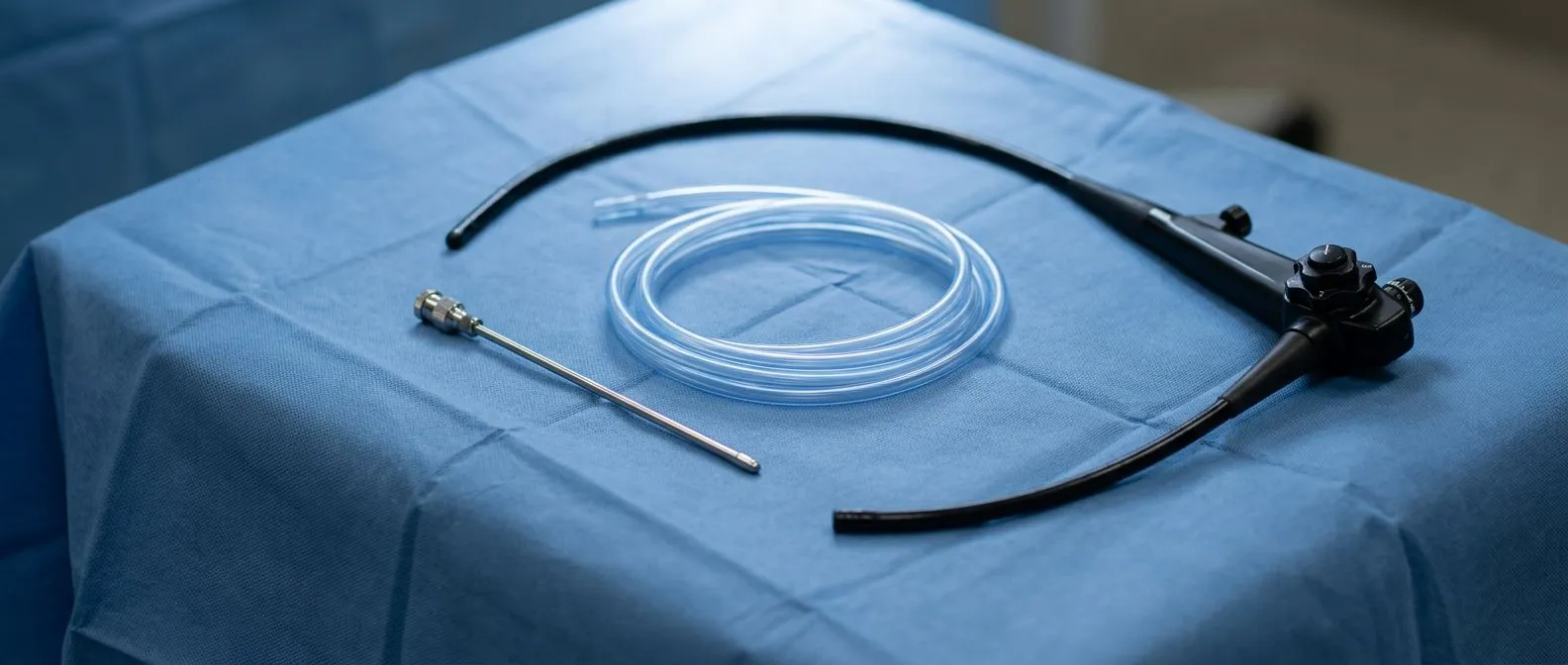
Several specific interventions are best performed in a hybrid operating theatre heart suite because they blur the line between surgery and catheter-based treatments. The most prominent of these is transcatheter aortic valve replacement, known as TAVR. During TAVR, a cardiologist threads a catheter through a blood vessel to deliver a balloon-expandable valve directly into the heart, replacing a diseased valve without opening the chest.
Transcatheter aortic valve replacement (TAVR) and combined approaches benefit enormously from the hybrid environment. While TAVR is often performed entirely percutaneously, having a full surgical setup available means that if the new valve needs adjustment, or if an artery is accidentally torn, the surgeon can immediately convert to an open procedure to repair the damage. This dual capability provides a safety net that a standalone catheterization lab simply cannot offer, making the procedure much safer for delicate patients.
Other procedures include hybrid coronary revascularization, where a surgeon performs a minimally invasive bypass on the front of the heart, and a cardiologist places stents in the back of the heart. When placing a valve or an autograft, the surgeon relies on these combined techniques to ensure precise placement. For patients who need balloon aortic valvuloplasty to prepare the valve before a TAVR, the hybrid suite allows for a seamless transition between these steps.
- Hybrid Coronary Revascularization: Combines minimally invasive bypass with stent placement for complete revascularization.
- TAVR with Surgical Backup: Catheter valve replacement with immediate surgical access if complications arise.
- Complex Aortic Repair: Endovascular stent grafting combined with open surgical repair of the aortic arch.
Hybrid operating theatre heart benefits for high-risk patients
The primary advantage of a hybrid operating theatre heart suite is the ability to minimize surgical trauma for patients who are at high risk for traditional open-heart surgery. Older patients, or those with severe lung disease, kidney failure, or previous heart surgeries, often face significant complications when subjected to long periods on a heart-lung machine. Hybrid approaches can drastically reduce or eliminate the need for these invasive measures.
Reduced surgical trauma and faster recovery are direct results of combining procedures. By treating multiple issues in one session, the patient avoids the cumulative stress of repeated operations. For example, an arterial line for blood pressure monitoring and an autologous blood salvage system can be used efficiently without setting up multiple times. Medication management, including anticoagulants studied in trials like ARISTOTLE, is streamlined into a single recovery protocol.
Furthermore, the precision of the imaging in a hybrid suite allows for smaller incisions. Surgeons can navigate around critical structures with real-time visual feedback, reducing collateral damage to surrounding tissue. This precision is particularly important when operating near the delicate structures of the atrium, where a slight miscalculation could lead to serious complications. The ability to see exactly where you are operating before making a cut is a massive benefit for patient safety.
What to expect during a hybrid operating theatre heart operation
Understanding the flow of a hybrid operating theatre heart operation can ease much of the anxiety patients and families feel before the procedure. When you arrive in the suite, you will notice it looks much larger than a typical operating room, filled with large monitors and specialized equipment. The anesthesiologist will place you under general anesthesia, ensuring you are completely asleep and pain-free throughout the surgery.
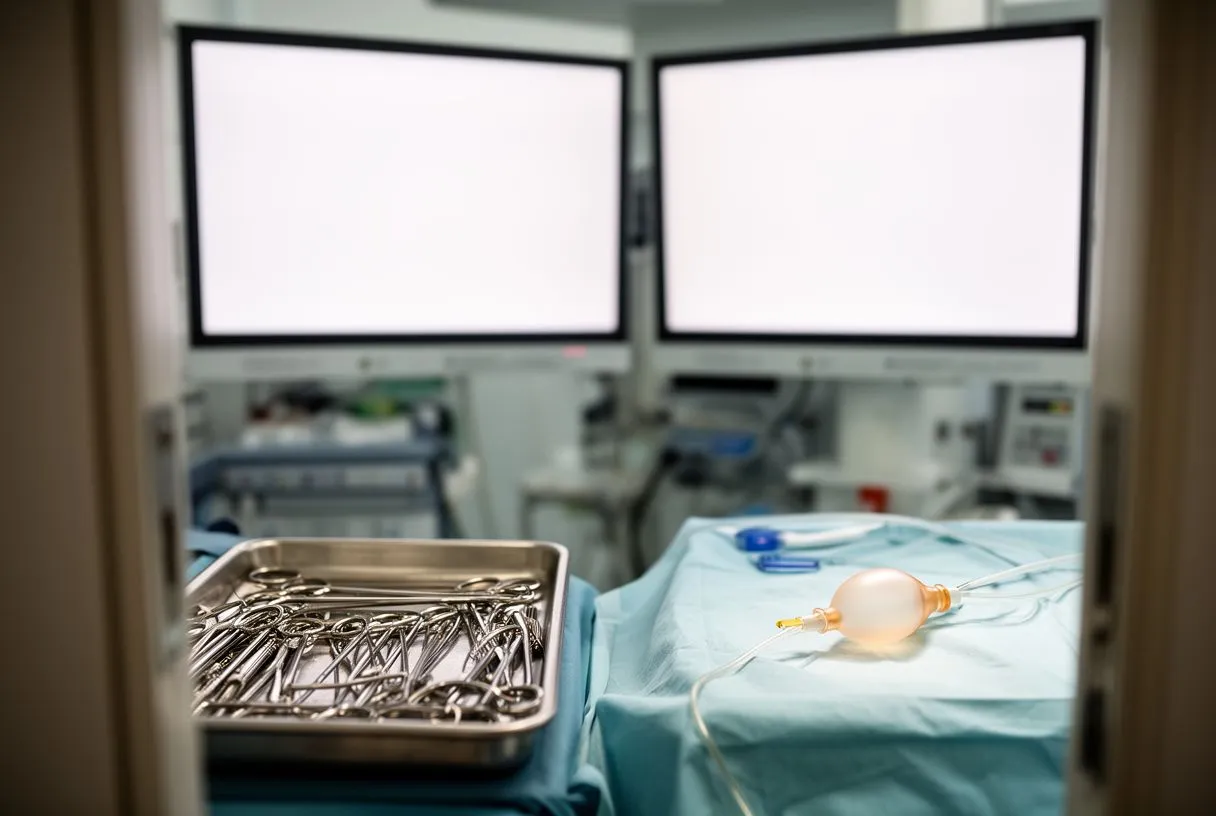
Team coordination between surgeons and cardiologists is the defining feature of your time in the hybrid suite. A cardiothoracic surgeon and an interventional cardiologist will work side by side, often communicating through live images on the overhead screens. If a catheter-based stent is being placed, the cardiologist takes the lead, while the surgeon monitors the overall stability of the patient, ready to assist if an open approach becomes necessary.
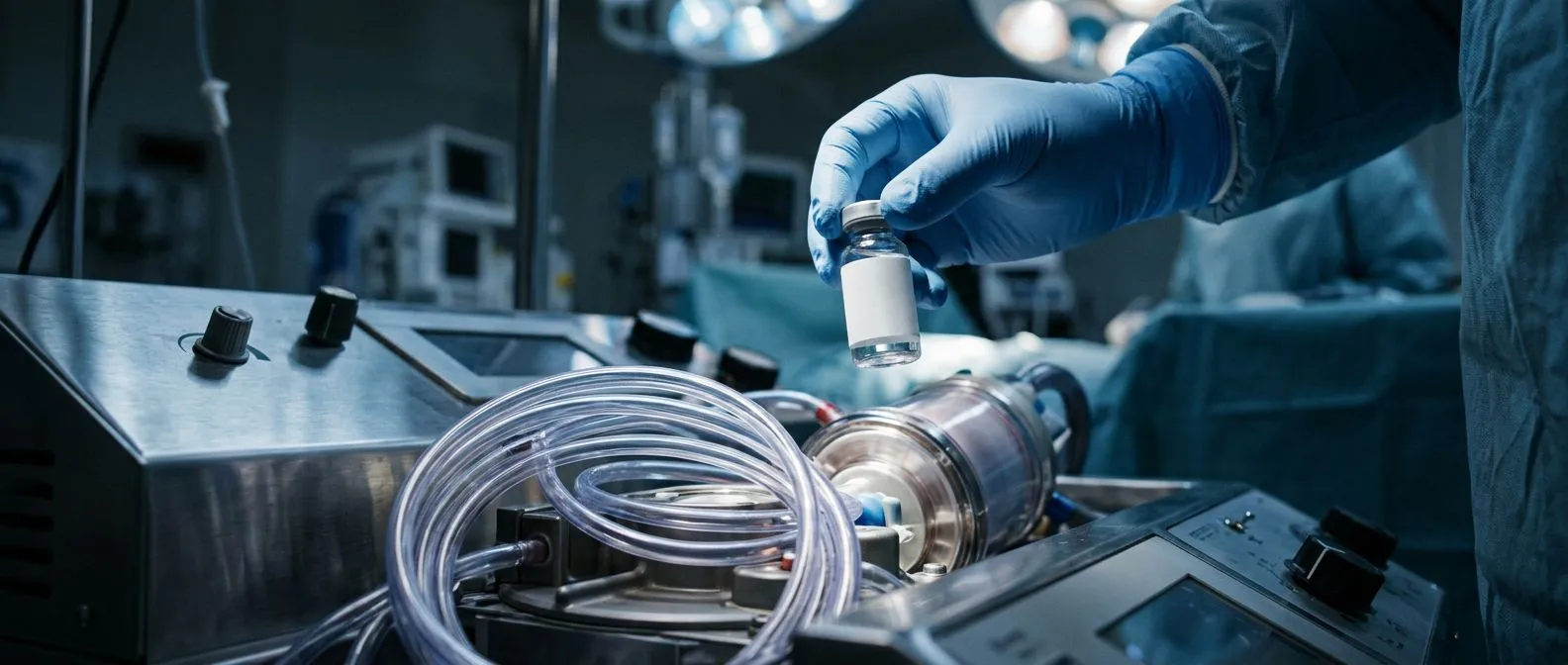
During the procedure, the team uses advanced monitoring to track every aspect of your cardiovascular system. Tools like transesophageal echocardiography provide live ultrasound images of your heart, while traditional auscultation techniques and continuous hemodynamic monitoring ensure your blood pressure and oxygen levels remain stable. This comprehensive oversight is what makes the hybrid environment so safe, as every change in your condition is instantly visible to the entire team.
Recovery timeline after hybrid operating theatre heart procedures
Recovery after a hybrid operating theatre heart procedure is often faster than after traditional open-heart surgery, though the exact timeline depends on the specific interventions performed. Because hybrid procedures often use smaller incisions and minimize the time spent on a heart-lung machine, patients typically experience less pain and fatigue. Most patients will spend the first night in the intensive care unit for close monitoring before transferring to a regular ward.
Post-operative care and monitoring milestones focus on gradual mobilization and prevention of complications. You will be encouraged to sit up and walk short distances within the first day or two. Medications will be carefully managed, including aspirin to prevent blood clots and specific drugs to manage any underlying arrhythmias. Your care team will also closely watch for any signs of arm pain or discomfort at the catheter insertion site.
Once discharged, the recovery continues at home. It is normal to feel tired for several weeks, but your stamina should improve steadily. Cardiac rehabilitation is a crucial part of the process, helping you rebuild strength safely under professional supervision. Your medical team will schedule regular follow-up appointments to monitor your progress and ensure that the grafts, stents, or valves are functioning as intended.
Are hybrid operating theatre heart procedures safe?
Safety is the foremost concern for any patient considering a hybrid operating theatre heart procedure. While these suites are designed to handle complexity, they are not entirely without risk. The combined approach is generally considered to offer a superior safety profile for high-risk patients because it reduces the physiological burden of surgery, but every cardiac procedure carries inherent risks of bleeding, infection, or stroke.
Comparing risks to traditional open heart surgery reveals why hybrid suites are so valuable. In a traditional setting, if a minimally invasive procedure fails, the patient must be rushed to a separate operating room, losing critical time. In a hybrid suite, the transition is instantaneous. The presence of an awake ecmo system or rapid cannulation options means that if the heart suddenly fails, the team can immediately establish circulation, a capability that saves lives.
The integrated environment also allows for better management of unexpected complications. If a patient experiences a sudden cardiac arrest during a catheter-based intervention, the team can immediately deploy an automated external defibrillator and transition to surgical support without moving the patient. This immediate access to every possible life-saving tool is the core reason hybrid procedures are considered exceptionally safe for the right candidates.
- Immediate Surgical Rescue: Instant transition from catheter to open surgery if needed.
- Reduced Anesthesia Time: Single session for multiple complex problems.
- Comprehensive Imaging: Real-time 3D visualization of the heart throughout the procedure.
Navigating the financial aspects of a hybrid operating theatre heart procedure can be complex, especially for international patients. Because these suites require millions of dollars in advanced technology, the cost of a procedure in a hybrid room can be higher than a standard catheterization. However, because a hybrid approach often eliminates the need for multiple separate procedures, the total cost of care can sometimes be lower overall.
Insurance coverage and international patient considerations require careful planning. If you are traveling from abroad to a center like Cirugía de Corazón in Mexico, your insurance may or may not cover the procedure. It is essential to work closely with the hospital's international patient office to understand the full quote, which should include surgeon fees, anesthesia, imaging, and post-operative care. They can help you navigate letters of medical necessity for your insurance company.
When evaluating the cost, consider the value of a single, comprehensive treatment. Avoiding a second or third surgery not only saves money but also prevents lost wages and the emotional toll of repeated recoveries. Be sure to ask your cardiac team about all available financing options and payment plans, as many leading centers are accustomed to working with patients from diverse financial backgrounds to ensure they receive necessary care.
Cost and insurance for hybrid operating theatre heart procedures
Managing the financial side of a cardiac procedure in a hybrid operating theatre can be complex, especially for international patients. Because these rooms require millions of dollars of advanced technology, the cost of a procedure in a hybrid theatre can be higher than that of a standard catheterisation. However, because a hybrid approach often removes the need for several separate procedures, the total cost of care can sometimes be lower.
Insurance coverage and considerations for international patients require careful planning. If you travel from abroad to a centre such as Cirugía de Corazón in Mexico, your insurance may or may not cover the procedure. It is essential to work closely with the hospital's international patient office to understand the full estimate, which should include the surgeon's fees, anaesthesia, imaging and postoperative care. They can help you with letters of medical necessity for your insurance company.
When weighing the cost, consider the value of comprehensive treatment in a single session. Avoiding a second or third operation not only saves money; it also spares you lost income and the emotional toll of recovering more than once. Be sure to ask your Heart Team about all the financing options and payment plans available, since many leading centres are used to working with patients in different financial situations to make sure they receive the care they need.
When to call your surgeon after hybrid operating theatre heart care
Knowing when to seek medical help after a hybrid operating theatre heart procedure is vital for a safe recovery. While most patients heal without incident, certain symptoms should never be ignored. The transition from hospital to home is a vulnerable time, and your body needs careful monitoring as it adjusts to the new hardware or repaired vessels.
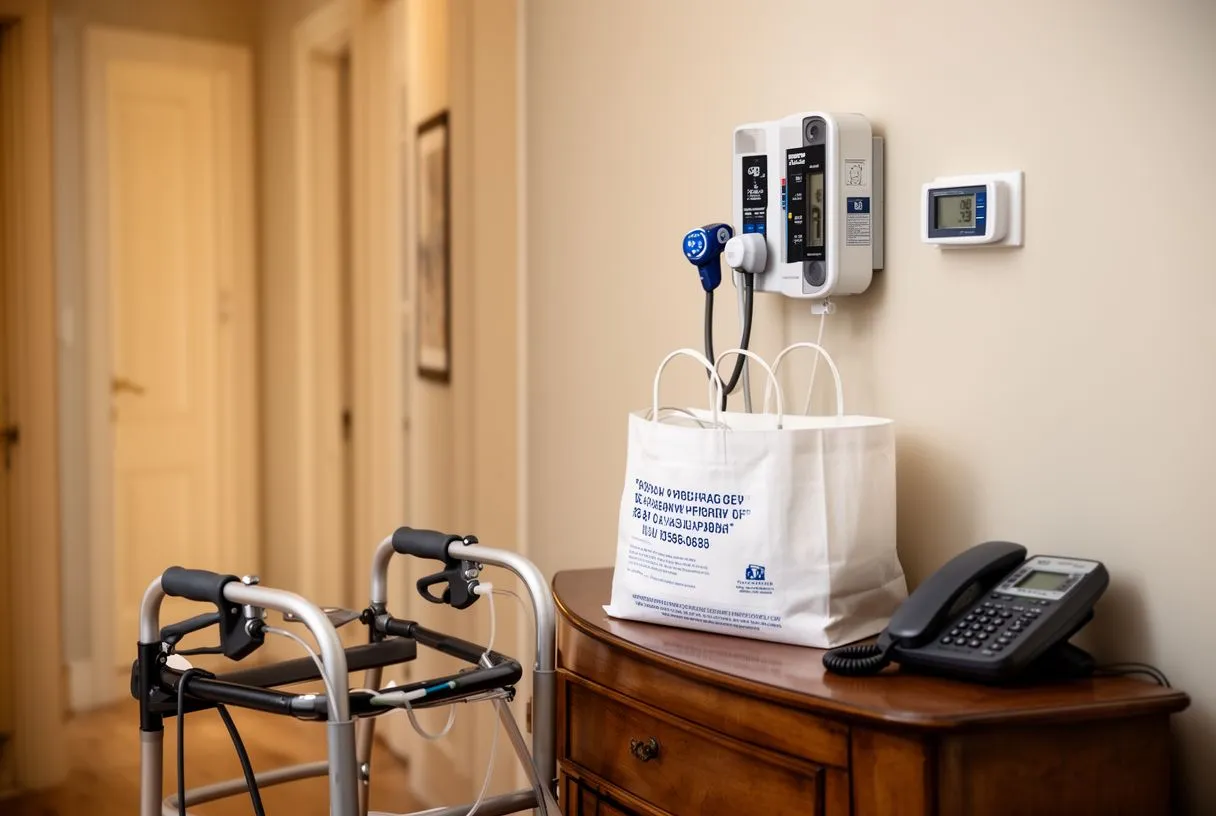
Warning signs and red flags to watch for include any signs of infection at the incision sites, such as increased redness, swelling, or discharge. A sudden return of chest pain, shortness of breath, or fainting spells are medical emergencies. If you notice an irregular heartbeat that feels like a fluttering in your chest, which could indicate atrial flutter, you should contact your cardiologist immediately.
Other symptoms to monitor include unexplained arm pain, which could suggest a problem with a graft or stent, or persistent fevers. It is always better to err on the side of caution and call your surgical team if something feels wrong. We encourage you to discuss your specific risk factors and recovery plan with a qualified cardiac team and to book a consultation rather than self-diagnosing.