

Conduction Block
Learn about conduction block types, symptoms, and treatments.
What is a conduction block?
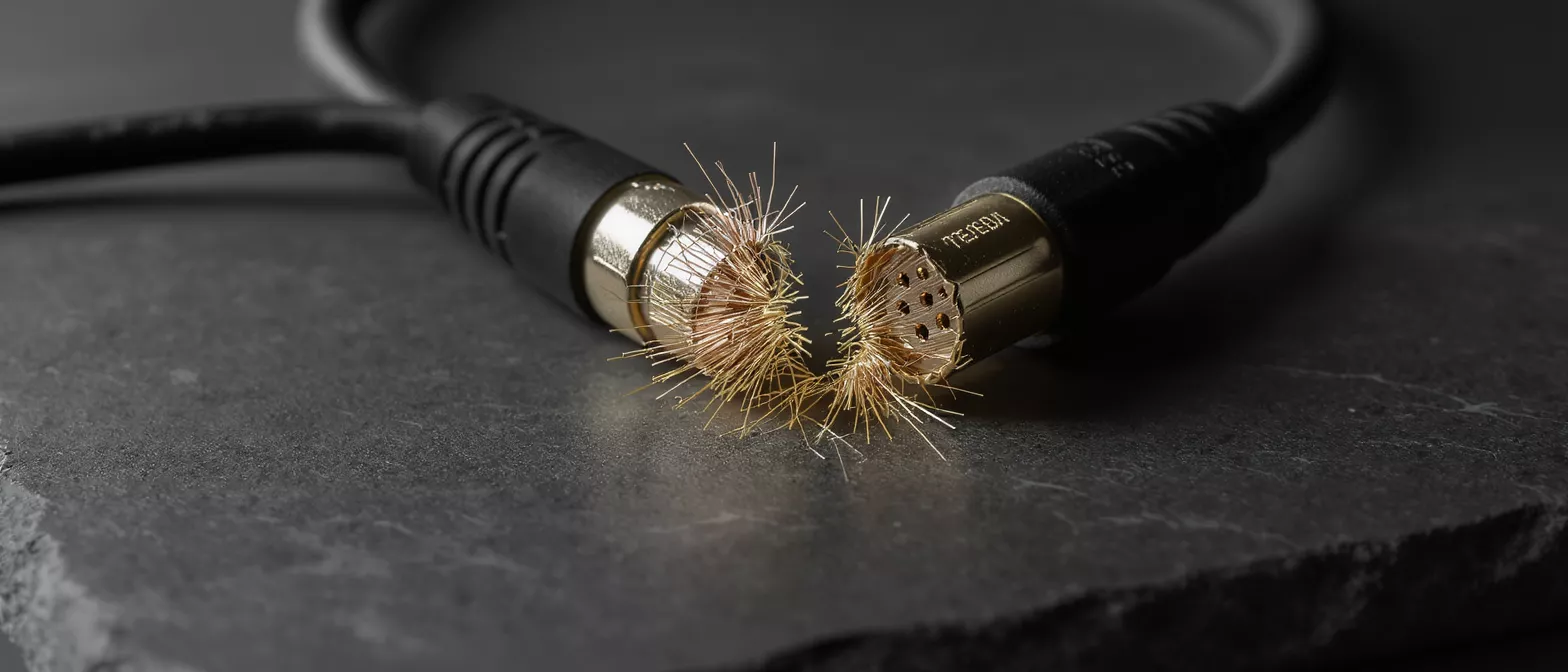
A conduction block is an electrical disorder within the heart's natural wiring system. In a healthy heart, precise electrical signals travel from the upper chambers down to the lower chambers, coordinating every heartbeat. When a block occurs, these signals are delayed or completely interrupted, causing an abnormal heart rhythm.
Understandably, hearing the phrase "heart block" can sound alarming to a patient or a family member. It is helpful to know that a conduction block does not mean your heart is broken or physically blocked in the traditional sense; rather, it simply means the electrical communication needs medical attention. Many people live long, healthy lives once the specific type of block is identified and properly managed.
Cardiologists categorize these blocks based on where the delay happens and how severe it is. Understanding the exact location of the disruption helps your surgical and medical team create a safe, effective plan tailored specifically to your heart's needs.
How does the heart conduction system work?
What is the sinoatrial (SA) node? The SA node is your heart's natural pacemaker, a tiny cluster of cells located in the right upper chamber (atrium) that generates an electrical impulse. This signal spreads across the atria, prompting them to contract and push blood into the lower chambers.
What is the atrioventricular (AV) node? The AV node acts as a critical relay station sitting on the border between the upper and lower chambers. It briefly pauses the electrical signal to allow the ventricles to fill with blood before passing the signal down to initiate a heartbeat.
Below the AV node, the signal travels through specialized fibers known as the bundle of His and the left and right bundle branches. Any disruption across this pathway can result in a partial or complete block.
What are the types of cardiac conduction block?
First-degree AV block: This is the mildest form, where electrical signals are simply delayed slightly longer than normal as they pass from the atria to the ventricles. It often goes unnoticed and requires no direct treatment.
Second-degree AV block: In this category, some electrical signals reach the lower chambers while others do not. It is divided into two types: Mobitz I, which is usually benign and occurs at the AV node, and Mobitz II, which is more serious and often requires medical intervention.
The most severe form is complete heart block, also known as third-degree AV block. In this condition, no electrical signals travel from the upper to the lower chambers. The ventricles must rely on a slow backup pacemaker, which usually requires the implantation of a permanent device to maintain a safe heart rate.
What are the common heart block symptoms?
Many patients with a mild conduction block experience absolutely no symptoms at all. The condition is frequently discovered by accident during a routine physical exam or a standard electrocardiogram (ECG) performed for an entirely different reason.
When symptoms do occur, they typically stem from the heart beating too slowly to meet the body's demands. This sluggish pumping action can lead to reduced blood flow to the brain and muscles, causing distinct physical signs that should not be ignored.
- Diagnosis signs: unexplained fatigue, profound dizziness, or feeling lightheaded upon standing
- Rhythm symptoms: palpitations, a sensation of skipped beats, or a noticeably slow resting pulse
- Severe indicators: chest discomfort, shortness of breath, or fainting (syncope)
How is an atrial AV block diagnosed?
The primary tool for diagnosis is the 12-lead electrocardiogram (ECG). This quick, painless test records the heart's electrical activity from multiple angles, allowing a cardiologist to pinpoint exactly where a signal is being delayed or blocked.
Because a conduction block can come and go, a standard in-office ECG might not catch the irregularity. In such cases, your doctor may ask you to wear a Holter monitor or a continuous event recorder for 24 hours to several weeks to capture a detailed log of your heart's rhythm during daily life.
Cardiac electrophysiology studies offer an even deeper diagnostic look. By threading thin, flexible wires through a vein into the heart, an electrophysiologist can map the electrical pathways in real-time, determining the exact location and severity of the conduction block to guide the best treatment strategy.
What causes a heart conduction block?
Aging is one of the most common causes, as the heart's natural wiring gradually degrades or develops fibrosis over time. This age-related wear and tear is entirely natural and explains why heart blocks are frequently seen in older adults.
Another major cause is ischemic heart disease, such as a previous heart attack. When a portion of the heart muscle is starved of oxygen and sustains damage, the resulting scar tissue can permanently sever the electrical pathways that coordinate a normal heartbeat.
Other contributing factors include advanced cardiac monitors for tracking the condition, as well as medications used to control high blood pressure or other arrhythmias, which can inadvertently slow electrical signaling. Inflammation of the heart muscle from myocarditis or rare genetic conditions can also trigger a block.
What is left bundle branch block vs right bundle branch block?
After the AV node, the electrical pathway splits into two main branches leading to the left and right ventricles. A bundle branch block means one of these specific pathways is delayed or blocked, causing one side of the heart to contract slightly later than the other.
Right bundle branch block (RBBB) is relatively common and often benign. Because the right ventricle is smaller and requires less electrical energy, a delay on the right side rarely causes severe symptoms, and many people live entirely normal lives without needing treatment.
Left bundle branch block (LBBB) is taken more seriously because the left ventricle is the main pumping chamber of the heart. LBBB is strongly associated with underlying structural heart disease, and its presence often prompts further testing, such as an echocardiogram, to ensure the heart muscle is pumping efficiently.
What conduction block treatment options are available?
Treatment depends entirely on the severity of the block and the presence of symptoms. For first-degree AV block or an asymptomatic right bundle branch block, active monitoring through regular checkups is often the only necessary course of action.
- Medication review: adjusting or halting drugs that slow electrical conduction
- Pacemaker therapy: implanting a dual-chamber pacemaker to consistently take over the heart's electrical pacing
- Lifestyle adjustments: managing underlying triggers like hypertension and coronary artery disease
When a higher-grade block causes dangerous slowing of the heart rate, a pacemaker becomes the definitive solution. This small device is implanted just beneath the skin, continuously monitoring the heart's natural rhythm and delivering a safe electrical impulse to keep it beating steadily.
Is a complete heart block dangerous?
Complete heart block, or third-degree AV block, is a serious medical condition that requires prompt attention. Without treatment, the heart rate can drop to dangerously low levels, preventing adequate blood circulation to the brain and other vital organs.
Patients with complete heart block often experience fainting spells, severe dizziness, and overwhelming fatigue because the brain is not receiving enough oxygen-rich blood. If left unmanaged, this severe conduction disturbance can ultimately lead to sudden cardiac arrest.
The good news is that this condition is highly treatable. Once diagnosed, the implantation of a reliable pacemaker completely bypasses the blocked area, ensuring that the ventricles beat at a safe, consistent pace and allowing the patient to return to a normal, active lifestyle.
Living with an electrical conduction disorder
Receiving a diagnosis of an electrical conduction disorder can feel overwhelming, but modern cardiology offers excellent tools for management. Whether you require simple observation or a pacemaker, understanding your specific type of block empowers you to take control of your health.
Regular follow-ups with your cardiologist ensure your heart's electrical system is consistently evaluated. If you ever require cardiac surgery for other structural issues, your surgical team will carefully account for your conduction block to ensure your safety throughout the procedure.
By staying informed and using a continuous heart rhythm monitor as directed, patients with a conduction block can live full, active lives. Understanding the condition transforms a frightening term into a manageable aspect of your everyday wellness journey.






