

Cryoanalgesia
Learn how cryoanalgesia provides targeted pain relief after heart surgery.
What is cryoanalgesia?
When preparing for cardiac surgery, understanding the tools used for your comfort and recovery is essential. Cryoanalgesia is a specialized medical technique that uses extreme cold to provide long-lasting pain relief. By applying precise freezing temperatures to targeted nerves, this treatment temporarily interrupts their ability to send pain signals to the brain. For a patient facing a major procedure like heart surgery, this can mean a significantly more comfortable postoperative experience.
Understanding the basic definition: The term itself combines "cryo," meaning cold, and "analgesia," meaning pain relief. It is a localized approach, meaning it only affects the specific area where it is applied. Your cardiac surgical team may use this method as part of a comprehensive pain management plan to reduce reliance on traditional pain medications.
Why this cold therapy matters to you: Controlling pain effectively after surgery is not just about comfort; it is a critical component of healing. When you are in less pain, you can breathe deeply, cough effectively, and begin moving sooner. These actions are vital for preventing complications like pneumonia after a heart operation. This approach acts as a bridge to help you get back on your feet safely.
How cryoanalgesia works
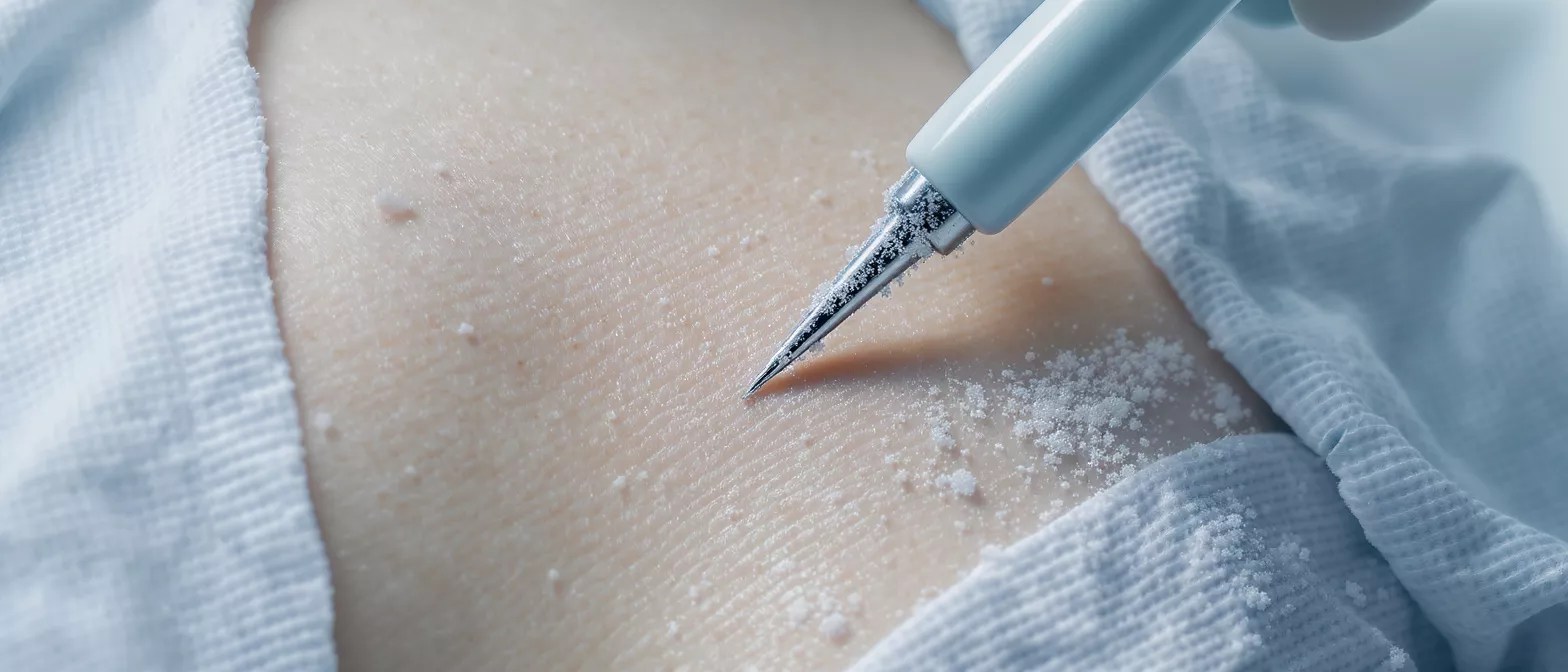
To understand how this technique aids your recovery, it helps to look at the science behind the cold. During cryoanalgesia, a specialized probe delivers extreme cold directly to the outer layers of a targeted nerve. This freezing temperature creates a controlled, temporary injury to the nerve fibers that transmit pain signals, effectively blocking them from communicating with your brain.
Interrupting the pain signals: Think of your nerves as electrical wires carrying messages. The extreme cold acts like a switch that turns off the pain signal temporarily. Because the underlying connective tissue of the nerve remains intact, the nerve can regenerate over time, meaning the pain relief is long-lasting but not permanent.
The procedure is typically performed directly by your surgeon while you are already under general anesthesia for your heart operation. Because the nerve is accessed during the surgery, you will not feel the application of the cold probe. The effects begin immediately, setting the stage for a smoother wake-up in the intensive care unit.
Why cryoanalgesia matters after heart surgery
Heart surgery involves opening the chest wall, which inherently causes significant trauma to the surrounding muscles, bones, and nerves. Managing the resulting acute pain is one of the most immediate challenges in the days following your operation. Effective pain control is directly linked to better surgical outcomes and fewer complications.
Aiding the critical first breaths: After cardiac surgery, taking deep breaths and coughing can be intensely painful. When breathing hurts, patients tend to take shallow breaths, which can lead to fluid buildup in the lungs. By numbing the pain receptors in the chest wall, this cold therapy allows you to perform necessary breathing exercises without severe discomfort.
Enabling early mobilization: Getting out of bed and walking is a crucial milestone in your cardiac recovery. Pain is often the primary barrier to this early movement. With the pain blocked at the nerve level, you can participate more fully in physical therapy, which improves circulation and speeds up your overall healing process.
Is cryoanalgesia safe for cardiac patients?
Safety is naturally the first concern for any patient facing a procedure on their heart. Cryoanalgesia is considered a very safe addition to a cardiac operation because it is localized and does not involve adding systemic medications to your body. It works exclusively at the site where the cold is applied, leaving the rest of your system unaffected.
Minimal systemic side effects: Traditional painkillers, especially opioids, circulate through your entire body. They can cause drowsiness, confusion, nausea, and constipation. Because this cold therapy acts locally on the nerves, it largely avoids these whole-body side effects, which is particularly beneficial for older patients or those with other health conditions.
Your surgeon will evaluate your specific anatomy and surgical plan to determine if this technique is appropriate for you. While it is a powerful tool for managing chest incision pain, it is usually just one part of a broader, multimodal pain management strategy designed specifically for your needs.
What nerves are targeted with cryoanalgesia?
In the context of cardiac surgery, the cold probe is not applied to the heart itself or to any nerves inside the chest cavity. Instead, it is directed at the nerves on the surface of the chest wall. The most common targets are the intercostal nerves, which run along the ribs and supply sensation to the chest area.
Focusing on the chest wall incision: When the surgeon opens the chest for a bypass or valve operation, the nerves surrounding the breastbone and ribs are affected. By applying the cold to these specific intercostal nerves, the intense pain signals generated by the chest incision are blocked at their source.
By targeting these specific surface nerves, the treatment provides a protective shield of numbness over the surgical site. This helps you tolerate the early movements and breathing exercises required after a sternotomy.
Cryoanalgesia vs traditional pain medication
Traditional pain management relies heavily on medications that affect the whole body. This technique offers a different approach by treating the pain locally at the nerve. Understanding how they complement each other can ease your mind about the recovery process.
- Localized action: Directly freezes the nerve to block pain at the source, avoiding whole-body side effects.
- Systemic relief: Traditional medications manage generalized discomfort but can cause nausea or drowsiness.
- Combined approach: Often used together to lower the total need for heavy painkillers and speed up recovery.
By using the cold therapy to handle the sharp, localized incision pain, your medical team can safely reduce the dosage of intravenous narcotics you might otherwise need. This combined approach often results in a clearer mind and a more comfortable recovery.
What to expect during cryoanalgesia recovery
One of the most reassuring aspects of this technique is that it requires no separate incisions or additional procedures on your part. The application happens while you are asleep in the operating room. When you wake up, you will not feel the cold, but you will notice a distinct lack of sharp pain at the incision site.
The immediate postoperative period: In the days following your surgery, you may notice a numb sensation across your chest. This is the intended effect of the nerve freeze. It allows you to take deep breaths for your respiratory therapy and move your arms without the sharp stabbing pain that typically accompanies sternotomy recovery.
As the weeks pass and the nerves slowly regenerate, sensation will gradually return. You might feel occasional tingling or mild sensitivity as the nerve wakes up. Your surgical team will monitor this healing process during your follow-up appointments to ensure everything is progressing normally.
Benefits of cryoanalgesia in cardiac surgery
The advantages of using cold therapy for pain relief extend far beyond simply keeping you comfortable. By minimizing the trauma of pain, this technique actively supports your body's ability to heal. Patients who experience well-managed pain tend to leave the hospital sooner and return to their daily lives with greater ease.
Reducing the risk of lung complications: Because you can breathe and cough without severe pain, you can clear your lungs effectively. This dramatically reduces the risk of postoperative pneumonia, which is a serious concern after chest surgery.
Improving early mobility: Moving after surgery prevents blood clots and promotes better circulation. When pain does not hold you back, you can walk the halls of the hospital with confidence. The combination of nerve blocking and gentle movement is a cornerstone of modern enhanced recovery protocols.
Who is a candidate for cryoanalgesia?
Determining whether this technique is right for you depends on your specific surgical plan and medical history. It is most commonly offered to patients undergoing major chest wall incisions, such as median sternotomies used in coronary artery bypass or valve replacement surgeries. Your surgeon will evaluate your overall health to decide if it is appropriate.
Evaluating patient suitability: This approach is particularly valuable for patients who may be sensitive to heavy pain medications or those at a higher risk for lung complications. Older patients or those with preexisting breathing issues often benefit greatly from a reduced reliance on systemic narcotics.
It is important to have an open conversation with your cardiac surgeon about your pain management options. They can explain whether this technique will be used and how it fits into your comprehensive recovery strategy.
Frequently asked questions about cryoanalgesia
It is normal to have questions about unfamiliar medical techniques. Many patients wonder how this will affect their long-term sensation or if it adds time to the surgery. The reality is that applying the cold probe takes only a few minutes and adds no significant time to the overall operation.
Will the numbness be permanent? No, the effects of the cold therapy are temporary. The extreme cold creates a reversible block. Over the course of several months, the targeted nerves will naturally heal and regenerate. Normal sensation will gradually return to your chest wall as the nerve fibers recover.
In summary, this technique represents a significant step forward in compassionate, patient-centered surgical care. By blocking pain at its source, it allows you to focus on what matters most: resting, breathing, and rebuilding your strength after heart surgery.






