

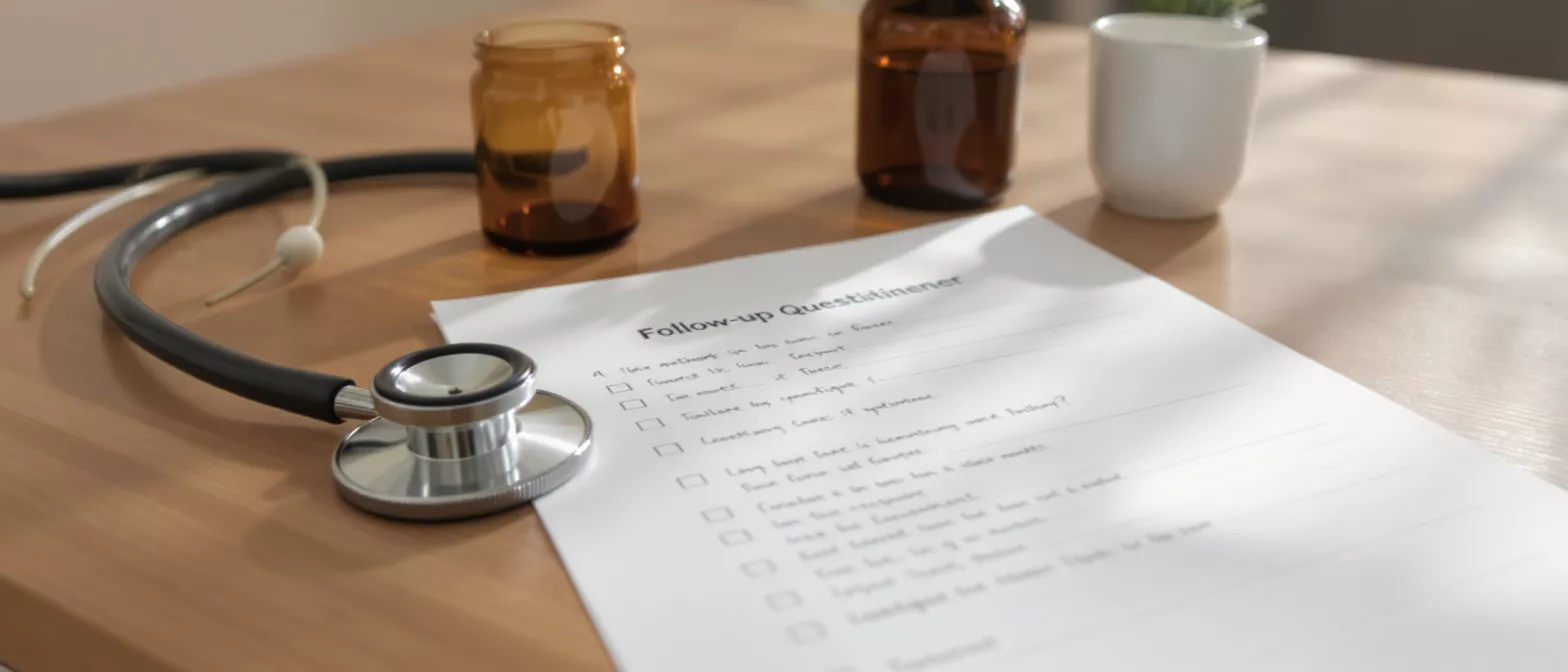
Follow-up Appointment
Learn what a follow-up appointment involves after heart surgery.
What is a follow-up appointment
A follow-up appointment is a scheduled medical visit that takes place after a surgical procedure or major treatment. In the context of cardiac surgery, it is a critical meeting between the patient and their cardiothoracic surgeon or cardiologist. The primary goal is to assess how well the heart is healing, evaluate the overall success of the operation, and identify any early signs of complications before they become serious. This visit is an essential pillar of comprehensive heart surgery aftercare.
For many patients and their families, the period immediately after leaving the hospital can feel overwhelming. The follow-up appointment provides a structured opportunity to bridge the gap between hospital discharge and independent home recovery. It allows the medical team to verify that the patient is tolerating new medications, managing their pain effectively, and safely transitioning back into daily activities. By attending this visit, patients gain clarity on their progress and receive professional reassurance during a vulnerable phase of healing.
Understanding the follow-up appointment meaning goes beyond simply checking a box on a postoperative care schedule. It is a dedicated time for education, adjustment, and collaborative decision-making. The surgeon will evaluate the surgical incision, review diagnostic tests, and ensure that the heart function is stable. Ultimately, this appointment confirms that the patient is on the right track and establishes a clear roadmap for the remainder of their physical rehabilitation.
Why is a follow-up appointment important after heart surgery
Heart surgery is a monumental event that requires significant physiological stress and healing. The importance of a cardiac follow-up appointment lies in the careful, ongoing monitoring of the cardiovascular system as it recovers. Even when a procedure is highly successful, the body must adapt to changes in blood flow, heal incised tissues, and respond to new medications. Regular follow-up care after surgery ensures that these internal adjustments are progressing safely without placing undue strain on the patient.
These visits are fundamentally preventive. During a post-surgery follow-up, the medical team looks for subtle indicators of potential issues, such as fluid retention, irregular heart rhythms, or minor signs of infection at the incision site. Catching these concerns early transforms potential emergencies into manageable, treatable conditions. The surgeon or cardiologist can adjust medications, order specialized physical therapy, or provide specific lifestyle guidance to protect the long-term integrity of the surgical repair.
Attending every scheduled post-operative appointment builds a continuous medical record of the patient's recovery trajectory. This longitudinal view helps the care team distinguish between normal, expected healing and unusual symptoms that warrant further investigation. For the patient, it provides profound peace of mind. Knowing that a dedicated specialist is actively tracking their cardiac recovery reduces anxiety and empowers them to participate more confidently in their own healing process.
What happens during a cardiac follow-up visit
Understanding exactly what to expect during a cardiac follow-up visit helps reduce patient anxiety before arriving at the clinic. The visit typically begins with a thorough physical examination. The physician will carefully inspect the surgical incision on the chest or leg to ensure it is closing properly, free of infection, and showing healthy signs of granulation tissue. They will also listen closely to the heart sounds to detect any murmurs, irregular rhythms, or signs of fluid around the heart.
What vitals are checked: A nurse will measure your blood pressure, heart rate, and oxygen saturation. Blood pressure monitoring is especially critical after heart surgery to ensure the heart is not pumping against excessive resistance, which can strain the surgical repairs. Your weight will also be checked, as sudden weight gain over a few days is a primary indicator of fluid retention, which can compromise heart function.
The physician will then review the patient's current medication regimen in detail. Cardiac medications, such as beta-blockers, blood thinners, or diuretics, often require precise dosing adjustments based on how the patient is responding. The doctor will ask about side effects, dizziness, or changes in breathing capacity. This is also the time for the patient to discuss their emotional wellbeing, sleep quality, and any lingering chest discomfort they may have noticed during their home recovery.
How soon is the first follow-up visit after heart surgery
The heart surgery follow-up timeline is structured to provide the highest level of surveillance during the most vulnerable phases of recovery. The first follow-up visit after heart surgery usually occurs within seven to fourteen days following discharge from the hospital. This initial appointment is heavily focused on wound care, pain management, and ensuring the patient is safely transitioning from hospital-level monitoring to home recovery.
During this early post-surgery checkup, the surgeon will remove any remaining surgical staples or sutures, provided the incision has healed sufficiently. The medical team will assess the patient's tolerance of their new medication schedule and evaluate their ability to perform basic daily tasks without excessive fatigue or shortness of breath. This visit is crucial for catching early complications, such as minor infections or early signs of pleural effusion, before they escalate.
Subsequent appointments are typically spaced further apart as the patient regains strength and stability. A second visit may be scheduled four to six weeks post-operation, followed by a comprehensive assessment at three months, six months, and one year. This staggered schedule allows the cardiology team to gradually transition their focus from acute surgical healing to long-term cardiovascular health and secondary prevention.
How should I prepare for my post-op checkup
Preparation is key to maximizing the value of a post-op checkup. Because the window of time spent directly with the physician is limited, arriving organized ensures all concerns are addressed. Patients should compile a comprehensive list of all medications, including dosages and schedules for any new prescriptions, over-the-counter drugs, or supplements they have started taking since the operation. Bringing the actual pill bottles is often the safest way to prevent any pharmacological misunderstandings.
What records to bring: Always carry your surgical discharge instructions, a list of emergency contacts, and any home monitoring logs. If a patient was instructed to track their daily weight, blood pressure, or heart rate at home, bringing these written logs to the appointment is essential. In some cases, a physician might recommend a reliable home blood pressure monitor to ensure the data collected between appointments is accurate and clinically useful.
It is highly recommended to bring a trusted family member or caregiver to the appointment. Heart surgery recovery can be accompanied by cognitive fatigue, making it difficult to absorb complex medical information. A companion can take detailed notes, ask follow-up questions, and serve as an advocate for the patient's needs. Clear communication during this visit directly impacts the success of the ongoing recovery journey.
What questions should I ask at my cardiac follow-up appointment
Engaging actively in the medical process improves outcomes, and asking the right questions is a vital part of a cardiac follow-up appointment. Patients should feel empowered to inquire about their specific recovery milestones and physical limitations. It is helpful to write down questions as they arise during home recovery, rather than trying to remember them in the stressful environment of the examination room. This ensures that subtle worries are not forgotten or overlooked during the consultation.
Questions about physical activity: Inquire about specific limits regarding lifting, driving, and returning to work. Patients often ask, "When can I resume sexual activity?" or "How much weight is safe to lift right now?" These practical questions allow the surgeon to provide tailored advice based on the stability of the sternum or other surgical access points.
- Medication inquiries: Ask exactly why each new medication is necessary, what side effects to watch for, and whether any prescriptions need to be refilled before the next visit.
- Symptom thresholds: Ask what specific symptoms, such as chest pain or shortness of breath, warrant an immediate emergency room visit versus a simple phone call to the clinic.
- Diagnostic questions: Ask if any follow-up tests, like an echocardiogram or blood work, are needed before the next scheduled appointment.
What tests are done during a post-surgery checkup schedule
A comprehensive post-surgery checkup schedule involves several diagnostic tests designed to provide a clear picture of internal cardiovascular health. The most common test during a follow-up appointment is the electrocardiogram (ECG). This non-invasive test records the electrical activity of the heart, allowing the physician to confirm that the heart rhythm is stable, regular, and free from arrhythmias that can sometimes occur after cardiac procedures.
Blood tests are another standard component of post-operative care. The lab will check for markers of inflammation, assess kidney and liver function, and closely monitor electrolyte levels. If the patient is taking anticoagulant medications or diuretics, these blood tests are strictly necessary to ensure the dosages remain within a safe, therapeutic range. The results help the doctor fine-tune the medication regimen to prevent toxicity or inadequate dosing.
Depending on the specific type of surgery, the physician may order an echocardiogram or a chest X-ray during the cardiac aftercare visit. An echocardiogram uses sound waves to create detailed images of the heart's chambers and valves, confirming that the surgical repairs are functioning correctly. A chest X-ray checks the lungs for fluid and ensures the overall size and position of the heart are normal. These tests give the care team absolute certainty regarding the patient's internal progress.
How does follow-up care affect heart surgery recovery timeline
Consistent follow-up care after surgery has a direct, measurable impact on the overall heart surgery recovery timeline. By adhering to the prescribed schedule, the medical team can identify and address minor setbacks immediately, preventing them from causing significant delays in rehabilitation. If a complication goes unnoticed, it can lead to prolonged illness, hospital readmission, or permanent damage to the cardiovascular system. Regular monitoring actively shortens the path back to normal life.
These appointments serve as checkpoints where the physician can officially clear the patient to advance to the next phase of physical rehabilitation. For example, a patient may be restricted to very light walking for the first four weeks. After a successful six-week follow-up, the surgeon may clear them to begin a structured cardiac rehabilitation program. Without this medical clearance, patients risk damaging their healing tissues by progressing too quickly.
For individuals recovering from vascular or valve procedures, maintaining excellent cardiovascular hygiene is a long-term commitment. During these checkups, the medical team assesses how well the patient is managing lifestyle changes, such as diet and smoking cessation, which preserve the longevity of the surgical results.
When should I call my doctor between follow-up visits after heart surgery
While scheduled appointments are essential, patients must know how to recognize warning signs that require immediate medical attention between regular follow-up visits after heart surgery. The recovery period is unpredictable, and the body can present sudden changes that should never be ignored. The surgical team provides strict discharge guidelines outlining exactly which symptoms cross the line from normal healing into potential medical emergencies requiring urgent intervention.
Patients should immediately contact their cardiologist or surgeon if they experience a fever above 100.4 degrees Fahrenheit, as this can indicate a deep surgical infection. Other red flags include sudden, severe shortness of breath, unexplained weight gain of two or three pounds in a single day, or a return of chest pain that resembles the original cardiac symptoms. Changes in the incision site, such as spreading redness, foul-smelling drainage, or opening of the wound edges, also require prompt professional evaluation.
When in doubt, it is always safer to call the clinic. Triage nurses are highly trained to assess symptoms over the phone and determine if an expedited appointment or an emergency room visit is necessary. Ignoring subtle warning signs out of a desire to wait until the next scheduled appointment can severely jeopardize the surgical outcome. Proactive communication is a fundamental responsibility of the patient and their caregivers during the recovery phase.
Understanding the long-term follow-up appointment in cardiology
Recovery from heart surgery is not a finite event with a distinct endpoint, but rather a transition into a new phase of lifelong health management. After the initial six-month recovery period, follow-up care shifts to long-term surveillance. An annual or bi-annual follow-up appointment in cardiology focuses heavily on secondary prevention, ensuring that the underlying disease processes, such as coronary artery disease or valve degeneration, are strictly managed to protect the surgical repairs.
During these long-term visits, the cardiologist will assess the ongoing efficacy of prescribed medications, monitor blood cholesterol levels, and evaluate blood pressure control. The physician will also continue to reinforce critical lifestyle modifications, including heart-healthy nutrition, stress management, and regular aerobic exercise. These visits are designed to ensure that the structural work done by the surgeon remains functional and viable for as many years as possible.
Ultimately, the long-term postoperative care appointment serves as a partnership between the patient and the healthcare provider. It is an opportunity to celebrate sustained health, adjust treatments as the body naturally ages, and maintain the highest possible quality of life. By committing to lifelong cardiac follow-up, patients take an active role in protecting their heart, honoring the physical and emotional investment they made by choosing to undergo surgery.






