

Mediastinitis
Mediastinitis is a serious infection after heart surgery.
What is mediastinitis
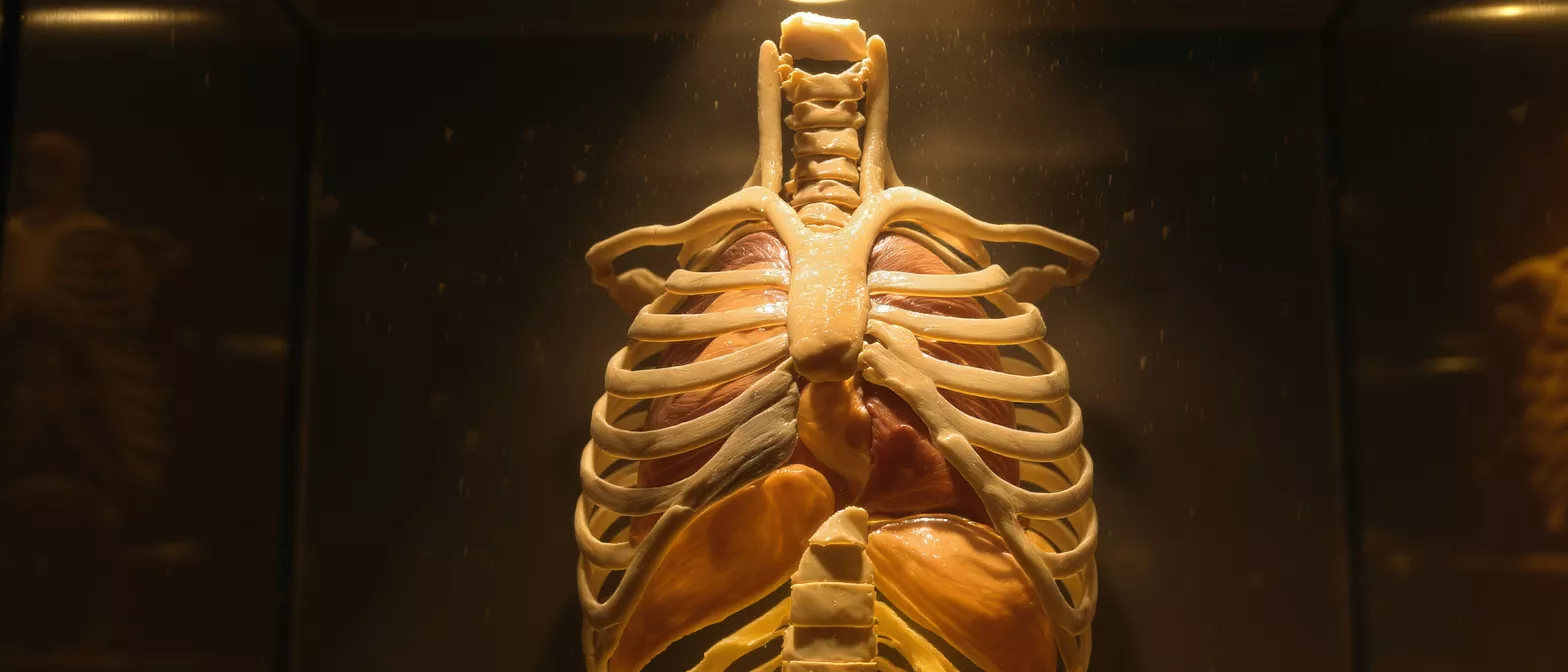
Mediastinitis refers to the inflammation or infection of the mediastinum, the central compartment of the chest cavity. This space houses vital structures including the heart, the great vessels, the trachea, and the esophagus. When you undergo cardiac surgery, the surgeon typically accesses the heart through an incision down the middle of the breastbone, known as a median sternotomy. This approach inherently opens the sterile mediastinum to the outside environment, creating a potential pathway for bacteria to enter.
Understanding the mediastinal space: The mediastinum is normally a clean, tight space enclosed by tough tissues. Because it surrounds the heart, an infection here is not like a superficial skin infection. It is a deep, serious condition that sits in direct proximity to your cardiac structures, grafts, and surgical hardware.
While rare, mediastinitis is recognized as a profound complication of cardiac surgery. It requires immediate medical attention and aggressive management by a specialized surgical team to protect the heart and restore the structural integrity of the chest.
How does mediastinitis affect cardiac surgery recovery
Developing an infection deep within the chest drastically alters the trajectory of a patient's postoperative journey. Instead of healing at home within a few weeks, a patient facing this complication will require prolonged medical care, extended hospitalization, and often additional surgical interventions. It transforms a standard recovery into a complex, multidisciplinary effort.
Impact on the breastbone healing process: The infection frequently compromises the sternum itself, leading to osteomyelitis or an infection of the bone. The breastbone may fail to knit together properly, causing instability. This instability makes breathing painful and coughing difficult, which in turn increases the risk of further lung complications.
Because the infection sits so close to the heart and the surgical grafts placed during procedures like coronary artery bypass, it can threaten the success of the original operation. The body must fight the infection while simultaneously attempting to heal massive surgical wounds. For patients managing these complex recoveries, utilizing a specialized post-surgical recovery support belt can help stabilize the chest wall and reduce painful movement.
What are the symptoms of mediastinitis after heart surgery
Recognizing the signs of mediastinitis early is critical for a successful outcome. Patients and their families must remain vigilant in the days and weeks following a sternotomy. The onset can be subtle at first, but it usually escalates rapidly as the infection takes hold within the chest cavity.
Identifying deep chest infection signs: The most prominent symptom is a persistent, deep chest pain that feels different from the normal incisional soreness of surgery. This pain may worsen when breathing deeply or when shifting positions. Additionally, patients often notice that the breastbone itself feels loose or seems to click or shift when they move.
Systemic signs of infection usually accompany this localized pain. A fever is common, along with chills and a general feeling of extreme fatigue or illness. You might also observe increased redness, excessive heat, or purulent drainage around the sternal incision. If any of these signs appear, it is a medical emergency.
What causes mediastinitis post sternotomy
Mediastinitis after heart surgery is typically caused by bacterial contamination of the mediastinal space during or immediately after the operation. The most frequent culprits are common skin organisms, particularly Staphylococcus species, which can enter the deep tissues when the skin barrier is breached.
How bacteria reach the mediastinum: Bacteria can be introduced through the surgical incision, from the air in the operating room, or from contaminated surgical equipment. In some cases, a superficial wound infection on the surface of the skin can gradually track downward into the chest, eventually reaching the mediastinum. The risk is heightened when the wound edges are under tension or when blood supply to the area is compromised.
Once inside the sterile chest cavity, these bacteria multiply rapidly. The body's immune response creates inflammation and pus, leading to the condition.
Who is at risk for mediastinitis
Certain patient profiles carry a higher baseline risk for developing deep chest infections. Recognizing these risk factors allows surgical teams to implement enhanced preventive measures before, during, and after the operation. Risk is never a guarantee, but rather a metric for tailoring care.
High-risk patient profiles: Patients with poorly controlled diabetes are particularly vulnerable due to microvascular disease and altered immune responses. Those with severe obesity face technical challenges during surgery, often requiring longer operative times. Smokers, patients with chronic lung disease, and those with compromised immune systems also fall into higher-risk categories.
Factors related to the surgery itself also play a significant role. Prolonged operative times, excessive bleeding requiring multiple transfusions, and the need to re-explore the chest shortly after the initial surgery all increase the opportunity for bacterial contamination.
- Metabolic conditions: Uncontrolled diabetes impairs healing and immune response.
- Body habitus: Severe obesity increases technical difficulty and wound tension.
- Lifestyle factors: Smoking restricts blood flow and severely delays tissue repair.
- Operative duration: Extended surgeries increase the time tissues are exposed.
How is mediastinitis diagnosed
Diagnosing mediastinitis requires a high index of suspicion from the surgical team. Because the infection is deep within the chest, it is not always visible to the naked eye. A combination of clinical evaluation, imaging studies, and laboratory tests is necessary to confirm the diagnosis and guide treatment.
Clinical examination and imaging: The physician will inspect the sternal wound for instability, redness, and drainage. They may gently press on the chest to feel for shifting or cracking of the bone. A CT scan of the chest is typically ordered to visualize the mediastinum directly, looking for fluid collections, air pockets, or bone destruction that indicate a deep infection.
Blood tests are crucial for assessing the severity of the infection. Elevated white blood cell counts and inflammatory markers help confirm the diagnosis. If fluid is present, the surgeon may obtain a sample to identify the specific bacteria causing the infection, ensuring the prescribed antibiotics are accurately targeted.
What is the treatment for mediastinitis
Treating this condition requires an aggressive, dual-pronged approach: eradicating the infection and reconstructing the damaged chest structures. Hospitalization is mandatory, and treatment usually begins immediately upon diagnosis to prevent the infection from spreading to the heart or blood vessels.
Surgical debridement and reconstruction: The primary treatment is surgical. The surgeon must reopen the sternal incision to physically clean the mediastinum, removing all infected tissue, pus, and debris. This process is known as debridement. After the area is thoroughly cleaned, the surgeon will reconstruct the chest wall, often using muscle flaps or omental tissue to fill the empty space and provide a robust blood supply to fight the remaining bacteria.
Intravenous antibiotics are administered for several weeks to ensure the infection is completely eradicated.
Can mediastinitis be prevented after heart surgery
While it is impossible to eliminate all risk, surgical teams employ rigorous protocols to minimize the chance of deep chest infections. Prevention begins before the patient enters the operating room and continues until the surgical wounds are completely healed.
Preoperative and intraoperative prevention: Patients are often asked to use antimicrobial washes before surgery to reduce skin bacteria. In the operating room, strict sterile techniques are maintained, and prophylactic intravenous antibiotics are administered. The surgical team also uses precision techniques to stabilize the sternum with strong wires, ensuring the bone edges align perfectly to promote rapid, uninterrupted healing.
Postoperative care is equally critical. The nursing staff monitors the incision closely for any signs of trouble. Patients are encouraged to cough and breathe deeply to prevent lung collapse, but are taught how to splint their chest with a pillow to prevent undue stress on the healing bone.
What is the recovery outlook for mediastinitis
The recovery outlook for patients who experience mediastinitis is generally positive with modern surgical techniques, but the journey is undeniably arduous. It requires immense patience, physical endurance, and close medical supervision over a period of months.
Long-term recovery and surveillance: Because the bone and surrounding tissues have been subjected to severe trauma and infection, healing takes considerably longer than a standard cardiac surgery. Patients will have frequent follow-up appointments to monitor wound healing, assess inflammatory markers, and ensure the infection does not return. Physical rehabilitation is a slow process, gradually rebuilding strength without compromising the reconstructed chest wall.
Despite the severity of the complication, most patients eventually overcome the infection and return to their normal lives. The structural integrity of the chest is usually restored, though some may experience chronic discomfort or altered sensation around the incision site.
- Immediate intervention: Prompt diagnosis and surgical cleaning drastically improve outcomes.
- Extended timeline: Expect a recovery period spanning several months rather than weeks.
- Rehabilitation focus: Physical therapy is essential but must be approached with gradual intensity.
When to contact your cardiac surgeon
Vigilance does not end when you leave the hospital. Understanding when to contact your cardiac surgeon can be the difference between a minor complication and a life-threatening infection. Clear communication with your medical team is a vital part of your care plan.
Warning signs requiring immediate action: If you develop a fever above 38°C (100.4°F), notice unexpected drainage from your sternal incision, or experience sudden, worsening chest pain, you must contact your surgeon immediately. Do not wait to see if the symptoms resolve on their own.
Early intervention is always the best strategy. If you ever feel that your sternal wound looks unusual, or if you feel a new popping or clicking sensation in your chest bone, seek medical evaluation right away. Your surgical team expects these calls and would always rather evaluate a false alarm than miss an early presentation of a deep chest infection.






