

Mediastinitis After Heart Surgery: Signs and Treatment
Mediastinitis after heart surgery can be treated when caught early.
If you or a loved one has recently had open-heart surgery, you may have heard the word mediastinitis and felt a chill. It sounds alarming, and it deserves a careful, calm explanation. Mediastinitis is an infection of the mediastinum, the space in the middle of the chest between the lungs that holds the heart, the great vessels and the lower windpipe. It is one of the most serious complications that can follow cardiac surgery, but it is also treatable, especially when it is caught early. This guide walks you through what happens in the chest after a sternotomy, the warning signs to watch for, how the infection is confirmed and treated, and what recovery really looks like. Our aim is that by the end, you will know exactly which changes matter and when to call your surgical team.
What Is Mediastinitis After Heart Surgery?
To understand mediastinitis, it helps to picture the chest as a sealed room. When a cardiac surgeon opens the breastbone, or sternum, to reach the heart, that room is briefly exposed to the outside world. Most of the time the operating room environment, sterile technique and the body's own defenses close it off again without trouble. In a small number of patients, bacteria find their way into the space behind the breastbone and set up an infection there. That deep infection is what surgeons call mediastinitis, and it is distinct from a superficial skin or fat infection that stays in front of the bone.
Why the depth matters so much. A wound infection that involves only the skin can usually be managed with dressing changes and antibiotics. When the infection reaches the mediastinum, it sits next to the heart, the aorta and the grafts that were just placed. The body cannot wall off that space easily, so the infection can spread along tissue planes. This is why mediastinitis is treated as a surgical emergency rather than a wound problem.
The two main forms. Doctors describe an acute, purulent form, where pus collects quickly in the days or weeks after surgery, and a chronic, fibrosing form, where scar-like tissue slowly builds up in the mediastinum over months or years. After heart surgery, the acute postoperative form is by far the more common concern. Fibrosing mediastinitis is a separate, rare condition usually linked to certain fungal infections rather than to operations. The rest of this article focuses on the postoperative type.
Why Can the Sternum Become Infected After Bypass?
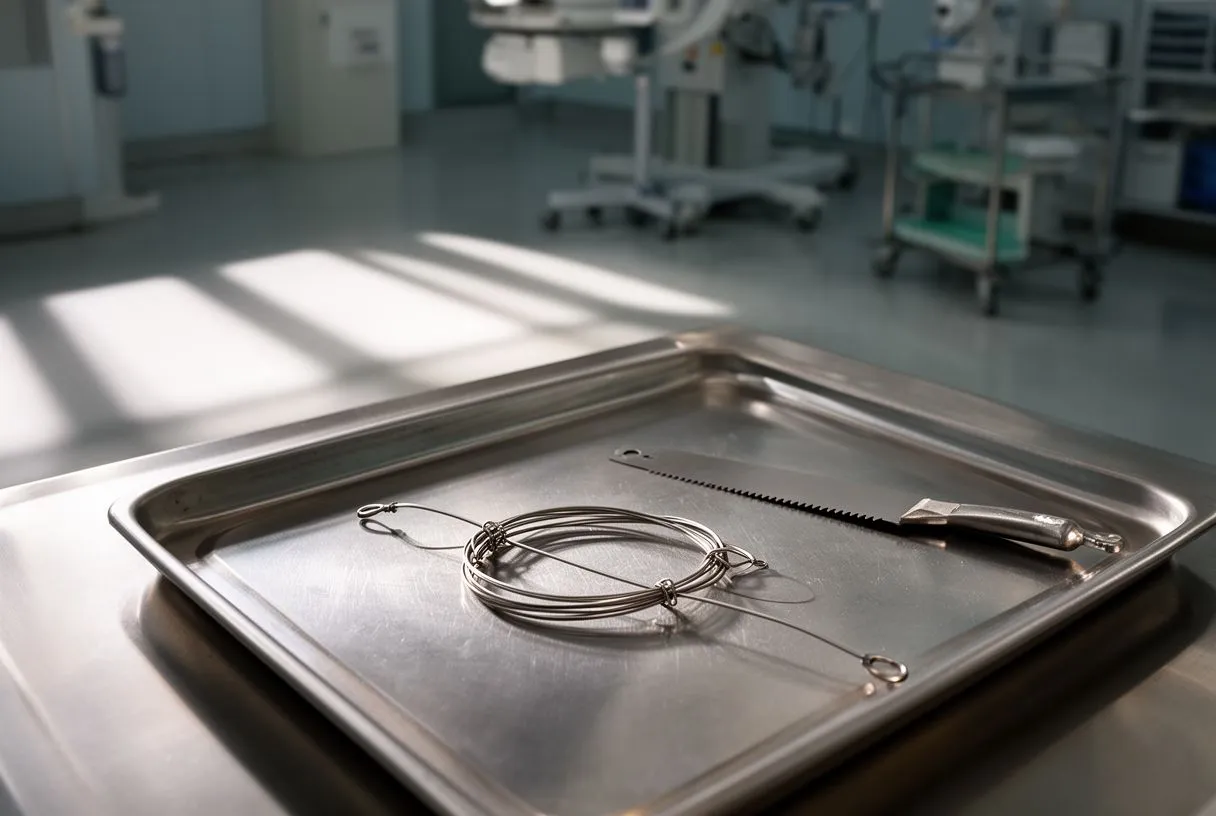
A deep sternal wound infection after bypass, valve surgery or any sternotomy starts for one of two reasons: bacteria were carried into the wound at the time of surgery, or they entered afterwards through the incision. The sternum is a dense bone that heals slowly, and the wire used to close it, while essential, is also a surface where bacteria can cling. If the two halves of the bone do not knit together firmly, small movements with every cough or breath can open microscopic channels that let infection travel inward.
Common bacteria involved. The organisms most often responsible are staphylococci, bacteria that normally live on our skin. Staphylococcus aureus and, even more often, Staphylococcus epidermidis, a skin resident that becomes a problem only when it reaches deep tissue, are the usual culprits. Hospitals take extensive precautions against these bacteria, and the Society of Thoracic Surgeons maintains quality standards and registries precisely to keep surgical site infections as rare as possible.
When the bone itself fails. Surgeons use the term sternal dehiscence to describe the breastbone separating after surgery. When the bone pulls apart, the infection often follows, and sometimes the infection itself weakens the bone enough to cause the separation. The two problems feed each other, which is why any sign that the sternum is not holding together deserves immediate attention.
Surgical teams examine the sternal wound carefully at each follow-up visit precisely to catch instability or early infection before it becomes a deep problem.
What Are the Symptoms of Mediastinitis?
The early signs of a chest infection after surgery can be subtle, and that is what makes them easy to dismiss. Some soreness, redness and low-grade tiredness are normal after open-heart surgery. Mediastinitis announces itself differently: the symptoms either worsen steadily or appear after a period when things were improving.
Fever and general illness. A temperature above 38 °C (100.4 °F) that persists or returns after the first few days is a genuine warning sign, especially when it comes with chills, night sweats or a general feeling of being unwell that does not match your expected recovery curve.
Wound changes you can see. Watch for increasing redness that spreads beyond the incision, swelling that feels tense, warmth over the breastbone, or fluid draining from the wound. Any drainage that is cloudy, yellow, greenish or foul-smelling is not normal wound ooze and should be reported the same day. New pain that feels deep and pressing behind the sternum, worse with breathing or movement, also matters.
Signs the bone is unstable. A clicking, popping or grinding sensation when you move, cough or roll in bed can mean the sternum is separating. Some patients describe feeling their chest "crunch" under their hands. Combined with fever or drainage, this combination is a red flag for a deep sternal wound infection.
Among the symptoms of mediastinal disease in general, doctors also count pressure in the chest, difficulty swallowing and breathlessness when the space between the lungs becomes inflamed or filled with fluid. If you notice any of these after cardiac surgery, do not wait to see if they settle on their own.
How Do Doctors Diagnose a Deep Sternal Wound Infection?
Diagnosis begins with what the surgeon can see and feel, and it is confirmed with imaging and laboratory tests. There is no single test that settles the question, so the picture is assembled piece by piece.
The clinical examination. The team looks at the wound, presses gently along the sternum to check for instability, and notes the character of any drainage. Blood tests such as a white blood cell count and inflammatory markers like C-reactive protein show whether the body is fighting a systemic infection, though these numbers rise after any big operation and must be read in context.
Imaging studies. A CT scan of the chest with contrast is the key test. It can show fluid collections behind the sternum, gas bubbles where none should be, loss of fat-plane definition, and separation or destruction of the sternal bone. In some cases the radiologist can draw a needle into a collection under image guidance to obtain fluid for culture, which identifies the exact bacterium and the antibiotics it will respond to.
Classifying the wound. Surgeons sort these infections into types depending on how deep they reach and how stable the sternum remains, from superficial cellulitis through partial bone involvement to full mediastinitis with dehiscence. The classification matters because it drives the treatment plan. Every case we review is discussed by the multidisciplinary team against international practice guidelines before a recommendation is given, so that the proposed plan is the one the evidence supports for that specific wound and that specific patient.
Who Is at Higher Risk of Post Cardiac Surgery Infection?
Not every patient faces the same level of risk for a post cardiac surgery infection. Knowing the factors that raise risk helps patients and families understand why some preventive steps are taken and why follow-up matters more in some cases than others.
The best-recognized risk factors include the following:
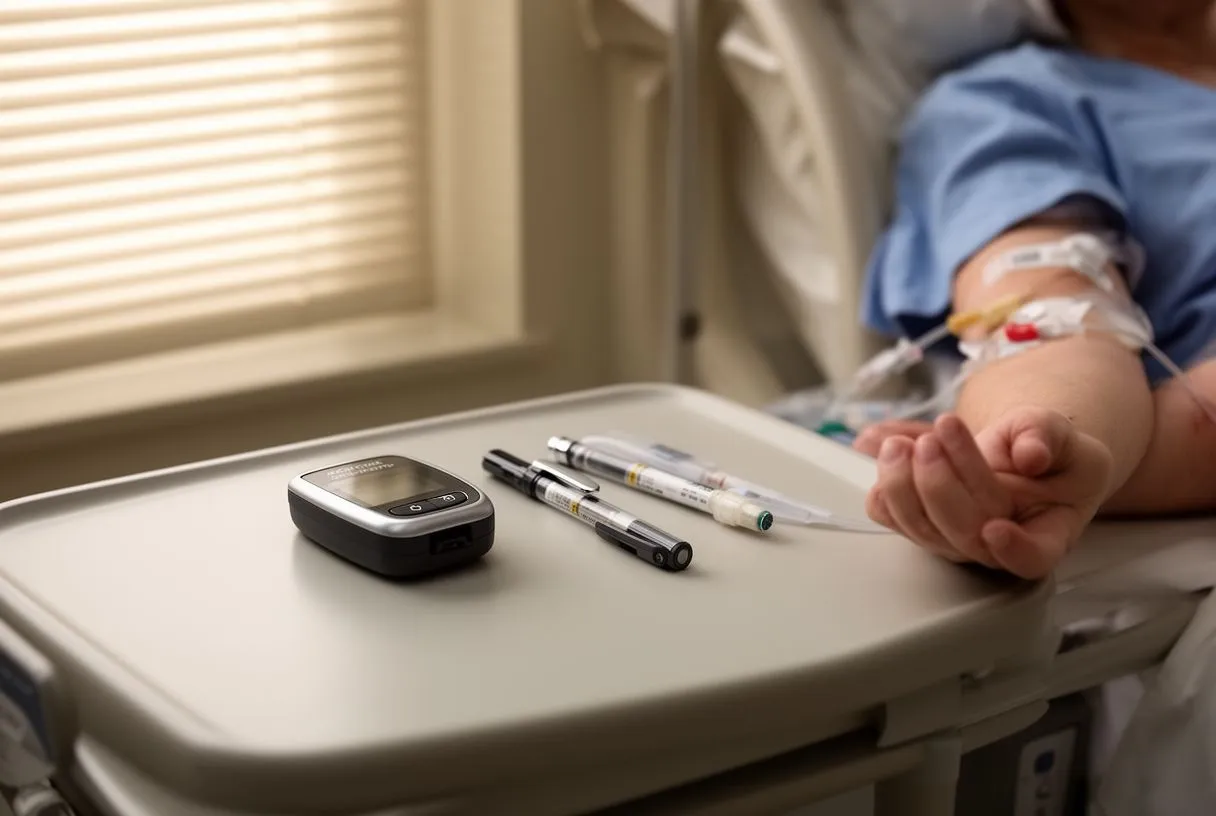
- Diabetes: high blood sugar slows wound healing and reduces the ability of immune cells to fight bacteria in the wound.
- Smoking: tobacco use reduces oxygen delivery to healing tissue and is one of the strongest modifiable risks for sternal complications.
- Obesity: thicker chest wall tissue makes the operation technically harder and creates dead space where fluid can collect.
- Chronic lung disease: a persistent cough after surgery puts repeated mechanical stress on the healing sternum.
- Osteoporosis or repeat sternotomy: bone that is thin, or that has been opened before, holds wires less securely and is more prone to dehiscence.
- Long or complex operations: prolonged operative time and bilateral internal mammary artery grafting, especially in diabetic patients, are associated with higher wound risk.
None of these factors means an infection is inevitable, and many patients with several risk factors heal perfectly. It simply means the wound deserves closer watching. When we plan surgery for a patient with several of these factors, we say so openly and build the prevention plan around them, because the patient deserves to know both the risk and what we do to reduce it.
What Is Sternal Debridement Surgery and Drainage?
When mediastinitis is confirmed, antibiotics alone are not enough. Infected bone and devitalized tissue cannot be reached reliably by medication, so the cornerstone of mediastinitis treatment options is a return to the operating room. This is the part of the journey patients fear most, and it helps to know exactly what happens.
Sternal debridement surgery explained. Debridement means the surgical removal of infected and dead tissue. The surgeon reopens the wound, takes out the old wires if they are loose or contaminated, removes infected bone edges and any necrotic soft tissue, and washes the mediastinum thoroughly with antiseptic and saline solutions. Cultures are taken so that antibiotic therapy can be targeted precisely. In some cases a single thorough debridement with immediate rewiring is enough; in others, staged operations are needed.
The mediastinitis drainage procedure. Where pus has collected, drains are placed to let infected fluid escape continuously rather than pooling around the heart. Depending on the extent of infection, the team may leave the wound partially open for scheduled dressing changes in the operating room, or close it immediately over drains. Modern practice increasingly favors early aggressive debridement with immediate or early reconstruction, because prolonged open treatment carries its own risks.
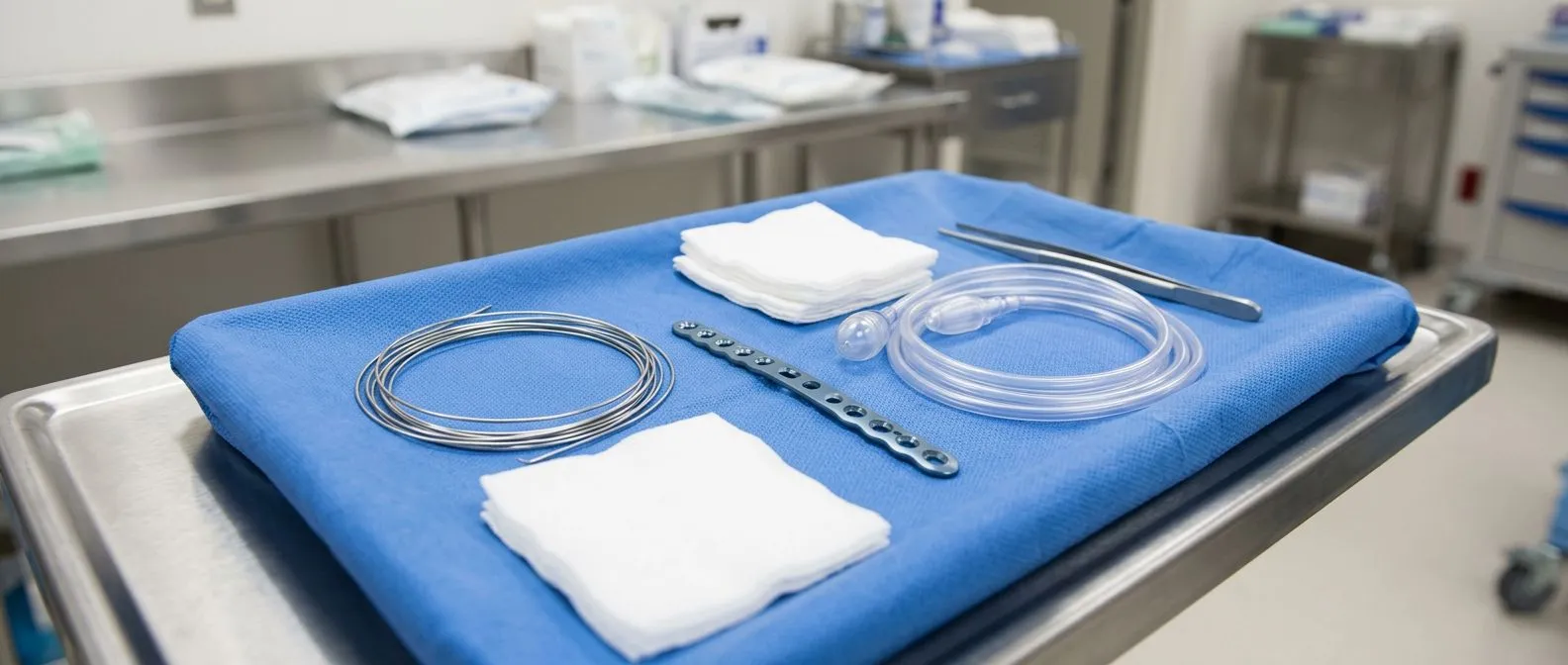
Rebuilding the chest wall. When significant bone has been removed, plastic surgical techniques come into play: muscle or omental flaps, where healthy vascularized tissue is swung in to fill the defect and bring blood supply to the area, and rigid plate fixation to hold the sternum still while it heals. In our team we perform both conventional and minimally invasive approaches, and we choose the operative strategy the evidence supports for the wound in front of us, then explain the alternatives in plain words before any decision is made.
How Does Mediastinitis Vacuum Therapy Help Healing?
One of the most important advances in treating deep sternal wound infection has been negative pressure wound therapy, known to most patients as vacuum therapy or VAC therapy. It is a simple idea with powerful effects.
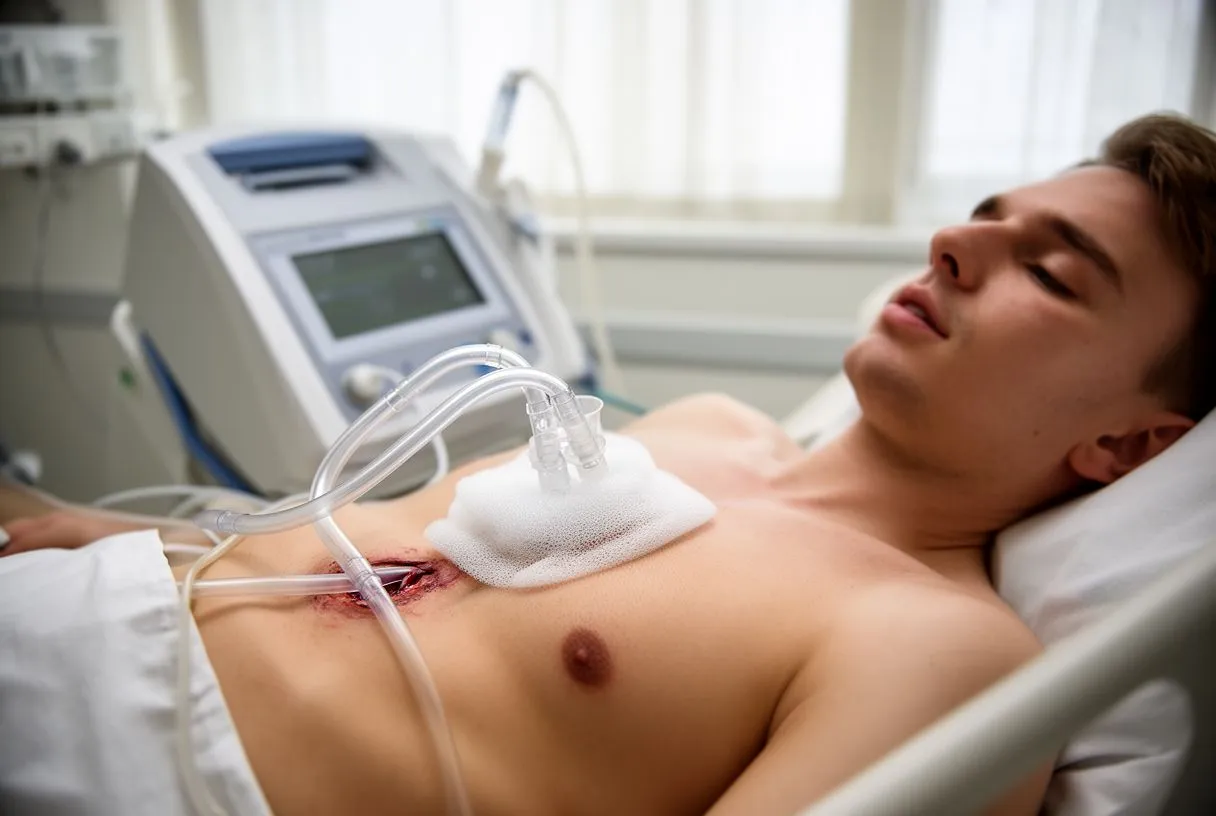
What the device actually does. A foam dressing is shaped to fit the wound and sealed with an airtight film. A small pump applies controlled negative pressure, gently drawing fluid out of the wound and pulling the wound edges toward each other. The dressing is changed, usually at the bedside or in the operating room, every two to three days.
Why it works for sternal wounds. The suction removes the fluid and bacteria that accumulate in an infected wound, reduces swelling, and, most importantly, encourages the growth of new blood vessels into the tissue. Better blood supply means antibiotics and immune cells actually reach the wound bed. For sternal wounds in particular, the steady pull helps stabilize the chest wall while granulation tissue, the healthy pink tissue that fills healing wounds, forms.
How it fits into the overall plan. Vacuum therapy is not a substitute for debridement; it comes after it. The typical sequence is surgical cleaning of the mediastinum, then vacuum-assisted closure while infection markers fall, then definitive closure or reconstruction once the wound is clean. Many patients go home with a portable vacuum device and continue treatment as outpatients, which shortens the hospital stay considerably.
What Role Do Mediastinitis Antibiotics Play?
Antibiotics are essential in mediastinitis, but they work as a partner to surgery, never as a replacement for it. Understanding how they are used helps families follow the treatment plan with confidence.
Starting before the answer is known. Treatment begins with broad-spectrum intravenous antibiotics that cover the likely organisms, especially the staphylococci that cause most post cardiac surgery infections. Once cultures from the operative debridement come back, usually within a few days, the regimen is narrowed to the drugs the specific bacteria are proven sensitive to.
How long treatment lasts. Deep sternal infections typically require weeks of intravenous therapy rather than days, often delivered through a PICC line, a thin catheter placed in the arm that allows home administration of antibiotics. The exact duration depends on the extent of infection, the bone involvement and the patient's response, and it is guided by infectious disease specialists alongside the surgical team.
Watching for complications. Long antibiotic courses have their own issues: lines can become infected, some drugs need kidney monitoring, and fungal overgrowth can occur. The team tracks blood counts, kidney function and drug levels throughout. This coordination between surgeons, infectious disease physicians and intensivists is one of the reasons mediastinitis is best treated in a center that manages complex postoperative cardiac patients regularly.
What Is the Mediastinitis Recovery Time After Heart Surgery?
Honest answers about mediastinitis recovery time matter, because families plan jobs, finances and travel around them. The truthful answer is that recovery is measured in months, not weeks, but the great majority of patients do return to a full and active life.
The first phase, in hospital. After debridement and reconstruction, patients typically spend one to three weeks in hospital, longer if staged operations were needed or if other complications arose. During this phase the priority is wound healing, targeted antibiotics, nutrition and getting mobile again safely.
The middle phase, at home. Over the following six to twelve weeks the sternum knits, antibiotics finish, and drains or vacuum dressings are stepped down. Sternal precautions, such as avoiding lifting, pushing and pulling with the arms, remain in force much longer than after an uncomplicated sternotomy, because the bone needs stability to heal.
Outcomes worth knowing honestly. Mediastinitis is a serious complication and carries real mortality risk, reported in studies at roughly ten percent or somewhat higher depending on the series and patient mix, and it lengthens recovery substantially. Survivors, however, most often reach a good long-term quality of life. I have seen patients treated for deep sternal infection go on to walk, travel and live without limitation; the road is long but it leads somewhere good, and honest follow-up along the way is what makes the difference.
How Can You Prevent Mediastinitis Heart Surgery Complications?
Prevention of mediastinitis is a shared job between the surgical team and the patient, and the measures that matter most are neither exotic nor expensive.
Before surgery. Good glucose control in diabetic patients in the weeks before the operation, quitting smoking as early as possible, treating any skin or dental infection beforehand, and nasal decolonization against staphylococci where recommended all measurably lower wound risk.
In the operating room and after. Strict sterile technique, appropriate antibiotic prophylaxis timed before incision, meticulous wire closure and, in higher-risk patients, modern rigid sternal fixation all play their part. Afterwards, early mobilization, breathing exercises, proper wound care at home and keeping the incision dry until it heals protect the wound in the vulnerable first weeks.
Heart surgery infection complications like this one are rare, and the sterile operating room environment of a modern cardiac theater is designed precisely to keep them that way. But rarity is not zero, so here is the practical takeaway:
- Call the same day for fever above 38 °C, spreading wound redness, or cloudy or foul-smelling drainage.
- Go urgently for a clicking or unstable breastbone, new deep chest pain, or breathlessness.
- Never stop sternal precautions early, even when you feel well.
- Keep every follow-up appointment, because most deep infections are caught by examination and simple tests.
Mediastinitis after heart surgery is frightening to read about, but the message we most want you to take from this guide is one of informed calm: it is treatable, treatment is well established, and early detection changes everything. If you are preparing for cardiac surgery, ask your team directly how they manage sternal wound risk. If you are recovering and something feels wrong, act on it rather than waiting. And if you would like a second opinion or a clear, unhurried explanation of your own situation, Dr Alejandro Molina and our multidisciplinary cardiac team in Guadalajara, Querétaro and Hermosillo are here to help. Your first contact is a free video consultation, and the final decision about your care is always yours. Book a consultation rather than self-diagnosing, and let a qualified cardiac team walk this road with you.






