

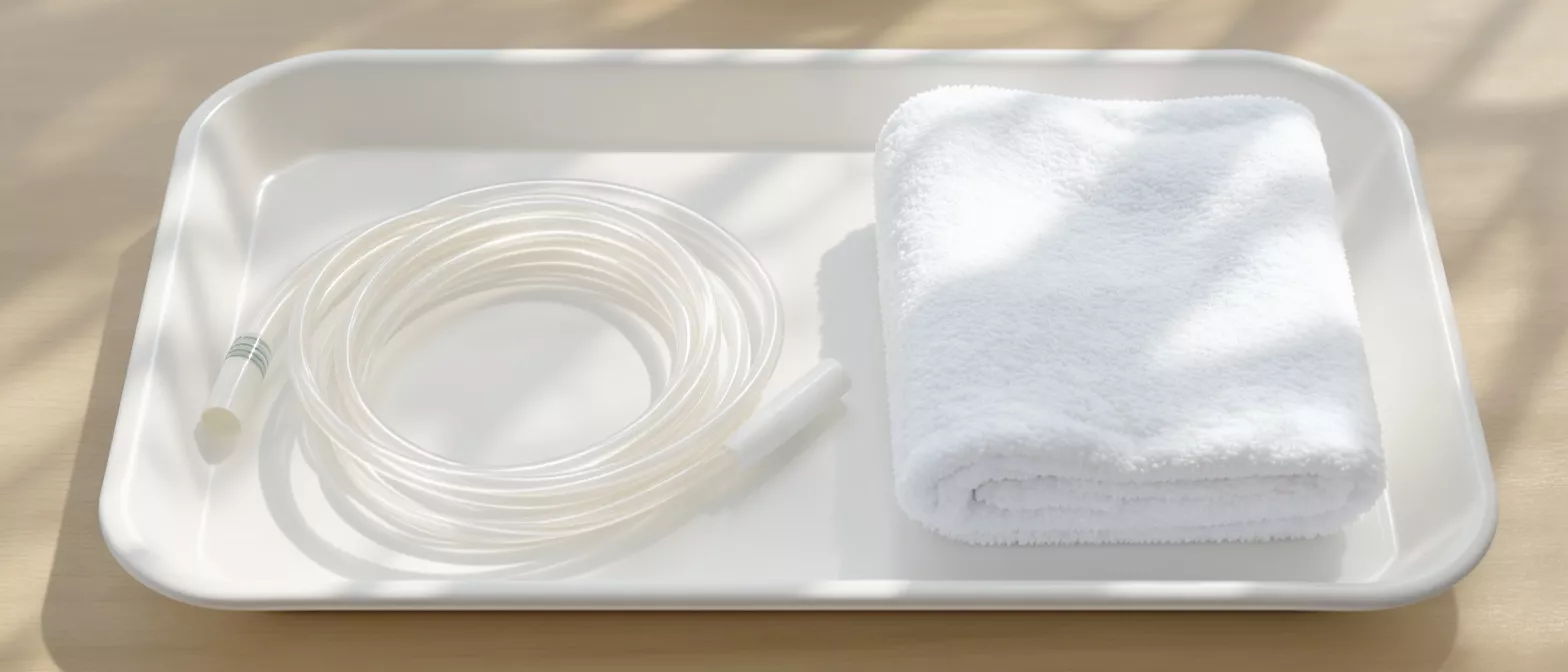
Nasogastric Tube
Discover how a nasogastric tube supports recovery after heart surgery.
What is a nasogastric tube?
A nasogastric tube is a flexible, hollow plastic tube that is gently passed through the nose, down the back of the throat, and into the stomach. For patients recovering from major procedures like cardiac surgery, this tube serves as a temporary aid to help the body heal. It is a standard medical device used in intensive care units worldwide.
Medical teams use this thin catheter for two primary reasons: to drain unwanted fluids and gases from the stomach, or to deliver essential nutrition directly. The tube is designed to be as comfortable as possible while remaining secure during your recovery. Understanding its purpose helps alleviate the natural anxiety associated with medical devices.
The tube itself is soft and does not interfere with your breathing once properly placed. It is important to remember that this is a temporary measure, put in place to support your recovery immediately after an operation.
Why do heart surgery patients need an NG tube?
After heart surgery, the digestive system often takes longer to wake up from anesthesia. A nasogastric tube prevents nausea and vomiting by keeping the stomach clear. This protective measure reduces pressure on the abdomen and surgical site.
Preventing aspiration risks: When the digestive tract is slow to recover, fluid can accumulate and pose a risk of entering the lungs. The tube safely drains this fluid, protecting your airway. This is a critical safety step during the immediate postoperative period.
Supporting early nutrition: Once your bowel sounds return, the tube can be used to provide early nourishment. Proper fuel is vital for tissue repair, and a nasogastric feeding tube ensures your body receives the calories it needs to heal.
How does nasogastric tube insertion work?
Nasogastric tube insertion is a sterile procedure typically performed by a nurse before or immediately after surgery. The medical professional will measure the distance from your nose to your earlobe, and then to the bottom of your breastbone, ensuring the tube reaches the stomach precisely.
A lubricating jelly is applied to the tube to ease passage. The nurse will gently advance the tube through your nostril. You may be asked to swallow water or take small sips to help guide the tube past the throat and into the esophagus.
Once the tube is in place, the medical team will verify its position. This is usually done by listening to the stomach or by taking a quick X-ray. Ensuring correct placement is a rigorous safety protocol.
What to expect during NG tube placement
If you are awake for the insertion, you will feel some pressure in your nose and a brief






