Your Cardiac Specialist Nurse: Support Through Surgery
A cardiac specialist nurse supports you through every stage of heart surgery.
Heart surgery is not a single event. It is a journey that runs from your first consultation through the operating room, the intensive care unit, and finally your own bedroom at home. Along that journey, a cardiac specialist nurse is often the professional who is with you the longest — explaining what is happening, watching for complications, and turning medical instructions into plain language you can act on. In this guide, we walk through exactly what this role involves at every stage, so you know who is looking after you, what they are checking, and the questions worth asking yourself.
What Does a Cardiac Specialist Nurse Do?
The short answer: a cardiac specialist nurse is a registered nurse with advanced training focused on patients with heart conditions. Instead of caring for every kind of patient on a general ward, this professional works with people who have coronary artery disease, valve problems, heart failure, or who are preparing for or recovering from cardiac procedures. Their job blends hands-on care with teaching: they interpret monitoring data, manage symptoms, coordinate with surgeons and cardiologists, and translate complex cardiology into words a patient and family can understand.
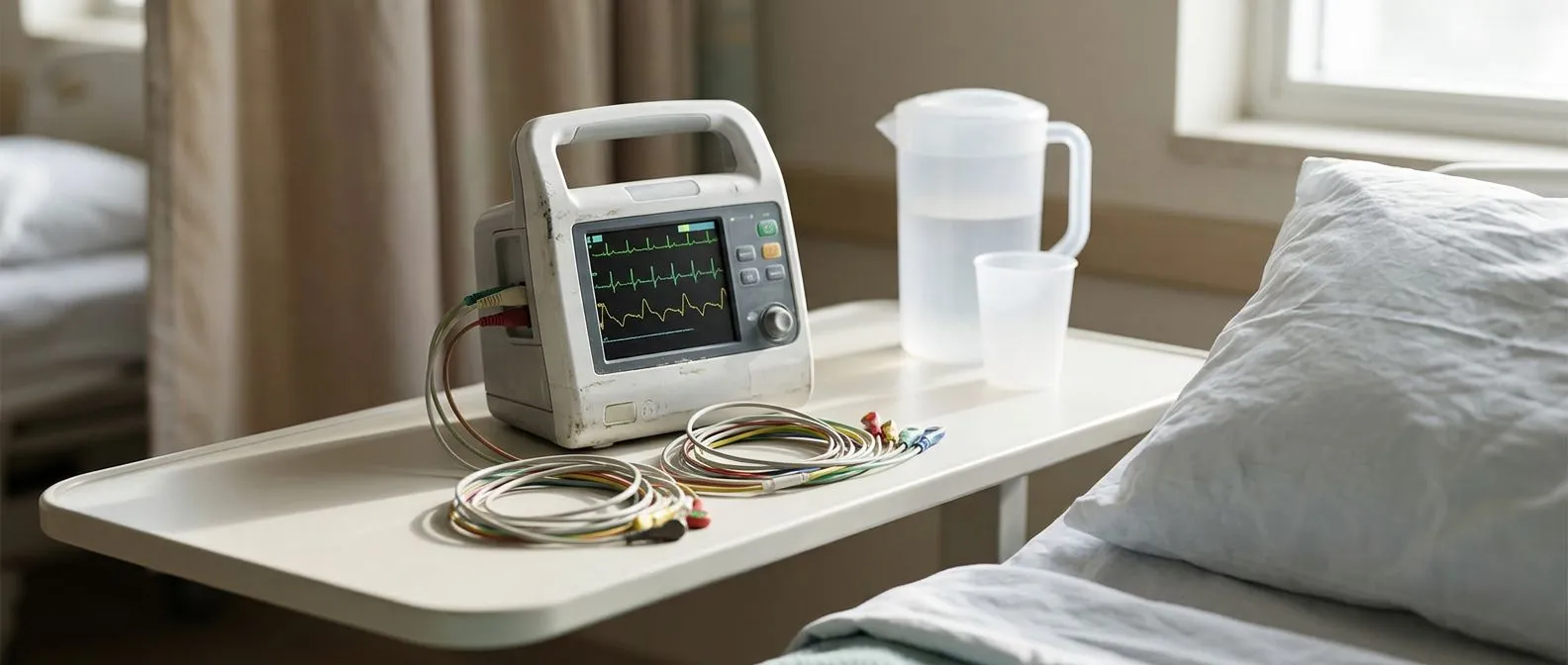
Day-to-day work in practice covers far more than taking vital signs. On a typical shift, a cardiac specialist nurse reviews a patient's electrocardiogram (a recording of the heart's electrical activity), adjusts pain control, checks surgical wounds for signs of infection, and teaches a patient how to walk safely again after open-heart surgery. They also act as the communication bridge between the patient and the medical team — the person who notices a subtle change overnight and raises it with the surgeon before it becomes a problem.
Nursing research consistently shows that higher levels of nursing education are linked to better outcomes for surgical patients, an association documented in large international studies such as those indexed on Europe PMC. For you as a patient, the practical meaning is simple: the expertise of the nurses around you is not a luxury. It is part of the safety net that protects you through a serious operation.
What Is the Difference Between a Nurse and a Specialist Nurse?
A general nurse is trained to care for patients across the whole spectrum of medicine — maternity, surgery, pediatrics, elder care. They are the backbone of any hospital ward, and their breadth is their strength. A cardiac specialist nurse has gone further: additional education, certification, and years of focused experience in heart care. That depth means they recognize patterns a generalist may only read about — the specific rhythm change that precedes a complication after valve replacement, or the way fluid balance shifts in the first 48 hours after coronary bypass surgery.
What this means for you is speed and precision. When a general nurse sees your blood pressure trending down, they may simply recheck it. A cardiac specialist nurse will ask what medications you received, compare it against your fluid outputs, and anticipate whether this is expected after your specific procedure — or the first sign of bleeding. Neither nurse is better as a person; the difference is the depth of the mental map they carry about your exact situation.
Is a specialist nurse a replacement for a doctor? No, and it is worth being clear about this. The specialist nurse does not perform surgery or prescribe your treatment plan. Their role is to execute, observe, teach, and escalate. Think of the surgeon as the architect and the specialist nurse as the site supervisor who is present every day, watching every detail, and knows immediately when something needs the architect's attention.
What Are the Main Types of Cardiac Specialist Nurses?
Specialization in nursing happens in layers. Broadly, nursing careers split into roles defined by education level and clinical focus, and within cardiac care several distinct specialties matter to a surgical patient. Knowing which one is looking after you at each stage helps you direct your questions to the right person. Here are the ones you will most likely meet:
- Cardiac ward nurse: cares for you before and after surgery on the hospital floor, managing medications, wounds, and daily recovery milestones.
- Critical care (ICU) nurse: the specialist who watches you hour by hour in the intensive care unit immediately after surgery, where machines and monitoring are most intense.
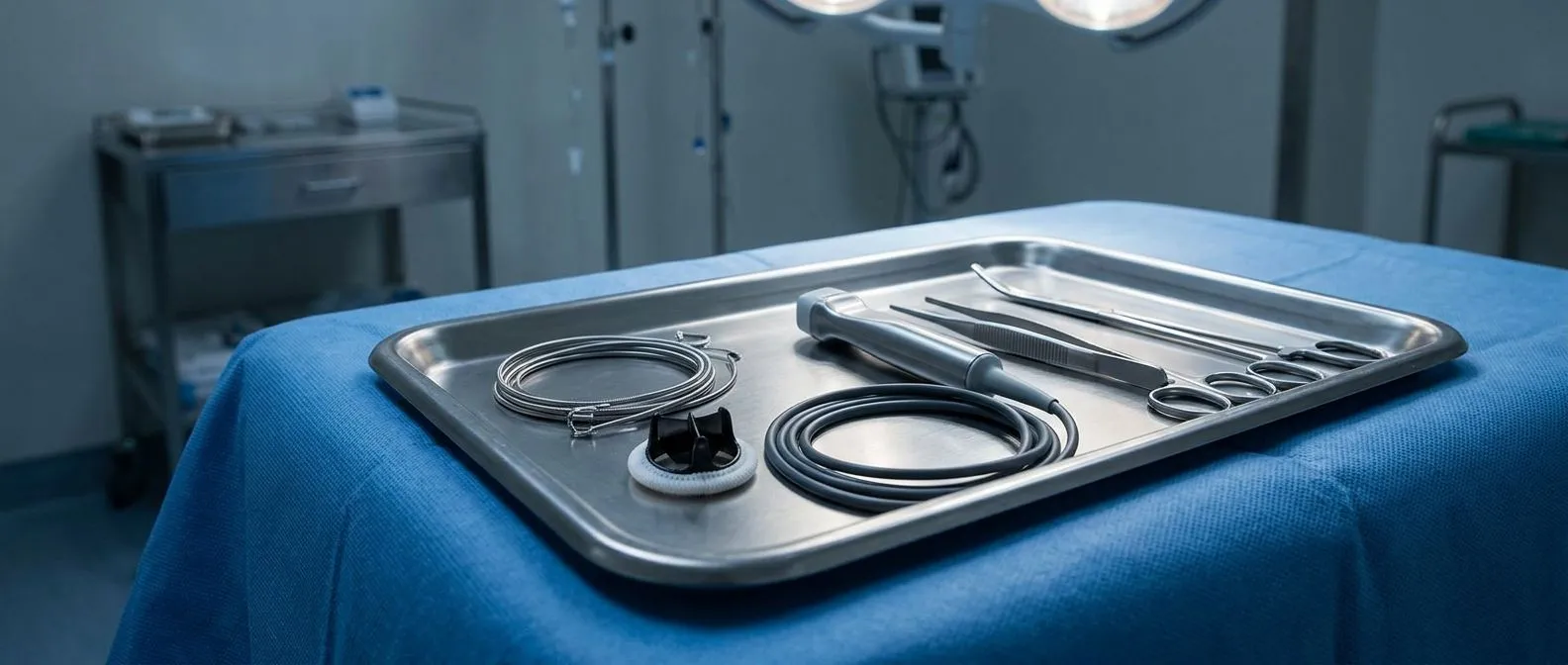
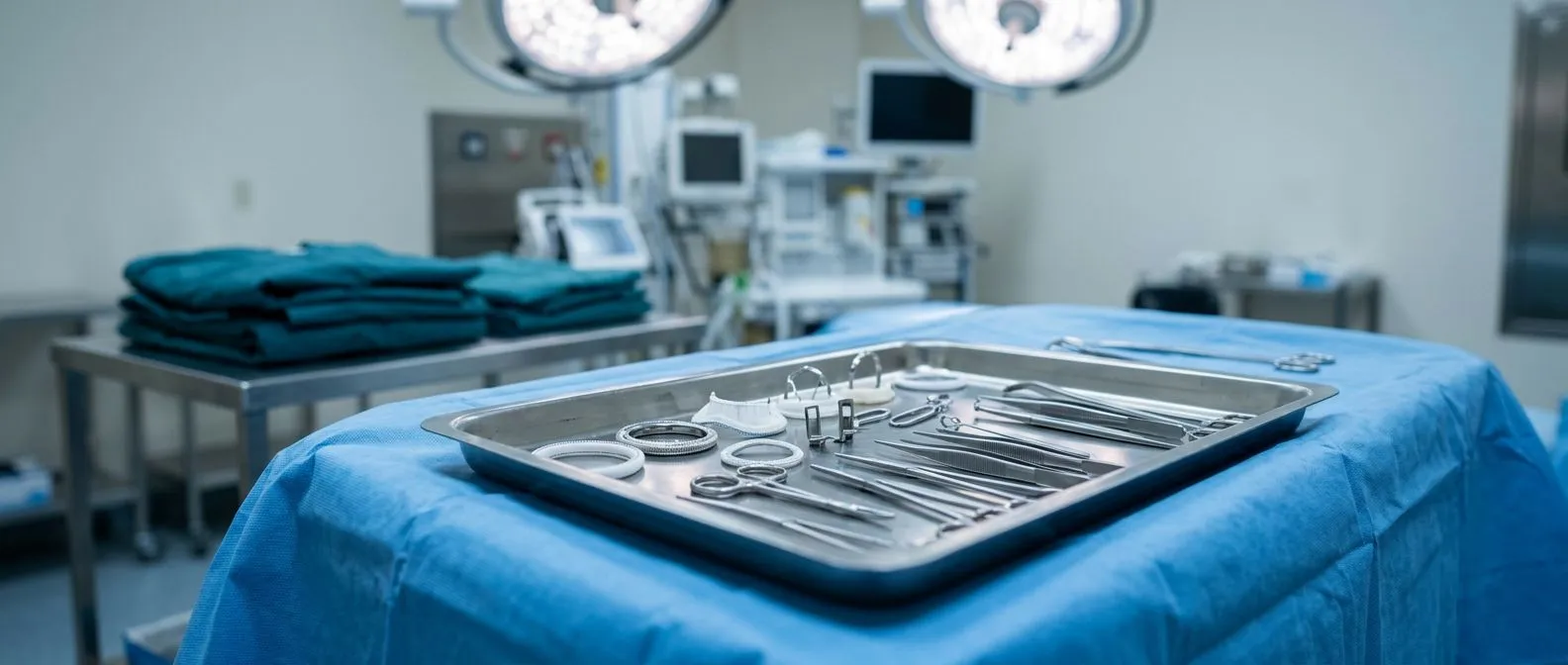
- Scrub nurse: the sterile-trained specialist inside the operating room, handing instruments to the surgical team and maintaining the sterile field throughout the operation.
- Cardiac rehabilitation nurse: guides your recovery after discharge, building your exercise tolerance step by step and teaching you how to protect your heart long term.
Beyond these four, you may also meet a case manager or nurse navigator, who coordinates appointments and paperwork, and in some systems an advanced practice nurse who can prescribe medications. In many hospitals these roles overlap, and one person may cover several. What unites them is the same idea: cardiac care is a chain, and each specialist nurse is a trained link responsible for one part of that chain — and for making sure nothing is dropped in the handover to the next.
How Does a Specialist Nurse Help Before Heart Surgery?
The pre-operative stage is where a cardiac specialist nurse earns a huge share of their value. Before your operation, they review your full picture: blood tests, an electrocardiogram, an echocardiogram (an ultrasound of the heart), and any catheterization results. They check your medication list for drugs that must be paused — blood thinners are the classic example — and confirm conditions like diabetes or sleep apnea are flagged to the anesthesiology team. If a question arises, they are usually the one who gets it answered before the day of surgery, not during it.
Preparation teaching is the other half of the job. You will be shown how to shower with antiseptic soap, when to stop eating and drinking, what breathing exercises to practice, and what your first hours in intensive care will actually look like. Patients who know what to expect consistently report less anxiety, and calmer patients are easier to monitor and manage. This is education as a clinical tool, not a courtesy.
In our first contact — a free video consultation — our team explains what your studies show and which are genuinely still needed, before any decision is made. That review happens against international practice guidelines, and the final decision always rests with the patient.
What Does a Cardiac Specialist Nurse Do During Surgery?
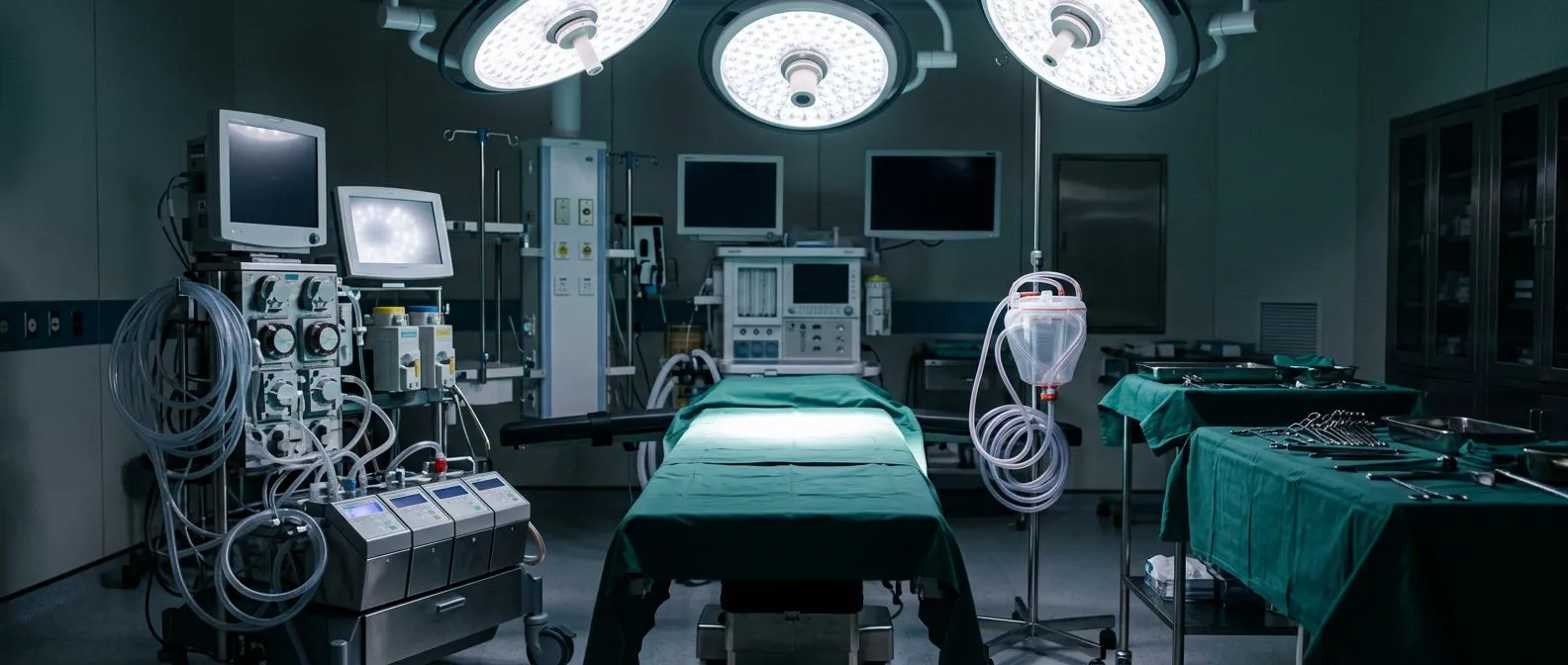
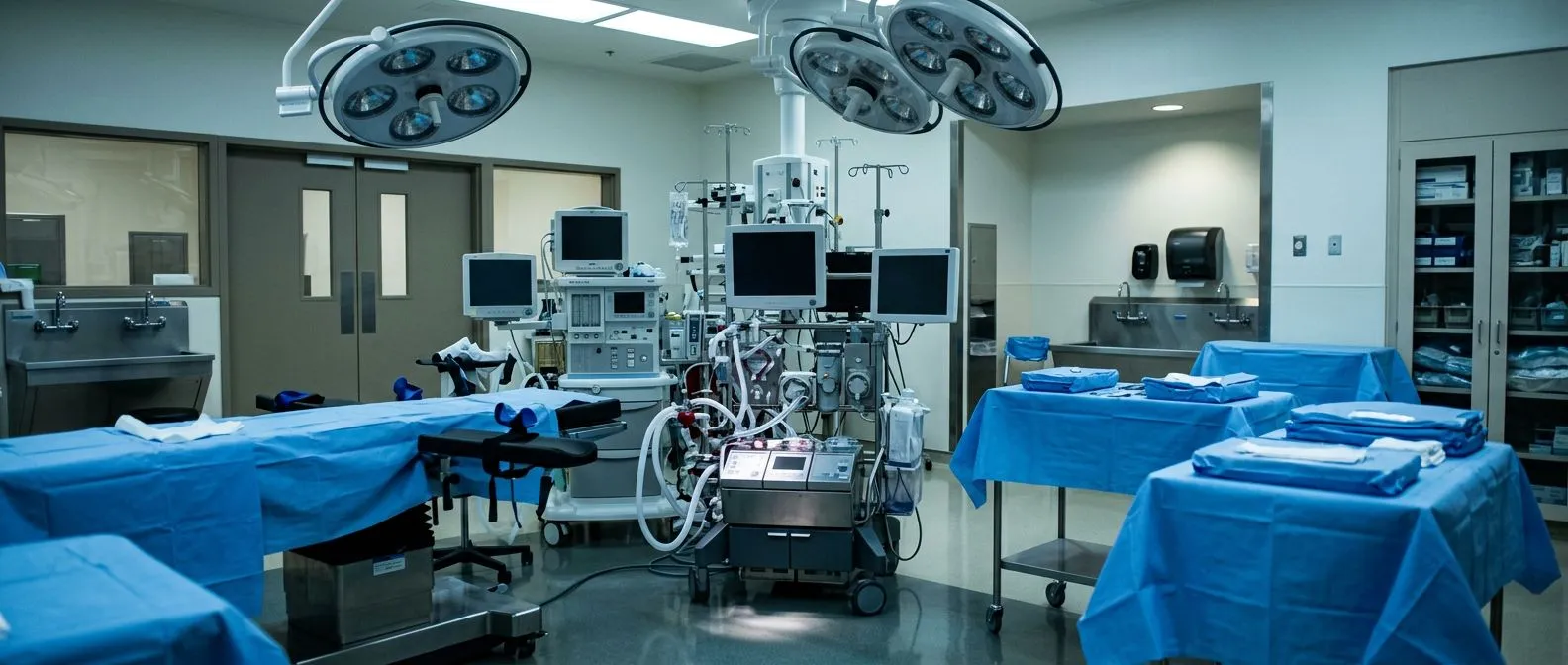
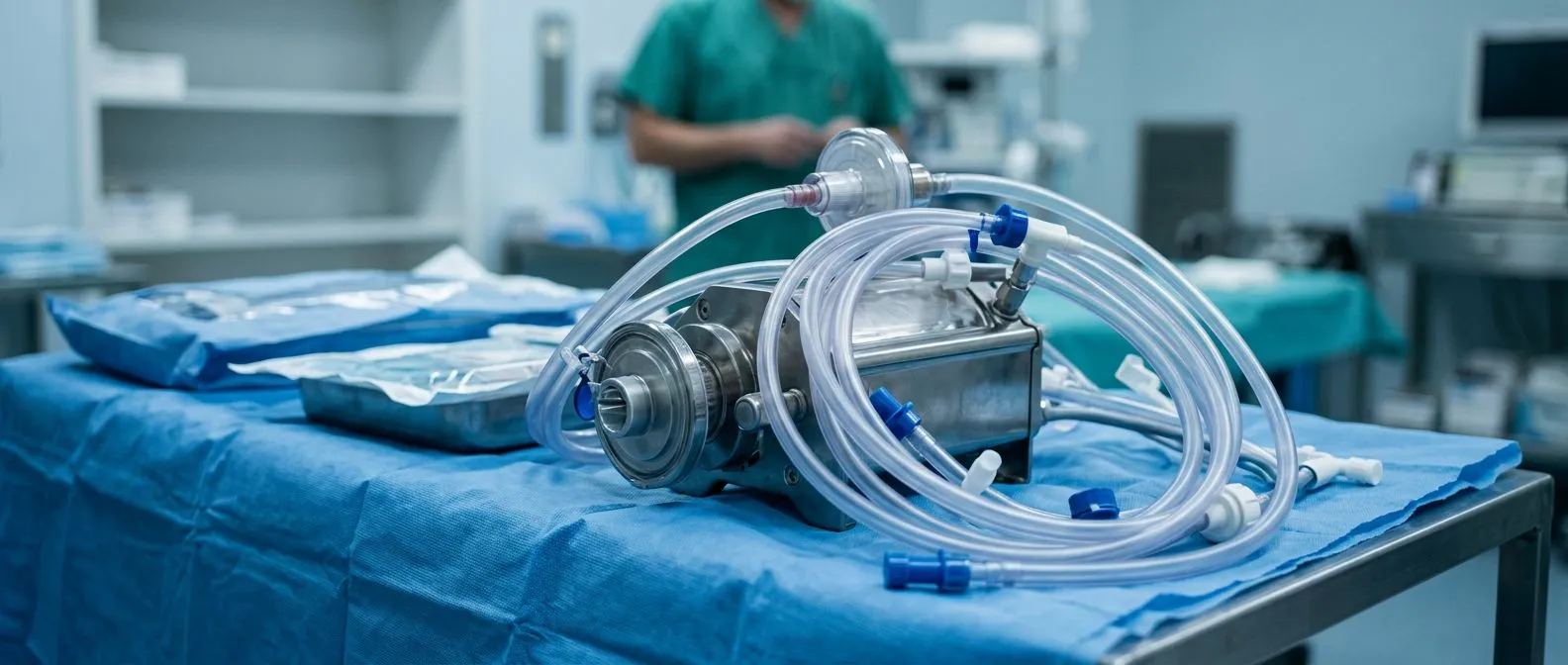
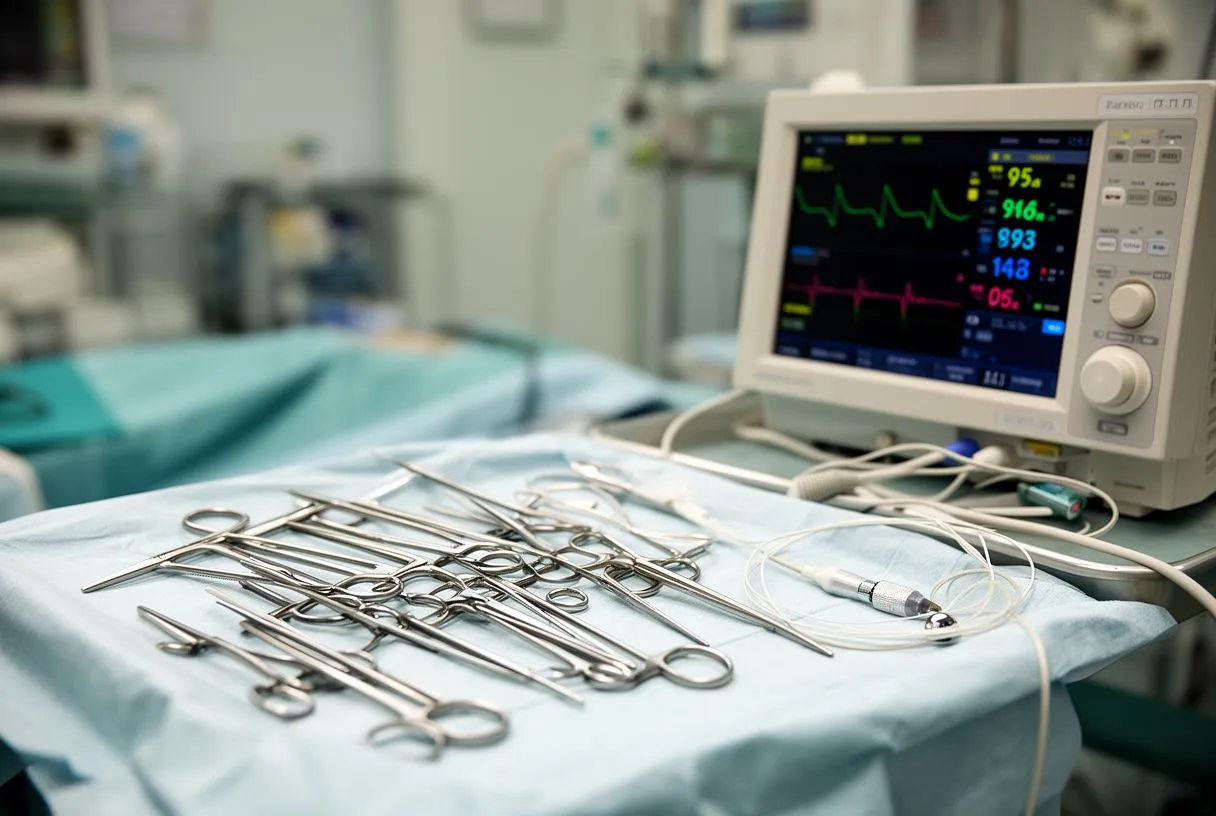
Inside the operating room, the cardiac surgical team is larger than most patients imagine. Alongside the surgeon, anesthesiologist, and perfusionist (the specialist who runs the heart-lung machine when your heart is temporarily stopped), there are nurses with highly specific roles. The scrub nurse works at the table, preparing and passing each instrument in a choreographed sequence. A circulating nurse manages the room: opening sterile supplies, documenting implants, and coordinating with pathology if a specimen needs checking.
Why this precision matters: cardiac operations involve hundreds of instrument exchanges. A miscounted sponge or a dropped moment in sterility can turn a successful operation into a serious complication. The nurse's discipline inside that room is one of the quiet, unglamorous layers of safety that patients rarely see but always benefit from.
Our team performs conventional, minimally invasive, robotic and transcatheter procedures — the discipline required for a robotic mitral valve repair, for example, is different from an open operation, and Dr Molina performed the first robotic mitral valve repair in the Ángeles Health System.
What Does Post-Op Care From a Cardiac Specialist Nurse Look Like?
The first 24 to 48 hours after surgery are the most closely watched hours of your entire admission. In the intensive care unit, a specialist nurse manages your ventilator support (the machine that breathes for you until you wake fully), monitors drainage tubes placed in your chest, tracks urine output, and manages pain so you can participate in your own care. Getting you out of bed, even sitting on the edge, often happens within the first day — early mobility reduces lung complications and speeds recovery.
As you move to the hospital ward, the focus shifts from machines to milestones. The specialist nurse checks your wound daily, listens to your lungs, monitors your heart rhythm, and progressively removes lines and tubes as you no longer need them. They teach you the sternal precautions — rules for moving that protect your breastbone while it heals — and watch for the warning signs that something needs escalation: fever, new irregular heartbeat, unusual drainage, or leg swelling after vein harvesting.
Recovery follows a predictable rhythm, and knowing it helps you judge your own progress honestly rather than anxiously. Expect a pattern like this:
- Days 1–3: breathing exercises, sitting up, short walks with help; drainage tubes and most monitoring lines removed.
- Days 4–7: longer corridor walks, independence with washing and dressing, wound checks, medication teaching.
- Weeks 2–6: gradual increase in walking, return to light household activity, sternal precautions still in force.
- Months 2–3: most patients resume normal daily life; driving, work, and lifting return on your surgical team's advice.
Patients who have a clear written schedule of what should be happening each week often recover with less fear.
How Does a Cardiac Specialist Nurse Monitor Your Recovery?
Monitoring after heart surgery is a discipline of noticing small changes early. A cardiac specialist nurse tracks several streams of information at once: your heart rate and rhythm, blood pressure, temperature, oxygen saturation, wound appearance, and fluid balance. No single number tells the whole story; the skill lies in seeing patterns. A temperature that rises on day four alongside a reddening wound edge tells a different story than a brief fever on day one, and the specialist nurse knows which one to act on.
Some patients need more than monitoring. When a heart is too weak to maintain circulation on its own — temporarily or longer term — the team may consider Mechanical Circulatory Support, devices that assist or replace the heart's pumping function. Expert consensus documents, such as the 2019 EACTS expert consensus on long-term mechanical circulatory support, outline how these therapies are selected and managed, and the specialist nurses who care for these patients are trained in the specific device protocols that come with them (2019 EACTS Expert Consensus). For most patients this will never be part of their journey, but knowing the depth of the team behind you matters when you are deciding where to have surgery.
After discharge, monitoring continues in a different form. Follow-up visits check your wound healing, review your medications, and repeat key tests. Between visits, you are the monitor — and the specialist nurse's job is to have taught you exactly which symptoms to report and through which channel. Confusion about that handover is one of the most common and avoidable gaps in post-operative care.
Why Is Discharge Planning So Important After Heart Surgery?
Discharge is not an ending; it is a handover. Good discharge planning starts days before you leave the hospital, not on the morning you walk out. A cardiac specialist nurse confirms your medications are correct and that you understand why you take each one, arranges follow-up appointments, teaches wound care, and makes sure someone at home knows what to watch for. Studies of cardiac surgical patients consistently show that structured discharge planning reduces avoidable readmissions — and readmissions are stressful, costly, and often preventable.
What a good discharge plan includes: a written medication schedule with names, doses, and timing; clear wound-care instructions and the signs of infection to watch for; a defined list of red-flag symptoms that mean "call now"; the phone number of someone who will actually answer; and your follow-up appointment dates. If any of these are missing when you are discharged, ask before you leave. That is not being difficult — it is being a well-informed partner in your own care.
Medication teaching deserves special attention. After valve surgery or bypass, patients often take several new medications: blood thinners, beta blockers to steady the heart rate, statins to protect the grafts, and others. Each has a purpose, and some have interactions with common over-the-counter drugs. The specialist nurse is the person who turns that long list into something you can actually follow, and who double-checks you have understood rather than merely nodded.
Can a Specialist Nurse Support You Emotionally Too?
Anxiety before cardiac surgery is normal, not a weakness. Many patients describe the nights before surgery as the hardest part of the entire experience — and a significant number report low mood or unexpected fear during recovery, when the adrenaline of surgery fades and the slow work of healing begins. This is where the human side of the specialist nurse's role becomes clinically important. Fear that is acknowledged and explained is easier to carry than fear that is dismissed.
Practical emotional support takes specific forms. A specialist nurse will tell you honestly what pain to expect and how it will be managed, so uncertainty stops feeding the anxiety. They will connect you with Psychological Support when the emotional weight is more than normal pre-surgery nerves — and recommending that is a sign of good care, never of failure. They will also include your family in the teaching, because an anxious spouse asking frightened questions at midnight can undermine a recovery that is going well.
You are allowed to ask about feelings. Many patients believe their only job is to be brave and compliant. In reality, telling your nurse that you feel frightened, or that you cannot sleep, or that you feel unusually flat in week three, is useful clinical information. Mood, sleep, and appetite are part of recovery, and a specialist nurse who knows them can act on them.
How Do You Find a Cardiac Specialist Nurse in Mexico?
For international patients, the question is really about the team behind the surgeon. When you are considering heart surgery in Mexico — whether in Guadalajara, Querétaro, Hermosillo, or Mexico City — the surgeon's reputation matters, but so does the infrastructure around them: the hospital's intensive care, the nursing ratios, the protocols for post-operative care, and how the team communicates with you across distance and language. A brilliant operation with weak post-operative nursing is a worse outcome than a solid operation with excellent support.
Questions worth asking any team you are considering:
- Ratios and coverage: How many patients does each nurse care for in intensive care? Is there a specialist nurse on every shift?
- Communication: Will someone speak with me in my language before and after surgery? Who answers if I have a concern after discharge?
- Coordination: Who is my single point of contact from first consultation through final follow-up?
- Costs: Can I get a written estimate covering the surgery, hospital stay, and follow-up visits — and what is not included?
Our team, led by Dr Alejandro Molina, works with consulting rooms in Guadalajara, Querétaro and Hermosillo, and we encourage every patient to seek a second opinion — we treat that as a normal part of deciding about heart surgery, not a challenge to us. If you are traveling from abroad, the first step does not require a flight: it is a video conversation where we learn your history, explain what your current studies show, and tell you honestly which tests are still missing before anyone books an operating room.
Choosing care is a decision about people, not just technology. The robotic systems, the hybrid rooms, the transcatheter options — all of it matters, but only when it is wrapped in a team that watches you closely and explains itself clearly. A cardiac specialist nurse is a central part of that team, and the quality of the nursing around you is one of the most reliable predictors of how your experience will actually feel.
The takeaway from this guide: a cardiac specialist nurse is with you at every stage — preparing you before surgery, watching you during it, and teaching you to protect yourself after it. Their expertise is a safety layer, and you have every right to ask about it. If you are facing heart surgery and want to understand your options with a team that reviews every case against international guidelines and explains the reasoning in plain words, reach out and book a consultation with Dr Alejandro Molina's cardiac team. Bring your questions; bring your family. That conversation is the first step of a recovery you can face with a clear picture of what lies ahead.