

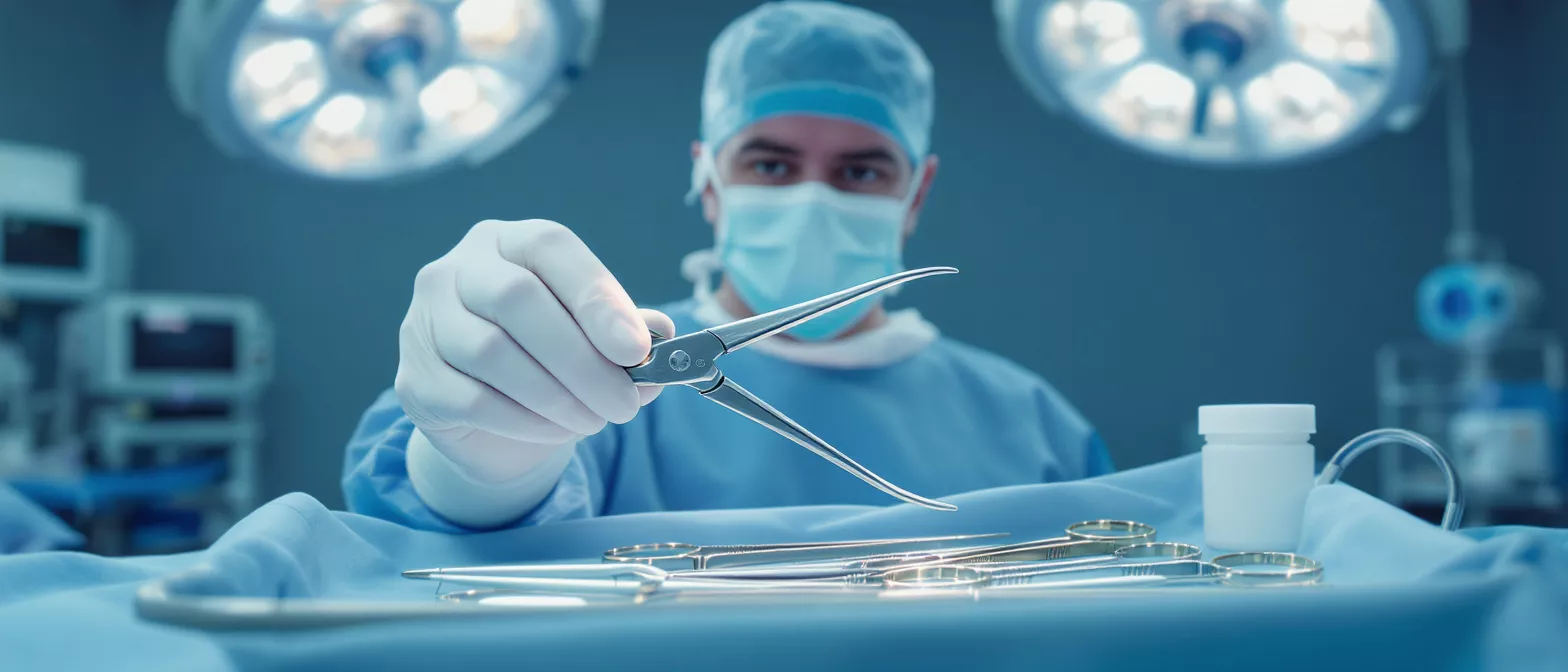
Scrub Nurse
Discover the scrub nurse's role in cardiac surgery, including duties, skills, instruments, and training, and why they're vital to the OR team.
What is a scrub nurse?
When you or a loved one undergoes heart surgery, the operating room can feel like an intimidating place filled with unfamiliar faces. Among the most important team members you may not hear much about is the scrub nurse. This specialized nurse works directly at the sterile field, standing alongside the cardiac surgeon to pass instruments, manage tissues, and maintain a flawless, germ-free environment throughout the procedure.
The role takes its name from “scrubbing in”—the rigorous process of washing hands and arms with antiseptic soap before donning a sterile gown and gloves. This careful preparation is the foundation of infection control. The scrub nurse remains at the operating table from the first incision to the final suture, acting as the surgeon’s right hand.
Understanding the supportive perioperative care team can ease much of the anxiety families face before a procedure. Knowing that a dedicated professional is entirely focused on the surgical field means you are never just a case number—you are the center of a highly coordinated team effort.
How scrub nurse duties support cardiac surgery
Cardiac procedures such as valve repairs or bypasses involve minute, delicate structures inside the beating or arrested heart. Anticipating surgeon needs is a core duty: the nurse must know each step of the operation before it happens and have the correct instrument ready without being asked. This anticipation keeps blood loss and time on bypass to a minimum.
Beyond passing tools, scrub nurse duties include counting every needle, blade, and sponge before the chest is closed. A single miscount halts the procedure until the item is found. This protective routine helps ensure that no foreign object remains behind in the body.
Because the chest cavity is opened, cardiac surgery carries a higher risk of deep infections. The scrub nurse upholds strict aseptic technique at the table, protecting you from contamination while the surgical team works on your heart.
Scrub nurse responsibilities before, during, and after surgery
Preoperative setup begins long before you enter the room. The scrub nurse lays out instruments, verifies implant and graft supplies, and confirms that all cardiac-specific equipment—such as sternal saws and vascular clamps—is functioning properly.
During the operation, the nurse maintains the sterile field and monitors irrigation fluids. They also manage specimens—ensuring any tissue sent to the pathology lab is labeled and preserved correctly. When you think of who keeps the flow of surgery moving smoothly, you are thinking of the scrub nurse responsibilities.
Postoperatively, the nurse helps apply dressings and breaks down the sterile field. They communicate any intraoperative details to the recovery nurses, making sure your handoff to the intensive care unit is seamless. This continuity of care helps the recovery team respond to your needs immediately.
- Preoperative: prepares instruments, verifies supplies, confirms equipment function.
- Intraoperative: maintains sterile field, passes instruments, counts sponges, manages specimens.
- Postoperative: applies dressings, secures specimens, relays care details to ICU nurses.
Scrub nurse qualifications and training
Scrub nurse education requirements begin with a nursing degree—either an associate or bachelor’s in nursing—followed by licensure. After gaining general bedside experience, the nurse completes specialized perioperative training to learn the principles of asepsis, surgical anatomy, and instrument handling.
Cardiac surgery demands an even longer learning curve. A nurse transitioning to the heart team spends months observing and then scrubbing under the supervision of experienced cardiac nurses. This mentorship builds familiarity with the rapid pace and high stakes of operating on the heart.
Many facilities encourage or require perioperative certification to demonstrate competency. These credentials signal that the nurse has met national standards for patient safety and technical knowledge in the operating room.
Scrub nurse skills for the operating room
Manual dexterity and tactile awareness are essential. A cardiac scrub nurse must handle instruments ranging from fine micro-needle holders to heavy sternal saws, often without looking away from the field. They must also feel the difference between tissue types to hand over the correct suture.
Composure under pressure defines the best operating room professionals. If a bleeding vessel requires sudden intervention, the nurse calmly switches to emergency instruments while the team addresses the issue.
Communication discipline is equally vital. Calls for instruments are often brief and standardized so nothing is misunderstood. This precise language prevents errors and keeps the surgical pause short.
Scrub nurse vs circulating nurse?
Many families ask about the difference between the two main nursing roles in the operating room. The simplest scrub nurse definition is a nurse who is sterile at the table. The circulating nurse is not sterile and works around the room to fetch supplies, document care, and manage the overall environment.
Think of the scrub nurse as the surgeon’s hands at the field and the circulating nurse as the team’s eyes and ears in the broader room. Both roles depend on each other: the circulating nurse opens sterile packages for the scrubbed nurse without breaking the field.
This partnership is what makes modern cardiac surgery safe and efficient. Each nurse has a clearly defined scope, ensuring that no single person is overwhelmed and that you receive focused, systematic care.
What instruments does a scrub nurse handle?
A cardiac tray holds dozens of specialized tools. Sternal saws and wire cutters are used to open and later close the breastbone. Vascular clamps hold blood vessels without crushing them while the surgeon works on bypass grafts or valve replacements.
The nurse also manages delicate suture needles used to sew grafts into the coronary arteries. These needles are often half the length of a grain of rice, and handling them with forceps requires intense concentration.
- Cutting and closing: sternal saws, wire drivers, heavy scissors.
- Suturing: fine needle holders, cardiovascular sutures, repair patches.
- Irrigation and suction: saline bowls, cell savers, suction tips.
Why a scrub nurse matters in cardiac surgery
When you think about who protects your heart during surgery, you naturally picture the surgeon. But the scrub nurse is the silent guarantor of safety at the table. They enforce the sterile barrier that prevents a life-threatening chest infection, and they track every item that enters and leaves your body.
In high-risk procedures, seconds matter. Having a nurse who can hand over a vascular clamp before the surgeon asks means the operation flows without delay. That responsiveness translates into less time under anesthesia and a smoother return to wellness.
Choosing a surgical team means choosing trust. A comprehensive perioperative support guide can help families ask informed questions about who will be in the room and what their roles mean for outcomes.
Are scrub nurses specially certified for cardiac surgery?
There is no single cardiac-specific certification that all scrub nurses must hold. Instead, facilities require general perioperative certification and then provide intensive on-the-job training for the heart service. This scrub nurse certification pathway usually involves a long orientation under senior cardiac nurses.
Hospitals may also offer internal competency exams focused on cardiac anatomy, cardiopulmonary bypass basics, and sterile technique. These internal checklists ensure the nurse is ready for the unique demands of beating-heart and arrested-heart procedures.
As a patient, you can feel confident that the nurse at your bedside has completed hundreds of hours of supervised practice before leading a cardiac tray.
Recovery and reassurance through your scrub nurse
Although you will be asleep when the scrub nurse is at the table, their work directly shapes your recovery. A clean, well-counted, and precisely managed operation means less inflammation, lower infection risk, and a shorter stay in the intensive care unit.
When you wake up, the detailed handoff they provide helps your recovery nurses understand exactly what happened in the room. This continuity means your pain management and wound care begin with accurate information rather than guesswork.
Understanding the scrub nurse role turns fear into confidence. You now know that behind every surgical drape is a highly trained professional dedicated solely to protecting you, so you can focus entirely on healing.






