

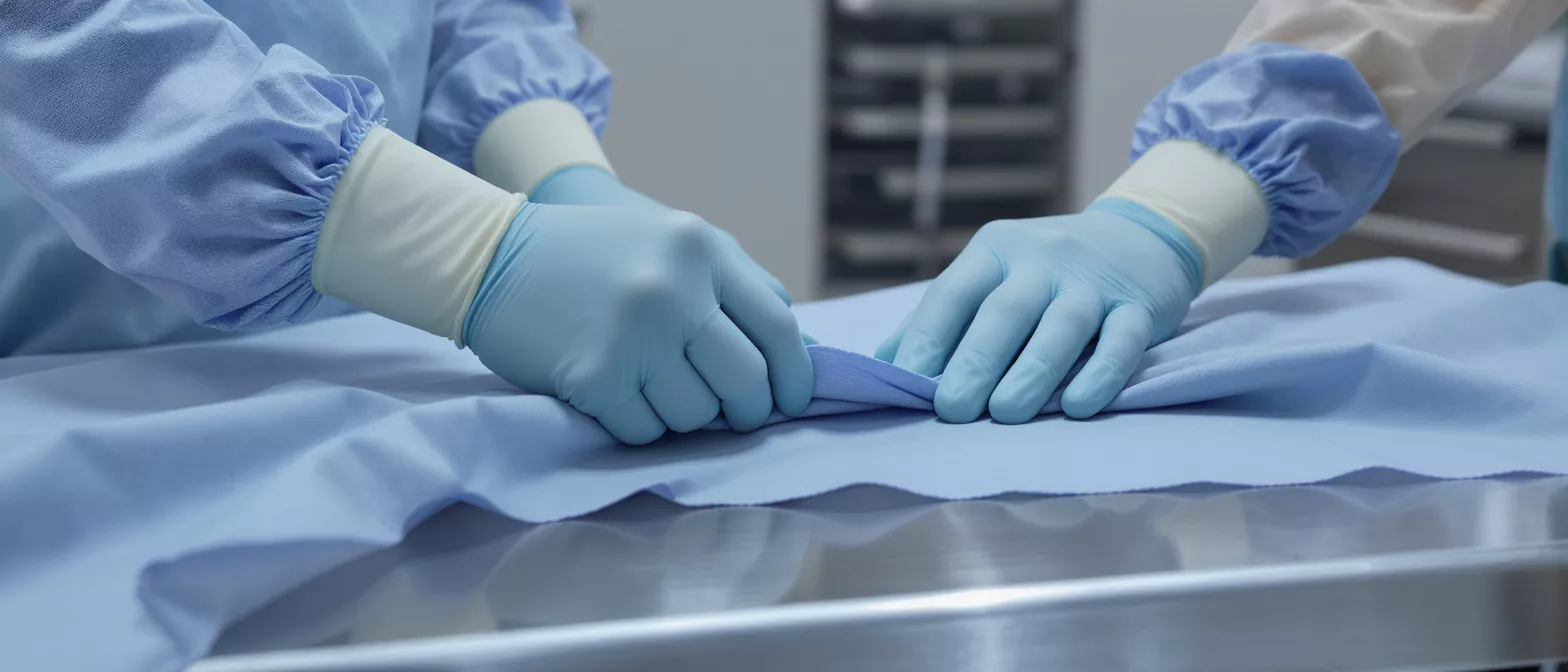
Sterile Field
Learn what a sterile field is in cardiac surgery.
What is a sterile field?
A sterile field is a designated, microbe-free area created within the operating room where surgical procedures take place. It encompasses the patient's prepared skin, the draped surrounding surfaces, and the sterile instruments used by the surgical team. The primary goal of this environment is to eliminate any microorganisms that could enter the body during an invasive procedure.
Why the sterile field definition matters: Understanding this concept helps patients appreciate the rigorous standards upheld in an operating theatre. The definition extends beyond just clean tools; it includes the air above the table, the gowns worn by the surgeons, and the boundaries established to separate clean from contaminated areas.
Every item introduced into this space undergoes intense sterilization processes. By strictly controlling this environment, healthcare providers significantly reduce the risk of introducing bacteria or viruses into a patient's cardiovascular system.
Why is a sterile field important in cardiac surgery?
Cardiac surgery involves accessing the heart and major blood vessels, making the sterile field critically important. Any contamination during these procedures can lead to devastating complications, including deep sternal wound infections or endocarditis. Because the heart and circulatory system are entirely exposed, maintaining an environment free of pathogens is a matter of life and death.
Protecting the cardiovascular system: The heart pumps blood throughout the entire body, meaning an infection introduced during surgery can rapidly become systemic. A single breach in protocol can allow bacteria to colonize the heart valves or the lining of the heart chambers.
Patients undergoing heart surgery often have compromised immune systems or underlying cardiovascular disease. Protecting them from preventable infections is why operating teams adhere to uncompromising standards of cleanliness and spatial awareness.
Maintaining a sterile field in surgery requires coordination from every member of the operating room staff. The sterile field acts as an invisible shield, allowing the surgical team to focus entirely on the intricate repair of the heart without the looming threat of microbial contamination.
How is a sterile field created in the operating room?
Creating this space begins long before the patient enters the operating theatre. The room itself is cleaned with specialized hospital-grade disinfectants, and the air is filtered using high-efficiency particulate air systems to remove airborne particles.
Once the patient is anesthetized, the skin at the incision site is prepped with antiseptic solutions. The team then applies sterile drapes around the surgical site, covering the patient and the surrounding tables to establish a physical barrier against unsterile surfaces.
The sterile field setup process: The surgical team performs a meticulous hand wash, dons sterile gowns, and puts on gloves using a specific technique that avoids touching the outside of the garments. Instruments are unwrapped from their sterilization packs and carefully arranged on the draped back table.
What are sterile field barriers?
Sterile field barriers are the physical and spatial boundaries that separate the sterile zone from the non-sterile environment. Physical barriers include the surgical gowns worn by the team, the gloves covering their hands, and the drapes covering the patient and equipment.
How sterile field guidelines define boundaries: Guidelines dictate that anything below the waist, or any area not visible to the surgeon, is considered non-sterile. This spatial awareness prevents accidental contact with unsterile objects, ensuring the team remains acutely aware of their movements.
- Surgical gowns: Act as a liquid-resistant barrier to prevent microbial migration from the skin to the patient.
- Gloves and cuffs: Cover the hands and the open ends of the gown sleeves, forming a continuous protective layer.
- Adhesive drapes: Secure the sterile area to the patient's skin, isolating the incision site from surrounding bacteria.
How do surgical teams maintain a sterile field?
Maintaining this environment is a dynamic process that requires constant vigilance. Movement within the operating room is minimized, as excessive activity can stir up dust and bacteria from the floor. The circulating nurse acts as a monitor, ensuring that unsterile personnel maintain a safe distance from the main operating table.
Techniques for maintaining sterile field integrity: If a team member suspects their glove or gown has touched an unsterile surface, they must immediately step away and replace the contaminated item. This strict accountability ensures that the integrity of the surgical area is never compromised.
Communication is also vital. The team announces when they are moving, passing instruments, or adjusting equipment to prevent unexpected contact.
What happens if there is a sterile field breach?
A sterile field breach occurs when an unsterile object touches a sterile surface. This can happen if a glove tears, a gown brushes against an unsterile table, or a non-sterile instrument is accidentally passed into the surgical zone.
When a breach is identified, the protocol is immediate and non-negotiable. The contaminated item is instantly removed from the field, and the affected team member must replace their compromised barrier. There is no waiting or guessing; the protocol dictates an immediate correction.
Sterile field breach consequences: If a breach goes unnoticed and bacteria enter the surgical site, the patient can develop a severe surgical site infection. In cardiac surgery, this can mean prolonged hospitalization, additional surgeries to clean the wound, and a significantly longer recovery time.
Sterile field protocol surgery requirements
Sterile field protocol surgery rules are universally established by organizations like the Association of periOperative Registered Nurses. These protocols provide a standardized framework that every cardiac surgery team follows to ensure patient safety.
Sterile field requirements for the team: All personnel entering the operating room must wear proper surgical attire, including masks, hair coverings, and shoe covers. Those participating directly in the surgery must undergo a strict scrubbing procedure before donning their protective garments.
The protocols also specify how instruments are sterilized, wrapped, and presented to the field. If an instrument wrapper is torn or damp, the entire tray is considered contaminated and must be sent back for reprocessing.
Who is responsible for sterile field infection control?
Sterile field infection control is a shared responsibility among the entire operating room team. The lead surgeon, surgical assistants, scrub nurse, and circulating nurse all play critical roles in upholding the standards of the sterile zone.
The role of the circulating nurse: While the scrubbed team focuses on the procedure, the unsterile circulating nurse monitors the environment. They are the eyes and ears of the unsterile area, tasked with identifying potential contamination and enforcing protocols.
Every individual in the room is accountable for speaking up if they observe a potential issue. This culture of mutual oversight ensures that infection control remains a unified effort, prioritizing the patient's safety above all else.
How does sterile field training work for surgical staff?
Sterile field training begins during medical and nursing school and continues throughout a professional's career. Students learn the fundamental principles of microbiology and infection prevention before they ever step into an operating theatre.
Practicing sterile field techniques: Training involves hands-on practice where individuals learn how to scrub, gown, and glove without contaminating themselves. They practice moving around a simulated operating room to build muscle memory for spatial awareness.
Ongoing education ensures that staff stay updated on the latest guidelines and evidence-based practices. Regular competency checks help ensure that these critical habits are maintained over the course of a career.
Understanding sterile field meaning for patients and families
For patients and families awaiting cardiac surgery, understanding the meaning of a sterile field provides peace of mind. Knowing that such meticulous, science-backed protocols are in place to protect the heart can alleviate some of the anxiety surrounding the procedure.
Why patients see strange attire: The elaborate hats, masks, and gowns worn by the surgical team are not for dramatic effect. They are essential components of the sterile field requirements, specifically designed to keep the environment as clean as possible.
When you see your loved one taken into the operating room, you can trust that an invisible, rigorously enforced shield is being built around them. The entire team is deeply committed to preserving this environment, ensuring the best possible outcome for your heart.






