

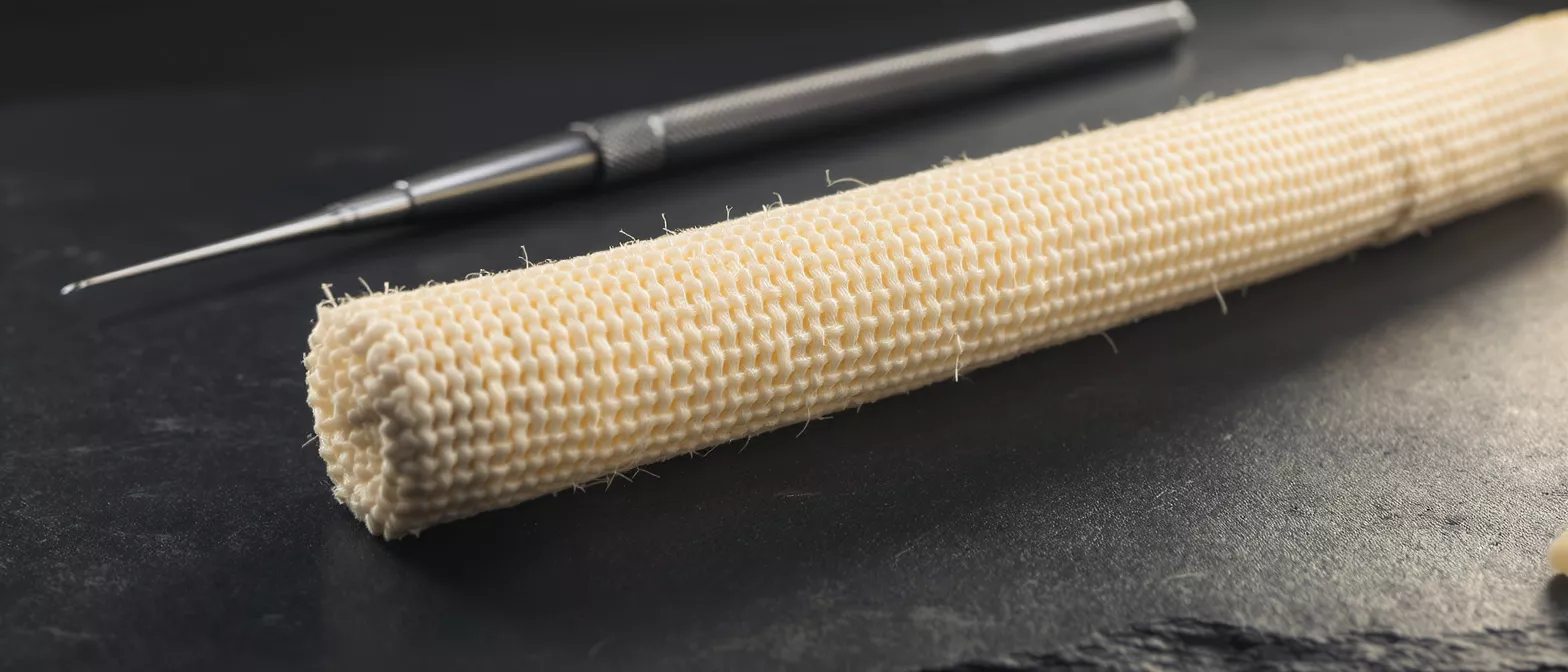
Polyester Graft
Learn how a polyester (PET) graft replaces damaged blood vessels in cardiac surgery, including graft types, recovery, longevity, and possible complications.
What is a Polyester Graft?
A polyester graft is a synthetic tube used in cardiovascular surgery to replace or bypass damaged blood vessels. When a patient's natural artery or vein is diseased, weakened, or ruptured, surgeons use this durable medical textile to restore healthy blood flow. For patients facing heart procedures, understanding this material can ease much of the anxiety surrounding the operation.
What is the formal medical term for this graft? The formal medical term is a polyester vascular graft. The material is a specific type of polyester fiber (polyethylene terephthalate, or PET) that has been tightly woven or knitted into a fabric. This fabric is then engineered to be perfectly compatible with the human body, serving as a reliable, artificial blood vessel.
In cardiac surgery, this material is essential because it does not degrade over time. The human immune system does not reject it, and it provides a sturdy, flexible scaffold that mimics the natural elasticity of a healthy aorta. This makes it a standard tool for repairing the heart's most critical pathways.
How Polyester Graft Heart Surgery Works
During polyester graft heart surgery, the surgeon carefully removes the damaged portion of the blood vessel and replaces it with the synthetic tube. The graft is sewn into place using fine, permanent sutures. Once connected, blood flows smoothly through the new pathway, reducing strain on the heart and preventing the risk of a vessel bursting. Surgeons often rely on a specialized cardiovascular polyester graft to ensure the best fit for high-pressure blood flow.
How does the synthetic graft function long-term? Once implanted, the body's natural healing processes take over. Cells from the patient's own blood vessels slowly grow into the microscopic pores of the woven fabric. This process, known as graft healing or incorporation, creates a smooth inner lining that mimics a natural vessel, helping blood flow naturally and preventing clots from forming.
The procedure is typically performed under general anesthesia and requires a highly skilled surgical team. The heart may be temporarily stopped and the patient placed on a heart-lung machine, allowing the surgeon to work on a still, bloodless field to ensure absolute precision. This approach is vital when dealing with life-threatening conditions.
Types of Polyester Vascular Graft Materials
Not all synthetic grafts are identical. Surgeons choose between different polyester vascular graft materials based on the specific needs of the patient. The primary variations include woven, knitted, and grafts treated with special coatings to prevent leaking and improve healing.
What are synthetic vascular graft differences? Woven grafts are tightly constructed, making them highly durable and less prone to leaking blood through the fabric. Knitted grafts have larger pores, allowing body tissues to grow into the material more easily, which promotes better healing, but they require pre-clotting or special coatings to prevent bleeding during the operation.
Today, most modern grafts are impregnated with materials like collagen or gelatin. These coatings seal the graft to prevent blood from seeping through the pores during surgery. They also contain specialized markings to help the surgeon align the graft perfectly, ensuring optimal blood flow dynamics once the repair is complete.
When is an Aortic Polyester Graft Replacement Needed?
An aortic polyester graft replacement is most commonly needed when the aorta, the largest artery in the body, becomes dangerously enlarged or ruptured. This condition, known as an aortic aneurysm, occurs when the vessel wall weakens and balloons outward. If left untreated, it can burst, leading to severe internal bleeding and life-threatening emergencies.
When is urgent repair with a polyester graft required? Beyond aneurysms, urgent graft repair is necessary if a patient suffers an aortic dissection. This happens when the inner layer of the aorta tears, causing blood to split the vessel wall apart. A synthetic graft is used to replace the torn segment, restoring normal circulation and preventing organ damage.
Sometimes, the procedure is planned in advance if imaging tests show an aneurysm is growing steadily. Other times, it is an emergency operation performed to save a life. In both scenarios, the goal is to replace the fragile tissue with a strong, permanent synthetic vessel that the patient can rely on for decades.
Polyester Graft vs Vein Graft Comparisons
When planning vascular surgery, doctors evaluate the differences between a polyester graft and a vein graft. Vein grafts use the patient's own blood vessels, typically harvested from the leg, while synthetic grafts use laboratory-made materials. The choice depends heavily on the size of the artery being repaired and the overall health of the patient's veins.
Why choose one over the other? For smaller arteries, such as those in the legs or for coronary bypass, biological vein grafts are often preferred because they are natural tissue. However, for larger vessels like the aorta, a vein would not be strong enough to withstand the high pressure. The strong synthetic material is required to endure that force over time.
Polyester vascular grafts are always used for aortic repairs. For surgeons managing peripheral vascular disease, selecting a reinforced cardiovascular stent graft is an excellent choice for restoring circulation to the lower extremities when biological options are not suitable.
Polyester Graft Procedure and Recovery Overview
Understanding the polyester graft procedure and recovery process helps patients prepare mentally and physically for what lies ahead. The surgery itself takes several hours, depending on the complexity of the repair. Patients are closely monitored in the intensive care unit immediately afterward to ensure stability as the heart and vascular system adjust to the new graft.
What happens during recovery from a polyester graft? Recovery from major cardiovascular surgery involves a hospital stay of a week or more. Patients will experience fatigue, incisional pain, and a gradual return to normal activities. Cardiac rehabilitation is highly recommended to help rebuild strength and ensure the cardiovascular system functions efficiently with the new synthetic vessel.
Patients are typically advised to avoid heavy lifting or strenuous activity for several weeks to allow the chest or abdomen to heal properly. Follow-up appointments are critical. Surgeons use imaging like CT scans to monitor the graft, ensuring it remains intact and functions perfectly as the patient heals. Some patients use a postoperative abdominal binder to provide extra support and reduce pain during the initial healing phase.
Polyester Graft Longevity and Durability
One of the most common questions patients ask involves how long a polyester graft lasts. Many worry that a synthetic material might wear out or fail over time. Fortunately, these grafts are engineered to last a lifetime. The tightly woven synthetic fibers are incredibly durable and do not degrade or weaken inside the human body.
How long do synthetic grafts last? Because the material is inert and biocompatible, the body does not break it down. The graft remains structurally sound indefinitely. The smooth inner lining that develops as the body heals around the material prevents blockages, ensuring long-term success for the patient.
- Routine Monitoring: Regular imaging checks ensure the graft remains stable and free of complications over the years.
- Structural Integrity: The synthetic fibers do not stretch or weaken, providing lifelong vascular support.
- Quality of Life: Patients can return to normal activities knowing their repaired blood vessel is permanently reinforced.
Understanding Polyester Graft Complications
While highly successful, it is important to be aware of potential complications of the synthetic graft. Modern surgical techniques and graft coatings have drastically reduced risks, but complications can still arise. Knowing the signs helps patients seek timely medical attention if something feels wrong during their recovery.
What are the main risks? The most common issue is bleeding at the suture lines shortly after surgery, which surgeons manage in the hospital. Later complications can include a narrowing of the graft, known as stenosis, or the formation of blood clots inside the synthetic vessel. Patients are often prescribed blood thinners to prevent these clots from forming.
Another rare but serious risk is graft infection. If bacteria enter the bloodstream and attach to the synthetic material, it can be challenging to treat because the body cannot easily fight infections on artificial surfaces. Patients must be vigilant about dental work and minor procedures, sometimes requiring antibiotics as a preventative measure.
Preventing Polyester Graft Infection
Preventing infection of a polyester graft is a critical part of post-operative care. Because the graft is a foreign material, bacteria can easily colonize it if they enter the bloodstream. Patients must communicate with their doctors before any future medical or dental procedures to ensure proper antibiotic prophylaxis is administered.
How do you protect the synthetic vascular graft? Good hygiene and prompt treatment of any infections, such as skin infections or pneumonia, are essential. Patients should never ignore symptoms like fever, chills, or unexplained pain, as early intervention is key to protecting the integrity of the vascular repair. The surgical site must also be kept clean and dry until fully healed.
Doctors will provide specific guidelines on when antibiotics are necessary. For example, routine dental cleanings can release bacteria into the blood, requiring a protective dose of medication beforehand. Patients should always inform their dentist and other physicians about their synthetic graft. Those looking for additional support might consider medical-grade circulatory support stockings to aid overall lower-body blood flow.
Conclusion and Key Takeaways
Understanding what a synthetic repair involves empowers patients to approach their surgery with confidence. The development of this technology has transformed cardiac care, offering a reliable, permanent solution for severe vascular conditions. By replacing damaged vessels with strong, biocompatible materials, surgeons can restore healthy blood flow and save lives.
Key takeaways to remember: The graft is designed to last a lifetime, integrating seamlessly with the body's natural tissues. While complications are rare, awareness of potential risks like infection helps patients take proactive steps in their recovery. Regular check-ups and good communication with healthcare providers ensure the best outcomes.
Ultimately, cardiac surgery is a major milestone, but the medical advancements that make these procedures possible are truly remarkable. By following medical advice and participating in cardiac rehabilitation, patients can return to a full, active life with a reinforced, healthy heart and vascular system.






