

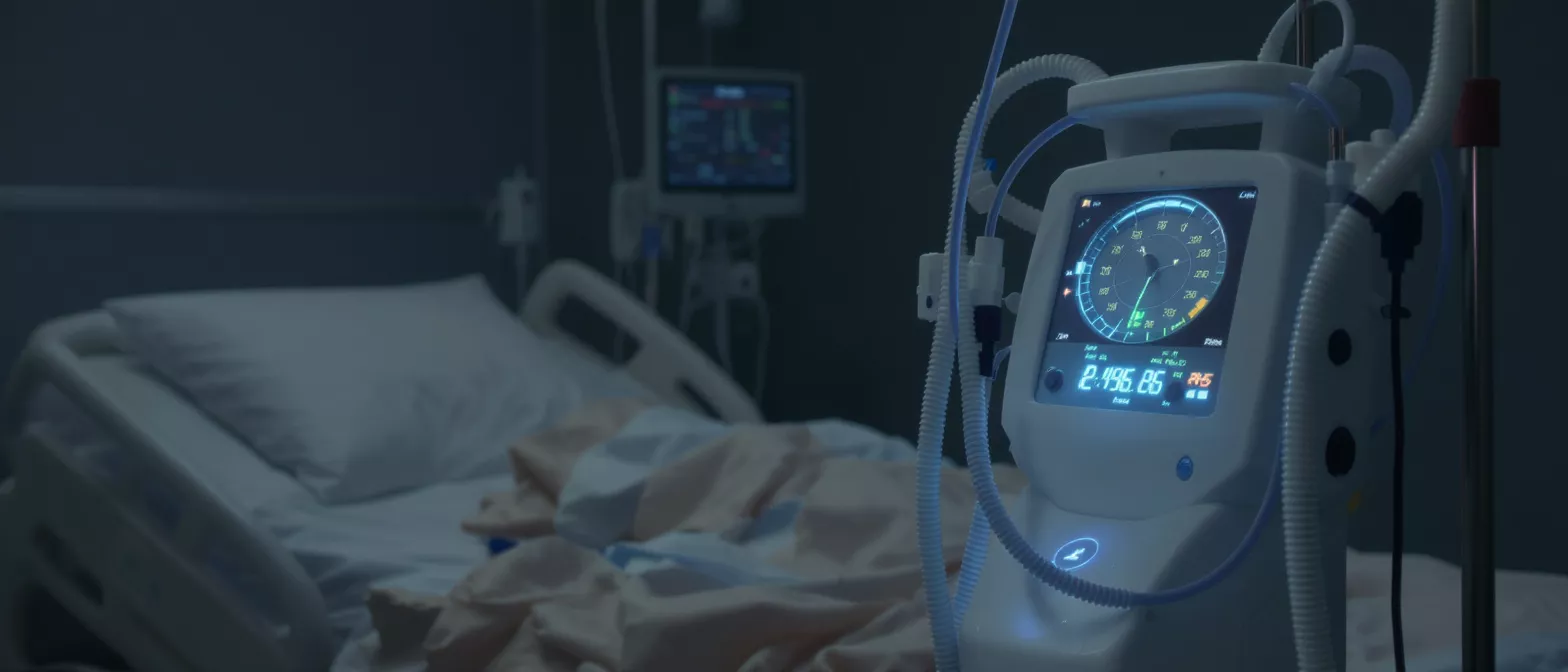
Renal Replacement Therapy
Explore renal replacement therapy options for cardiac patients.
What is renal replacement therapy?
When the kidneys can no longer filter waste and excess fluid from the blood effectively, renal replacement therapy steps in to perform this vital function. The treatment acts as an artificial substitute for the natural filtration system, removing toxins, balancing electrolytes, and managing fluid levels. For patients facing acute or chronic kidney impairment, this medical intervention becomes a lifeline, ensuring the body's internal environment remains stable enough to support recovery, especially after major cardiovascular surgery.
Acute versus chronic kidney scenarios: This therapy is not solely a long-term commitment. In a cardiac intensive care setting, it is frequently used as a temporary measure to support a patient experiencing acute kidney injury. When the kidneys are stunned by the stress of surgery or severe illness, the therapy bridges the gap until the organs recover their natural function.
Understanding the purpose of these treatments helps alleviate the anxiety patients often feel when first encountering the equipment. The machinery may appear intimidating, but its sole purpose is to mimic the precise, continuous work healthy kidneys do silently every day. Your medical team will monitor your blood chemistry continuously to adjust the therapy to your exact physiological needs.
Why cardiac patients need renal support
The heart and kidneys are deeply interdependent; when one struggles, the other often suffers. During complex cardiac surgery, the body undergoes significant shifts in blood flow, blood pressure, and fluid balance. These necessary surgical changes can temporarily reduce blood supply to the kidneys, leading to a condition known as acute kidney injury. In such cases, providing renal support gives the kidneys time to heal without the burden of filtering toxins independently.
Fluid overload and heart strain: If the kidneys fail to produce enough urine, fluid builds up in the bloodstream and tissues. This excess fluid forces an already recovering heart to work harder, which can severely complicate postoperative healing. By mechanically removing this fluid, the therapy protects the new surgical repairs and reduces the physical workload on the cardiovascular system.
This intervention is typically a proactive, short-term strategy utilized in the intensive care unit. By taking over the filtration workload, the equipment ensures the heart's recovery is never compromised by chemical imbalances or fluid retention. The care team will closely track your lab values to determine when your kidneys are ready to safely resume their natural function.
How does hemodialysis work?
Hemodialysis is the most recognized form of therapy, utilizing a machine to clean the blood outside the body. Blood is gently routed through a specialized filter—called a dialyzer—which acts as an artificial kidney. Inside the dialyzer, waste products and extra fluid are pulled across a membrane, allowing the cleaned blood to safely return to the patient.
Accessing the bloodstream safely: To facilitate this process, a vascular access point is established, usually via a central venous catheter placed in the neck or chest for temporary use. This access allows blood to travel to the machine and back without disrupting circulation. Your nurses and technicians will maintain strict sterile techniques at this site to prevent any risk of infection.
For patients needing short-term support after heart surgery, the treatment sessions are carefully scheduled to match their clinical stability. The duration and frequency depend entirely on lab results, fluid status, and the patient's overall cardiovascular health, ensuring the therapy is always tailored to the individual's current needs.
Peritoneal dialysis explained
Unlike hemodialysis, peritoneal dialysis uses the body's own abdominal lining—the peritoneum—as the natural filter. A gentle cleansing fluid is introduced into the abdominal cavity through a soft catheter. The fluid absorbs waste and excess fluid from the blood vessels lining the peritoneum, and is then drained away, carrying the toxins out of the body.
How it differs from machine-based filtration: Because this method does not require blood to leave the body or a mechanical pump to circulate it, it offers a gentler approach. It is typically used for chronic kidney failure management rather than acute, postoperative intensive care, providing a steady, continuous form of filtration.
This modality is generally managed by the patient at home after extensive training, giving them autonomy over their long-term care. While less common immediately following cardiac surgery, it remains a vital option for patients who transition to long-term renal management due to pre-existing end-stage renal disease. Choosing the right modality depends on surgical recovery and lifestyle factors.
What is continuous renal replacement therapy?
Continuous renal replacement therapy, or CRRT, is a slower, gentler filtration process designed specifically for critically ill patients. Instead of rapidly removing fluid and waste over a few hours, CRRT operates continuously over twenty-four hours. This slow, steady approach closely mimics the natural function of healthy kidneys, preventing sudden drops in blood pressure.
Why CRRT is preferred for hemodynamically unstable patients: After complex heart surgery, a patient's cardiovascular system is fragile. Rapid fluid removal typical of standard intermittent dialysis can cause dangerous fluctuations in blood pressure and stress the heart. CRRT allows for precise, minute-by-minute fluid management, offering safe renal support without destabilizing the patient's cardiovascular recovery.
Because it runs constantly, the care team can adjust the prescription dynamically based on real-time lab results and fluid intake. This precision makes CRRT the standard of care in cardiac intensive care units for patients who cannot tolerate the aggressive pace of traditional hemodialysis. Patients seeking gentle fluid management supplies will find this approach prioritizes safety and stability above all else.
CRRT vs intermittent dialysis differences
The primary distinction between continuous and intermittent therapy lies in the speed and duration of treatment. Intermittent hemodialysis works quickly, completing a filtration cycle in three to four hours, which is effective for patients with stable blood pressure. Continuous therapy runs without interruption, processing the blood at a much slower rate to ensure cardiovascular stability.
Understanding the difference helps families grasp why one method is chosen over another in the intensive care setting. The choice is always made to protect the heart and optimize the kidneys' chance of recovery.
- Duration: Intermittent is short and fast; continuous runs 24/7.
- Cardiac impact: Continuous is chosen when blood pressure is fragile to avoid stressing the heart.
- Precision: Continuous allows for minute-by-minute adjustment of fluid removal rates.
Both methods achieve the same fundamental goal of cleaning the blood, but their application depends heavily on the patient's hemodynamic tolerance. As a patient stabilizes post-surgery, the team may transition them from continuous therapy to intermittent sessions before stopping treatment altogether.
Kidney transplant as a long-term option
For patients whose kidneys do not recover and face permanent kidney failure, a transplant may become the preferred long-term strategy. This surgical procedure places a healthy, functioning kidney from a donor into the recipient's body. The new organ takes over the complete filtration process, freeing the patient from ongoing machine-based treatments.
How it fits into cardiovascular care: A patient must achieve cardiovascular stability before being considered for transplant. Post-heart surgery recovery is paramount; once the heart is strong, the patient can be evaluated for a transplant list. The transplanted kidney relieves the physiological burden on the heart by restoring natural fluid and blood pressure regulation.
A transplant is not an immediate solution for acute postoperative kidney injury but rather a definitive step for irreversible end-stage disease. Navigating this path requires a collaborative team of cardiologists and nephrologists working together to ensure the heart is strong enough to withstand the future procedure.
Risks and recovery expectations
While renal replacement therapy is life-saving, it carries inherent risks, particularly for those recovering from cardiac procedures. The most significant concern during mechanical filtration is a sudden drop in blood pressure, which can stress the recovering heart. Your care team uses advanced monitoring to anticipate and prevent these drops, adjusting the therapy's pace as needed.
Bleeding and infection risks: To prevent blood from clotting inside the machine, patients are given anticoagulants, which slightly increase the risk of bleeding. Additionally, the vascular access points present a route for potential infection. The intensive care unit maintains rigorous protocols to manage these risks effectively.
Recovery expectations depend entirely on the underlying cause of the kidney injury. Many cardiac patients experience a full recovery of kidney function within days to weeks as the body heals from surgery. The therapy serves as a vital bridge, maintaining internal balance until the kidneys can safely resume their workload.
Life after treatment quality of life
Surviving acute kidney injury and the subsequent need for mechanical filtration leaves many patients wondering about long-term health. Once the kidneys recover and the therapy is discontinued, most patients can return to their normal baseline activities, though cardiac rehabilitation remains a priority. Quality of life post-recovery is generally high, provided the underlying heart condition is well-managed.
Patients who transition to long-term intermittent dialysis due to permanent kidney damage often adapt well to their new routines. Consistent communication with your healthcare providers ensures that both cardiac and renal health are monitored together, preventing future complications.
- Nutrition: A heart-healthy, kidney-friendly diet is essential to reduce filtration workload.
- Activity: Gradual return to physical activity helps strengthen the cardiovascular system safely.
- Monitoring: Regular check-ups track kidney function markers and cardiac output simultaneously.
Investing in blood pressure monitors for home use empowers patients to track their cardiovascular health proactively between appointments. This active participation in daily health management is a key factor in achieving the best possible long-term outcome.
Talking to your cardiac team
Open communication with your surgeons, nephrologists, and nursing staff is the most powerful tool a patient has. If you or a loved one requires renal support after heart surgery, do not hesitate to ask questions. Understanding why a specific modality was chosen, how long it will last, and what benchmarks indicate recovery can significantly reduce anxiety.
Your medical team expects and welcomes these questions. They are there to guide you through the complexities of cardiac and renal interplay, ensuring you understand the roadmap to recovery. Write down your concerns or have a family member present to help retain the detailed information shared during rounds.
Recovering from heart surgery is challenging enough without the added stress of kidney complications. Trust in the highly coordinated, specialized care designed to protect both your heart and your kidneys, ensuring a safe and steady journey back to wellness.






