

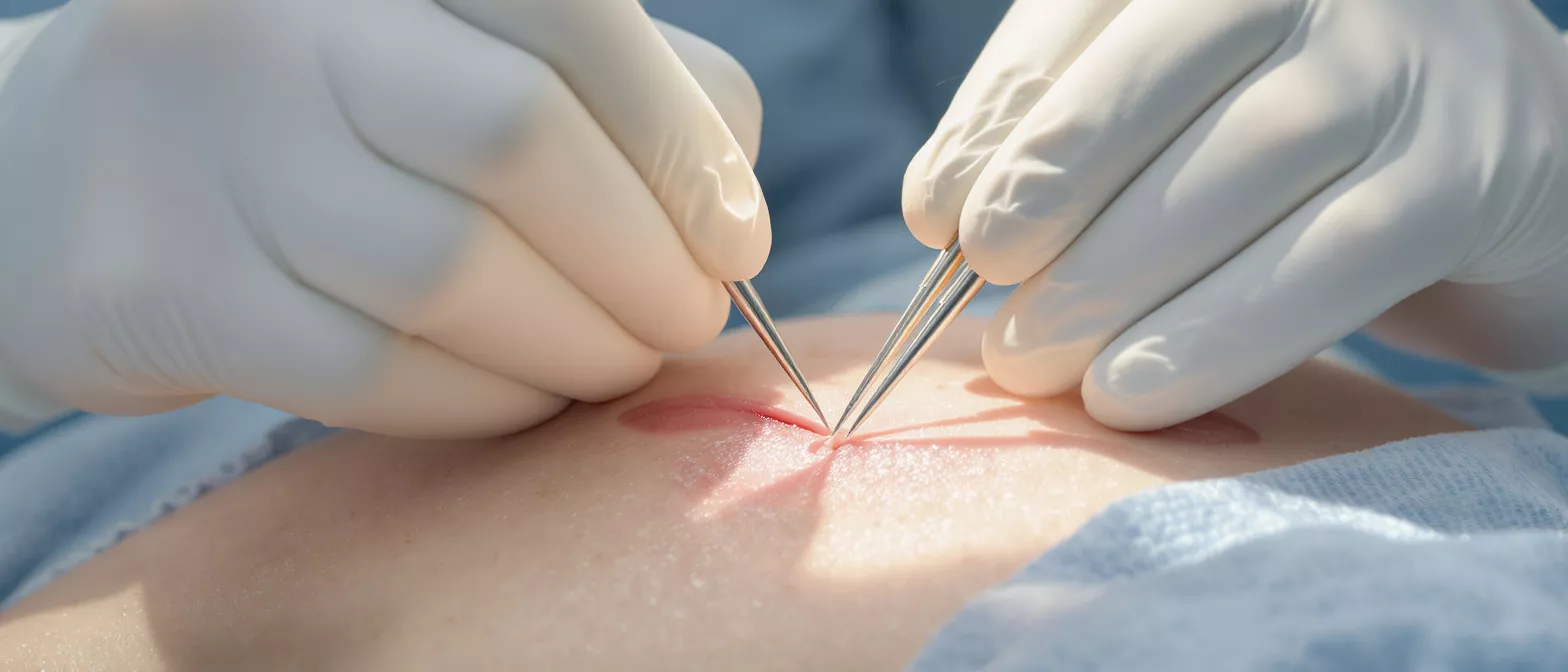
Wound Dehiscence
Understand wound dehiscence after cardiac surgery: causes, symptoms, treatment, and prevention.
What is Wound Dehiscence?
Wound dehiscence is the partial or complete separation of the layers of a surgical incision before it has fully healed. When a surgeon closes a wound—whether on the chest, abdomen, or elsewhere—they bring the tissue layers together with sutures, staples, or adhesive. Dehiscence occurs when those layers pull apart, leaving the underlying tissue exposed.
What partial versus complete separation means: Partial dehiscence involves only the outer layers of skin or tissue, while complete dehiscence may extend deeper, involving muscle or fascia. A related but more severe condition is evisceration, where internal organs protrude through the opening—a rare but critical emergency.
Although the term sounds alarming, it is a recognized postoperative wound complication that surgical teams watch for closely. Prompt identification allows for immediate intervention, and most cases resolve with appropriate wound care and monitoring.
Why Wound Dehiscence Matters After Cardiac Surgery
Cardiac operations typically involve a sternotomy—an incision along the breastbone—to access the heart. The sternum is held together with wires after the procedure, but the overlying skin and soft tissue must heal in layers. If the outer layers separate, the deeper structures become vulnerable to infection and mechanical stress.
Sternum wound dehiscence risk: When separation occurs at the sternal incision, it can expose the wires holding the breastbone together. This raises the chance of deep sternal wound infection, a serious complication that may require prolonged treatment and further surgery.
Recognizing early signs of wound separation helps protect the surgical site and preserves the integrity of the bone beneath. Patients who understand what to look for can alert their care team before a minor issue becomes a major setback.
Wound Dehiscence Symptoms and Signs
Early detection is vital, and patients are often the first to notice that something has changed at their incision site. Wound dehiscence symptoms can appear gradually or suddenly, so knowing what is normal during recovery helps distinguish healing from a developing complication.
Visible separation or gaping: The most obvious sign is that the edges of the incision no longer sit together cleanly. A gap may appear between sutures or staples, or the skin may look as though it is pulling apart.
Drainage, pain, and changes around the incision: Watch for new or increased clear fluid, blood, or cloudy discharge. A sudden increase in pain, redness spreading from the wound edge, or warmth in the surrounding skin can also signal that the layers are separating or infected.
Common Wound Dehiscence Causes
Several factors can contribute to a surgical wound opening after the procedure. The healing process requires tissue strength, collagen deposition, and freedom from excessive tension or infection. When these elements are compromised, the closure can fail.
- Increased abdominal pressure: Coughing, straining, or vomiting can force tissue apart, especially in postoperative supportive garments when they are not worn as directed.
- Infection: Bacteria at the site weaken tissue and dissolvable stitches, causing the layers to separate prematurely.
- Poor tissue oxygenation: Reduced blood flow slows collagen production, leaving the incision vulnerable before full strength returns.
Tension on the wound edges is a primary driver of separation. If the skin is stretched too tightly or if external force is applied before healing progresses, the sutures may cut through the tissue. Understanding these causes helps patients modify their activity during early recovery.
Wound Dehiscence Risk Factors
Certain patients face a higher likelihood of experiencing postoperative wound complications. These risk factors do not guarantee a problem will occur, but they do mean the surgical team will monitor healing more closely and may recommend additional precautions.
Diabetes and circulation issues: Elevated blood sugar impairs collagen formation and immune response. Peripheral vascular disease reduces blood flow to the skin, slowing the delivery of oxygen and nutrients needed for repair.
Obesity, smoking, advanced age, and poor nutritional status all increase the likelihood of wound separation. Patients taking corticosteroids or undergoing immunosuppressive therapy also heal more slowly. Recognizing these factors in advance allows for targeted prevention.
How Surgical Wound Healing Complications Develop
Normal wound healing proceeds through three phases: inflammation, proliferation, and remodeling. During the first week, the body clears debris and lays down new tissue. Over the following weeks, new blood vessels form, and collagen provides strength to the incision.
Why the first two weeks are critical: At roughly ten days, a wound has only regained a fraction of its original strength. Most dehiscence events occur during this early window, when the tissue relies entirely on sutures for support. If a closure fails before natural healing takes over, the surgical site opens.
Patients can support this timeline by following activity restrictions, maintaining stable blood sugar, and keeping the incision clean. Understanding the biology behind healing makes the recovery instructions more meaningful and easier to follow.
Wound Dehiscence Treatment and Management
When separation occurs, treatment depends on how deep the opening extends and whether infection is present. The surgical team will assess the wound, often using gentle exploration to determine the depth and severity of the separation.
Local wound care for superficial separation: If only the skin edges have parted and the deeper layers remain intact, the team may clean the area and close it with adhesive strips or new sutures. Patients may be prescribed advanced surgical wound dressings to keep the site protected while it heals by secondary intention.
For deeper separation or infection, treatment may involve reopening the wound, cleaning the tissue thoroughly, and placing drains. Intravenous antibiotics are started if infection is present. In cases of sternal separation, surgical revision may be necessary to stabilize the bone and protect the heart.
Wound Dehiscence Prevention Strategies
Prevention begins before the operation and continues throughout recovery. Optimizing health status ahead of surgery improves outcomes, as does strict adherence to postoperative guidelines designed to protect the incision.
Activity modification and supportive measures: Patients are advised to avoid heavy lifting, sudden pulling, or strenuous exercise during the early weeks.
Proper nutrition, blood sugar control, and smoking cessation are equally important. Protein and vitamins support collagen formation, while stopping smoking restores oxygen delivery to the skin. Patients should attend all follow-up appointments so the surgical team can evaluate healing progress.
Wound Dehiscence Recovery and Follow-Up
Recovery from a separated incision takes longer than standard healing, but most patients achieve full closure with proper care. The timeframe depends on the depth of the separation, the need for antibiotics, and whether surgical revision was required.
Monitoring for wound dehiscence infection: Even after treatment, the site must be watched for spreading redness, fever, or increased pain. Signs of infection can delay healing and require additional intervention if they develop.
Home care involves dressing changes as instructed, keeping the area clean, and gradually returning to activity. Patients should feel empowered to contact their care team between visits if the wound changes in appearance or comfort.
When Is Wound Dehiscence an Emergency?
Most cases of separation are manageable, but certain signs require immediate emergency care. Patients and families should know these warning signs so they can act quickly if the surgical site opens suddenly or deeply.
Wound dehiscence emergency signs: Seek help right away if there is a sudden popping sensation, visible tissue protruding from the wound, or a large amount of bleeding. Fever, chills, or rapid heart rate accompanied by wound changes also warrant urgent evaluation.
In cardiac patients, deep sternal separation can expose the heart and major vessels. Call emergency services or go to the nearest hospital if the sternum appears unstable, makes clicking sounds, or if the wound opens significantly. Rapid treatment prevents serious complications and protects the surgical repair.






