Antimicrobial Shower Before Heart Surgery
An antimicrobial shower before surgery cuts infection risk for heart patients.
If you or a loved one is preparing for open heart surgery, you will likely be told to take an antimicrobial shower before surgery — sometimes the night before, sometimes the morning of the operation, sometimes both. This instruction surprises many patients. A shower seems like such a small thing next to a operation on the heart. Yet skin preparation is one of the simplest, most evidence-supported ways to lower the risk of a surgical site infection, and it starts in your own bathroom, days before you ever reach the hospital.
What Is an Antimicrobial Shower Before Surgery?
An antimicrobial shower before surgery is a wash with an antiseptic cleanser — usually chlorhexidine gluconate (CHG), a liquid soap that kills bacteria on the skin and keeps killing them for hours after you rinse. The goal is not ordinary cleanliness. It is to reduce the number of bacteria living naturally on your skin, especially on the chest, so that fewer organisms can travel into the surgical wound.
Why the chest matters so much. Heart surgery is performed through an incision in the sternum, the breastbone. This is called a median sternotomy. Because the wound sits over bone and the operation often involves foreign material such as sternal wires, an infection there is harder to treat than a typical skin infection. That is why surgical teams are strict about skin preparation.
Antiseptic versus regular soap. Regular soap removes dirt and loosens some bacteria, but it does not linger on the skin. Antiseptic washes like CHG bind to the skin surface and keep working after the rinse, which is what makes them useful in the days right before an operation.
Why Do Heart Surgery Patients Need Preoperative Skin Cleansing?
Every surgical wound carries a risk of infection. A surgical site infection happens when bacteria on the skin — normally harmless there — enter the incision and multiply. In heart surgery this risk deserves special respect because the incision crosses the breastbone and the operation can involve the bloodstream itself.
Why hospitals make you shower more than once. Skin is not sterile and never will be. Bacteria grow back within hours. Repeating the antiseptic wash over two or three days lowers the bacterial count more than a single shower can, which is why many pre cardiac surgery hygiene protocols ask for several washes before the operation date.
The stakes of infection are not trivial. A major 2019 systematic analysis published in The Lancet estimated that bacterial antimicrobial resistance was associated with hundreds of thousands of deaths worldwide in a single year — a reminder that preventing infections in the first place matters far more than treating them afterwards.
What we see in consultation. In our consultations we always review the patient's skin condition, recent wounds, and any history of sternal or catheter infections, because these details shape the infection-prevention plan around the operation.
Chlorhexidine Shower Before Surgery: How Does It Work?
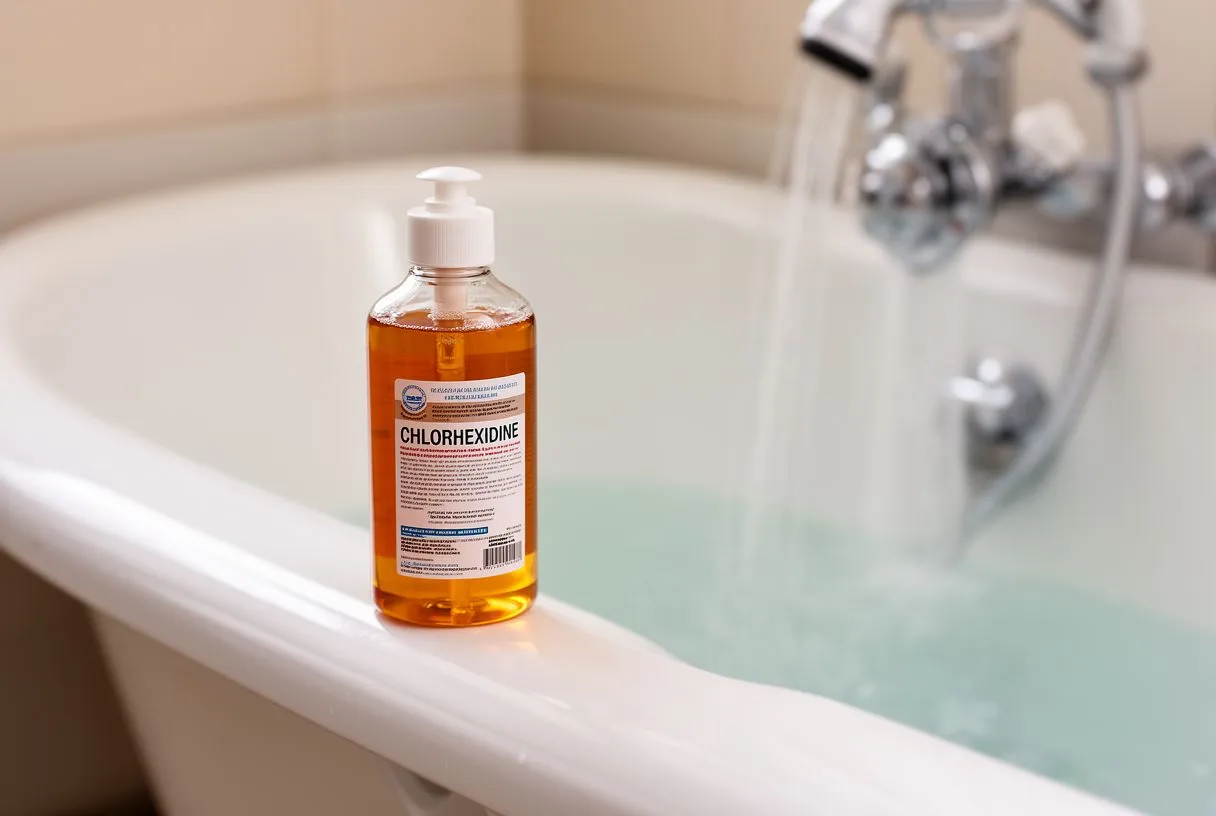
Chlorhexidine gluconate is the antiseptic most hospitals use for a chlorhexidine shower before surgery. It disrupts the membranes of bacterial cells, killing a broad range of organisms. Unlike alcohol-based solutions, it keeps working on the skin for several hours after application — a property called residual activity.
Where you apply it. CHG wash is applied all over the body, from the neck down, with particular attention to the chest, neck, armpits and groin — the areas where incisions or catheters are most likely to be placed. The wash should not go into the eyes, ears or mouth.
Why you should not scrub hard. Vigorous scrubbing can irritate the skin, and irritated skin is a worse barrier than calm skin. A gentle, thorough wash is the goal. Wet the skin, apply the cleanser, leave it in contact for the time the instructions specify — often a minute or two — then rinse completely.
Sensitivity and reactions. Some people develop skin irritation from CHG. If you notice rash, itching or burning during your practice washes, tell your surgical team rather than stopping on your own. There are alternatives, and the team can adjust the protocol.
How to Shower Before Heart Surgery: A Step-by-Step Guide
Knowing how to shower before heart surgery correctly matters as much as knowing why. A rushed shower with the wrong technique gets only a fraction of the benefit. Here is how most hospital protocols — and our own written instructions — ask patients to do it.
- Wash your hair first with your regular shampoo, then rinse thoroughly before moving to the body wash, so hair products never run over freshly treated skin.
- Apply the antiseptic wash from the neck down using your hands or a clean washcloth, covering chest, abdomen, back, arms, legs and groin.
- Let it sit for the contact time on the label, usually around one to two minutes, before rinsing with clean running water.
- Dry with a freshly washed towel and put on clean clothing and clean bedding afterwards — re-contaminating the skin defeats the whole exercise.
Small details that matter. Avoid applying lotions, creams or deodorant after an antiseptic shower, because they can leave a film that blocks the antiseptic's residual action. Skip anything that could scratch the skin, and do not shave the surgical area yourself — clipping is done by the hospital team if needed, and razors cause tiny cuts that bacteria can enter.
Cold water is fine. Water temperature does not affect the antiseptic. Comfort matters more; use whatever temperature lets you take your time and cover every area properly.
When Should You Start a Preoperative Antimicrobial Shower?
Timing varies between hospitals, but a common approach is to begin one to three days before surgery and repeat the wash each day, including the night before and the morning of the operation. Your surgical team will give you an exact schedule — follow theirs, not a generic one you find online.
Why repeat rather than once. A single shower lowers bacteria temporarily, but skin repopulates quickly. Repeated washes on consecutive days drive the count down steadily, which is the point of a pre surgery antibacterial body wash protocol rather than a one-off scrub.
The night before versus the morning of. Both matter. The night-before wash removes the day's accumulation; the morning-of wash deals with bacteria that grew back overnight and with anything picked up from bedding if it was not freshly changed.
What if you miss a shower? Do not double up with harsh scrubbing. Simply continue the schedule and tell the team when you arrive. In our own preoperative instructions we ask patients to complete every scheduled wash but also to report any skin reaction or missed step honestly, because the team can manage small deviations — what matters is that the skin arrives in the best state possible.
What Are the Symptoms of Shower Head Sickness?
"Shower head sickness" is not a medical diagnosis. It is a popular term for illness people attribute to bacteria living inside shower heads and household plumbing, most notably mycobacteria and Legionella. For most healthy people, showering is entirely safe. But it is worth knowing what symptoms people are talking about.
Respiratory symptoms. Inhaling fine aerosol droplets from a contaminated shower head can, in susceptible people, lead to a persistent cough, breathlessness, fatigue or low-grade fever. Legionella, the bacterium behind Legionnaires' disease, is the best known example.
Skin and soft-tissue issues. Nontuberculous mycobacteria from household plumbing have been linked to skin infections, typically small bumps or non-healing lesions, more often in people with weakened immune systems.
As Verywell Health has reported in its coverage of showerhead microbiology, shower heads can indeed harbor biofilms of bacteria — but for the general population this rarely causes illness. The concern becomes more relevant for people facing major surgery, whose immune defenses will be temporarily divided.
Can You Get Legionella or Serratia marcescens From Your Shower Head?
Yes, in principle — both bacteria can live in shower heads and plumbing, and both have caused infections through inhalation or contact. Realistically, healthy people are rarely affected, but a patient recovering from heart surgery is not a healthy baseline, so a few practical precautions are worth taking.
Serratia marcescens. This bacterium is famous for the pink or orange film it leaves in bathrooms — the pink slime around drains and in soap dishes. It is an opportunistic organism: harmless for most people, but capable of causing wound and urinary infections in vulnerable ones. How can you remove Serratia marcescens from your shower? Clean the affected surfaces with a chlorine-based cleaner or a disinfectant, let it sit, scrub, rinse and dry; clean the shower head itself by removing it and soaking it, and dry surfaces after use so the film cannot regrow. For a preoperative patient, the important thing is a genuinely clean shower environment for the antiseptic washes — a pink-slimed stall and a sterile skin protocol do not belong together.
Legionella. Legionella grows in warm, stagnant water. Can you get Legionella from your shower head? It is possible through inhaling aerosolized droplets, and outbreaks have been traced to building water systems — but home showers are a less common source, and simple measures reduce the risk further: if the shower has been unused for days, flush it with hot water for a couple of minutes before standing under it.
Before a scheduled operation we encourage patients to give the bathroom a proper clean in the week before surgery and to change bedding the night before the antiseptic washes begin — it is a small step that supports everything the hospital does.
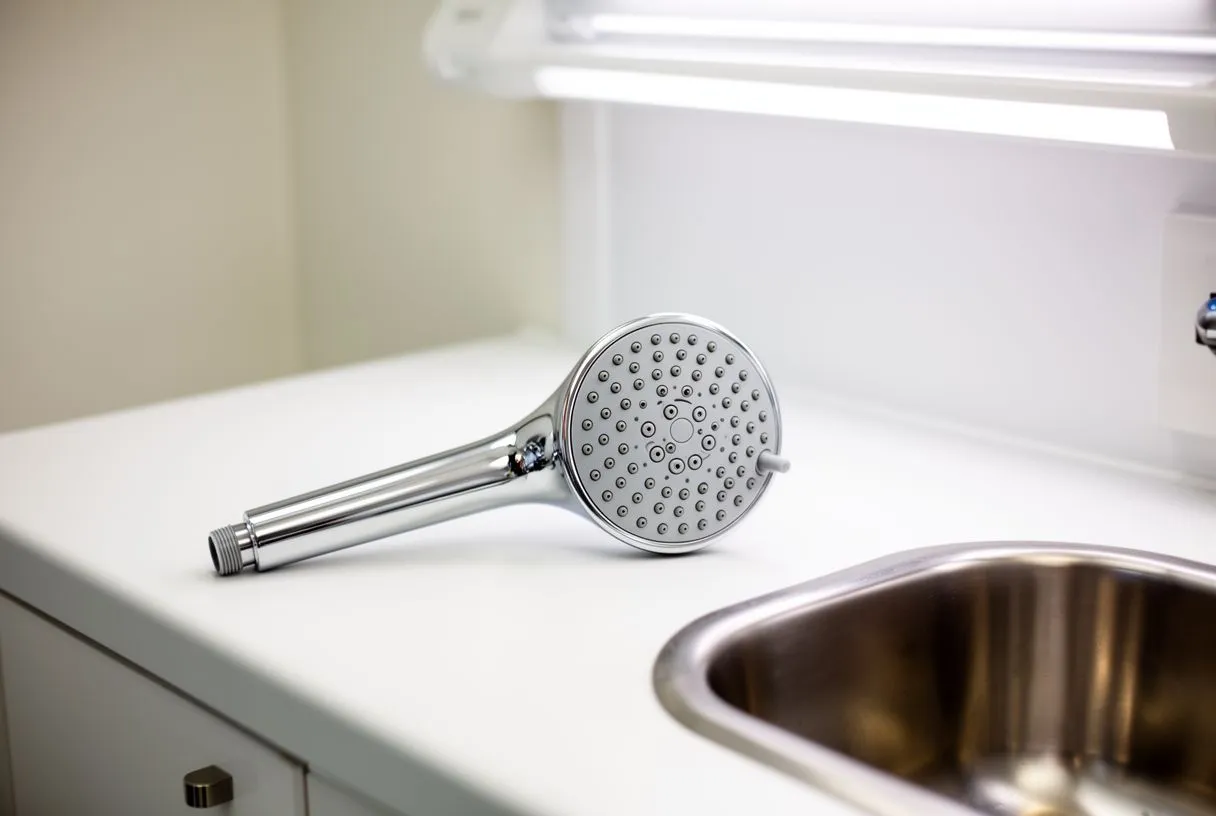
Is There a Shower Filter for Bacteria?
Yes — is there a shower filter for bacteria? is a question with a real answer. Filters that attach to the shower head or in-line with the hose are marketed for chlorine, sediment and, in some designs, microbes. Their effectiveness against bacteria varies considerably, and no consumer filter replaces hospital-level water hygiene.
What filters actually do well. Most household shower filters reliably reduce chlorine and mineral scale. Scale reduction also slows biofilm buildup inside the head, which is a genuine, if modest, hygiene benefit.
What they cannot promise. Bacteria inside a biofilm — the slimy community that lines plumbing — are far harder to remove than free-floating organisms. A filter reduces what passes through it; it does not sterilize the plumbing behind it. For patients preparing for cardiac surgery, the meaningful measures are simpler: a clean shower environment, a freshly laundered towel and bedding, and the prescribed antiseptic washes.
Antimicrobial shower heads. Some shower heads are marketed with antimicrobial nozzle materials designed to inhibit bacterial growth on the head itself. These can reduce buildup and make cleaning easier. They are a reasonable household upgrade — but they are a convenience product, not a medical intervention, and no one should delay surgery or change a prescribed skin-preparation protocol around them.
What Is the Best Soap Before Heart Surgery?
Patients ask constantly what the best soap before heart surgery is. The honest answer: the one your surgical team prescribes. In most cardiac programs that is a chlorhexidine gluconate wash, available over the counter at pharmacies in liquid form. If your team did not name a product, ask — do not substitute a "antibacterial" consumer soap and assume it is equivalent.
Why a prescribed antiseptic beats consumer products. Consumer antibacterial soaps are regulated as cosmetics or over-the-counter cleansers and are not formulated or tested for preoperative skin preparation. CHG washes used in a preop skin cleansing protocol have decades of hospital use behind them and specific application instructions.
What to avoid before surgery. Skip exfoliating scrubs, alcohol-heavy products, perfumed body washes and any lotion afterwards. All of them either irritate the skin or leave a film that interferes with the antiseptic. Plain warm water for the hair, CHG for the body, and nothing else on the skin afterwards — that is the whole formula.
Ask your team to write down the skin-preparation instructions, including which antiseptic wash to use and exactly when, so nothing depends on memory.
What Should Pre-Cardiac Surgery Hygiene Look Like on the Morning of Surgery?
The final antimicrobial shower before surgery happens the morning of the operation, after any last hair wash, with clean clothes waiting. Arrive with clean, dry skin and nothing on it — no lotion, no powder, no perfume. Wear freshly laundered, loose clothing and leave jewelry at home.
What happens at the hospital. The surgical team will often add a final skin antisepsis in the preparation area, using an alcohol-based chlorhexidine solution painted over the incision site. Your home washes and their clinical preparation work as layers of the same defense, not alternatives.
The night before, in summary. Shower with the prescribed antiseptic, dry with a clean towel, sleep in clean bedding, and repeat in the morning. Keep the bathroom surfaces you touch clean, avoid shaving near the incision site, and follow the fasting instructions you were given.
Before any recommendation, our multidisciplinary team reviews each case against international practice guidelines, and the preparation plan you receive — including the skin protocol — is part of that written proposal, with the alternatives explained so the final decision is always yours. If you are preparing for heart surgery and are unsure about any part of your preoperative instructions, ask your surgical team directly, or book a consultation with a qualified cardiac team — a first conversation, which in our practice begins with a free video consultation, is always better than guessing. An antimicrobial shower before surgery is a small ritual, but it is one of the few parts of this journey you control entirely, and done well, it quietly does its part to protect you.