

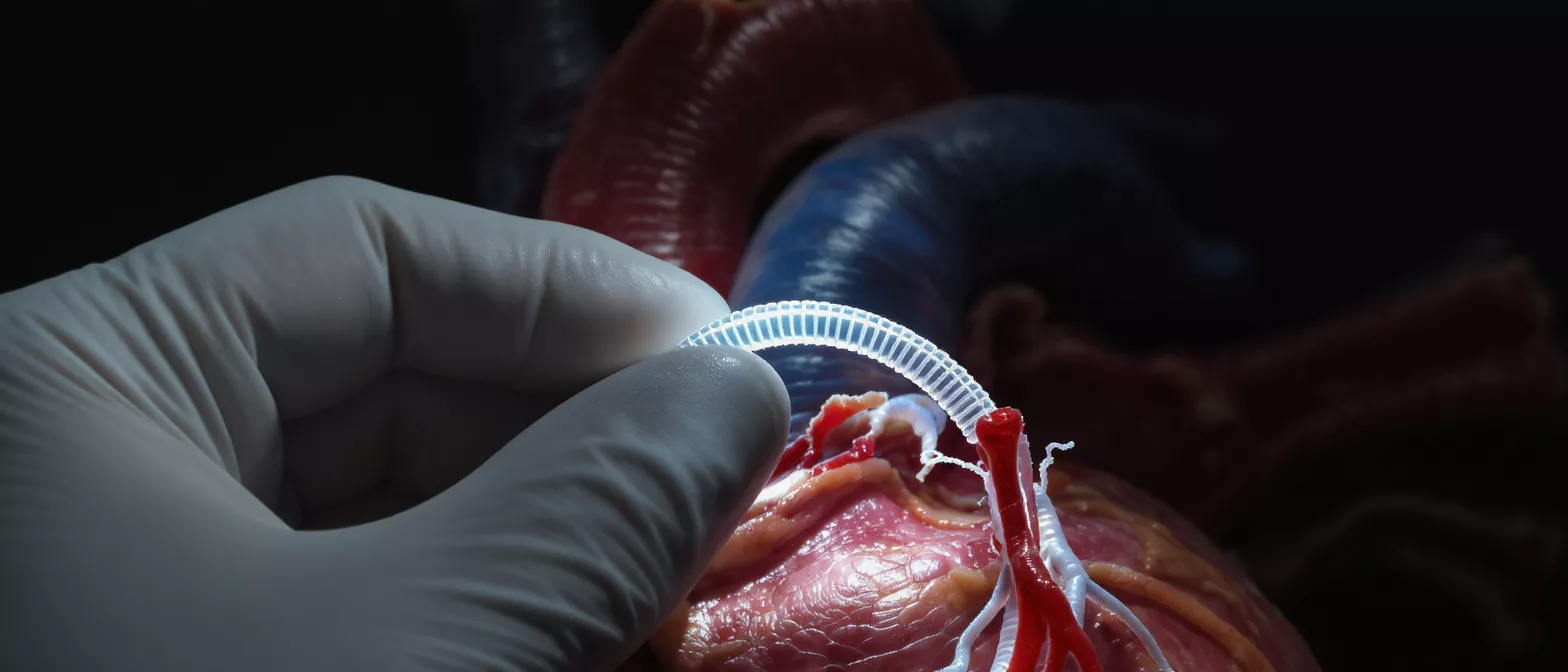
Aortic Arch Replacement
Learn about aortic arch replacement, including risks, recovery, and preparation.
What Is Aortic Arch Replacement
The aortic arch is the curved top part of the aorta, the body's largest artery, which distributes oxygen-rich blood from the heart to the brain, neck, and arms. An aortic arch replacement is a complex cardiovascular surgical procedure designed to remove a weakened, enlarged, or torn section of this vital vessel and replace it with a durable synthetic graft. When conditions like an aneurysm or dissection threaten this specific anatomy, surgery becomes necessary to prevent a life-threatening rupture.
Understanding the anatomy of the aortic arch: Because the arch gives rise to the major blood vessels supplying the brain, operating on this area requires exceptional surgical precision. The surgeon must maintain blood flow to the brain while repairing the aorta, which is why this operation is typically performed by highly specialized cardiac surgery teams. The procedure aims to restore normal blood flow, eliminate the risk of rupture, and ensure long-term cardiovascular health.
For patients facing an aortic arch aneurysm or dissection, the prospect of surgery can feel daunting, but understanding the procedure is the first step toward peace of mind. Modern cardiac surgery has advanced significantly, offering techniques that protect the brain and vital organs during the operation. This guide will walk you through the entire process, from preparation to recovery, so you know exactly what to expect.
Why Is Aortic Arch Surgery Necessary
Preventing aortic rupture and dissection: The primary goal of an aortic arch replacement is to prevent a catastrophic rupture or a severe tear in the aortic wall. When the arch dilates due to an aneurysm, the walls stretch thin and become fragile. Surgical intervention replaces the weakened segment before it bursts, which is a life-saving measure recommended when the arch reaches a critical diameter or grows rapidly over time.
Managing symptoms and complications: While aortic arch aneurysms are often asymptomatic and discovered incidentally, some patients experience chest pain, hoarseness, or shortness of breath. If an aortic dissection occurs—a tear in the inner layer of the aorta—patients suffer sudden, severe chest pain requiring immediate aortic dissection repair. Surgery is the definitive treatment to eliminate these dangerous symptoms and restore safe circulation.
Without surgical intervention, an enlarged arch poses a constant threat to life. Monitoring the condition is essential, but once surgical criteria are met, delaying the procedure increases the risk of rupture. Elective repair is always safer and yields better outcomes than emergency surgery, making early detection and proactive treatment crucial for aortic disease treatment.
How Does Aortic Arch Replacement Work
The mechanics of an arch replacement procedure rely on advanced techniques that protect the body's most vital organs. The most notable challenge is operating on the arch while ensuring the brain continues to receive blood. To achieve this, surgeons utilize a method known as hypothermic circulatory arrest, cooling the body to significantly reduce the brain's oxygen demand.
How hypothermic circulatory arrest protects the brain: By cooling the patient's body to low temperatures, the surgical team can temporarily halt blood circulation without damaging brain tissue. This provides a safe, bloodless surgical field to meticulously remove the diseased portion of the arch and attach a synthetic graft. The graft acts as a durable new pathway for blood flow, reattaching the crucial arteries that branch off to the brain.
Once the graft is secured and the heart-lung machine resumes normal circulation, the body is gradually warmed back to its normal temperature. This highly coordinated approach allows surgeons to perform complex aortic arch reconstruction with precision, minimizing the risk of neurological damage. The procedure demands an experienced team trained in the most demanding cardiovascular techniques.
Types of Aortic Arch Repair Techniques
Total arch replacement vs. partial repair: The extent of the surgery depends entirely on the specific characteristics of the aneurysm or dissection. A total arch replacement involves replacing the entire curved segment and reattaching all three major head vessels, while a partial repair might only address the section closest to the heart. The cardiac surgeon determines the best approach based on imaging and the patient's overall health.
Surgeons use various graft configurations tailored to the patient's anatomy, sometimes incorporating specialized stent-grafts to secure the repair from the inside. This is known as a hybrid approach, blending traditional open surgery with endovascular techniques to reduce surgical stress and improve recovery times.
- Open Repair: The traditional method involving a full surgical opening to directly replace the diseased arch with a synthetic graft.
- Hybrid Arch Repair: A combination of open surgery and stent-grafts, used to stabilize the aorta while minimizing surgical invasiveness.
- Elephant Trunk Procedure: A staged technique leaving a section of graft dangling in the downstream aorta for easier connection in future thoracic aorta surgery.
Each technique is chosen to maximize safety and long-term durability. The decision is highly personalized, ensuring the chosen method addresses the unique anatomy of the patient's aortic disease while mitigating individual risk factors.
Risks of Aortic Arch Aneurysm Surgery
Like any major cardiovascular procedure, an aortic arch replacement carries significant risks that patients must understand before consenting to surgery. Because the aortic arch is intimately connected to the blood supply of the brain, the primary concern is neurological injury. Stroke is a recognized risk, though advanced perfusion techniques and hypothermic circulatory arrest have significantly reduced its occurrence in modern practice.
Common complications of aorta replacement surgery: Beyond neurological risks, patients may face bleeding, infection, or adverse reactions to anesthesia. Because the heart must be stopped and the body cooled, there are also risks associated with prolonged time on the heart-lung machine, including kidney dysfunction or lung complications. Surgeons take extensive precautions to protect organ function throughout the operation.
It is vital to discuss these risks openly with your surgical team. Understanding the balance between the risk of the operation and the danger of leaving the aneurysm untreated helps patients and families make informed decisions. Experienced cardiac surgeons employ rigorous pre-operative assessments to ensure patients are in the best possible condition to undergo this complex procedure safely.
What to Expect During Arch Replacement Procedure
On the day of your aortic arch surgery, you will be placed under general anesthesia, ensuring you are completely asleep and feel no pain. The surgical team will insert monitoring lines to keep a close watch on your heart rate, blood pressure, and oxygen levels. The anesthesiologist remains at the head of the bed throughout the entire operation, continuously managing your vital signs.
The surgical timeline for cardiovascular surgery: After making the incision down the center of the chest, the surgeon connects you to the heart-lung machine. Your body temperature is carefully lowered to induce hypothermic circulatory arrest. The diseased section of the arch is then excised, and the synthetic graft is carefully sewn into place, reattaching the arteries that supply the brain. Depending on complexity, the operation can take several hours.
Once the graft is securely in place and blood flow is restored to the brain and body, the team slowly warms your body back to normal temperature. The heart is restarted, and the heart-lung machine is disconnected. The surgeon then places drainage tubes to collect excess fluid and secures the chest incision. Throughout this entire process, advanced hemodynamic monitoring equipment provides critical data to the surgical team to keep you safe.
Recovery After Open Heart Surgery Aortic Arch
Recovery from an aortic arch replacement is a gradual process that requires patience and close monitoring. Immediately after surgery, you will spend the first day or two in the intensive care unit (ICU). Here, specially trained nurses will continuously monitor your vital signs, manage your pain, and ensure your organs are functioning properly. You may have breathing tubes and drainage lines in place initially, which are removed as you stabilize.
ICU and hospital stay duration: Most patients remain in the ICU for a few days before transitioning to a standard hospital room. The total hospital stay for aortic arch repair usually lasts about a week or slightly longer, depending on your individual recovery speed. During this time, the medical team will encourage gentle movement and breathing exercises to prevent complications like pneumonia or blood clots.
Once discharged, the true healing begins at home. Your surgeon will provide specific guidelines regarding physical activity, which must be increased slowly. Cardiac rehabilitation is a crucial component of recovery, helping you rebuild strength under medical supervision.
Long-Term Outlook After Aorta Replacement Surgery
The long-term prognosis following a successful aortic arch replacement is generally excellent, with many patients returning to a full and active life. The synthetic graft used to replace the diseased artery is incredibly durable and rarely develops new issues over time. However, because aortic disease can be systemic, ongoing surveillance is mandatory to monitor the remaining portions of the aorta.
Lifelong monitoring and imaging: Patients will need regular imaging tests, such as CT scans or MRIs, to ensure the graft and other parts of the aorta remain healthy. This is crucial for catching any new aneurysms or dissections early before they become dangerous. Your cardiologist will set up a surveillance schedule, which is more frequent in the first year and typically transitions to annual check-ups.
Adopting a heart-healthy lifestyle is essential to protect your cardiovascular system long-term. This includes taking prescribed blood pressure medications faithfully, as uncontrolled hypertension puts undue stress on the remaining aortic walls. Many patients find peace of mind by wearing a medical alert bracelet for heart patients to inform emergency responders of their surgical history.
How to Prepare for Aortic Arch Surgery
Preparation for cardiovascular surgery begins weeks before the actual operation. Your medical team will conduct a thorough pre-operative assessment, including blood tests, electrocardiograms, and detailed imaging of your chest. These tests ensure your heart and lungs are strong enough to withstand the stress of the procedure and the heart-lung machine.
Pre-op instructions and lifestyle adjustments: You will receive specific instructions regarding medications, particularly blood thinners, which may need to be adjusted or paused prior to surgery. It is vital to stop smoking immediately, as tobacco use severely impacts healing and increases surgical risks. Arranging for help at home during your recovery is also an important step.
Mentally preparing for aortic arch repair is just as important as physical preparation. Understanding the procedure, knowing what to expect in the ICU, and having a solid support system in place can significantly reduce anxiety. Do not hesitate to ask your surgeon questions; a well-informed patient is better equipped to handle the surgical journey.
Finding the Best Cardiac Surgeon for Aortic Disease
The success of an aortic arch replacement relies heavily on the skill and experience of the surgical team. This is not a routine operation, and you want a surgeon who specializes in complex aortic interventions. Look for a medical center that performs a high volume of these specific procedures, as hospitals with more experience tend to have better outcomes and lower complication rates.
Questions to ask your cardiovascular team: When consulting with a surgeon, ask about their personal experience with aortic arch reconstruction. Inquire about their specific outcomes, the techniques they prefer, and what their protocol is for brain protection during the operation. A trustworthy surgeon will welcome these questions and provide clear, reassuring answers.
Choosing the right team brings immense confidence as you approach your surgery date. Seek a surgeon who not only possesses exceptional technical skill but also communicates with empathy and clarity. For families seeking expert care, finding a highly specialized professional is the most critical step toward a successful recovery and long-term health.






