


Aortic Dissection Repair: Surgery, Recovery and Limits
Learn about aortic dissection repair, surgical options, recovery timeline, and limits to expect.
What Is Aortic Dissection and When Is Repair Needed?
Aortic dissection is a true cardiovascular emergency in which the inner lining of the aorta — the large artery carrying blood away from your heart — tears, allowing blood to surge between the vessel's layers and split them apart. An aortic dissection repair becomes necessary when that split threatens to rupture the aorta or block blood flow to vital organs. The condition strikes suddenly, often with tearing chest or back pain, and demands immediate hospital care. For patients and families facing this diagnosis, understanding what the surgery involves can ease some of the fear.
Not every dissection requires immediate open surgery, but the decision depends on which part of the aorta is involved and how quickly the tear is advancing. The Cleveland Clinic emphasises that prompt diagnosis and treatment substantially improve outcomes, which is why sudden severe chest pain should never be ignored while waiting to see if it passes on its own.
Understanding the aorta's role helps make sense of the urgency. This artery is normally a tough, elastic tube, but high blood pressure, genetic conditions, or age-related changes can weaken its wall. When the inner layer tears, blood pushes through and separates it from the outer layers, creating a false channel. If that channel extends toward the heart or branches supplying the brain, arms, or intestines, the situation is life-threatening and surgery aims to remove the damaged segment and replace it with a durable graft.
Aortic Dissection vs Aneurysm: Understanding the Difference
Many patients confuse aortic dissection with an aortic aneurysm, yet the two problems differ in important ways. An aneurysm is a permanent bulge or ballooning of the aortic wall caused by weakness, while a dissection is a tear that splits the wall layers. Both can coexist — an aneurysm may eventually dissect, and a dissection can occur in a normal-sized aorta. Recognising the distinction helps families grasp why the surgical plan and urgency differ.
Aortic aneurysm repair is usually planned when the aortic diameter reaches a threshold that makes rupture likely, giving surgeons time to schedule an operation. Dissection, by contrast, often demands emergency action within hours. The timing reflects anatomy: an aneurysm slowly stretches over years, whereas a dissection can propagate in minutes, starving organs of blood or rupturing into the chest cavity.
In simple terms, think of the aorta as a garden hose. An aneurysm is a weak spot that bulges outward under pressure, while a dissection is a split inside the hose wall that lets water travel between layers. Both can rupture, but a dissection can also collapse the true channel and cut off blood supply to the brain, kidneys, or legs. Your cardiac team will determine which problem — or combination — you have and design the repair accordingly.
Types of Aortic Dissection: Type A and Type B
Surgeons classify aortic dissection by location, and this classification drives the treatment. A Type A dissection involves the ascending aorta — the first segment leaving the heart — and is a surgical emergency because it can rupture into the pericardium or block the coronary arteries. A Type B dissection begins in the descending aorta, below the artery supplying the left arm, and may sometimes be managed with blood pressure control alone unless complications arise.
- Type A: involves the ascending aorta near the heart, emergency open surgery required, risk of rupture into the pericardium or coronary blockage
- Type B: involves the descending aorta, often managed with medication first, endovascular repair (TEVAR) recommended if complicated
Type A dissection surgery: This operation is usually performed as an emergency through a chest incision, using a heart-lung machine to maintain circulation while the surgeon replaces the torn segment with a synthetic graft. Because the ascending aorta sits beside the heart, the team may also repair the aortic valve if it leaks.
Type B dissection treatment: When a Type B dissection causes pain that will not settle, organ compromise, or rapid enlargement, surgeons often recommend endovascular repair. Stable uncomplicated cases may be watched closely with imaging and medication, reserving surgery for later if needed.
How Aortic Dissection Repair Surgery Works
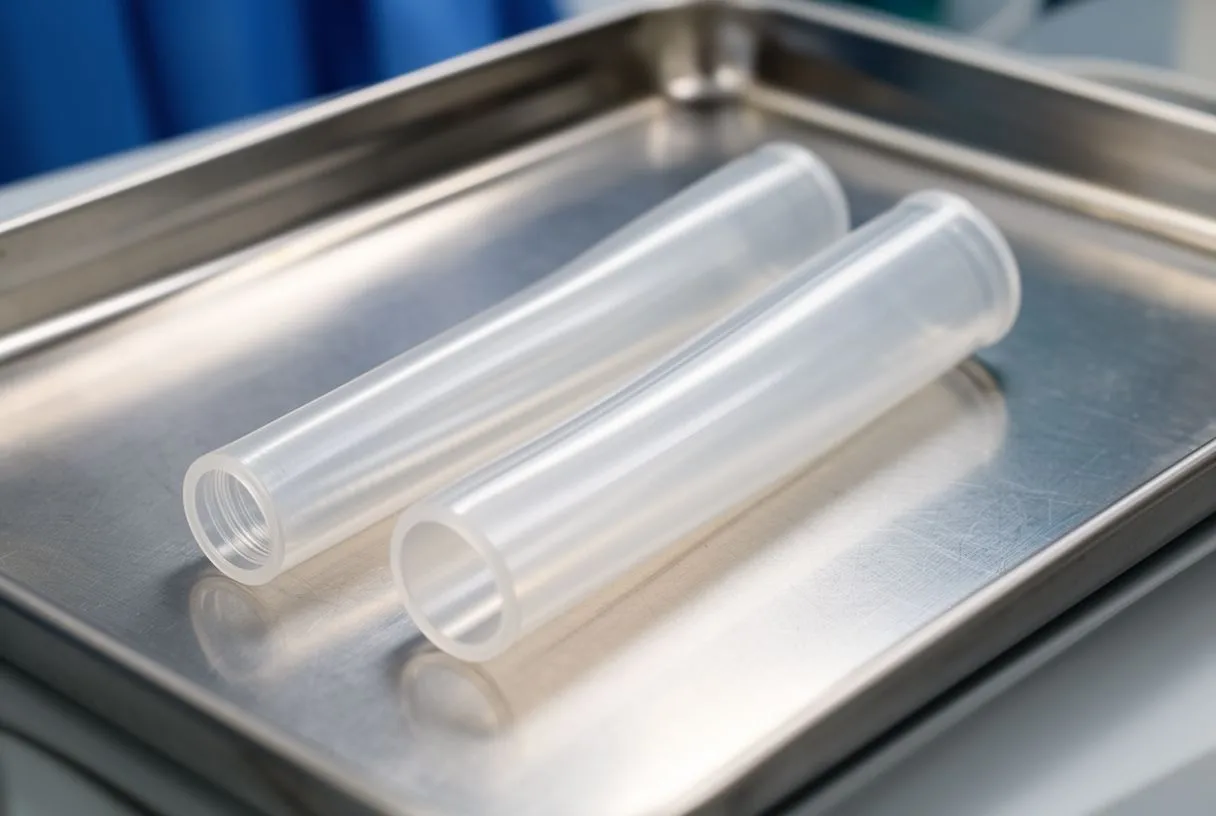
The goal of aortic dissection repair is to remove the torn segment of the aorta, eliminate the false channel, and restore a single, secure path for blood. For ascending repairs, the surgeon opens the chest, places an aortic cross-clamp to control bleeding, and connects a fabric graft in place of the diseased section. If the tear extends into the aortic arch, the team may perform aortic arch replacement, sometimes protecting the brain with antegrade cerebral perfusion — a technique that keeps oxygen-rich blood flowing to the brain during the pause in normal circulation.
Ascending aorta repair details: The heart is often stopped briefly with a special solution while the graft is sewn in. Surgeons reattach major branch arteries to the graft and check for leaks before restoring normal blood flow. The entire operation may take several hours, reflecting the precision required when working on the body's largest artery millimetres from the heart.
Aortic arch surgery considerations: When the dissection reaches the arch — the curved part that gives off vessels to the head and arms — the operation becomes more complex. Brain protection strategies and sometimes controlled hypothermia, cooling the body to reduce oxygen demand, help lower the risk of stroke. Your surgeon will explain which technique suits your anatomy and why.
Bentall Procedure and Aortic Root Replacement
When a dissection damages the aortic root — the base of the aorta where the coronary arteries originate — aortic root replacement may be necessary. The aortic annulus, the ring-shaped support at the root, can widen, and the aortic valve may become leaky, a condition called aortic insufficiency or aortic regurgitation. In these cases surgeons often perform a Bentall procedure, replacing both the root and the valve together.
What the Bentall procedure involves: The surgeon removes the diseased root and native aortic valve, implants a valve-bearing graft, and reattaches the coronary arteries to small openings in the graft. This creates a stable, leak-free outflow tract. The replacement valve may be mechanical, requiring lifelong blood thinners, or biological, which may not.
Choosing the right valve depends on your age, other medical conditions, and personal preference. Careful annulus sizing ensures the new valve fits precisely, and a thorough discussion with your surgeon about valve types, durability, and medication implications is essential before surgery. No single choice is best for everyone, which is why the decision is always individualised.
Endovascular Aortic Repair (TEVAR) for Type B Dissection
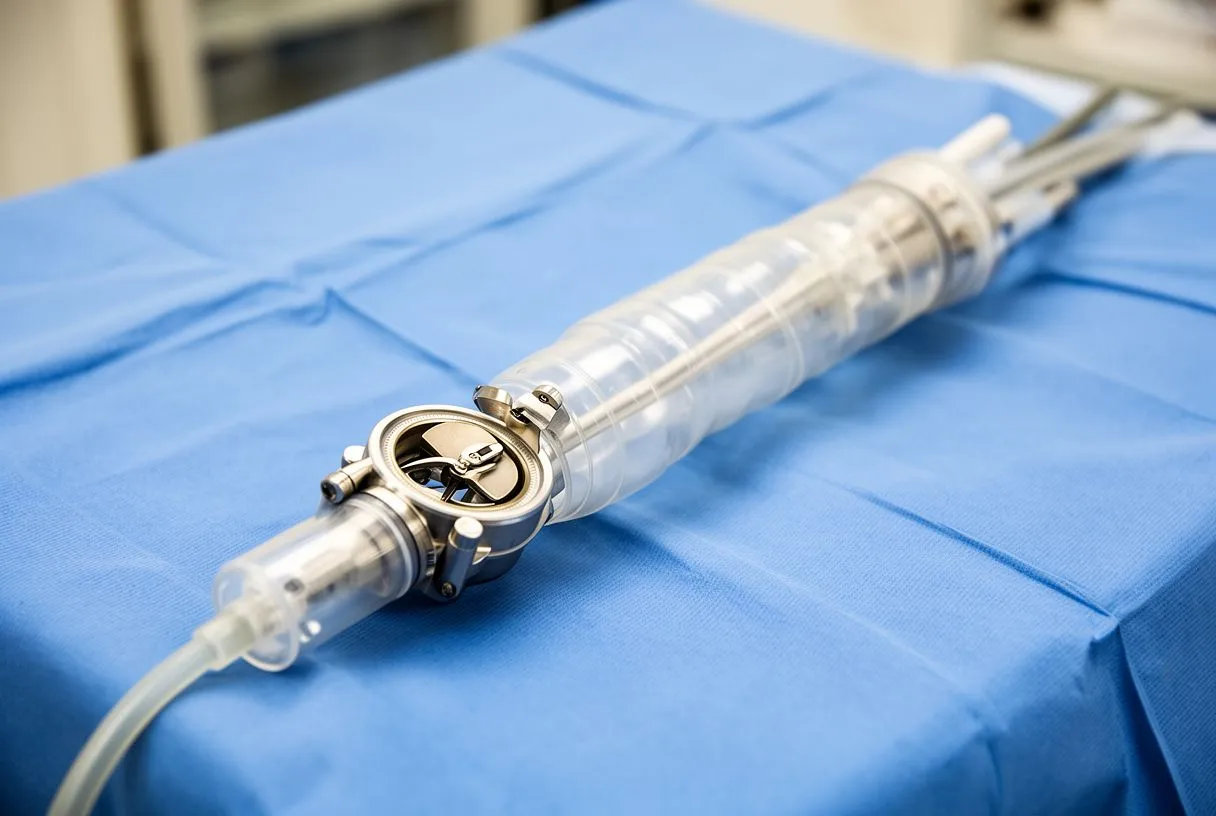
Thoracic endovascular aortic repair, or TEVAR, offers a minimally invasive alternative for certain Type B dissections. Instead of opening the chest, the surgeon guides a stent-graft through a small incision in the groin, advancing it inside the aorta to cover the tear and redirect blood into the true channel. Recovery is generally faster than open surgery, though not every patient is anatomically suitable for the technique.
The shape of the dissection matters. Research examining the influences of structural helicity of aortic dissection on endovascular repair, available via ScienceDirect, shows that the spiral (helical) configuration of a dissection can affect how well a stent-graft seals and whether the false channel shrinks afterward. Surgeons use detailed CT imaging to judge this before recommending TEVAR.
TEVAR is not a cure-all. The stent-graft must land on healthy aortic tissue above and below the tear to seal properly, and some patients need ongoing surveillance because the remaining aorta can still enlarge or develop new tears over time. Your team will weigh the benefits of avoiding major open surgery against the need for lifelong imaging follow-up.
Aortic Dissection Recovery: Timeline and What to Expect
Aortic dissection recovery is a gradual process measured in weeks and months rather than days. After open repair, patients typically spend several days in intensive care, where the team monitors blood pressure closely, manages pain, and watches for complications. Once stable, gentle movement and breathing exercises begin to rebuild strength before discharge home, which usually happens within one to two weeks.
First weeks at home: Fatigue is normal. Patients walk short distances several times a day, avoid lifting anything heavy, and keep their incision clean. Medication adherence — especially blood pressure control — is critical. Some patients take warfarin if a mechanical valve was used, while antiplatelet therapy may be prescribed after stent-graft placement to keep the device open.
Cardiac rehabilitation: A supervised exercise and education programme helps patients return safely to activity. Most people resume light daily tasks by six to eight weeks, but full recovery from open aortic surgery can take three months or more. Your surgeon will set specific milestones based on your progress rather than a fixed calendar.

Aortic Surgery Complications and Long-Term Prognosis
Like any major operation, aortic dissection repair carries risks. Potential complications include bleeding, infection, stroke, kidney injury, and spinal cord ischaemia, which can affect leg strength. Surgeons use meticulous techniques and protective strategies to minimise these, but no procedure is risk-free, and being informed helps families prepare realistic questions for their care team.
Long-term considerations: Research on acute aortic dissection associated with hypertensive emergency, published in the Brazilian Journal of Cardiovascular Surgery, underscores how uncontrolled blood pressure can trigger recurrence. Patients need lifelong blood pressure management and imaging surveillance — often an annual echocardiogram and CT or MRI scans — to catch any new enlargement early. Anaemia from medication or chronic illness may arise and should be monitored, and some patients notice ankle swelling as blood pressure medications are adjusted.
The aortic dissection survival rate has improved considerably with modern surgical and endovascular techniques, but outcomes depend on how quickly treatment begins, the extent of the tear, and overall health. Long-term survival is best when patients attend every follow-up appointment, take prescribed medication faithfully, and control risk factors such as hypertension and smoking.
Living After Aortic Dissection: Limits and Follow-Up Care
Life after repair means embracing new habits. Blood pressure control is the single most important measure, because uncontrolled hypertension is the leading driver of recurrence. Patients are usually asked to keep systolic pressure below a specific target, avoid heavy straining or lifting, and treat any sudden severe chest or back pain as an emergency. A home blood pressure cuff becomes an essential daily tool.
Activity and lifestyle limits: Gentle aerobic exercise like walking is encouraged, but contact sports, heavy weightlifting, and intense isometric strain should be avoided. If you take amiodarone for a heart rhythm problem, your doctor will monitor thyroid and lung function. Those on blood thinners need to avoid certain over-the-counter medications and report unusual bruising promptly.
- Blood pressure: keep below your target, monitor daily at home, never skip doses
- Imaging: CT or MRI of the entire aorta at scheduled intervals to detect enlargement
- Medications: review all prescriptions at each visit, report side effects early
- Activity: gentle walking encouraged, avoid heavy lifting and contact sport
Staying in close contact with your cardiac surgeon and cardiologist protects the investment you made in surgery. Patients who had endovascular repair need stent-graft imaging at set intervals, and those with a Bentall procedure need regular valve checks. Follow-up is not a formality — it is how problems are caught early while they are still small and treatable.

Partnering With Your Cardiac Team
An aortic dissection repair is one of the most demanding operations in cardiac surgery, yet modern techniques — from the Bentall procedure to TEVAR — give patients a genuine chance at a full life afterward. The key pillars of success are rapid diagnosis, expert surgical repair, meticulous blood pressure control, and lifelong surveillance. No two patients are identical, which is why general information can never replace a personal consultation with a qualified team.
If you or a loved one has been diagnosed with an aortic aneurysm, aortic insufficiency, or a dissection, the next step is to speak with a cardiac surgeon who can review your imaging and explain your options in plain language. Dr Alejandro Molina and the Cirugía de Corazón team in Guadalajara, Querétaro, and Hermosillo offer this kind of individualised assessment, taking time to walk families through every decision.
Please do not use this article to self-diagnose or delay seeking care. Sudden chest or back pain warrants immediate emergency attention. For planned evaluation of a known aneurysm or previous dissection, booking a consultation allows the team to tailor advice to your specific anatomy, history, and goals — and to stand beside you through every decision that lies ahead.






