

Dissection Repair
Dissection repair is life-saving surgery for aortic dissection.
What is dissection repair?
When facing complex cardiovascular conditions, hearing the term dissection repair can be deeply unsettling for patients and their families. To understand this procedure, it helps to first picture the aorta, the largest artery in the human body, which carries oxygen-rich blood straight from the heart to the rest of the body. Under immense pressure, the aorta relies on strong, layered walls to maintain its shape and function. A dissection occurs when a tear develops in the innermost layer of this vital vessel, allowing surging blood to split the wall layers apart. This dangerous splitting action can disrupt normal blood flow and threaten critical organs.
Understanding the aortic layers: The aortic wall is composed of three distinct layers, much like the ply of a high-quality tire. When the inner layer tears, blood pushes between these layers, creating a new, false channel for blood flow. The primary goal of the operation is to remove this false channel, replace the damaged segment of the artery with a durable synthetic tube, and restore normal, single-lane blood flow to the body. By re-establishing a secure pathway, the surgeon prevents the weakened outer wall from rupturing, which is a catastrophic event.
Why dissection repair matters for heart patients: For a patient preparing for or recovering from heart surgery, understanding this mechanical fix provides clarity and reassurance. The procedure directly addresses the most dangerous aspect of the condition—the risk of aortic rupture or organ failure. Knowing that the surgical team is replacing the fragile, torn tissue with a permanent, engineered graft helps demystify the operation. It transforms a terrifying, chaotic internal event into a structured, repairable problem that modern cardiac surgery is well-equipped to handle.
Why aortic dissection repair is an emergency
An aortic dissection is not a slow-progressing condition that can be monitored over months; it is a sudden, life-threatening event that demands immediate surgical intervention. When the aortic wall layers separate, the outer wall is stretched thin and must withstand the full force of every heartbeat. Without prompt dissection repair, this weakened outer layer can burst, leading to massive internal bleeding. The urgency of the situation cannot be overstated, as the condition carries a high mortality rate within the first 24 to 48 hours if left untreated.
Risk of malperfusion: Beyond the risk of rupture, the splitting wall can redirect blood away from its intended path, starving vital organs of oxygen. If the false channel blocks blood flow to the brain, kidneys, or heart muscle itself, severe damage can occur rapidly. Surgeons act quickly to restore normal circulation and ensure that every organ receives the blood it needs to survive.
For families waiting during an emergency operation, understanding the gravity of the situation helps contextualize the lengthy operative times. The surgical team is not only fixing a tear but also meticulously ensuring that blood reaches every critical branch of the aorta. This delicate rebalancing of blood flow is a core component of a successful emergency intervention.
How dissection repair surgery works
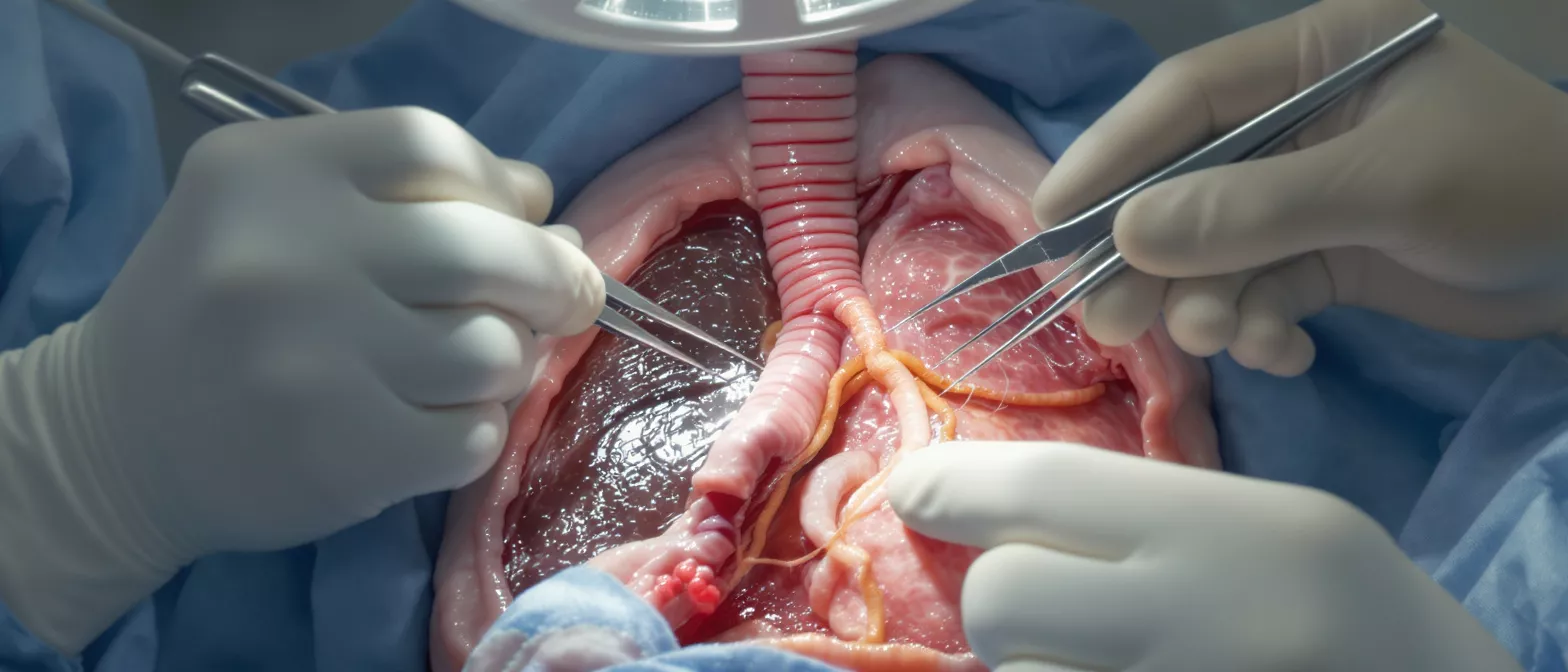
The procedure is a meticulous, highly coordinated process that requires the expertise of a specialized cardiovascular surgical team. To perform the dissection repair safely, the surgeon must temporarily stop the heart and blood circulation, which requires the use of a heart-lung bypass machine. This advanced machine takes over the job of pumping oxygen-rich blood throughout the body, allowing the surgeon to work on a still, bloodless field. Once the damaged section of the aorta is exposed, the surgeon removes the torn tissue and inserts a synthetic graft.
The role of the synthetic graft: The graft used in the repair is a tightly woven, durable tube made from medical-grade polyester. This material is specifically designed to last a lifetime without degrading inside the human body. The surgeon carefully sews this graft in place, connecting it to the healthy, intact portions of the aorta above and below the tear. All blood flow is then directed through this new, secure tube, effectively bypassing the compromised area and eliminating the risk of rupture.
In some complex cases, the surgeon may also need to reattach critical arteries that branch off from the aorta, such as those supplying the brain or spinal cord, directly into the new graft. This ensures that these vital areas continue to receive robust, uninterrupted blood flow. The precision required for these anastomoses, or surgical connections, highlights the advanced nature of this cardiac specialty.
Types of aortic dissection treatment
The specific surgical approach chosen depends heavily on the location of the tear within the aorta. Medical professionals classify the condition into different types based on whether the tear involves the ascending aorta, the part directly attached to the heart, or the descending aorta, which runs down through the chest and abdomen. Accurate classification is essential because it dictates whether immediate open-heart surgery is required or if a less invasive medical approach can be taken first.
- Ascending repair: Involves the first part of the aorta as it exits the heart, almost always requiring immediate open-heart surgery to prevent rupture into the pericardial sac.
- Descending repair: Involves the aorta further away from the heart, which may sometimes be managed initially with strict blood pressure control before considering surgical intervention.
- Arch repair: Targets the curved portion of the aorta where major blood vessels branch off to the brain, requiring deep hypothermic circulatory arrest to protect brain tissue.
Understanding the distinction between these classifications helps patients grasp why their treatment plan might differ from others who have experienced a similar event. The surgical team tailors the approach to the exact anatomy of the dissection, prioritizing both immediate survival and long-term vascular health.
Aortic dissection symptoms that lead to repair
Recognizing the signs of this condition is critical, as early detection directly improves the chances of a successful dissection repair. The hallmark symptom is sudden, severe chest pain that many patients describe as tearing or ripping in nature. This pain often radiates to the back, specifically between the shoulder blades, and it reaches maximum intensity the moment it starts, unlike a heart attack which may build in severity.
Differentiating from a heart attack: Because the symptoms overlap with acute myocardial infarction, rapid diagnostic imaging is crucial. While a heart attack is caused by a blockage in the smaller coronary arteries, a dissection involves a structural failure of the main artery. Emergency physicians use CT scans with contrast dye to quickly visualize the aortic layers and identify the true channel and any false channels, confirming the diagnosis and pinpointing the exact location of the tear.
Other warning signs can include a difference in blood pressure between the right and left arms, shortness of breath, or a sudden onset of weakness. If you or a loved one experience these symptoms, seeking emergency medical attention immediately is the most important step. Rapid transport to a facility capable of performing complex cardiac surgery is vital for survival.
What to expect during dissection repair recovery
The recovery journey following this operation is a gradual process that requires patience, dedication, and close medical supervision. Immediately after the dissection repair, the patient is transferred to the intensive care unit, where specialized nurses and doctors monitor heart rhythm, blood pressure, and neurological status around the clock. This critical early phase usually lasts several days, ensuring the graft is functioning perfectly and the body is stabilizing after a major surgical event.
Initial ICU monitoring: Strict blood pressure control is arguably the most important aspect of the early recovery phase. Keeping the blood pressure in a safe, controlled range reduces stress on the newly repaired aorta and the surgical suture lines. Patients receive intravenous medications to achieve this precise balance, and breathing tubes are removed once the patient is fully awake and stable.
Once discharged from the hospital, the focus shifts to gradual physical rehabilitation and lifelong medical management. Cardiac rehabilitation programs are highly recommended, as they provide supervised exercise and education tailored to heart surgery patients. Following a heart-healthy lifestyle, adhering strictly to prescribed medications, and attending all follow-up appointments are the cornerstones of a successful long-term recovery.
Are dissection repair procedures safe?
Undergoing a major cardiovascular operation naturally brings questions about safety and surgical outcomes. Modern dissection repair procedures have benefited from decades of surgical advancement, improved graft materials, and highly refined bypass technologies. While it remains a complex, high-risk operation, especially when performed in an emergency setting, the safety profile has improved significantly. Success relies heavily on the experience of the surgical team and the specialized facilities available at the treating hospital.
The role of surgical expertise: High-volume cardiac centers that routinely perform complex aortic surgeries tend to have better outcomes. The coordinated effort between cardiac surgeons, anesthesiologists, and perfusionists—specialists who operate the heart-lung machine—creates a comprehensive safety net for the patient. This multidisciplinary approach ensures that every potential complication is anticipated and managed swiftly.
Patients should feel empowered to ask their surgical team about their specific experience and success rates with aortic procedures. Open communication about the risks and benefits is a standard part of the pre-operative consultation. Knowing that a highly trained, specialized team is performing the procedure provides essential peace of mind during a stressful time.
Potential dissection repair complications
As with any major surgery involving the heart and major blood vessels, potential complications exist, and understanding them helps patients make informed decisions. The surgical team takes extensive precautions to minimize these risks, but the fragile nature of aortic tissue and the complexity of the procedure mean that challenges can arise. Being aware of these possibilities is not meant to cause fear, but rather to emphasize the importance of post-operative care and monitoring.
- Bleeding: Because the aorta carries the entire volume of circulating blood, ensuring a leak-proof surgical connection is critical, and additional surgery is occasionally required to address persistent bleeding.
- Organ dysfunction: Temporary changes in blood flow during the operation can affect the kidneys or brain, making close monitoring of neurological and renal function essential after surgery.
- Spinal cord ischemia: In repairs involving the descending aorta, there is a rare risk of reduced blood flow to the spine, which the surgical team mitigates using specialized drainage techniques and monitoring.
Long-term complications are relatively rare but can include the development of new aneurysms in other parts of the aorta. This is why lifelong imaging surveillance, usually via CT scans or MRIs, is standard protocol for patients who have undergone a dissection repair. Regular check-ups ensure that any new vascular issues are caught early and treated proactively.
Life after heart dissection surgery
Returning to daily life after a major cardiovascular event is a significant milestone that requires permanent lifestyle adjustments. The synthetic graft used during the dissection repair is highly durable, but the remaining portions of the patient's native aorta still require care. Patients are generally advised to avoid heavy lifting and strenuous activities for several months to allow the surgical incisions to heal properly and to prevent unnecessary strain on the cardiovascular system.
Lifelong blood pressure management: Controlling blood pressure is no longer just a general health recommendation; it becomes a critical survival requirement. Patients must take prescribed antihypertensive medications consistently and monitor their blood pressure at home regularly. Keeping the force of the blood against the arterial walls within a strict, normal range protects the repaired aorta and prevents future tears.
Emotional recovery is just as important as physical healing, as surviving a sudden, life-threatening event can be deeply traumatic. Joining a support group for heart surgery survivors or speaking with a counselor can provide immense comfort. Many patients find that adopting a heart-healthy diet, gentle exercise routine, and mindfulness practices not only improves their physical longevity but also enhances their overall quality of life.
Trusting your team for cardiac dissection repair
Navigating the complexities of aortic surgery requires a foundation of trust between the patient, their family, and the medical team. A successful dissection repair is not just about the technical execution in the operating room; it is about comprehensive care that spans from the moment of diagnosis through long-term follow-up. Choosing a specialized center with a dedicated team of cardiovascular experts ensures that every aspect of the patient's health is prioritized.
Comprehensive patient education: An informed patient is an empowered patient. The best cardiac care teams take the time to explain the diagnosis, the proposed surgical approach, and the recovery process in plain, reassuring language. When patients understand the mechanics of their surgery and the rationale behind their medications, they are better equipped to participate actively in their own recovery.
At our practice, we understand the fear and uncertainty that accompany aortic conditions. We are committed to providing state-of-the-art surgical care paired with compassionate, patient-centered education. By focusing on precise surgical intervention and thorough post-operative support, we help our patients navigate their journey back to a healthy, fulfilling life.
In summary, while an aortic dissection is a profound medical emergency, modern surgical techniques offer a highly effective means of repair. By replacing the damaged vessel with a durable synthetic graft, managing blood pressure meticulously, and committing to lifelong monitoring, patients can achieve an excellent long-term prognosis. Trusting your care to an experienced cardiovascular team is the first and most vital step toward recovery.






