

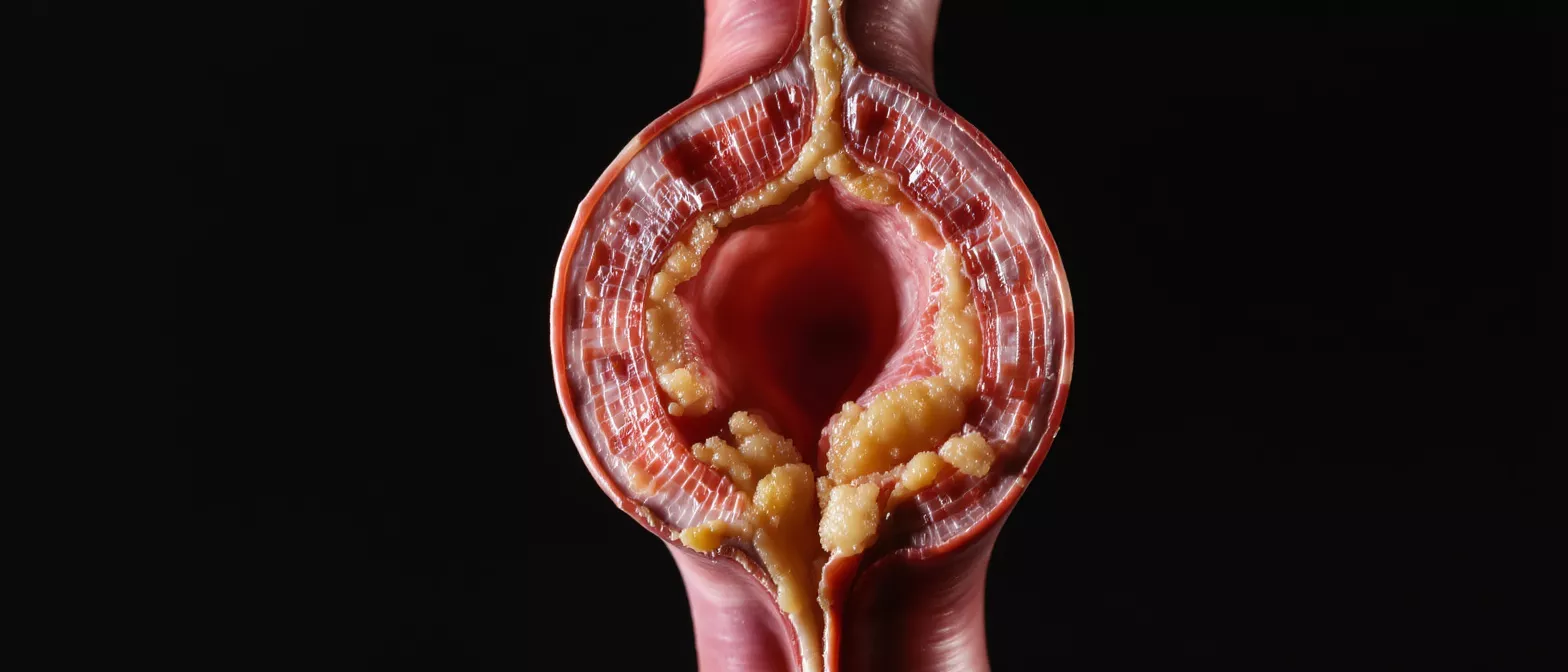
Atheromatous Plaque
Discover how atheromatous plaque forms in arteries, its symptoms, risks & treatment options.
What is atheromatous plaque
An atheromatous plaque is a fatty, hardened deposit that builds up slowly inside the walls of your arteries. These deposits are made up of cholesterol, fats, calcium, and cellular waste products. When a patient comes to our cardiac surgery practice, we often explain that plaque acts like rust inside a pipe, narrowing the space where blood needs to flow freely to the heart and brain.
Atheroma definition for patients: An atheroma is the medical term for this specific fatty lesion within the artery wall. It is the physical sign of atherosclerosis, the disease process that leads to coronary artery disease. Understanding the atheromatous plaque meaning helps patients grasp why their heart muscle may not be getting the oxygen it requires to function efficiently.
This glossary entry is designed to give you a clear, reassuring overview of what these deposits are and why they matter to your cardiac health. When plaque narrows the vessels supplying your heart, it restricts blood flow, which can lead to chest pain or more serious cardiac events. Knowing the basics of plaque in arteries is the first step in taking control of your heart health.
How does atheromatous plaque form in arteries
The gradual development of plaque: The formation of atheromatous plaque begins when the delicate inner lining of an artery becomes damaged. This damage is often caused by high blood pressure, smoking, or high cholesterol. When the lining is injured, circulating cholesterol enters the artery wall, triggering an immune response that attracts white blood cells to the area.
Over time, these cells consume the cholesterol and die off, creating a soft, fatty core. The body then tries to heal the area by forming a fibrous cap over the core. This cap hardens as calcium deposits settle into the plaque, creating a rigid, narrowed section inside the artery.
The process is generally silent and takes decades. Many people are unaware they have plaque building up until they experience symptoms of coronary artery disease, which is why regular check-ups and heart health evaluations are so important for early detection and proactive management.
What causes arterial plaque buildup
Understanding plaque causes and risk factors is essential for patients looking to protect their cardiovascular health. Plaque does not form randomly; it is the direct result of long-term exposure to specific biological stressors that damage the vascular system. Recognizing these factors empowers you to make necessary lifestyle adjustments.
- High cholesterol: Elevated levels of low-density lipoprotein provide the raw material for plaque to build inside the artery walls.
- Hypertension: High blood pressure forces blood against the artery walls with excessive force, causing the physical damage where plaque begins.
- Smoking: Chemicals in tobacco smoke directly damage the endothelial lining and accelerate the oxidation of cholesterol.
Other significant contributors include diabetes, obesity, and a sedentary lifestyle. A family history of heart disease also increases your susceptibility. Managing these underlying conditions is the foundation of preventing further plaque progression.
What are the symptoms of atheromatous plaque
Early silent stages: In its early stages, atheromatous plaque typically produces no symptoms at all. The gradual narrowing of the artery is silent, and many patients feel entirely normal until the plaque significantly restricts blood flow to the heart muscle.
As the narrowing worsens, patients may experience angina, which feels like chest pressure, tightness, or squeezing. This pain can radiate to the arms, neck, or jaw. For those affected by carotid artery plaque, symptoms might include temporary numbness or weakness in a limb, indicating that blood flow to the brain is compromised.
If an atherosclerotic plaque rupture occurs, a blood clot forms rapidly, completely blocking the artery and causing a heart attack.
Atherosclerosis vs atheromatous plaque meaning
Patients frequently ask about the difference between atherosclerosis and atheromatous plaque. The distinction is straightforward but important for understanding your diagnosis. Atherosclerosis is the overall disease process, while the plaque is the physical result of that disease inside your body.
Atherosclerosis refers to the progressive, systemic condition where arteries become thickened and stiffened by accumulating fats. It is a widespread condition that can affect multiple vascular beds simultaneously. The individual lesions that form as a result of this disease are known as atheromatous plaques.
Understanding the distinction: Treating atherosclerosis aims to prevent new plaques from forming. By addressing the systemic disease, we aim to stabilize existing plaques and prevent the catastrophic events that occur when a plaque ruptures.
How is atheromatous plaque diagnosed
Diagnosing atheromatous plaque involves a combination of physical examinations, blood tests, and specialized imaging. If your doctor suspects plaque in your arteries, they will look for signs of reduced blood flow and assess your overall cardiovascular risk profile. Early diagnosis is key to effective treatment.
Cardiac catheterization for plaque: This is a minimally invasive procedure where a thin tube is guided into the coronary arteries, and a special dye is injected to highlight narrowings on an X-ray. It provides the most detailed view of plaque severity and location, guiding surgical decisions.
Non-invasive tests like echocardiograms, stress tests, and CT angiography are also heavily utilized. These diagnostic tools help us determine the extent of the plaque and whether immediate intervention or lifestyle modification is the best course of action for your heart health.
Atherosclerosis treatment options
Medications to stabilize plaque: The first line of atherosclerosis treatment options typically involves medication. Statins are frequently prescribed to lower cholesterol and stabilize the plaque's fibrous cap, making it less likely to rupture. Blood thinners may also be used to prevent clot formation.
Blood pressure medications help reduce the mechanical stress on the artery walls. Controlling diabetes and inflammation is equally crucial.
Medical management is a lifelong commitment. It aims to halt the progression of plaque and reduce the risk of heart attacks, strokes, and other serious complications. Adherence to prescribed medications is absolutely vital for long-term stability and wellness.
Can plaque removal surgery fix blocked arteries
Coronary bypass outcomes: When plaque causes severe blockages, plaque removal surgery becomes necessary. The most definitive procedure is coronary artery bypass grafting (CABG), which creates a new path for blood flow around the blocked artery. This surgery effectively restores circulation to the heart muscle.
Endarterectomy is another surgical approach used to physically remove plaque, particularly from the carotid artery to prevent strokes. During this procedure, the surgeon opens the artery and carefully peels the atheromatous plaque away from the artery wall.
Surgery does not cure the underlying atherosclerosis, meaning new plaque can still form if risk factors are not managed. Therefore, surgical interventions are paired with aggressive medical therapy and lifestyle changes to ensure the long-term success of the procedure and overall heart health.
Atheromatous plaque prevention strategies
Effective atheromatous plaque prevention requires a comprehensive lifestyle approach. It is never too late to start making changes that protect your arteries. Diet and exercise are the absolute cornerstones of preventing the progression of plaque buildup. Small, consistent daily habits yield the greatest long-term benefits for your vascular system.
- Dietary adjustments: Focus on a diet rich in vegetables, fruits, and lean proteins. Limiting saturated fats and refined sugars directly addresses the root causes of atherosclerosis.
- Regular exercise: Aim for at least thirty minutes of moderate aerobic activity most days. Physical activity helps lower blood pressure and improves cholesterol balance.
- Smoking cessation: Quitting smoking halts the chemical damage to your artery walls. This is the single most critical step you can take to stop plaque progression.
Prevention is about managing the risk factors within your control. Regular consultations with your cardiologist ensure that your prevention strategies are working and appropriately adjusted as your health needs change over time.
Living with atheromatous plaque and heart health
Living with atheromatous plaque means managing a chronic condition, but it does not mean you cannot live a full, active life. With the right combination of medication, lifestyle changes, and medical supervision, the risks associated with plaque in arteries can be greatly minimized. Patients who actively manage their health often see a stabilization of their condition.
Long-term outlook: By understanding the atheromatous plaque meaning and taking proactive steps, you become an active partner in your cardiac care. Regular monitoring, adherence to your prescribed treatment plan, and a commitment to a heart-healthy lifestyle are the foundations of long-term wellness.
Always communicate openly with your healthcare team about any new symptoms or concerns. Regular monitoring and treatment adjustments with your cardiologist help keep your arteries as clear and functional as possible for years to come.






