

Cabrol Technique
Learn the Cabrol technique for aortic root replacement.
What Is the Cabrol Technique
The Cabrol technique is a specialized surgical procedure used in cardiac surgery to repair or replace the aortic root and the ascending aorta. When a patient presents with an aortic root aneurysm, the section of the aorta closest to the heart has become dangerously enlarged. This area includes the aortic valve, which controls blood flow out of the heart, and the coronary arteries, which supply blood to the heart muscle itself.
Understanding aortic root replacement: The procedure involves removing the damaged section of the aorta and replacing it with a durable synthetic tube called a composite graft aortic valve. This graft serves as a new, stable passageway for blood to travel safely from the heart to the rest of the body. The original aortic valve is typically replaced by a mechanical or biological valve integrated into the graft.
Developed in the 1970s, the Cabrol technique provided a groundbreaking solution for managing complex aortic aneurysms before they could dissect or rupture. For a frightened patient or family, understanding this procedure means knowing the surgical team is replacing a weakened, fragile vessel with a strong, engineered conduit designed to last.
Why the Cabrol Technique Matters for Aortic Aneurysms
An aortic aneurysm is a silent threat. It often grows without any symptoms until the wall of the artery becomes so thin that it tears or bursts. The Cabrol technique matters because it directly removes this life-threatening weak point. By surgically excising the enlarged tissue, the surgeon eliminates the risk of rupture in that specific area of the heart's largest artery.
Why the aortic root is so critical: The aortic root is not just a pipe; it is a highly complex intersection. It anchors the aortic valve and gives rise to the coronary arteries. Aneurysms in this exact location are particularly dangerous because they can stretch the valve, causing severe leakage, or compress the coronary arteries, depriving the heart of oxygen.
By utilizing the Cabrol procedure aortic aneurysm approach, surgeons can restore normal blood flow dynamics. The procedure ensures the heart pumps blood efficiently through a robust graft while keeping the coronary arteries securely attached and functioning.
How Cabrol Technique Surgery Is Performed
The surgery is a major open-heart procedure performed under general anesthesia. The cardiac surgeon accesses the heart through a sternotomy, opening the chest to expose the heart and aorta. The patient is placed on a heart-lung machine, which takes over the job of pumping blood and breathing for the body so the surgeon can work on a still, bloodless heart.
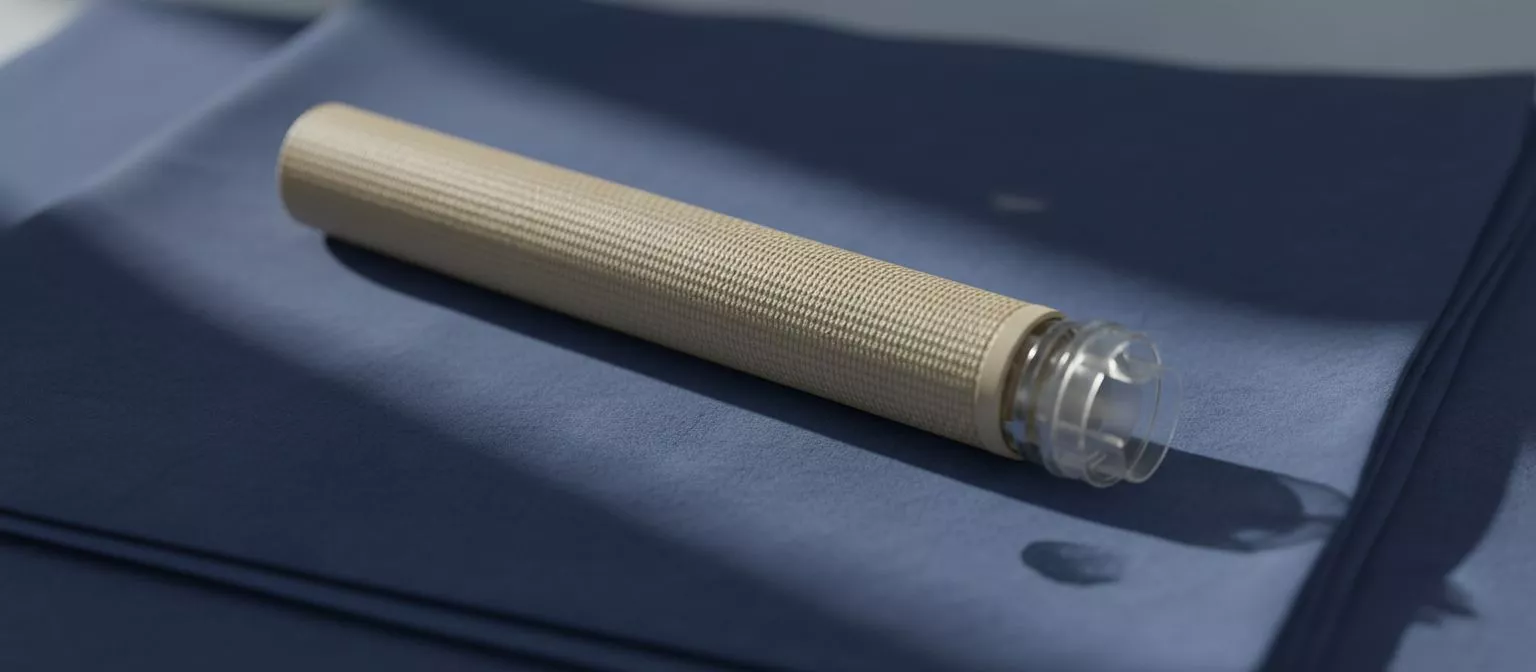
The composite graft aortic valve placement: The surgeon carefully cuts away the diseased, stretched section of the aorta. A woven polyester tube graft, which often has a prosthetic heart valve already sewn into one end, is then secured to the remaining healthy tissue of the heart. This creates an immediate, durable new outflow tract for the heart.
What makes the Cabrol technique cardiac surgery unique is how the coronary arteries are handled. Because the natural aorta has been removed, the coronary arteries must be reattached to the new synthetic graft so blood can continue to flow into the heart muscle. The surgeon uses a smaller separate graft to connect the coronary arteries to the main synthetic tube, ensuring the heart’s blood supply is restored.
Cabrol Technique Indication and Patient Selection
Determining the need for this surgery is a careful process of evaluation. The Cabrol technique indication is typically reserved for patients who have a significantly dilated aortic root, generally exceeding a specific diameter, or those experiencing acute aortic dissection. Surgeons also evaluate the patient's overall health, age, and tissue quality.
Which patients need the Cabrol procedure: This approach is often chosen for patients with connective tissue disorders, such as Marfan syndrome, which can severely weaken the aortic wall. It is also indicated when the aortic root aneurysm has extensively damaged the tissue surrounding the coronary arteries, making simpler reattachment methods too risky.
Deciding against other methods: In cases of severe inflammation or scarring from previous surgeries, standard coronary button reattachment might not hold securely. The Cabrol technique provides a robust alternative by using an interposition graft that bypasses the compromised tissue entirely.
Cabrol vs Bentall Technique Key Differences
Patients often hear about the Bentall procedure and wonder how it differs. Both operations replace the aortic root, the aortic valve, and the ascending aorta with a composite graft. The critical difference lies in how the coronary arteries are reattached to the new synthetic aorta.
The Bentall approach: The classic Bentall technique involves directly cutting the coronary arteries out of the native aorta as small "buttons" and sewing them directly into holes made in the synthetic polyester graft. This is highly effective when the surrounding tissue is healthy and pliable.
The Cabrol approach: The Cabrol technique uses a separate, smaller polyester tube graft. One end is attached to the coronary artery, and the other is attached to the main aortic graft. This acts as a bypass or bridge, which is particularly useful if the coronary arteries are deeply embedded or fragile. Discussing the composite valve graft options with a surgeon helps clarify which method is best for a specific anatomy.
Cabrol Technique Complications and Risks
Like any major cardiac operation, this surgery carries inherent risks. While modern surgical techniques have significantly improved safety, it is important for patients and families to understand potential complications. The risks include bleeding, infection, stroke, and the need for a permanent pacemaker if the heart's electrical system is affected.
Risks of aortic root repair procedure: Specific to the Cabrol technique, there is a risk of bleeding from the complex graft connections. The anastomoses, or surgical junctions, must be completely secure to prevent blood leakage when the heart resumes pumping. Surgeons use meticulous suturing techniques and sometimes sealants to ensure these connections are watertight.
Another consideration is long-term graft patency, meaning the grafts must remain open and unblocked. Blood clots can form if the grafts narrow over time. Patients are carefully monitored and may require blood-thinning medications to keep blood flowing smoothly through the new pathways.
Cabrol Technique Outcomes and Recovery
Recovery from aortic root replacement is a gradual process. Immediately after surgery, the patient stays in the intensive care unit for close monitoring. Breathing tubes and various lines are removed as the patient stabilizes, usually within the first day or two. The total hospital stay typically lasts a week or more, depending on the individual's progress.
Cabrol technique survival rate and healing: The long-term outcomes for this procedure are generally excellent when performed by experienced surgical teams. Patients often return to their normal lives with a repaired and stable aorta. The focus of recovery is allowing the breastbone to heal and regaining physical strength through supervised cardiac rehabilitation.
Long-term follow-up is essential. The surgical team will schedule regular imaging scans, such as CT or MRI, to monitor the prosthetic graft and ensure it remains intact. By keeping up with these appointments, surgeons can detect any changes long before they become serious problems.
Ascending Aorta Replacement and Coronary Reattachment
The goal of the ascending aorta replacement is to completely eliminate the diseased segment of the main artery. The polyester graft is a strong, tightly woven synthetic material that the body accepts well. Once in place, it takes over the high-pressure job of carrying blood from the heart to the body.
How the coronary arteries are saved: The most delicate part of the operation is reattaching the coronary arteries. If these arteries were cut and not reconnected, the heart would have no blood supply. The Cabrol technique ensures they are safely attached to the main graft using a separate smaller conduit, preserving the heart's essential oxygen supply.
Patients looking to understand this part of the procedure might explore aortic aneurysm repair devices to see how modern grafts are designed to integrate with human anatomy. The materials used today are highly refined, reducing the risk of wear or degradation over the patient's lifespan.
What To Expect After a Cabrol Procedure Prosthetic Graft
Life after receiving a Cabrol procedure prosthetic graft involves a commitment to heart-healthy habits. If a mechanical valve was used as part of the composite graft, the patient will need to take blood-thinning medication for the rest of their life to prevent clots from forming on the valve. This requires routine blood tests to ensure the medication dosage is correct.
Protecting your new aortic root: Patients are advised to maintain good blood pressure control. High blood pressure puts stress on the new graft and the remaining natural aorta. Following a heart-healthy diet, avoiding smoking, and taking prescribed medications are crucial steps to protect the surgical repair.
- Monitor blood pressure: Keep it within the target range set by your cardiologist to reduce stress on the graft.
- Regular imaging: Attend all scheduled CT scans or echocardiograms to verify the graft's integrity.
- Cardiac rehab: Participate in supervised exercise programs to safely rebuild strength.
- Medication adherence: Take blood thinners and other heart medications exactly as prescribed.
Long-Term Care Following Aortic Root Repair
Living with a repaired aorta means being proactive about your overall health. The Cabrol technique provides a durable fix, but it requires lifelong awareness. Patients should always inform their dentists and other doctors about their prosthetic material to ensure appropriate antibiotics are given before procedures, preventing infections.
Maintaining the graft long-term: Over time, the main focus is ensuring the connections remain secure and the graft stays clean. Advances in surgical materials mean modern grafts are incredibly resilient. Understanding the polyester vascular graft materials used today can reassure patients about the durability of their repair.
- Watch for changes: Report any sudden chest pain, shortness of breath, or changes in vision to your doctor immediately.
- Track imaging dates: Keep a personal record of your follow-up scans to ensure none are missed over the years.
- Heart-healthy lifestyle: Eat a balanced diet low in saturated fats and sodium to support overall cardiovascular wellness.
In summary, the Cabrol technique is a highly specialized and effective surgical option for treating complex aortic root aneurysms. By replacing the damaged aorta with a durable composite graft and meticulously reattaching the coronary arteries, surgeons can restore safe blood flow and prevent life-threatening ruptures. Understanding the procedure, the differences from other methods, and the commitment to long-term follow-up helps patients face their recovery with confidence and clarity.






