

Clubbing
Clubbing is a key clinical sign of heart disease.
What is clubbing?
Clubbing is a physical sign that causes the ends of the fingers or toes to become enlarged and rounded. When you have finger clubbing, the tissue beneath your nail bed thickens, causing the nail to lose its normal angle and curve downward. It often develops slowly over months or years, meaning you might not notice the subtle changes right away.
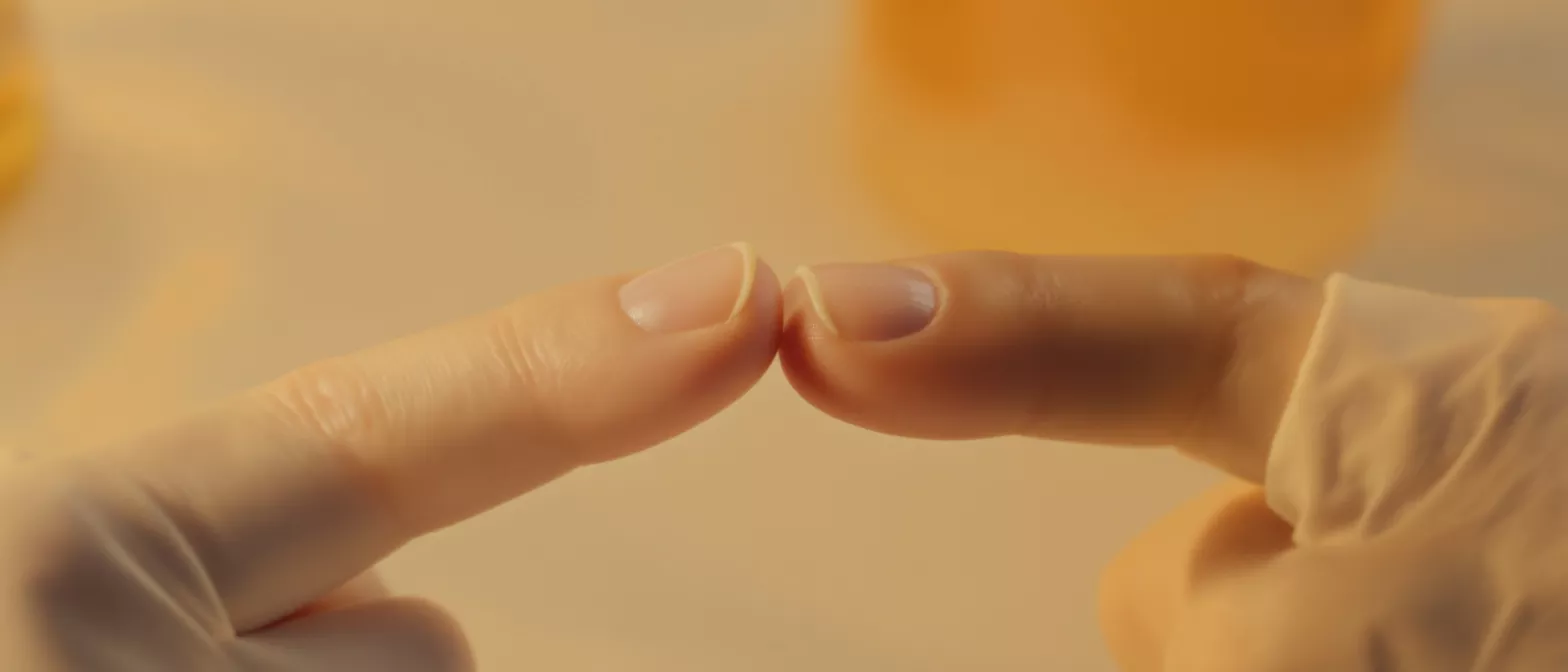
What is the difference between normal nails and clubbed nails? A healthy fingernail sits at a slight angle where it meets the skin, creating a small diamond-shaped window when you place your hands together in a specific way. With nail clubbing, this angle flattens entirely, making the nail appear to float directly on the swollen fingertip. The tissue feels spongy when pressed, and the nail takes on a bulbous, drumstick appearance.
Recognizing this condition early matters because it is usually a sign of an underlying health issue. When the body does not get enough oxygen over a long period, or when blood flow is altered, it responds by changing the tissue at the extremities. For patients facing heart surgery, understanding this term helps explain why your doctor examines your hands so closely during clinical visits.
How does clubbing develop?
The exact mechanism behind digital clubbing involves a complex interplay between blood flow and tissue growth. Researchers believe it starts when platelets release growth factors into the bloodstream. Normally, these growth factors are trapped in the lungs, broken down, and removed. However, when the lungs or heart fail to filter them properly, they travel to the extremities and trigger tissue swelling.
What role does oxygen play in clubbing? Chronic low oxygen levels in the blood, known as hypoxemia, contribute significantly to this process. When your blood lacks adequate oxygen, the small vessels in your fingertips dilate to try to bring more blood to the area. Over time, this constant expansion forces the tissue to thicken and expand, leading to the physical changes seen in clubbing.
It is important to remember that this tissue change happens gradually. The body adapts to the lower oxygen levels by altering its structure, which is why clubbing is considered a long-term sign rather than an acute emergency. This slow progression also gives your surgical team a clear timeline of how long your heart condition has been affecting your circulation.
Why does clubbing matter for heart surgery patients?
For a patient preparing for cardiac surgery, the presence of clubbing provides your medical team with valuable diagnostic information. It tells Dr Alejandro Molina and your surgical team that your heart condition has been impacting your blood oxygenation long enough to cause physical changes. This clinical sign acts as a roadmap, helping guide pre-operative assessments and surgical planning.
How does clubbing relate to congenital heart defects? In adults with congenital heart defects, blood often bypasses the lungs through abnormal pathways. This unoxygenated blood mixes with oxygenated blood, starving the body of adequate oxygen. This mixing is a primary driver of clubbing cyanotic heart disease, where the skin and tissues suffer from chronic oxygen deprivation.
Knowing whether clubbing is present helps your surgeon gauge the severity of your heart defect. Your clinical team uses this outward sign as one piece of a larger puzzle to map out the safest approach to your heart surgery.
What are the visual signs of finger clubbing?
Identifying the physical characteristics of clubbing is a straightforward process your doctor performs during a routine checkup. You can also look for these changes yourself, though it is vital to have a medical professional confirm any suspicions. The signs are usually painless but visually distinct, affecting the fingers more often than the toes.
- Loss of the Lovibond angle: The normal angle between the nail and the skin flattens completely.
- Spongy nail bed: The tissue under the nail feels soft and gelatinous when pressed firmly.
- Downward curvature: The nail curves abnormally downward, resembling a bird's beak.
- Thickened fingertips: The ends of the fingers become wider and rounder than normal.
These visual cues are part of a comprehensive clubbing assessment. If you notice these changes in yourself or a family member, it is not a reason to panic, but it does warrant an appointment with a cardiologist to evaluate your heart health.
What heart conditions are linked to clubbing?
Clubbing is rarely an isolated condition; it points directly to an underlying issue with your heart or lungs. When a heart defect causes blood to circulate without picking up enough oxygen, your body reacts by developing this tissue thickening. Understanding these cardiac signs helps pinpoint the exact nature of your heart disease.
What is the connection between clubbing and pulmonary hypertension? Clubbing pulmonary hypertension occurs when the blood pressure inside the vessels connecting your heart to your lungs becomes dangerously high. This pressure changes how blood flows and is filtered, leading to the release of those tissue-growing factors in your extremities.
Other conditions include infective endocarditis, an infection of the heart valves, and complex congenital heart defects. By identifying the specific heart disease linked to your clubbing, your surgeon can tailor your treatment to correct the oxygen deprivation at its source.
How do doctors diagnose clubbing?
Diagnosing clubbing is primarily a visual and tactile clinical sign assessed during a physical examination. Your doctor will look at your hands, feel the texture of your nail beds, and perform simple tests to measure the angle of your nails. This clubbing examination is painless and takes only a few minutes to complete.
What is the Schamroth window test? This is a simple clinical test where you place the same fingernails of your right and left hands together. If a small diamond-shaped space appears between the nails, you do not have clubbing. If the space is missing and the nails touch directly, it indicates that the nail angle has flattened, confirming the presence of the condition.
While the physical signs are easy to spot, confirming the underlying cause requires more investigation. Your doctor will likely order an echocardiogram to look at your heart's structure and function. The goal is to match the outward physical signs with the internal cardiovascular reality to build a complete diagnostic picture.
Can clubbing be reversed after cardiac surgery?
A common question patients ask is whether the physical changes of clubbing will go away after their heart is repaired. The good news is that if the clubbing is directly caused by a reversible heart condition, it can improve over time. Once the heart defect is corrected and normal blood oxygenation is restored, the body stops producing the signals that cause tissue swelling.
How long does it take for clubbing to resolve? Reversal is a slow process. Because the tissue took months or years to thicken, it will not return to normal overnight. Patients typically see gradual improvements over six to twelve months after a successful surgery. The nail bed will slowly regain its normal angle as healthy tissue replaces the thickened tissue.
However, if the clubbing has been present for many years, some physical changes might remain permanent. Treating the underlying cause is always the priority. While you wait for your body to heal, focusing on good circulation and nutrition helps support the reversal process.
What to expect during a clubbing assessment?
During your pre-operative visits, your cardiology team will conduct a thorough physical examination that includes an assessment for clubbing. They are looking for clues about how your heart condition has affected your circulation over time. This assessment is entirely painless and involves nothing more than the doctor looking at and feeling your hands.
Why do doctors squeeze the fingertips? When your doctor presses firmly on the end of your finger, they are checking for the spongy texture characteristic of clubbing. A healthy nail bed rests firmly against the bone. A clubbed nail bed will feel like it is floating on a soft, gelatinous cushion.
This physical check is combined with a review of your medical history and other symptoms. Your doctor will note if the clubbing is symmetrical, meaning it appears evenly on both hands. This thorough cardiovascular clinical sign evaluation helps ensure you are properly prepared for your surgery.
How to monitor nail changes at home?
While you are waiting for your surgery or recovering afterward, you can keep an eye on your nail changes at home. Tracking these changes is a good way to understand your body's progress. It helps you feel more in control of your health journey during a stressful time.
How often should you check your nails? Checking once a month is a good frequency for monitoring. You want to look for changes in the curvature of your nails and feel for changes in the firmness of the nail bed. Taking a photograph every few months can help you see subtle differences you might otherwise miss.
Remember that home monitoring is not a substitute for professional medical care. If you notice the clubbing getting worse, or if it is accompanied by new shortness of breath, you should contact your surgeon immediately. These signs could indicate that your condition is changing and require professional evaluation.
Understanding the prognosis of clubbing
The prognosis for a patient with clubbing depends entirely on the underlying cause. Because clubbing is just a symptom, treating the root cause is the most effective way to manage it. For heart surgery patients, successfully repairing a congenital defect or resolving a valve issue sets the stage for improvement.
Does clubbing affect life expectancy? The presence of clubbing itself does not shorten your life, but it reflects a condition that needs medical attention. The sooner a heart condition is diagnosed and treated, the better the outcome. By addressing the heart disease, you not only improve your oxygen levels but also give your body the chance to heal the physical changes in your hands.
In summary, clubbing is a visible clinical sign that acts as a window into your heart health. Recognizing it, understanding why it happens, and treating the underlying heart condition through expert surgical care are the most effective clubbing treatment options. With the right medical intervention, your body can begin to recover, bringing your circulation and your fingertips back to normal.






