Endothelium and Heart Health: How Arteries Repair
Endothelium heart health guides how arteries heal.
Understanding endothelium heart health is one of the most powerful steps you can take to protect your cardiovascular system. The endothelium is a delicate, single-cell-thick membrane that lines the inside of your heart and all your blood vessels. When it functions properly, it acts as a smart barrier, controlling what passes in and out of your arterial walls. For many patients facing cardiac concerns in Mexico, learning how this invisible lining works offers a clearer picture of how heart disease develops and, more importantly, how arteries can heal. By focusing on the mechanisms of vascular repair, patients and their families can approach cardiac care with evidence-based confidence.
What Is Endothelium Heart Health and Why It Matters?
The role of the vascular endothelium: The endothelium is far more than just an inert pipe lining; it is a highly active endocrine organ. It constantly senses the blood flowing over it and releases signaling molecules to instruct the underlying arterial muscles to contract or relax. This dynamic regulation maintains smooth blood flow and prevents dangerous clotting. When we talk about endothelium heart health, we are referring to the capacity of this cellular layer to maintain these vital functions seamlessly.
Nitric oxide and endothelial function: The most critical molecule produced by a healthy endothelium is nitric oxide. This gas signals the smooth muscle cells in the artery walls to relax, widening the vessels and lowering blood pressure. Nitric oxide also prevents blood platelets from sticking together and keeps cholesterol from oxidizing. Maintaining robust nitric oxide production is essential for preventing the initial stages of cardiovascular disease. According to AHA Journals, impaired nitric oxide availability is one of the earliest indicators of vascular disease.
Why early detection matters: Endothelial dysfunction often begins long before any physical symptoms appear. A doctor might detect early changes during a routine physical exam using auscultation, which is the act of listening to the sounds of the heart and blood vessels using a stethoscope. Identifying endothelial stress early allows for interventions that can halt or reverse damage before structural changes, like plaque buildup, occur in the arteries.
How Does the Blood Vessel Lining Repair Itself?
Endothelial cell regeneration: The body has an innate ability to heal damaged arteries. When the endothelial lining suffers minor injuries from high blood pressure or toxins, neighboring endothelial cells can migrate and divide to cover the defect. This process of endothelial cell regeneration relies heavily on the presence of circulating endothelial progenitor cells, which are released from the bone marrow to assist in patching up damaged areas of the blood vessel endothelium.
The role of cellular cleanup: For repair to occur, damaged cells must be cleared away. This is where a process called autophagy comes into play, acting as the cell's internal recycling system. Research detailed in Autophagy in major human diseases. shows that this cellular cleanup is vital for maintaining the integrity of vascular structures. When autophagy functions properly, the endothelium can recover from stress and restore its normal barrier function.
Timeline of artery lining repair: Healing the endothelium is not an overnight process. While molecular improvements in vascular function can be measured within weeks of starting a healthy lifestyle, structural repair and the stabilization of arterial walls take months of consistent effort. The timeline depends heavily on the extent of the initial damage and the patient's commitment to reducing ongoing vascular stress.

Common Causes of Endothelium Heart Health Damage
Systemic stressors on the endothelium: Several common conditions place immense stress on the endothelial lining. Chronic high blood pressure forces blood against the vessel walls with excessive force, causing microscopic tears. Similarly, high blood sugar levels associated with diabetes can glycate proteins, effectively caramelizing the inside of the blood vessels and severely impairing endothelial function over time.
The impact of cholesterol particles: Not all cholesterol affects the endothelium equally. Lipoproteins carrying Apolipoprotein B, a protein that helps transport cholesterol through the bloodstream, are particularly prone to penetrating the damaged endothelium. Once inside the arterial wall, these particles become oxidized, triggering an inflammatory response that marks the beginning of plaque formation.
Environmental and lifestyle factors: Smoking is one of the most destructive habits for endothelium heart health. The thousands of chemicals in tobacco smoke directly poison endothelial cells and deplete nitric oxide reserves. Chronic stress and lack of sleep further exacerbate the problem by keeping the sympathetic nervous system in overdrive, constantly constricting blood vessels. Here are the primary culprits that damage your arterial lining:
- Toxins: Smoking and secondhand smoke directly impair nitric oxide production.
- Metabolic issues: Insulin resistance and high blood sugar degrade the cellular repair mechanisms.
- Pressure overload: Unmanaged hypertension causes physical trauma to the delicate endothelial cells.
Diagnosing Endothelial Dysfunction and Treatment Options
How doctors identify the problem: Diagnosing endothelial dysfunction usually begins with assessing a patient's risk factors and symptoms. In some cases, patients may experience atypical infarction, where heart attack symptoms do not present as classic crushing chest pain but rather as subtle fatigue or indigestion. To confirm endothelial issues, cardiologists may use a specialized ultrasound test called Flow-Mediated Dilation (FMD) to measure how well an artery widens when blood flow increases.
Integrating pathology guidelines: When endothelial dysfunction progresses unchecked, it can lead to sudden, severe cardiovascular events. Understanding the endpoint of vascular disease is crucial for both doctors and patients. The Guidelines for autopsy investigation of sudden cardiac death: 2017 update from the Association for European Cardiovascular Pathology. emphasize the importance of recognizing how deeply endothelial damage contributes to fatal plaque ruptures, underscoring the need for early clinical intervention.
Comprehensive treatment strategies: Treating endothelial dysfunction involves addressing the root causes of the damage. This usually includes a combination of lifestyle modifications and pharmacological therapies aimed at lowering blood pressure, reducing cholesterol, and improving insulin sensitivity. The goal is to remove the stressors damaging the endothelium while providing the body with the tools it needs to heal the arterial lining.
Best Diet for Endothelium Heart Health
Embracing the Mediterranean approach: An endothelial health diet should closely mirror the Mediterranean diet, which is rich in olive oil, nuts, whole grains, and fatty fish. This eating pattern provides a high concentration of antioxidants and polyphenols, which protect endothelial cells from oxidative stress. Replacing saturated fats with monounsaturated fats helps reduce inflammation and supports better vascular function.
Foods that boost nitric oxide: To support endothelium heart health, it is vital to consume foods rich in natural nitrates. Leafy greens like spinach, arugula, and kale are excellent sources. The body converts the nitrates in these vegetables into nitric oxide, directly providing the molecule your arteries need to relax. Beets and pomegranate are also highly effective at enhancing nitric oxide pathways.
What to avoid: Just as important as what to eat is what to avoid. Processed foods high in refined sugars and trans fats actively promote endothelium inflammation. High sodium intake can also damage the endothelial lining by increasing oxidative stress within the vessels. Limiting these items is a foundational step in any artery damage reversal strategy.
Lifestyle Changes to Improve Vascular Health
The power of regular exercise: Physical activity is one of the most effective ways to improve vascular health. Aerobic exercise, such as brisk walking, swimming, or cycling, increases the shear stress of blood flowing against the arterial walls. This mechanical force stimulates the endothelium to produce more nitric oxide, effectively exercising and conditioning your blood vessels from the inside out.
Smoking cessation: Quitting smoking yields almost immediate benefits for the endothelium. Within weeks of stopping, nitric oxide levels begin to recover, and the constant chemical irritation to the arterial lining ceases. This allows endothelial cell regeneration to proceed without being constantly undermined by new toxins.
Stress and sleep management: Chronic anxiety and poor sleep keep cortisol and adrenaline levels elevated, which constricts blood vessels and damages the endothelial lining over time. Prioritizing seven to eight hours of quality sleep and practicing stress-reduction techniques, such as deep breathing or meditation, helps calm the nervous system and restore artery elasticity.

Medications for Endothelium Heart Health Management
Statins beyond cholesterol lowering: While statins are primarily known for lowering cholesterol, they also have a powerful pleiotropic effect, meaning they improve endothelial function independently of cholesterol reduction. Statins help stabilize the endothelial lining by reducing local inflammation and increasing the availability of nitric oxide, making them a cornerstone of cardiovascular therapy.
Blood pressure and clot management: Angiotensin-Converting Enzyme (ACE) inhibitors and Angiotensin II Receptor Blockers (ARBs) not only lower blood pressure but also directly protect the endothelium from the damaging effects of angiotensin. In some cases, doctors may prescribe Aspirin in low doses to prevent platelets from clumping together, though it does not directly heal the lining. Managing heart rhythm issues, such as atrial flutter, is also vital, as irregular rhythms can stress the endothelium.
Targeted therapies for complex cases: For patients with advanced disease, specialized medications might be required to manage specific conditions like severe hypertension or diabetes. These medications are tailored to the individual's EuroSCORE II risk profile, ensuring that the benefits of endothelial protection are maximized while minimizing potential side effects.
Endothelium Heart Health and Atherosclerosis Connection
From dysfunction to plaque: The connection between endothelium heart health and atherosclerosis is direct and profound. When the endothelium becomes dysfunctional, it loses its ability to keep cholesterol and immune cells out of the arterial wall. Low-density lipoproteins slip into the intima layer, where they become oxidized and attract macrophages, setting the stage for an atheromatous plaque to form.
Plaque progression in major vessels: As the plaque grows, it can begin in the ascending aorta or the coronary arteries, narrowing the passage for blood flow. The plaque is covered by a fibrous cap, the stability of which is dependent on a healthy endothelium. If the endothelium remains inflamed, the cap can thin and eventually rupture, leading to a heart attack.
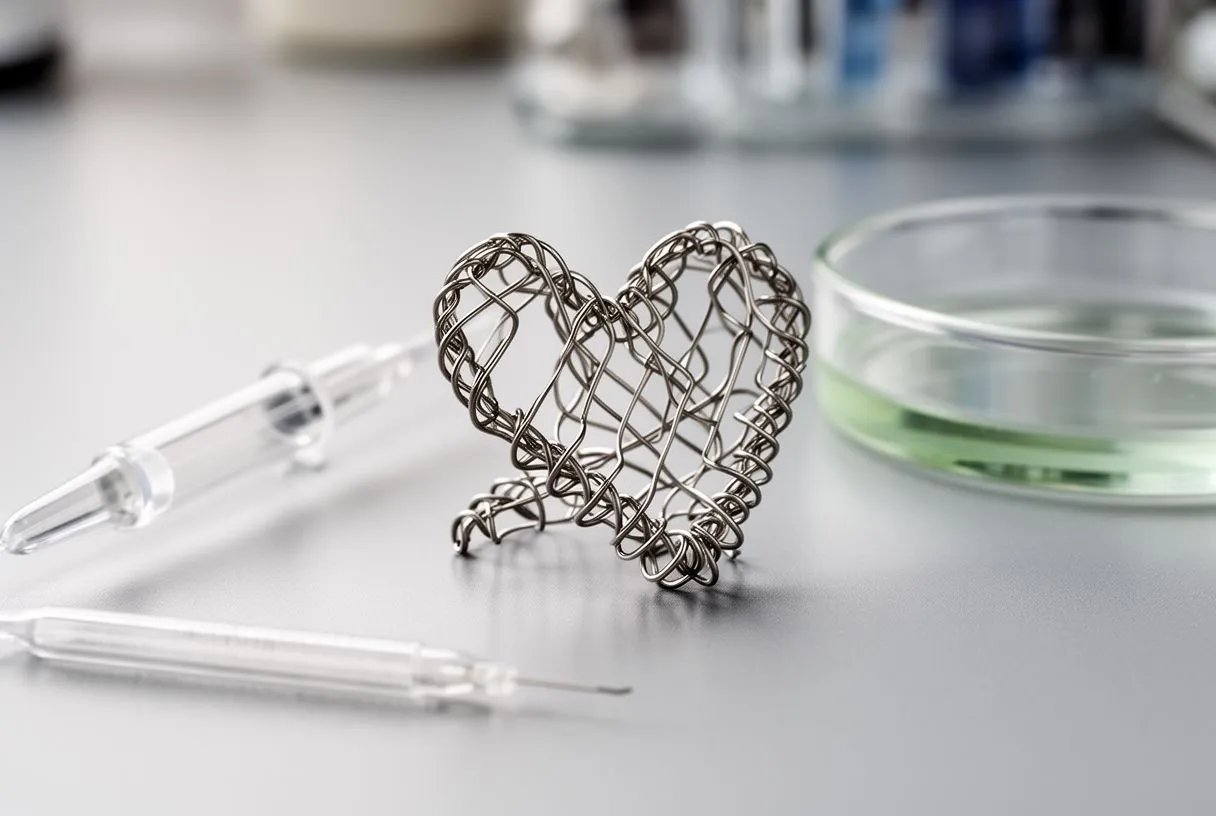
Mechanical interventions: When lifestyle and medications are not enough to halt the progression of atherosclerosis, mechanical interventions may be necessary. Procedures like balloon angioplasty are used to physically open a blocked artery. While these procedures restore blood flow, they do not cure the underlying endothelial dysfunction, making post-procedure care critical to prevent the blockage from returning.
Can Endothelium Heart Health Be Reversed Naturally?
The body's innate healing capacity: Yes, mild to moderate endothelial dysfunction can often be improved and sometimes reversed naturally. The endothelium is a resilient tissue capable of significant recovery when the harmful stimuli are removed. By adopting a strict Mediterranean diet, exercising regularly, and eliminating toxins, patients can create an environment where endothelial repair supplements are often unnecessary.
Restoring artery elasticity: As the endothelium heals, it regains its ability to produce nitric oxide, which helps restore artery elasticity. This means the vessels can more effectively expand and contract in response to the body's demands. Over a period of several months, patients often notice improvements in exercise tolerance and a reduction in symptoms like cold extremities.
Long-term commitment: Reversing endothelial damage is not a temporary fix but a lifelong commitment. The habits that heal the endothelium must become permanent lifestyle changes. Consistency is the key to preventing the recurrence of endothelium inflammation and maintaining long-term cardiovascular health.
Endothelium Heart Health and Heart Surgery Recovery: When to Seek Help
Post-surgical vascular healing: After cardiac surgery, protecting the endothelium is paramount for a successful recovery. Surgical procedures inherently cause trauma to the blood vessels, and the endothelium must heal around stents or grafts. Patients must strictly adhere to their medication regimens and lifestyle modifications to support this delicate healing phase and prevent scar tissue from causing new blockages.
Recognizing warning signs: While some discomfort is normal during recovery, certain symptoms require immediate medical attention. Patients should be vigilant and seek emergency care if they experience severe chest pain, sudden shortness of breath, or fainting. These could indicate that an arterial graft is failing or that a new blockage is forming, necessitating rapid intervention.
Partnering with your cardiac team: Your journey to optimal heart health should never be navigated alone. If you are experiencing symptoms of endothelial dysfunction or are recovering from heart surgery, it is vital to work closely with your cardiology team. Keep track of these critical recovery milestones:
- First follow-up: Schedule a check-up within two weeks of discharge to assess incision and vascular healing.
- Symptom diary: Keep a daily log of your energy levels, any chest discomfort, or unusual fatigue to share with your doctor.
- Consultation: Discuss any concerns about medications or lifestyle changes with a qualified cardiac specialist before making adjustments.