

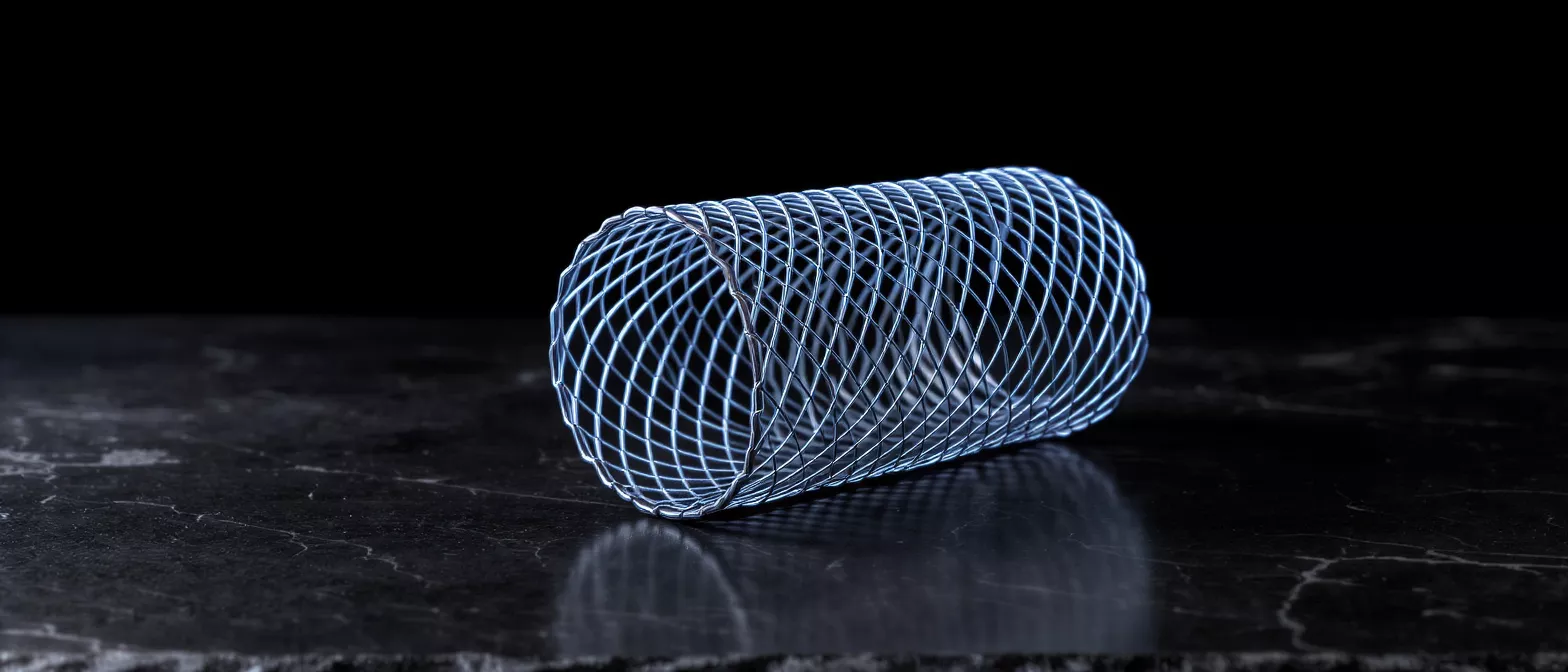
Cobalt-chromium Frame
Discover how a cobalt-chromium frame strengthens cardiac stents, offering flexibility and durability for coronary arteries.
What is a cobalt-chromium frame?
When cardiologists discuss a cobalt-chromium frame, they are referring to the tiny, scaffold-like metal mesh that makes up a heart stent. This specialized alloy is engineered to hold a blocked coronary artery open after a blockage has been cleared. For a patient facing heart surgery or a stenting procedure, understanding this material can bring significant peace of mind. The frame acts as a permanent but unobtrusive support structure, keeping the artery wide enough for healthy blood to flow freely to the heart muscle.
Metal alloy composition: The blend of cobalt and chromium creates a material that is exceptionally strong while remaining incredibly thin. Because the individual metal struts can be made much slimmer than older stainless steel models, the overall profile of the device is very low. This thinness helps the stent press flat against the artery wall, reducing the chance of catching platelets or causing further blockage.
Doctors choose this specific heart stent material because it perfectly balances rigidity and flexibility. The alloy resists the natural compression of the artery wall, actively preventing the vessel from collapsing again. It is a passive yet powerful tool in the long-term management of coronary artery disease, designed to be safely and permanently implanted within the human body.
Why is a cobalt-chromium stent frame used in heart surgery?
The use of a cobalt-chromium stent frame has become a standard in modern cardiology due to its remarkable physical properties. Older stent materials were thicker, which sometimes disrupted blood flow or triggered an inflammatory response in the vessel lining. By upgrading to this advanced alloy, surgeons can use a much finer mesh that provides the same level of structural support without taking up vital space inside the artery.
Coronary artery support: The primary job of this frame is to act as a permanent brace against the artery walls. Once deployed, it exerts gentle but continuous outward radial force. This ensures the newly widened vessel stays open, allowing oxygen-rich blood to reach the heart muscle without interruption.
This material is highly visible under standard X-ray and fluoroscopy, which is crucial during the actual placement procedure. The clear visibility allows the surgical team to position the cardiac stent cobalt device with pinpoint accuracy. Precise placement minimizes complications and ensures the vessel is supported exactly where the plaque buildup was causing the most danger.
How does stent frame design affect cardiac patients?
Stent frame design has evolved significantly over the years, directly impacting patient recovery and long-term outcomes. The architecture of the mesh—specifically how the tiny metal bridges connect—determines how well the stent flexes, expands, and conforms to the natural curve of a coronary artery. A well-designed frame mimics the natural movement of the blood vessel, which is vital for a beating heart.
Vessel wall conformity: The specific geometric pattern of the cobalt chromium alloy allows the mesh to expand evenly like a spring-loaded cylinder. This even expansion is critical to avoid damaging the inner lining of the artery, which could otherwise trigger scar tissue growth. By minimizing vessel trauma, modern designs help keep the artery smoother over time.
When a cardiac patient receives a stent, the goal is to restore normal physiology without the patient feeling the device. The advanced stent frame architecture ensures the device moves seamlessly with the pulsing of the heart. This seamless integration means patients can return to their daily lives without the constant awareness of a foreign object in their chest.
Is a cardiac stent cobalt material safe for the body?
Biocompatibility is a primary concern whenever a permanent implant is placed inside the human body, and cardiac stent cobalt materials have an excellent safety profile. The cobalt-chromium alloy is highly resistant to corrosion, meaning it will not degrade or break down in the warm, oxygen-rich environment of the bloodstream. This stability is essential for preventing toxic metal ions from entering the circulatory system.
Blood compatibility features: To further enhance safety, most modern frames are coated with a specialized medication known as a drug-eluting polymer. This coating slowly releases a drug that prevents scar tissue from growing over the metal struts. The combination of the inert alloy and this targeted medication creates a safe, blood-compatible surface that the body readily accepts.
Patients do not need to worry about the metal setting off security alarms at airports or interfering with modern medical imaging, such as MRI machines. The cobalt chromium coronary stent is specifically engineered to be safe for these everyday life scenarios. While no medical procedure is entirely without risk, the materials used in these frames are chosen specifically for their safety, allowing advanced cardiology support devices to work quietly in the background.
What makes a flexible stent frame important for coronary arteries?
Coronary arteries are not straight tubes; they curve around the outside of the heart muscle and must flex with every single heartbeat. A flexible stent frame is absolutely critical because it must navigate these tight curves without straightening the vessel or kinking the artery. If a stent is too stiff, it can cause the artery to adopt an unnatural shape, which may lead to future blood flow issues.
- Adaptability: The cobalt-chromium frame flexes easily, tracking the natural twists of the coronary anatomy without applying damaging outward pressure.
- Crush resistance: Despite being highly flexible, the alloy has excellent radial strength, quickly recovering its circular shape even if slightly compressed during delivery.
- Dynamic movement: The mesh pattern allows the stent to elongate and compress naturally with the beating heart, preventing fatigue fractures over time.
This combination of flexibility and strength means the stent can be safely threaded through the winding pathways of the circulatory system. Once it reaches the targeted blockage, it reliably expands to hold the vessel open. The stent frame strength ensures that it will continue to hold the artery open effectively, no matter how much the heart muscle flexes over the years.
How do cobalt-chromium coronary stents support blood flow?
The primary goal of any stent procedure is to restore and maintain robust blood flow to the heart muscle. A cobalt-chromium coronary stent achieves this by physically pushing the plaque back against the artery wall and keeping the central channel clear. Because the metal struts can be manufactured to be incredibly thin, they take up minimal space inside the vessel, maximizing the opening available for blood to pass through.
Endothelial healing process: Once the flexible stent frame is deployed, the body's natural healing processes take over. Healthy endothelial cells slowly grow over the surface of the metal mesh, effectively burying the stent inside the wall of the artery. This process creates a smooth, natural inner lining that mimics a healthy blood vessel.
By promoting this smooth inner lining, the stent significantly reduces turbulence in the bloodstream. Smooth blood flow is essential because turbulent currents can cause platelets to clump together, potentially forming new clots. In this way, the cobalt chromium cardiology tool serves as a permanent structural aid, ensuring the cardiac patient maintains clear, unobstructed circulation long after the procedure.
What is stent frame architecture and technology?
The phrase stent frame architecture refers to the precise engineering and laser-cut patterns that define how the metal mesh behaves. Modern stent frame technology relies on microscopic cuts made into a tiny metal tube, creating a specific series of bridges and struts. These geometric patterns are the result of decades of biomechanical research, designed to optimize the balance between flexibility, radial strength, and low profile.
Strut thickness and visibility: The cobalt chromium alloy allows manufacturers to create incredibly thin struts without sacrificing the overall strength of the device. Thinner struts are clinically associated with less irritation to the artery wall and a lower risk of scar tissue forming. Furthermore, the density of the alloy provides excellent visibility under X-ray, allowing doctors to see exactly where the device is placed during the operation.
This advanced technology means surgeons can treat very small or heavily calcified vessels that were previously impossible to stent safely. The ability to deliver a highly flexible but incredibly strong micro-mesh represents a significant leap forward in heart stent cobalt chromium design. When patients require a coronary heart support mesh, this architecture ensures the device can navigate the most complex blockages.
What are the cobalt-chromium stent design benefits?
The benefits of cobalt-chromium stent design extend far beyond the operating room, directly impacting the patient's quality of life. The primary advantage is the significant reduction in restenosis, which is the medical term for an artery re-narrowing after a procedure. The thin struts and medicated coatings work together to keep the vessel clear, reducing the likelihood of needing a repeat procedure.
- Lower restenosis risk: Thin struts minimize arterial trauma, significantly decreasing the chance of the vessel scarring and closing up again.
- Rapid recovery: The minimally invasive nature of the catheter procedure means patients often go home the same day and return to normal activities within a week.
- Restored circulation: The high radial strength immediately restores blood flow, often relieving symptoms like chest pain or shortness of breath instantly.
Furthermore, the durability of the cobalt chromium alloy means this design provides lifelong support. The metal will not fatigue or degrade over time, acting as a permanent structural pillar for the coronary artery. This long-term reliability is one of the most reassuring design benefits for cardiac patients, providing ongoing peace of mind.
How long does a heart stent cobalt-chromium frame last?
A common question for frightened patients or family members is whether the stent will eventually need to be replaced. The reassuring answer is that a heart stent cobalt-chromium frame is designed to be a permanent implant. Once placed, the stent becomes fully integrated into the artery wall, covered by a layer of natural tissue, and will remain in the body for the rest of the patient's life. There is no expiration date on the metal itself.
Long-term outcomes: Because the alloy is highly resistant to corrosion and metal fatigue, the structural integrity of the frame will not fail over time. The stent continues to hold the artery open just as effectively ten years later as it did the day it was implanted. Many patients ultimately require a long-term cardiac stent framework to maintain their cardiovascular health indefinitely.
While the frame lasts forever, it is important to remember that the stent only addresses the specific blockage where it was placed. Coronary artery disease is a systemic condition, meaning patients must manage their overall heart health through diet, exercise, and prescribed medications. The stent is a highly durable mechanical fix, but maintaining a healthy lifestyle is still required to prevent new blockages from forming elsewhere.
What to expect after receiving a cobalt-chromium frame
After a procedure to implant a cobalt-chromium frame, the immediate recovery is typically swift and straightforward. Patients usually spend a few hours in an observation room to ensure there is no bleeding from the catheter site and that blood flow remains steady. Most people are sent home the same day with clear instructions on how to care for their wrist or groin insertion site.
Medications and follow-up: To ensure the newly placed stent remains free of clots, doctors will prescribe antiplatelet medications, often referred to as blood thinners. It is absolutely vital to take these exactly as directed, as they prevent platelets from sticking to the newly implanted metal. Regular follow-up appointments with a cardiologist will ensure the heart stent material is functioning perfectly and the artery remains clear.
Patients often notice an immediate improvement in symptoms, such as the disappearance of chest pain or increased energy levels, because oxygen-rich blood is finally reaching the heart muscle. While adjusting to life after a cardiac event can be stressful, the cobalt-chromium stent provides a reliable, invisible support system. By following medical advice and embracing heart-healthy habits, patients can confidently return to a full, active life.






