

Endograft
Learn how endograft stent grafts repair aortic aneurysms with minimally invasive surgery.
What is an endograft
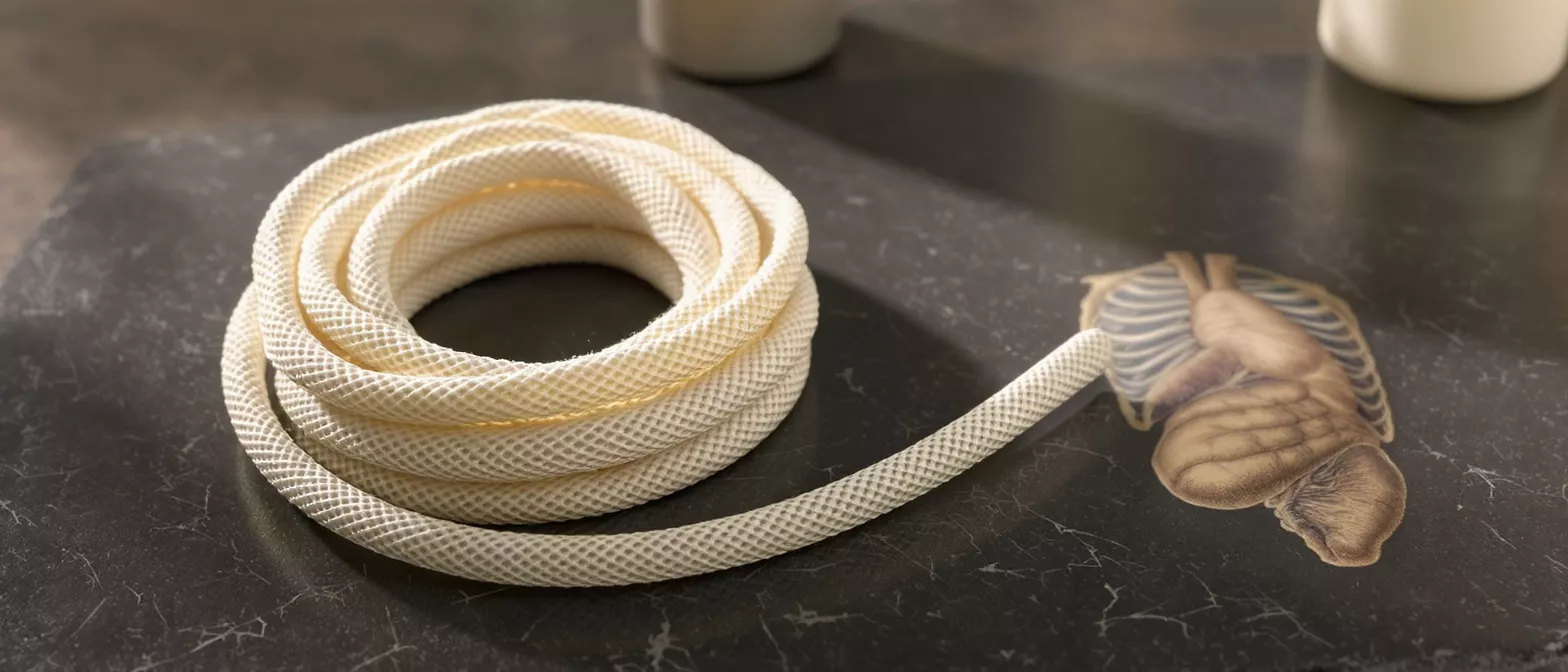
When facing a diagnosis of an aortic aneurysm, hearing the term "endograft" can bring both relief and a wave of new questions. An endograft is a specialized fabric-and-metal tube that a vascular surgeon places inside a weakened artery to reinforce its walls and prevent rupture. It functions as an inner sleeve, creating a new, stable pathway for blood flow while bypassing the fragile, bulging section of the blood vessel.
Purpose of an endograft in cardiac care: This device is used to treat dangerous enlargements or tears in the aorta, the main artery carrying blood from the heart to the rest of the body. By lining the inside of the aorta, the endograft takes the pressure off the weakened vessel wall. This drastically reduces the risk of a life-threatening rupture, giving patients a safer alternative to traditional open surgical repair.
Understanding this tool is the first step in feeling confident about your treatment plan. The technology has evolved significantly, allowing specialists to treat complex vascular conditions with precision while minimizing physical trauma to the patient.
How an endograft works in aortic repair
The mechanism behind this device is straightforward but elegant. Instead of opening the chest or abdomen to replace the damaged blood vessel surgically, the surgeon accesses the artery through small incisions in the groin. Using advanced imaging for guidance, they thread a delivery catheter through the vascular system to the site of the aneurysm.
Deployment of the stent graft aórtico: Once the catheter reaches the targeted weakened area, the surgeon carefully releases the compressed endograft. The metal framework expands, pushing the fabric tube firmly against the healthy portions of the artery wall above and below the aneurysm. This creates a secure seal, ensuring blood flows through the new prosthesis rather than pressing against the diseased vessel tissue.
By redirecting the blood flow, the aneurysm is effectively decompressed. The pressure that previously stretched the weakened artery wall is eliminated, stabilizing the cardiovascular system and preventing catastrophic failure.
Endograft vs open surgery: which is better
Differences between EVAR and open repair: Traditional open surgery involves a large incision to directly replace the diseased aorta with a synthetic tube. It is highly effective but carries significant risks, requiring a prolonged hospital stay and weeks of demanding recovery. An endograft, used in EVAR (Endovascular Aneurysm Repair) or TEVAR (Thoracic Endovascular Aortic Repair) procedures, achieves the same goal through minimally invasive techniques, resulting in less pain and a quicker return to normal life.
Neither approach is universally better; the choice depends entirely on the patient's specific anatomy and overall health. Patients with severe heart or lung conditions who cannot tolerate major surgery often benefit immensely from the endovascular approach.
However, not every aneurysm is shaped suitably for an inner prosthesis. Open surgery remains the gold standard for complex anatomies that lack the healthy landing zones required to seal an endograft properly. Your surgical team will evaluate your scans to recommend the safest and most durable option.
Types of endografts for aortic aneurysms
Vascular specialists use different devices depending on the location and geometry of the disease. The main distinction lies between abdominal and thoracic repairs, though complex cases may require custom solutions.
- Endograft abdominal: Designed to treat aneurysms in the lower part of the aorta, this is the most common application for endovascular repair.
- Endograft torácico: Used to treat conditions higher up in the chest, such as thoracic aneurysms or aortic dissections.
- Endograft toracoabdominal: A specialized prosthesis used to bridge complex regions involving both the chest and the abdomen, often requiring custom fenestrations to keep branch arteries open.
Each device is selected based on precise measurements of the patient's vascular anatomy, ensuring the right fit to prevent leaks and ensure long-term stability.
What to expect during an endograft procedure
Knowing what happens in the operating room can ease much of the anxiety associated with vascular surgery. The procedure is typically performed under regional or general anesthesia and takes about two to three hours, which is significantly shorter than open surgery.
Steps in the EVAR procedimiento: After making small incisions near the groin to access the femoral arteries, the surgeon uses continuous X-ray guidance to navigate the delivery system into the aorta. The prosthesis is deployed precisely at the aneurysm site, where it immediately redirects blood flow. The catheter is then removed, and the small incisions are closed with sutures.
Patients usually spend a brief time in the recovery room for monitoring. Because there is no large surgical incision to heal, the physiological stress on the body is vastly reduced, making the entire experience far less daunting for both the patient and their family.
Recovery after endograft surgery
Postoperative healing timeline: The recovery period following an endovascular repair is remarkably quick. Most patients leave the hospital within two to three days, compared to the week-long stay required after open surgery. You will be encouraged to walk shortly after the procedure to promote healthy circulation.
While the physical incisions heal within a couple of weeks, full recovery and return to strenuous activities may take a month. Your surgeon will provide specific guidelines tailored to your cardiovascular health, ensuring you do not strain the repair site before it has fully stabilized.
It is normal to feel fatigued for a few weeks post-surgery. Listening to your body, resting when needed, and maintaining a heart-healthy diet will optimize your recovery and support the long-term success of the endoprothesis.
Are endografts safe and effective long-term
Endovascular repair is widely recognized as a safe and highly effective treatment for aortic aneurysms. The procedure carries a lower risk of major bleeding and infection compared to open surgery, making it a lifeline for patients who are high-risk candidates for traditional interventions.
Long-term durability of the prótesis endovascular aórtica: These devices are engineered to last for the rest of a patient's life. The materials used are highly durable and compatible with the human body. However, because they are mechanical devices placed inside a living, dynamic vessel, they require vigilant monitoring to ensure they remain securely in place.
The safety of this approach relies heavily on careful patient selection and meticulous surgical technique. When performed by an experienced vascular team, endovascular repair dramatically reduces the risk of aneurysm rupture and provides excellent long-term survival rates.
Endograft complications and follow-up care
While the procedure is generally very successful, patients must understand the importance of lifelong follow-up. The main concern is an "endoleak," a condition where blood continues to leak into the aneurysm sac around the prosthesis, potentially causing it to grow again.
Importance of endograft seguimiento: Regular imaging, usually through CT scans or ultrasounds, is critical. These scans allow your medical team to verify that the device remains sealed and properly positioned. Most complications are silent, meaning they do not cause symptoms until imaging reveals them, making scheduled follow-ups absolutely mandatory. Patients often use a remote blood pressure monitor to help keep their cardiovascular vitals in check at home.
If an issue arises, such as a minor leak or a slight shift in the device, it can usually be fixed with a minor follow-up procedure. Staying current with your appointments is the best way to protect your vascular health over the long term.
Who is a candidate for endovascular repair
Evaluating candidacy for a stent graft aórtico: Determining if you are a good candidate involves detailed imaging studies. The surgeon must measure the length and width of the healthy aorta above and below the aneurysm, known as the proximal and distal neck. These areas must be wide enough to create a secure seal for the device.
Candidates often include older patients or those with comorbidities like chronic obstructive pulmonary disease or heart disease, which make them poor candidates for extensive open surgery. The minimally invasive nature of the procedure makes it accessible to a broader range of patients who might otherwise have no surgical options.
However, if the aneurysm involves branching arteries or has a highly irregular shape, standard endovascular repair might not be suitable without custom-designed components. A thorough consultation with a specialist will clarify which path is best for your unique vascular structure.
Endograft in Guadalajara: finding the right care
Access to advanced vascular care is crucial for patients facing aortic disease. In Guadalajara, highly trained cardiovascular specialists offer state-of-the-art endovascular treatments, utilizing modern imaging and surgical suites to ensure the best possible outcomes.
Choosing a specialist for cirugía endovascular aorta: Selecting a medical team with deep expertise in placing these devices is essential. Dr Alejandro Molina and his team review every case against international guidelines and explain the alternatives, and the final decision is the patient's.
Seeking treatment locally ensures you have rapid access to your surgical team for follow-up imaging and support. For patients managing other aspects of their circulatory health during recovery, a venous support compression sleeve can provide additional comfort. Facing heart or vascular surgery is frightening, but understanding your options empowers you to take control of your health and confidently move toward recovery.






