

EVAR
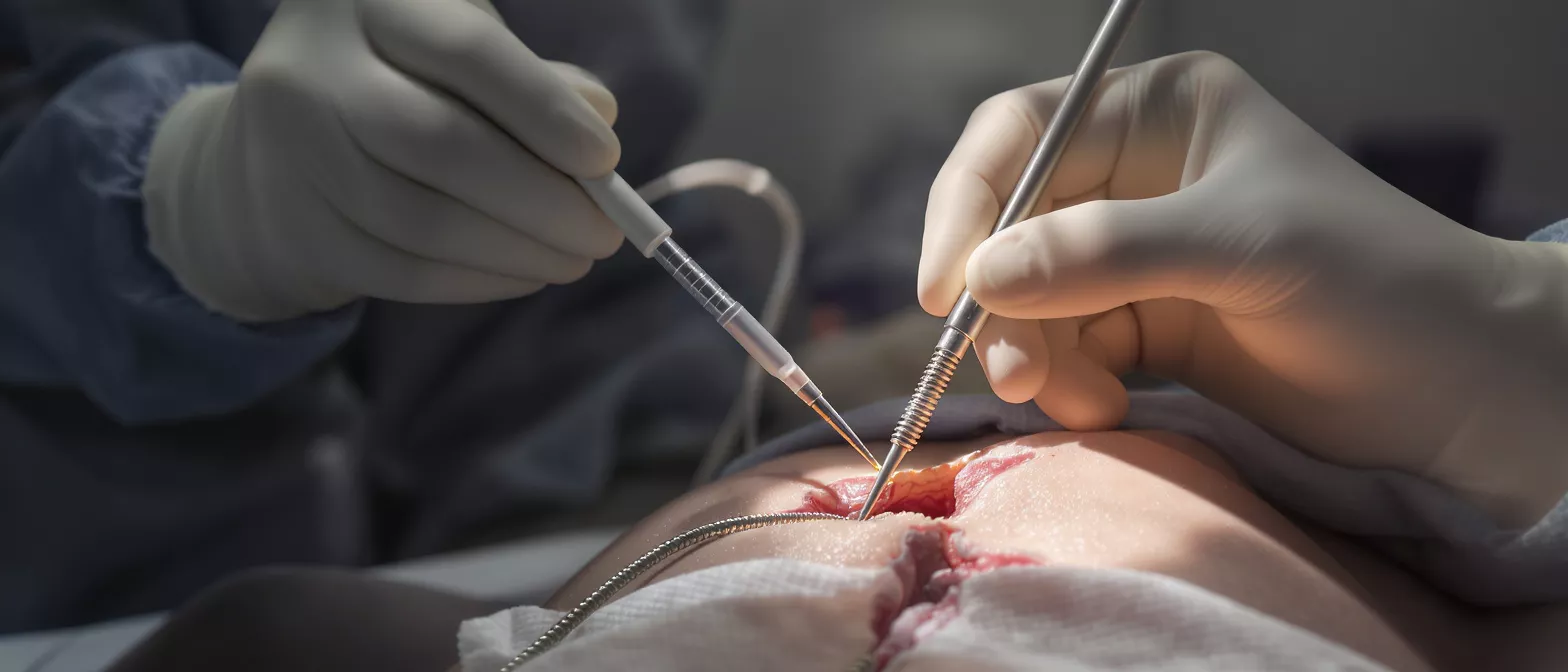
EVAR is a minimally invasive procedure to repair aortic aneurysms.
What Is EVAR?
Endovascular aneurysm repair, commonly known as EVAR, is a modern, minimally invasive surgical technique used to treat dangerous bulges in the aorta, the body's main blood vessel. An abdominal aortic aneurysm occurs when the wall of the aorta weakens and expands like a balloon. If left untreated, it can rupture, leading to life-threatening internal bleeding. EVAR is designed to reinforce the weakened artery wall and prevent this catastrophic event, providing a safer alternative to traditional open surgery for many patients.
Why EVAR matters for heart surgery patients: If your cardiovascular surgical team has identified an aortic aneurysm, the prospect of surgery can feel overwhelming. The EVAR procedure offers a critical lifeline by significantly reducing the physical trauma associated with repairing the aorta. Instead of making a large incision in your chest or abdomen, surgeons use advanced imaging to guide a reinforced fabric tube through small punctures in the groin.
Because the approach is less invasive, the strain on your heart and lungs is dramatically reduced compared to open aneurysm repair. For patients who may have other cardiovascular or lung conditions, this lowered physiological stress makes EVAR an essential option. It is a precise, image-guided solution that brings peace of mind to both patients and their families.
How EVAR Procedure Works
Understanding the steps of the EVAR procedure can relieve much of the anxiety patients feel before surgery. The process is entirely guided by high-resolution X-rays and ultrasound, allowing the surgeon to navigate your vascular system without making large surgical cuts. You will typically receive general or regional anesthesia, ensuring you are comfortable and pain-free throughout the operation.
The stent graft delivery process: The surgeon makes a small needle puncture or tiny incision in the femoral artery near your groin. Through this opening, a specialized catheter is carefully threaded upward into the aorta. Once the catheter reaches the site of the aneurysm, the compressed stent graft is deployed, expanding to fit snugly against the healthy artery walls above and below the damaged section.
When fully expanded, the stent graft creates a new, strong internal pathway for blood flow. The blood is redirected through this durable tube, effectively depressurizing the weakened, bulging aneurysm sac. Over time, the aneurysm typically shrinks as the pressure is relieved, eliminating the risk of rupture and stabilizing your cardiovascular health.
EVAR vs Open Surgery
When facing an aortic aneurysm, understanding the difference between EVAR and traditional open repair is crucial for your peace of mind. Traditional open surgery requires a large abdominal incision and temporarily clamping the aorta, which places significant stress on the heart. EVAR, by contrast, is performed entirely from inside the blood vessel, avoiding large incisions and major blood loss.
Key patient advantages of EVAR: The benefits of endovascular aneurysm repair are immediately noticeable in the recovery room. Without a massive abdominal incision, patients experience far less postoperative pain and a much lower risk of wound infections. Additionally, the heart and lungs do not have to endure the prolonged strain of open surgery, making it safer for older adults or those with coexisting illnesses.
- Shorter hospital stay: Patients are often discharged within 24 to 48 hours, compared to a week or more for open surgery.
- Faster return to activity: Normal daily routines can often be resumed within weeks rather than months.
- Lower cardiac strain: Avoids large incisions and prolonged aortic clamping, protecting heart function.
While EVAR is a remarkable advancement, it is not suitable for every single patient. The anatomy of your aorta, the shape of the aneurysm, and the condition of your blood vessels must be meticulously evaluated through advanced CT scans. Your surgical team will determine the safest, most effective approach for your specific anatomy.
Aortic Aneurysm Treatment Criteria
Not every aneurysm requires immediate surgery, and not every patient is a candidate for endovascular repair. The decision to proceed with EVAR is based on careful screening criteria, primarily focusing on the size of the aneurysm and the geometry of your aorta. If an aneurysm is small and growing slowly, your doctor may recommend watchful waiting with regular ultrasound monitoring.
Anatomy and aneurysm size: EVAR is generally recommended when an aneurysm reaches a diameter of about 5.5 centimeters for men and 5.0 centimeters for women, or if it is growing rapidly. To ensure a proper seal, your aorta must have adequate "landing zones"—healthy sections of artery above and below the bulge where the stent graft can anchor securely.
If your blood vessels are too narrow, severely calcified, or highly twisted, threading the delivery catheter safely to the aneurysm may be impossible. In these cases, a traditional open repair or a specialized hybrid approach might be deemed safer. Your surgical team will map your vascular anatomy in precise detail to confirm that minimally invasive aneurysm surgery is the right choice for you.
EVAR Recovery Time
One of the most reassuring aspects of the EVAR procedure is the remarkably swift recovery period. Because the surgery avoids cutting through large muscle groups and the abdominal wall, the physical trauma to your body is minimal. Most patients are pleasantly surprised by how quickly they regain their mobility and independence after the operation.
Immediate postoperative phase: Right after surgery, you will be monitored in a recovery unit as the anesthesia wears off. You will likely be encouraged to sit up and walk short distances the very same day or the following morning. Pain is typically managed with basic oral medications, and you can expect to be discharged from the hospital within one to two days.
Once home, you should avoid heavy lifting and strenuous exercise for about two to four weeks to allow the small groin punctures to heal completely. Gentle walking is highly encouraged to promote healthy blood circulation. You will be scheduled for a follow-up appointment to check your incisions and discuss your ongoing recovery progress.
EVAR Complications and Risks
While EVAR is considered highly safe and effective, it is important to understand that no surgical procedure is entirely without risk. Being informed about potential complications helps patients and families recognize warning signs early. The most common issues are minor and manageable, but prompt communication with your surgical team is essential.
Endoleaks and vascular issues: The most specific complication associated with endovascular aneurysm repair is an endoleak. This occurs when blood continues to leak into the aneurysm sac outside the stent graft, which can prevent the bulge from shrinking. Endoleaks are usually detected on routine imaging scans and can often be fixed with a quick, minor follow-up procedure.
Other potential risks include bleeding or infection at the small groin incisions, and rare instances of kidney stress from the contrast dye used during the imaging process. Your surgical team takes extensive precautions to prevent these issues, using meticulous techniques and monitoring your kidney function closely during the procedure.
EVAR Stent Graft Follow-Up Care
Undergoing EVAR is not a one-time fix; it requires a lifelong partnership with your surgical and cardiology team. The stent graft is a durable medical device, but it exists in a dynamic environment and must be monitored to ensure it continues functioning perfectly. Consistent follow-up care is the key to a successful long-term outcome.
Lifelong monitoring schedule: Your first follow-up imaging scan will typically occur one month after the procedure to confirm the stent graft is securely in place and the aneurysm is shrinking. If everything looks perfect at that stage, you will transition to annual CT scans to monitor the device's structural integrity over the decades.
These routine scans are crucial for detecting silent issues like small endoleaks or minor shifts in the graft before they become symptomatic. Adhering to this surveillance schedule helps your medical team confirm the lasting success of your aortic stent graft procedure.
Living With an Aortic Stent Graft
Many patients worry that having a stent graft inside them will restrict their daily activities or lifestyle. Fortunately, the vast majority of patients return to a completely normal life after recovering from EVAR. The stent graft is designed to seamlessly integrate with your vascular system, and you will not feel it inside your body.
Physical activity and lifestyle adjustments: After your initial healing phase, you can safely resume gentle exercises, travel, and hobbies. It is vital to maintain a heart-healthy lifestyle by eating well, avoiding tobacco, and managing your blood pressure. Keeping your cardiovascular system healthy ensures the longevity of your repair.
You will be advised to avoid high-impact contact sports that could cause blunt trauma to your abdomen, though this is a rare necessity. It is also essential to inform any new doctors or emergency room staff about your stent graft, especially before undergoing other medical imaging or procedures. Choosing an endovascular repair device allows you to enjoy life fully while protecting your heart.
EVAR Screening and Prevention
Aortic aneurysms are often called the "silent killer" because they grow slowly and without symptoms until they become dangerously large. Because of this, proactive screening is the most effective way to catch an aneurysm early, long before it threatens your life. Early detection ensures you have the widest range of safe treatment options available.
Who should be screened: Screening is highly recommended for men aged 65 to 75 who have ever smoked cigarettes, as this demographic faces a significantly higher risk. Additionally, individuals with a family history of aortic aneurysms or genetic connective tissue disorders should undergo earlier and more frequent ultrasound screenings.
- Routine ultrasounds: A simple, painless abdominal ultrasound can detect an aneurysm in minutes.
- Smoking cessation: Quitting smoking slows aneurysm growth and protects overall vascular health.
- Blood pressure management: Strictly controlling hypertension reduces the physical stress on weakened artery walls.
By engaging in active screening and healthy lifestyle choices, you can prevent the sudden emergencies associated with ruptured aneurysms. If an aneurysm is found, monitoring it closely allows your surgical team to intervene with EVAR at the exact right moment.
Conclusion
Endovascular aneurysm repair represents a profound leap forward in cardiovascular surgery, offering a safe, effective, and minimally invasive path to treating a life-threatening condition. By reinforcing the aorta from the inside, EVAR protects against rupture while allowing for a rapid recovery and a quick return to normal life. The procedure dramatically reduces the physical strain of surgery, particularly for vulnerable patients.
While the technology is remarkable, its success relies heavily on careful patient selection and a lifelong commitment to follow-up imaging. By working closely with an experienced cardiac surgery team, you can ensure your stent graft functions flawlessly for decades. With proper screening and timely intervention, EVAR saves lives and provides profound peace of mind for patients and their families.






