

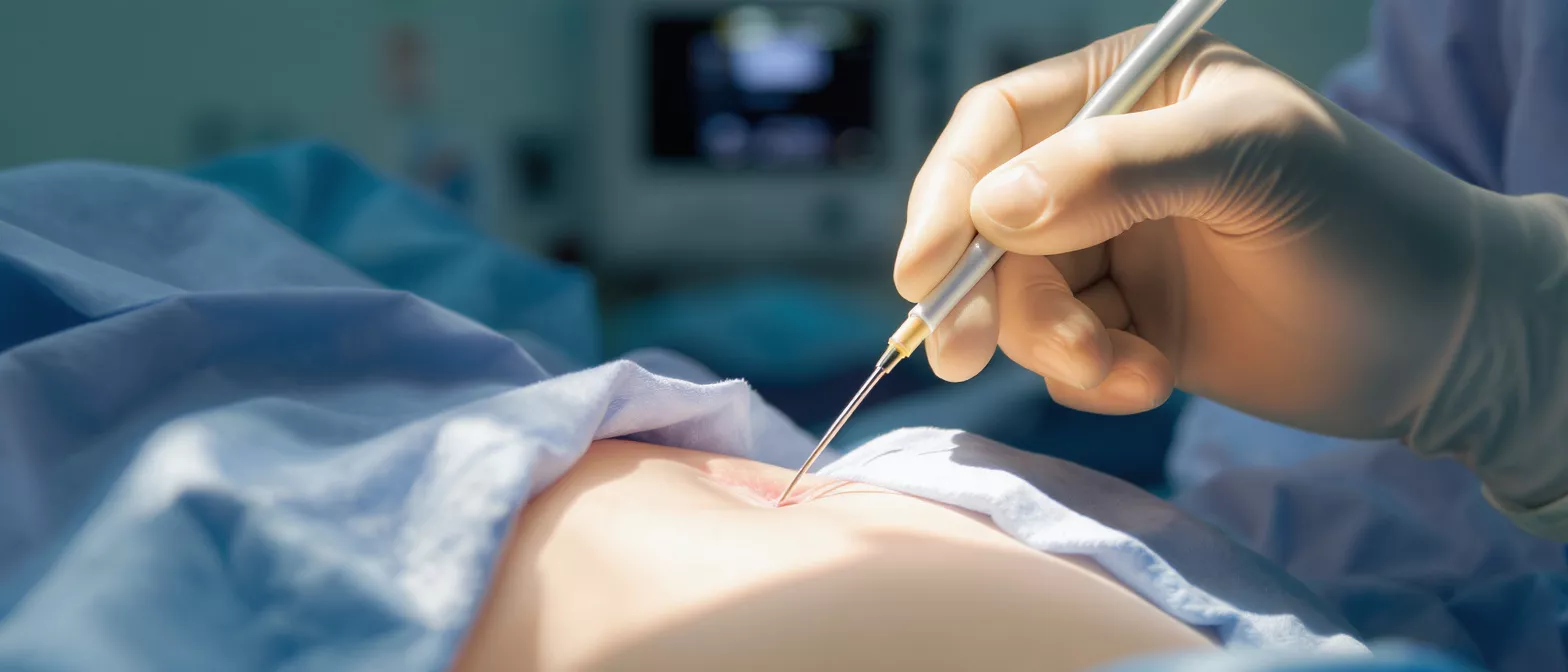
Endovascular Aneurysm Repair
Learn about endovascular aneurysm repair (EVAR), a minimally invasive aortic aneurysm treatment.
What is Endovascular Aneurysm Repair?
Endovascular aneurysm repair, commonly referred to as EVAR, is a modern, minimally invasive medical procedure used to treat aortic aneurysms. An aneurysm occurs when a section of the aorta, the large blood vessel carrying blood from the heart to the rest of the body, weakens and bulges outward. If left untreated, this bulge can rupture, leading to severe internal bleeding. Endovascular aneurysm repair provides a life-saving solution by reinforcing the weakened artery wall from the inside, preventing the risk of rupture without the need for major open surgery.
Why this matters to cardiac surgery patients: If you or a loved one has been diagnosed with an aortic aneurysm, the prospect of surgical intervention can feel overwhelming. Traditional open surgical repair requires a large incision in the chest or abdomen and a prolonged hospital stay. In contrast, endovascular aneurysm repair relies on small incisions in the groin, offering a significantly gentler approach. This means less physical stress on the body, reduced pain, and a much faster return to your normal daily activities.
During this procedure, your surgical team uses advanced imaging to guide a specialized fabric and metal tube, called a stent graft, into the exact location of the aneurysm. Once securely in place, the stent graft acts as a new, stable pathway for blood flow, effectively bypassing the fragile aneurysm sac. It is a remarkable example of how modern cardiovascular medicine has evolved to provide safer, more efficient treatments for complex heart and vascular conditions.
How the EVAR Procedure Works
Understanding the mechanics of the EVAR procedure can help alleviate much of the anxiety surrounding heart and vascular surgery. The process begins with the surgical team making small incisions in the groin area to access the femoral arteries. Through these access points, a specialized delivery catheter containing the compressed stent graft is carefully threaded upward into the aorta. Using real-time X-ray guidance, the surgeon navigates the catheter to the precise location of the aneurysm.
Placement of the stent graft: Once the delivery catheter reaches the targeted area, the surgeon slowly withdraws the outer sheath, allowing the stent graft to expand and spring open. The graft is specifically sized and shaped to fit snugly against the healthy portions of the artery wall both above and below the aneurysm. This secure fit creates a sealed pathway that channels blood safely through the graft, effectively reducing the pressure on the weakened aneurysm sac.
Because the entire procedure is performed from within the blood vessels, there is no need to open the chest or abdominal cavity. The lack of large surgical incisions is the primary reason the EVAR procedure is classified as minimally invasive. After the surgeon confirms that the stent graft is properly placed and that blood is flowing correctly through the new pathway, the delivery catheter is removed, and the small groin incisions are closed.
Who is a Candidate for Endovascular Repair?
Determining EVAR eligibility criteria is a critical step in planning aortic aneurysm treatment. Not every aneurysm can be treated with a minimally invasive approach. The anatomy of the aneurysm plays a major role in whether endovascular aneurysm repair is a safe and effective option. Your surgical team will conduct a thorough evaluation using detailed imaging tests, such as CT scans, to measure the size, shape, and location of the aneurysm.
Anatomical requirements for a stent graft: For an endovascular stent placement to be successful, there must be adequate healthy artery above and below the aneurysm to create a secure seal. If the aneurysm is too close to branching arteries that supply vital organs, standard EVAR may not be feasible. In some cases, specialized techniques like fenestrated endovascular repair are required to customize the stent graft to accommodate branching blood vessels.
Patients who are older or who have underlying health conditions that make them high-risk for traditional open surgery are often excellent candidates for endovascular aneurysm repair. The minimally invasive nature of the procedure reduces the strain on the heart and lungs, making it a viable and safer alternative for those with additional cardiovascular risks. Your cardiology and surgical team will weigh these benefits against the specific anatomy of your aorta to recommend the best path forward.
Abdominal vs Thoracic Endovascular Aneurysm Repair
The aorta runs from the heart down through the chest and into the abdomen, meaning an aneurysm can occur in different regions. The location of the aneurysm dictates the specific approach to endovascular repair. Abdominal aortic aneurysm repair focuses on the section of the aorta located in the stomach area, which is the most common site for this condition. This procedure specifically targets the weakened lower segment of the aorta to prevent abdominal rupture.
Thoracic endovascular aneurysm repair: When the weakened area is located in the chest, the procedure is known as thoracic endovascular aneurysm repair (TEVAR). While the fundamental concept of using a fabric and metal stent graft remains identical, navigating the chest cavity presents unique challenges. The aortic arch in the chest has more complex curves and gives rise to arteries that supply the brain and arms, requiring extreme precision during graft placement.
Regardless of the location, the goal remains the same: to reinforce the artery and safely redirect blood flow. Whether you require abdominal or thoracic repair, your surgical team will customize the graft to match your specific vascular anatomy. Understanding the difference helps patients and families grasp why preoperative imaging is so essential for planning these intricate procedures.
Endovascular vs Open Repair Differences
When exploring aortic aneurysm treatment options, understanding the differences between endovascular and open repair is essential. Open repair involves a large incision in the chest or abdomen to directly expose the aorta. The surgeon temporarily clamps the blood flow, opens the aneurysm, and manually sews a synthetic graft into place. This is a major operation that requires several days in the intensive care unit and a lengthy recovery period at home.
Comparing recovery and impact: Endovascular aneurysm repair dramatically changes the surgical experience. Because it avoids large incisions, patients typically spend only a few days in the hospital. Pain is significantly reduced, and the risk of major surgical complications, such as heavy bleeding or infections at the incision site, is notably lower. For many, choosing a minimally invasive aortic stent graft means returning to normal life in weeks rather than months.
- Surgical Approach: EVAR uses small groin incisions, while open repair requires a large abdominal or chest incision.
- Hospital Stay: EVAR patients usually stay one to three days, compared to a week or more for open repair.
- Long-term Monitoring: EVAR requires periodic imaging to ensure the graft remains secure, whereas open repair grafts rarely need such monitoring.
EVAR Recovery Time and What to Expect
One of the most common questions families ask is about EVAR recovery time. Because the procedure is minimally invasive, the initial recovery is remarkably quick compared to traditional surgery. Most patients spend the night in a standard recovery ward rather than an intensive care unit. Within twenty-four hours, many patients are encouraged to sit up, walk, and begin eating a normal diet, which rapidly accelerates the healing process.
Once discharged, the first few weeks at home are focused on gradual reconditioning. Patients are advised to avoid heavy lifting and strenuous activity to allow the small groin incisions to heal properly and to ensure the stent graft settles securely into place. Mild soreness and bruising near the incision sites are normal, but severe pain is uncommon. Your surgical team will provide clear guidelines on wound care, walking routines, and when it is safe to resume driving.
It is important to remember that while the physical recovery from the incisions is fast, the stent graft itself is a permanent implant. The body adjusts to the presence of the graft over several months. Attending all scheduled follow-up appointments is a critical part of the recovery journey, ensuring that the stent graft continues to function properly and the aneurysm remains sealed.
Understanding Endoleak Management After EVAR
While endovascular aneurysm repair is highly effective, it carries unique considerations that require ongoing vigilance. One of the most common is an endoleak, a condition where blood continues to leak into the aneurysm sac despite the presence of the stent graft. This happens when the seal is not completely tight or if blood is flowing into the sac from smaller branching vessels. Endoleak management after EVAR is a standard part of post-operative care.
How endoleaks are managed: Not all endoleaks require immediate intervention. Many are low-risk and are simply monitored over time with imaging to ensure they resolve on their own. However, if an endoleak causes the aneurysm sac to enlarge, additional treatment may be needed to reinforce the seal or block the leaking vessels. Your surgical team is highly trained to identify and manage these situations using secondary minimally invasive techniques.
The possibility of an endoleak is the primary reason why lifelong imaging is necessary after endovascular repair. Detecting these leaks early ensures that the aneurysm remains stable and does not continue to grow. By attending regular check-ups, your medical team can quickly address any issues before they pose a threat to your health.
Endovascular Aneurysm Repair Risks and Complications
Although endovascular aneurysm repair risks are generally lower than those associated with open surgery, it is still a major cardiovascular procedure. Understanding these risks helps patients make informed decisions and recognize warning signs. Immediate surgical risks include bleeding or infection at the groin incisions, allergic reactions to the contrast dye used during imaging, and damage to blood vessels from the catheter. Your surgical team takes extensive precautions to minimize these risks.
Rare but serious complications: In rare cases, the stent graft may shift out of place over time, or the graft material may develop a tear. These complications can compromise the integrity of the repair and require secondary interventions to fix. Patients can be reassured that advancements in graft design and delivery systems have significantly reduced the occurrence of these issues. Deciding to proceed with a custom fenestrated stent graft is often a proactive way to mitigate complex anatomical risks.
It is also possible for patients to experience kidney strain from the contrast dye used during the procedure, particularly if there is pre-existing kidney disease. Your medical team will evaluate your kidney function beforehand and use the lowest necessary dose of dye. Open communication about your full medical history is the best way to ensure a safe and successful procedure.
Post-EVAR Surveillance and Aortic Stent Graft Follow-Up
Post-EVAR surveillance is a lifelong commitment that protects the longevity of your repair. Because the stent graft is placed inside a diseased blood vessel, the anatomy around it can change over time. Regular follow-up imaging allows your surgical team to confirm that the graft remains in the correct position, that the seals are holding, and that the aneurysm sac is shrinking or remaining stable.
Imaging schedule: Typically, patients undergo a CT scan or ultrasound shortly after the procedure, again at six months, and then annually thereafter. These non-invasive scans are critical for catching silent issues like endoleaks or graft migration before they become dangerous. Consistent aortic stent graft follow-up is the cornerstone of a healthy long-term outcome.
Adhering to this schedule is just as important as the surgery itself. Skipping surveillance appointments risks missing the development of a complication that could compromise the repair.
Conclusion and Next Steps
Endovascular aneurysm repair represents a significant advancement in the treatment of aortic aneurysms, offering a safer, less invasive alternative to traditional open surgery. By reinforcing the weakened artery from the inside, the EVAR procedure significantly reduces the physical toll on the body, shortens hospital stays, and accelerates recovery times. For many patients facing the frightening diagnosis of an aortic aneurysm, this approach provides a highly effective solution with excellent outcomes.
The journey does not end with the surgery itself. Successful treatment relies on careful preoperative planning, precise graft placement, and a steadfast commitment to lifelong surveillance. By understanding the procedure, the recovery process, and the importance of follow-up care, patients and their families can approach treatment with confidence and clarity. Education is a powerful tool in managing cardiovascular health.
If you or a loved one has been diagnosed with an aortic aneurysm, it is important to consult with an experienced cardiovascular surgical team to discuss the best path forward. Evaluating your specific anatomy and medical history will determine if endovascular aneurysm repair is the right choice for you. Taking proactive steps today ensures a safer and healthier tomorrow.






