EVAR Recovery: Life After Endovascular Aneurysm Repair
Evar recovery timeline and what to expect after endovascular aneurysm repair.
What is EVAR recovery and why it matters
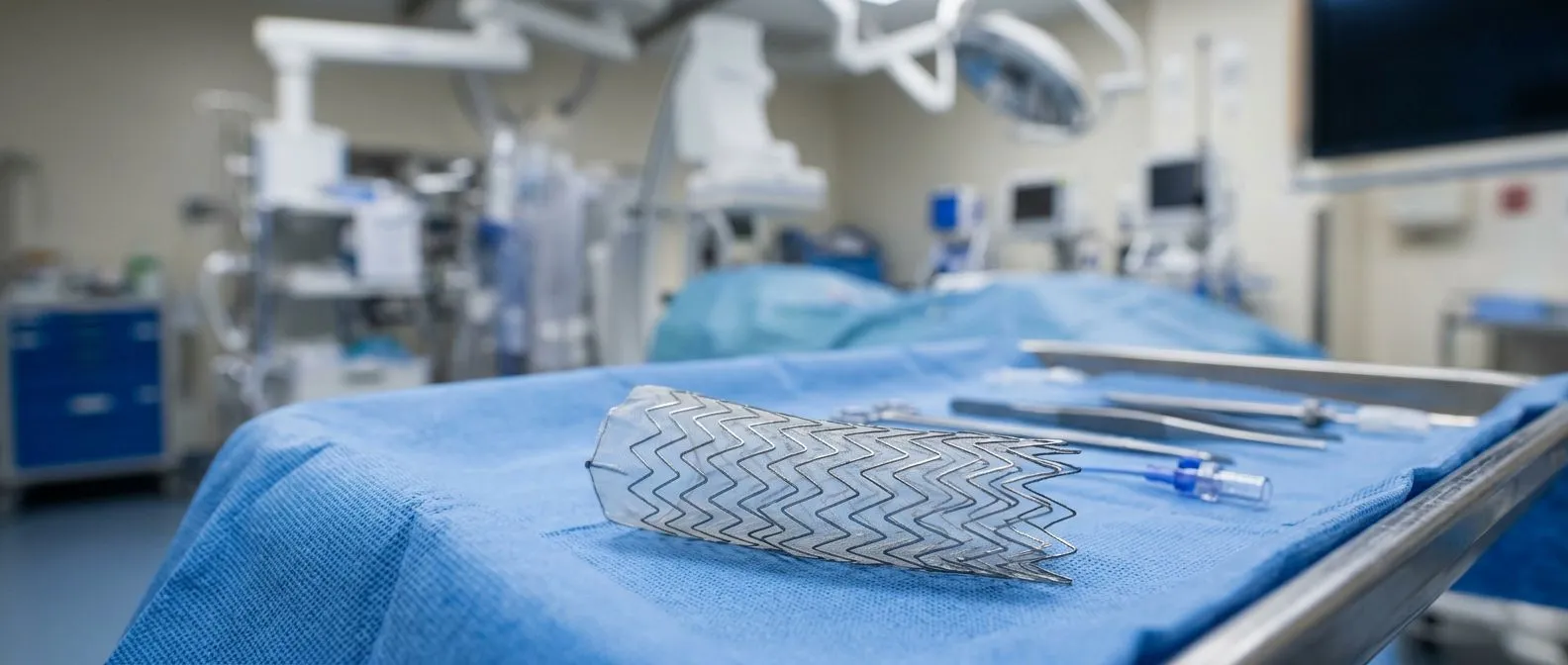
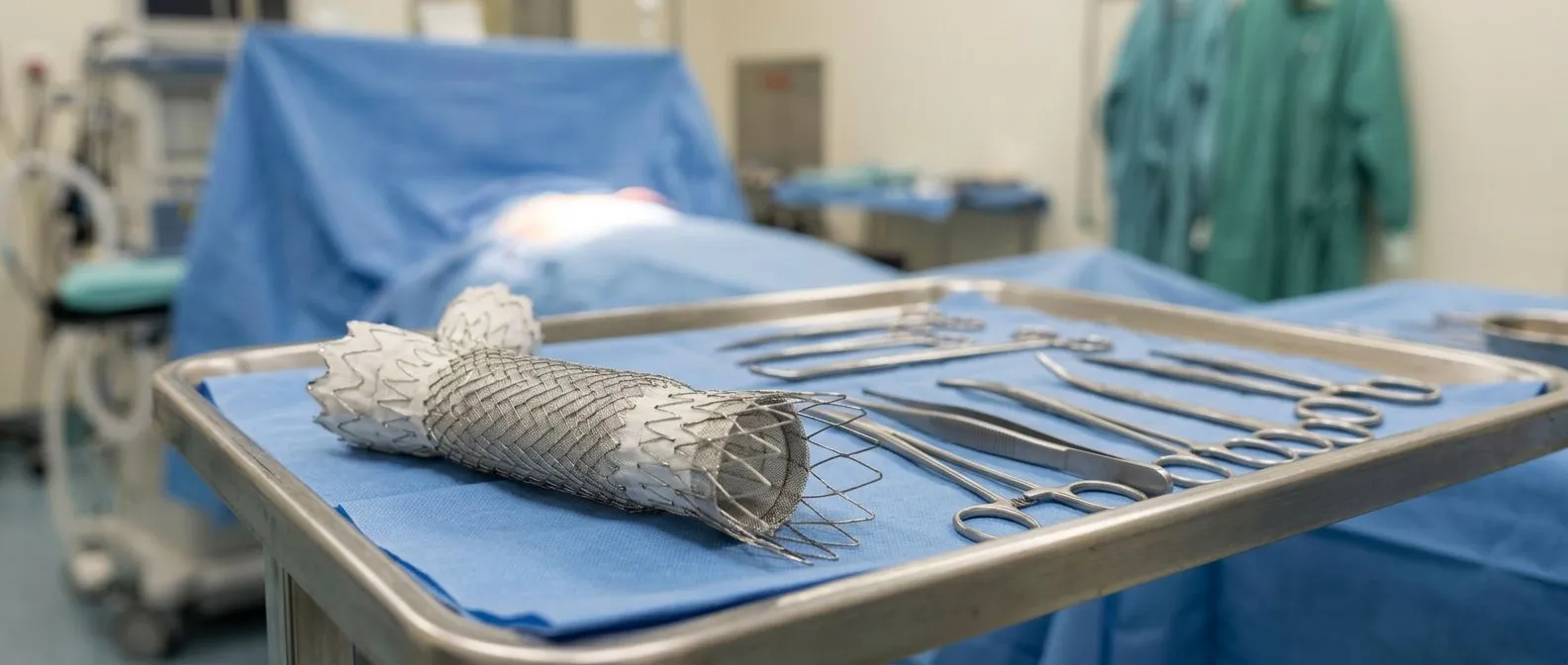
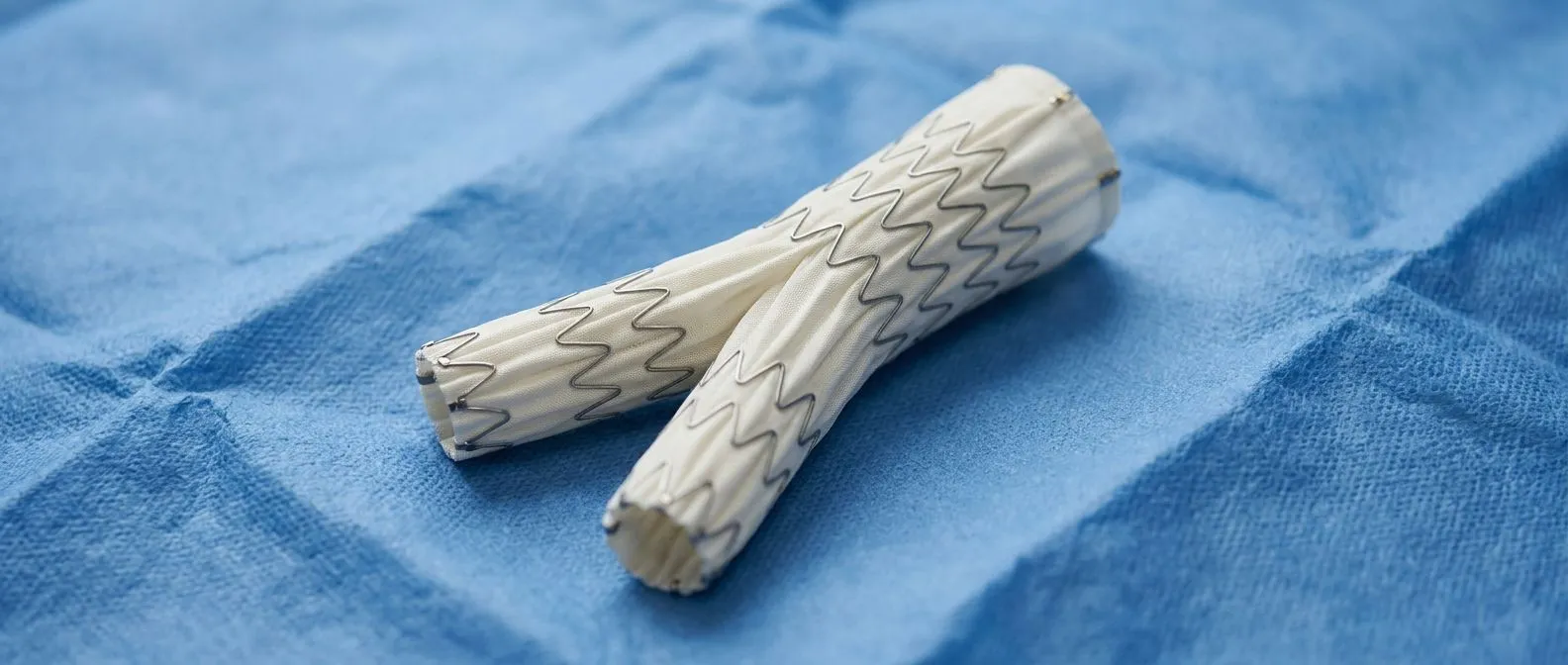
Endovascular aneurysm repair, commonly referred to as EVAR, is a minimally invasive procedure designed to treat an abdominal aortic aneurysm. An aneurysm occurs when a weakened area in the wall of the aorta—the main blood vessel supplying blood from the heart to the rest of the body—bulges outward. When the aortic diameter exceeds 5.5 cm, the risk of rupture increases significantly, making surgical intervention necessary. EVAR involves inserting a fabric-covered metal mesh tube, known as a stent graft, through small incisions in the groin to reinforce the weakened section of the vessel and redirect blood flow safely.
Understanding evar recovery is essential for patients and families preparing for this procedure. Compared to traditional open surgery, which requires a large abdominal incision and a longer hospital stay, the endovascular approach is associated with less physical trauma. However, a successful outcome relies heavily on how well the patient adheres to post-operative guidelines. DOAJ provides access to numerous peer-reviewed journals detailing the post-operative journeys of vascular patients, highlighting the importance of careful, monitored healing at home.
The procedure effectively secures the weakened aortic wall, but it does not cure the underlying vascular disease that caused the aneurysm in the first place. Conditions such as the buildup of Atheromatous Plaque, which narrows and weakens arteries over time, must be managed through lifestyle changes and medication. While the stent graft protects the specific weakened section, the health of the entire vascular system, including the Ascending Aorta and other major vessels, remains an ongoing focus for your cardiology team.
What is the EVAR recovery timeline
Hospital stay: Most patients spend only one to three days in the hospital following the procedure. Immediately after surgery, the medical team will closely monitor your vital signs, including blood pressure and heart rate, to ensure the stent graft is positioned correctly and functioning as intended. The shorter hospital stay is one of the primary advantages of the endovascular approach, allowing you to begin healing in the comfort of your own home much sooner than with open surgery.
First weeks at home: Once discharged, the initial phase of evar recovery focuses on the healing of the small incisions made in the groin. You may experience mild discomfort, bruising, or swelling around these access sites, which typically subsides over the first two weeks. Clinical data supports this rapid improvement; findings from A Randomized Trial Comparing Conventional and Endovascular Repair of Abdominal Aortic Aneurysms demonstrate significantly reduced recovery times and earlier return to normal activities for patients undergoing the endovascular method.
Full recovery: Complete EVAR surgery recovery generally takes four to six weeks. During this period, your body continues to adjust to the stent graft, and your overall energy levels will slowly return to their pre-surgery baseline. It is crucial to pace yourself and avoid rushing the healing process, as the internal tissues need adequate time to fully incorporate the graft and heal from the procedural trauma. Rushing can lead to setbacks, so prioritizing rest is a medical necessity, not a luxury.
Life after EVAR surgery: immediate post-op care
After waking up from the procedure, you will likely feel groggy due to the anesthesia, but you should not be in severe pain. The surgical team will manage any discomfort with appropriate medications. If an Arterial Line was inserted into your wrist or groin during the procedure to monitor your blood pressure continuously and safely, it will be carefully removed once your condition is confirmed to be stable.
Mobility is encouraged early in the recovery process to promote circulation and prevent complications. Nurses will assist you in getting out of bed and walking short distances within the first day. Early movement helps prevent blood clots and promotes better cardiovascular function. While groin access is standard for EVAR, if alternative access points were utilized, you might experience some Arm Pain, which the nursing staff will help you manage.
Before leaving the hospital, the surgical team will provide detailed discharge instructions. This comprehensive guide will cover incision care, specific activity restrictions, and the warning signs you need to watch for once you are at home. Ensuring that you and your family fully understand these instructions is a critical step in facilitating a safe and smooth transition from the hospital to your home environment.
Recognizing EVAR surgery recovery complications
While EVAR is a highly refined and generally safe procedure, being aware of potential complications ensures prompt treatment. Graft leakage (Endoleak): This occurs when blood continues to leak around the outside of the stent graft into the aneurysm sac. It is one of the most common complications and often presents with no obvious symptoms, which is exactly why attending scheduled imaging follow-ups is vital to detect and address it early.
Infection: Although rare, infections can occur at the incision sites in the groin or, in very uncommon cases, around the graft itself. Signs of an infection include increased redness, unusual warmth, swelling, or pus at the incision site, sometimes accompanied by a fever. Prompt medical attention is necessary to evaluate and manage any infection, typically with targeted antibiotics.
Thrombosis: Blood clots can form inside the stent graft, potentially blocking blood flow to the legs. To minimize this risk, your physician will likely prescribe medications like Aspirin to prevent clot formation within the newly placed graft. If you experience sudden leg pain, severe coldness in the lower limbs, or numbness, you should contact your surgical team or seek emergency care immediately, as these may indicate a blocked artery.
Abdominal aortic aneurysm recovery: anatomical healing
Understanding the underlying anatomy helps clarify what exactly happens during the healing process. The aorta runs from the heart down through the chest and abdomen, supplying oxygen-rich blood to the entire body. The stent graft acts as a new, robust pathway for blood, effectively excluding the aneurysm sac from the pressure of the bloodstream and preventing it from rupturing.
Unlike traditional open surgery, which requires clamping the aorta and making a large incision through the abdomen, EVAR relies on catheters guided through the femoral arteries in the groin. This minimally invasive route avoids the need for large Autologous Blood transfusions and drastically reduces the physical stress on the Atrium and the rest of the heart during the operation. Your doctor may perform Auscultation, listening to your abdomen with a stethoscope, to ensure normal blood flow sounds are present without abnormal bruits.
The clinical literature strongly supports the anatomical benefits of this approach for vulnerable patients. According to Endovascular versus Open Repair of Abdominal Aortic Aneurysm data, the minimally invasive nature of EVAR offers specific advantages for patients with existing heart conditions who might not tolerate the profound physiological stress of traditional surgery well.
Returning to work after EVAR surgery
The timeline for returning to work depends heavily on the physical demands of your daily occupation. If you work in an office environment or have a primarily sedentary role, you may be able to resume your duties within two to three weeks. The key is ensuring you can sit comfortably for extended periods without aggravating the incision sites in your groin.
For those in physically demanding jobs that require lifting, bending, or prolonged standing, returning to work after evar may take four to six weeks or even longer. Lifting heavy objects places significant strain on the abdominal muscles and the vascular system, which must be avoided until your surgeon explicitly grants clearance. Pushing yourself too hard can compromise the integrity of the stent graft.
Communication with your employer is a key part of the transition. Consider asking for temporary accommodations, such as reduced hours or modified duties, as you gradually regain your strength. Your surgical team can provide a specific medical clearance note outlining your exact physical limitations and lifting restrictions to ensure a safe return to your professional responsibilities.
Safe exercise after EVAR surgery
Regular movement is a crucial component of long-term health and recovery, but it must be reintroduced carefully and methodically. Walking: This is the best initial exercise during your recovery. Start with short, flat walks around your neighborhood and gradually increase the distance as your stamina and confidence improve. Walking promotes healthy blood flow without placing undue stress on your cardiovascular system.
Driving restrictions: You should not drive until you can comfortably move your feet and legs without pain, and you are no longer taking prescription pain medications that might impair your reflexes. This usually takes about two to three weeks. It is important to ensure you can react safely and slam the brakes in an emergency without hesitation or discomfort.
Avoiding strenuous activity: Heavy lifting, vigorous sports, and intense cardiovascular activities like running should be strictly avoided for at least six weeks. Sudden spikes in blood pressure can stress the stent graft and the healing incisions. Instead of high-intensity workouts, focus on gentle, progressive activity that supports healing without endangering your vascular repair.
EVAR post op care: medications and monitoring
Medication management is a cornerstone of your post-operative care. Your doctor may prescribe a combination of medications to control your blood pressure, lower your cholesterol, and prevent blood clots from forming around the stent graft. Adhering strictly to this regimen protects your new vascular repair and supports your overall cardiovascular health. Guidelines from major trials like ARISTOTLE often inform the anticoagulation strategies used to keep stents clear.
- Blood pressure control: Prevents excessive stress on the aortic walls, keeping the aneurysm sac safely excluded.
- Antiplatelet therapy: Helps keep the stent graft clear of blockages and ensures smooth blood flow.
- Cholesterol management: Addresses underlying causes of vascular disease by controlling Apolipoprotein B levels.
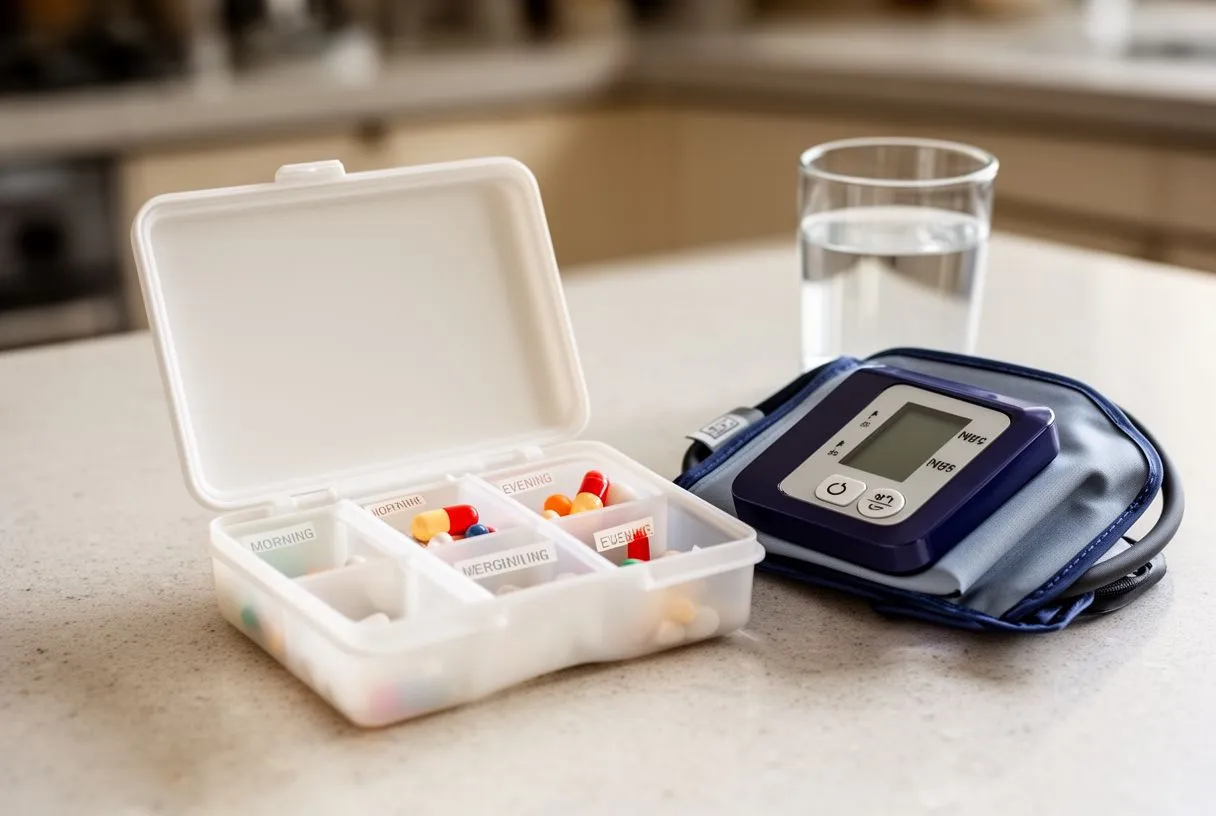
Monitoring your blood pressure at home is highly recommended and often a crucial part of your follow-up care. Elevated blood pressure is a primary risk factor for aneurysm growth, stent migration, and other serious vascular complications. Keep a daily log of your readings to share with your cardiologist during your follow-up appointments so they can adjust your medications as needed.
EVAR stent graft recovery: long-term outlook
The stent graft is designed to be a permanent implant that remains in your body for the rest of your life. Once it is deployed and in place, it becomes incorporated into your vascular system. EVAR stent graft recovery involves lifelong surveillance to ensure the device remains properly positioned, structurally intact, and fully functional over time.
Imaging tests, typically CT scans or specialized ultrasounds, are scheduled at regular intervals—often at one month, six months, and then annually thereafter. These scans are critical for checking for Endoleaks, graft migration, or unexpected changes in the size of the aneurysm sac. If you have other underlying cardiac conditions, such as Atrial Flutter, your cardiologist will coordinate your aneurysm surveillance with your broader heart health management.
Patients often worry about the long-term durability of the graft. Modern stent grafts are engineered to be highly durable, but because vascular disease is a progressive condition, ongoing management of risk factors remains essential. Quitting smoking, managing hypertension, and maintaining a heart-healthy lifestyle are the most effective ways to ensure the long-term success of your procedure and protect your overall health.
When to seek help during EVAR recovery
Knowing when to contact your surgical team or seek emergency care can prevent minor issues from escalating into major complications. Do not hesitate to reach out to your medical providers if something feels wrong; early intervention is always preferable to waiting. Your surgical team would much rather hear from you about a minor concern than miss a critical warning sign.
- Sudden severe pain: Intense back, abdominal, or flank pain could indicate a serious issue with the graft or aneurysm.
- Fever and chills: A temperature above 38°C (100.4°F) may signal an infection that requires prompt antibiotic treatment.
- Leg changes: Sudden numbness, coldness, or severe pain in the legs requires immediate evaluation for potential blockages.
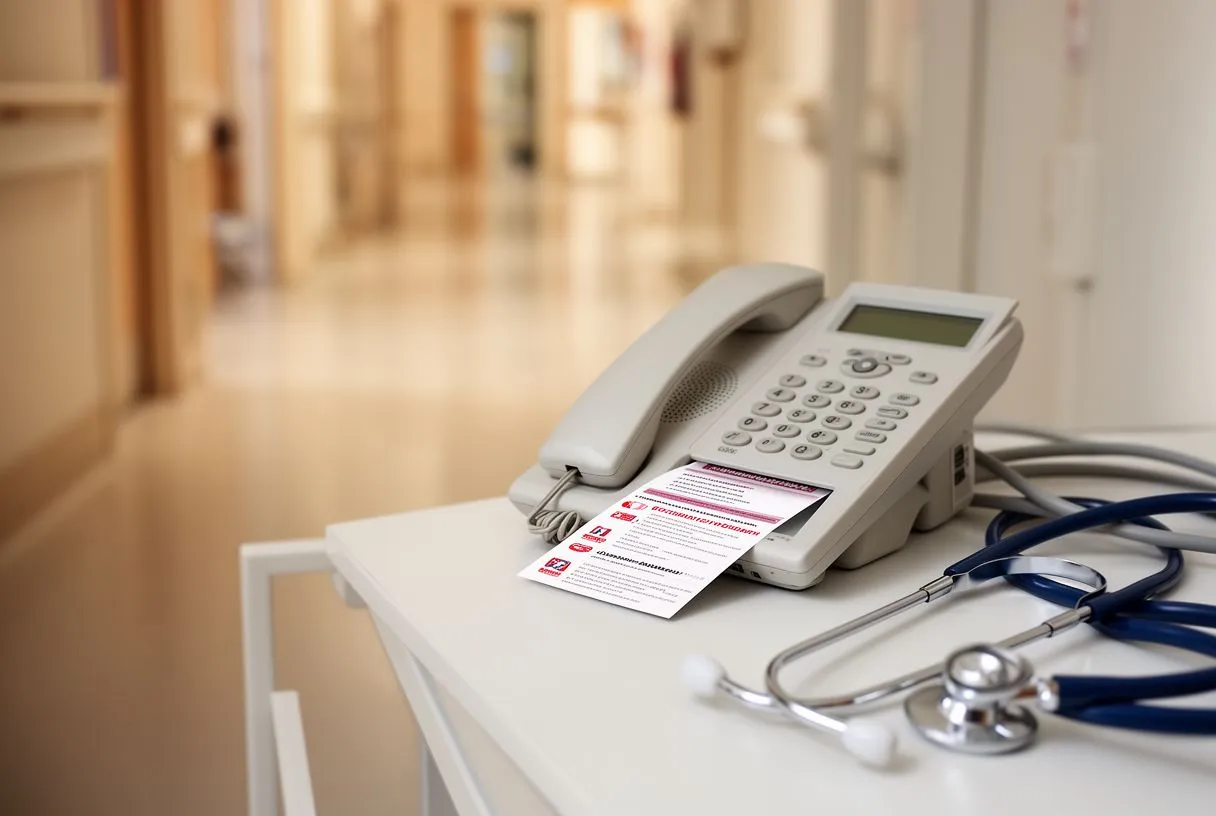
As you conclude your evar recovery journey, remember that managing your vascular health is a lifelong commitment. By following your medical team’s guidelines, attending all follow-up appointments, and making sustainable healthy lifestyle choices, you can maintain an excellent quality of life. We encourage you to discuss your specific recovery goals and any lingering concerns with a qualified cardiac team, and to book a consultation to ensure your post-operative plan is perfectly tailored to your unique situation.