

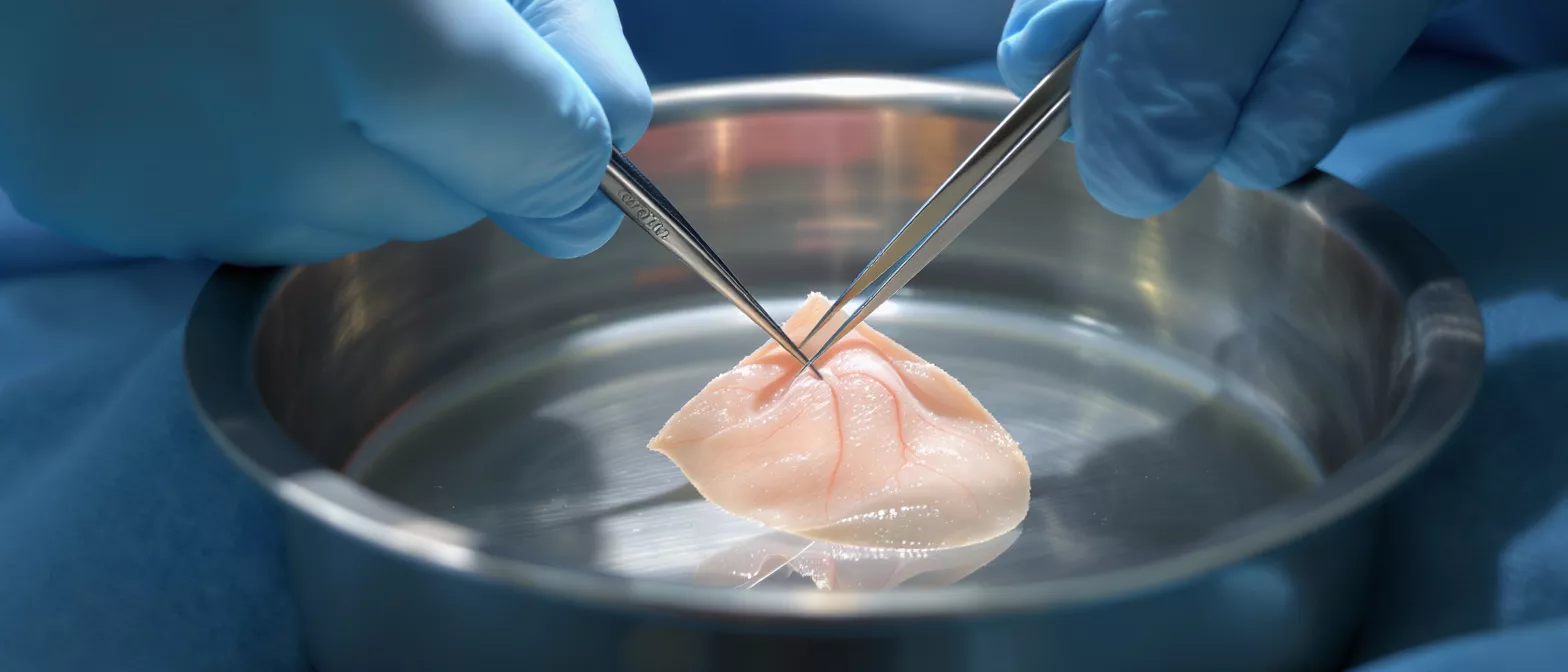
Leaflet Resection
Leaflet resection is a surgical technique to repair the mitral valve by removing diseased tissue and restoring normal blood flow.
What Is Leaflet Resection?
Understanding surgical terminology is often the first step toward feeling confident before a cardiac procedure. Defining the procedure for patients: Leaflet resection is a highly specialised surgical technique used to repair a damaged heart valve, most commonly the mitral valve. The mitral valve features delicate tissue flaps known as leaflets, which open and close to ensure one-way blood flow from the lungs to the main pumping chamber of the heart.
When a leaflet becomes stretched, torn, or weakened—often due to a condition called mitral valve prolapse—it fails to close tightly. This allows blood to leak backward, a problem known as mitral regurgitation. To fix this, the surgeon carefully removes the diseased portion of the tissue, a process called leaflet resection, and then reshapes the remaining healthy tissue so the valve can seal perfectly again.
By focusing on repairing your natural anatomy rather than replacing it with an artificial valve, this approach aims to restore normal heart function while preserving your own tissue. It is a precise, meticulous process designed to help your heart work as efficiently as it did before the valve became diseased.
How Leaflet Resection Works in Mitral Valve Repair
The mechanics of this surgery rely on extreme precision and a deep understanding of heart anatomy. Understanding the surgical mechanics: During the operation, the surgeon accesses the heart and temporarily stops its beating while a specialised machine takes over the circulation. The surgeon then opens the left atrium to expose the mitral valve and carefully inspects the leaflets to identify exactly where the tissue is failing.
Once the damaged segment is located, the surgeon cuts away the abnormal tissue. The edges of the remaining healthy leaflet are then brought together and stitched meticulously, effectively tailoring the valve to ensure a snug, leak-proof closure. This reshaping eliminates the gap that was causing the blood to leak backward.
Following the reconstruction, the surgeon tests the repair by injecting fluid under pressure into the heart chamber to confirm that the valve closes completely without leaking. The heart is then allowed to resume its normal rhythm, and the chest is closed.
Why Mitral Leaflet Resection Is Performed
Understanding the rationale behind this surgery helps demystify the process for families. The primary reason is to correct mitral regurgitation, a condition where blood flows backward into the lungs because the valve cannot seal properly. This backflow forces the heart to work harder, eventually leading to shortness of breath, fatigue, and fluid retention if left untreated.
Correcting mitral valve prolapse: The most common underlying cause is degenerative mitral valve disease, where the connective tissue simply wears out over time, causing the leaflets to become floppy. By removing the stretched, prolapsing segment, the surgeon restores the structural integrity of the valve. Another reason is to prevent long-term damage to the heart muscle.
When the heart is forced to pump extra blood with every beat to make up for the leakage, the main pumping chamber can enlarge and weaken. Performing a leaflet resection early enough can halt this progression, relieve the immediate symptoms of heart strain, and protect the overall function of the heart for the future.
Triangular vs Quadrangular Leaflet Resection Technique
Surgeons use different geometric patterns to remove damaged tissue, tailoring the approach to your specific valve anatomy. Comparing surgical approaches: A quadrangular leaflet resection involves removing a rectangular piece of the leaflet. This is often used when a larger section of tissue is diseased, and it requires careful reconstruction of the surrounding structures to maintain valve flexibility.
A triangular resection, on the other hand, removes a triangular wedge of tissue. This technique is generally less extensive, preserving more of your natural leaflet. It is highly effective for smaller prolapse areas and often requires less reconstruction of the supporting valve structures, leading to a very natural-looking repair.
- Quadrangular Resection: Removes a rectangular segment, best for extensive tissue damage.
- Triangular Resection: Removes a smaller wedge, preserving more natural leaflet tissue.
- Surgical Choice: The surgeon decides the technique based on the precise location and size of the prolapse.
What to Expect From Leaflet Resection Surgery
The journey through cardiac surgery can be anxiety-inducing, but knowing the steps provides clarity. Pre-operative preparation: Before the surgery, you will undergo several tests, including an echocardiogram, to give the surgeon a detailed map of your valve. You will meet with the surgical team to discuss the plan, review your medical history, and ask any questions you might have about the procedure.
On the day of the surgery, you will be given general anaesthesia so you are completely asleep and pain-free. The surgery itself takes a few hours, during which the surgical team continuously monitors your vital signs. The anaesthesia team ensures your safety and comfort throughout the entire operation.
After the procedure is complete, you will be moved to the intensive care unit for close monitoring. You will likely wake up with a few tubes and monitors attached, which is entirely normal. These are simply there to help the medical team track your progress as your heart begins to heal.
Are Leaflet Resection Procedures Safe for Patients?
Safety is a natural concern for any patient facing heart surgery. Understanding the risks and safety profile: Leaflet resection is considered a highly established and safe procedure when performed by experienced cardiac surgeons. Because it utilises your own tissue, it avoids many of the complications associated with artificial valves, such as the need for lifelong blood thinners.
Like any major surgery, it does carry inherent risks, including bleeding, infection, or adverse reactions to anaesthesia. However, the medical team takes extensive precautions to mitigate these risks. Modern surgical techniques, advanced monitoring, and dedicated intensive care have made this procedure remarkably routine and successful.
Patients can take comfort in knowing that valve repair surgeries have been refined over decades. The goal is always to provide the safest possible experience while achieving a durable repair that restores normal heart function and improves quality of life.
Recovery After Leaflet Resection Surgery
The healing process is a gradual journey that requires patience and care. Immediate post-operative healing: Most patients spend a few days in the hospital after the surgery, including a brief period in the intensive care unit. The medical team will focus on managing your pain, monitoring your heart rhythm, and helping you begin gentle movements to regain your strength.
Once you go home, the focus shifts to gradual rehabilitation. You will be encouraged to walk daily and slowly increase your activity level, but you will need to avoid heavy lifting or strenuous exercise for several weeks. Your surgeon will provide specific guidelines tailored to your progress.
Cardiac rehabilitation is often recommended to help you rebuild your stamina safely under medical supervision. During this time, focusing on wound care and gradual physical therapy is essential, and using a compression support garment might be suggested by your care team to help protect the chest area as it heals.
Mitral Valve Repair vs Replacement for Prolapse
Choosing between repairing and replacing a valve is a critical decision made by your surgeon. Benefits of preserving your natural valve: Whenever possible, surgeons prefer to repair the valve rather than replace it. Repairing the valve preserves your natural anatomy, which helps maintain the heart's normal pumping mechanics and usually eliminates the need for lifelong blood-thinning medications.
Replacement involves inserting a mechanical or biological substitute, which comes with its own set of long-term considerations. While replacement is sometimes necessary for severely damaged valves, leaflet resection allows you to keep your own tissue, which tends to last longer and function more naturally than an artificial valve.
Ultimately, the decision is based on the specific condition of your valve. However, for the vast majority of prolapse cases, resection and repair offer a superior long-term outcome, better survival rates, and a lower risk of infection compared to valve replacement.
Long-Term Outcomes of Leaflet Resection
Looking ahead, the durability of the repair is highly encouraging. Durability of the surgical repair: When performed by an experienced surgical team, leaflet resection provides a highly durable fix that lasts for decades in the majority of patients. Because the repair uses your own living tissue, it is less prone to wear and tear compared to mechanical alternatives.
Patients who undergo this procedure often experience a significant improvement in their symptoms, returning to their normal daily activities without the shortness of breath and fatigue they previously felt. Regular follow-up echocardiograms are necessary to monitor the repair over time, but the need for future surgeries is very low.
Restoring proper valve function not only relieves symptoms but also protects the heart muscle from future damage. Many patients find that maintaining a heart-healthy lifestyle, alongside monitoring key health metrics with a digital blood pressure monitor, helps them enjoy a full and active life post-surgery.
Key Takeaways on Leaflet Resection
Understanding this procedure empowers you to make informed decisions about your cardiac care. Summarising the core concepts: Leaflet resection is a meticulous, highly effective surgical technique used to repair a leaking mitral valve by removing damaged tissue and reshaping the remaining healthy leaflets.
It is preferred over valve replacement because it preserves your natural anatomy, avoids the need for blood thinners, and provides excellent long-term durability. By correcting the leak, the surgery relieves symptoms, protects the heart muscle, and significantly improves quality of life.
If you or a loved one are facing mitral valve surgery, understanding this technique can help alleviate anxiety. Trusting an experienced surgical team is the most important step toward a successful recovery and a healthier heart.






