

Nitinol
Discover how nitinol transforms cardiac surgery with shape memory and superelastic properties used in stents, closure devices & heart valves.
What is Nitinol?
Nitinol is a unique metal alloy made primarily of nickel and titanium. It has become a cornerstone in modern medicine because of its remarkable ability to return to a pre-set shape after being bent or deformed. For patients undergoing heart procedures, this material has revolutionized how surgeons repair damaged vessels and structures inside the heart.
When you first encounter the term in your surgical preparation, understanding this material can ease much of the anxiety surrounding your procedure. The name itself comes from its chemical composition and the laboratory where it was discovered: Nickel Titanium Naval Ordnance Laboratory.
How Nitinol Shape Memory Alloy Works
The shape memory effect allows a piece of metal to remember a specific form. If a device made of nitinol shape memory alloy is crushed or deformed at room temperature, applying gentle heat causes the metal to snap back into its original manufactured shape instantly.
Superelasticity in action is the related property that allows the metal to stretch far beyond normal limits without breaking. Instead of heat, the metal flexes simply due to the mechanical stress applied by surrounding tissue or a delivery catheter.
Engineering benefits for minimally invasive surgery stem from this dual capability. Surgeons can squeeze a device tightly inside a narrow delivery tube, guide it safely through your blood vessels, and deploy it precisely where it expands to its full functional size.
Why Nitinol is Used in Cardiac Surgery
Cardiovascular tissues are naturally soft, curved, and constantly pulsing with every heartbeat. Traditional metals like stainless steel are too rigid and can damage these delicate structures. The flexibility of this alloy allows cardiac implants to conform perfectly to the walls of your blood vessels.
When surgeons repair congenital defects like a hole in the heart, they need a material that will secure the patch firmly without tearing the surrounding muscle. The unique flexibility of the wire frames ensures the implant holds tight while moving naturally with the heart.
Using a reliable shape memory cardiac occluder device means the surgical team can close complex openings with tiny incisions rather than open surgery, significantly reducing recovery times and physical stress on the patient.
What Are Nitinol Stents and Closure Devices?
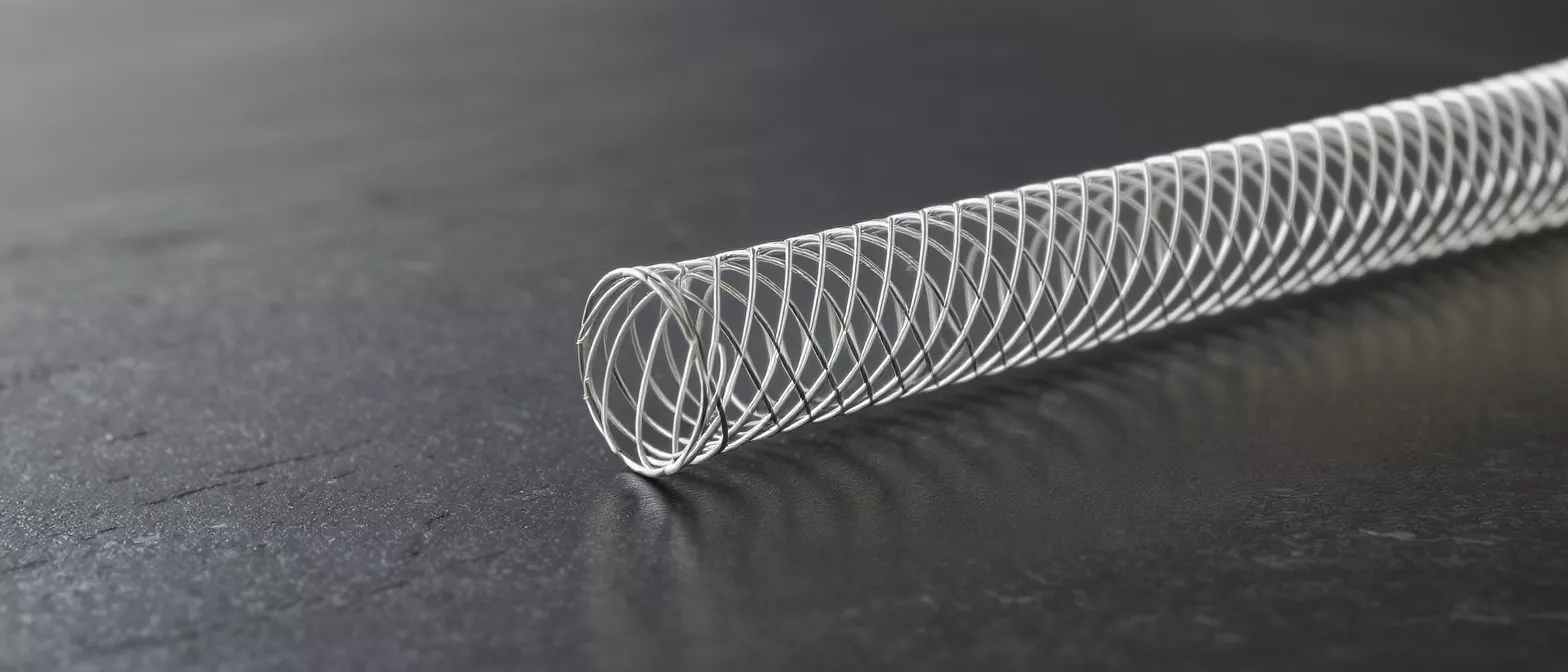
A stent is a tiny mesh tube placed inside a blood vessel to keep it propped open after a blockage has been cleared. Nitinol stents are compressed into a very thin tube for delivery, navigated through your arteries, and released to expand against the vessel walls. They provide a sturdy scaffold that resists crushing from external pressure.
Closure devices are used to seal punctures in vessels or structural holes in the heart itself. These devices often look like tiny umbrellas woven from metal wire. They are folded tightly for delivery and spring open into a precise double-disc shape that sandwiches the tissue securely.
After the procedure, doctors often rely on an advanced superelastic peripheral vascular stent to maintain steady arterial blood flow, ensuring the newly treated vessel remains fully patent during the healing process.
Nitinol Biocompatibility and Implant Safety
One of the biggest concerns patients have is whether a metal implant will cause an allergic reaction or be rejected by the body. The good news is that nitinol biocompatibility is exceptionally high. The titanium in the alloy naturally forms a protective oxide layer on the surface, shielding the surrounding tissue from the nickel component.
This protective layer prevents the metal from corroding inside the salty, fluid environment of the human body. Because the body does not recognize the alloy as a foreign threat, it does not mount an immune attack against the implant.
Patients receiving a permanent biocompatible nickel-titanium heart implant can rest assured that the material is designed to coexist peacefully with natural tissue, minimizing the risk of long-term inflammation or rejection.
How Nitinol Temperature Transition Affects Devices
The transformation of this metal is directly tied to temperature. Manufacturers tune the specific transition temperature during the engineering process so the device remains stable inside the human body. Most cardiac implants are designed to trigger their shape change exactly at normal body temperature.
When the surgical team prepares the device, it is often cooled or kept constrained so it remains flexible and compact. Once deployed into the warmth of the cardiovascular system, the metal rapidly reaches body temperature and undergoes its transition, expanding safely into its final shape.
This precise response to heat ensures that the deployment is both predictable and safe. The surgeon always knows exactly how the metal will behave once it is exposed to the patient's internal environment.
Types of Nitinol Cardiovascular Devices
There are several specialized tools designed to treat different structural and vascular conditions. Each leverages the flexibility of the alloy to achieve precise results in tight spaces.
- Atrial septal occluders: Used to close holes between the upper chambers of the heart, preventing abnormal blood flow.
- Self-expanding stents: Placed in narrowed coronary or peripheral arteries to maintain healthy blood circulation.
- Vascular filters: Temporary wire devices placed in veins to catch dangerous blood clots before they reach the lungs.
Best Nitinol Properties for Heart Valves
When replacing a failing heart valve through a catheter, the new valve must fit perfectly inside the old, damaged valve. The frame holding the replacement tissue is often made from this alloy because it can be squeezed into a delivery system and expanded exactly at the target site.
The radial force of the metal pushes outward constantly, anchoring the new valve securely in place. This outward pressure adapts as the heart beats, sealing any small gaps that might allow blood to leak around the edges.
Because the frame is elastic rather than rigid, it flexes with every contraction of the heart muscle. This constant movement compatibility prevents the frame from causing stress fractures in the surrounding tissue over the years.
Are Nitinol Implants Safe for Long-Term Use?
Decades of clinical use have proven that these implants are safe for permanent placement. The metal does not degrade, dissolve, or release harmful ions into the bloodstream. Once the protective oxide layer forms, the device essentially becomes inert inside the body.
Patients can safely undergo magnetic resonance imaging, commonly known as an MRI, with these implants. The metal is only weakly magnetic, meaning the powerful magnetic fields of the scanner will not pull or heat the device.
Long-term studies tracking patients years after their procedures show no evidence of the metal causing toxic effects or breaking down. This durability provides peace of mind that the implant will continue functioning exactly as designed throughout the patient's life.
Nitinol in Modern Heart Surgery: Conclusion
The integration of this smart metal into medicine has transformed what is possible inside the operating room. By combining strength with remarkable flexibility, the alloy allows surgeons to perform complex repairs through tiny incisions, protecting the patient from the trauma of open surgery.
Understanding what your implant is made of helps remove the fear of the unknown. Knowing that the device is engineered to adapt perfectly to your body's natural temperature and movement provides confidence as you approach your surgery.
As medical engineering continues to advance, materials that work in harmony with human biology will remain at the forefront of cardiac care, ensuring safer procedures and faster recoveries for generations of patients.






