

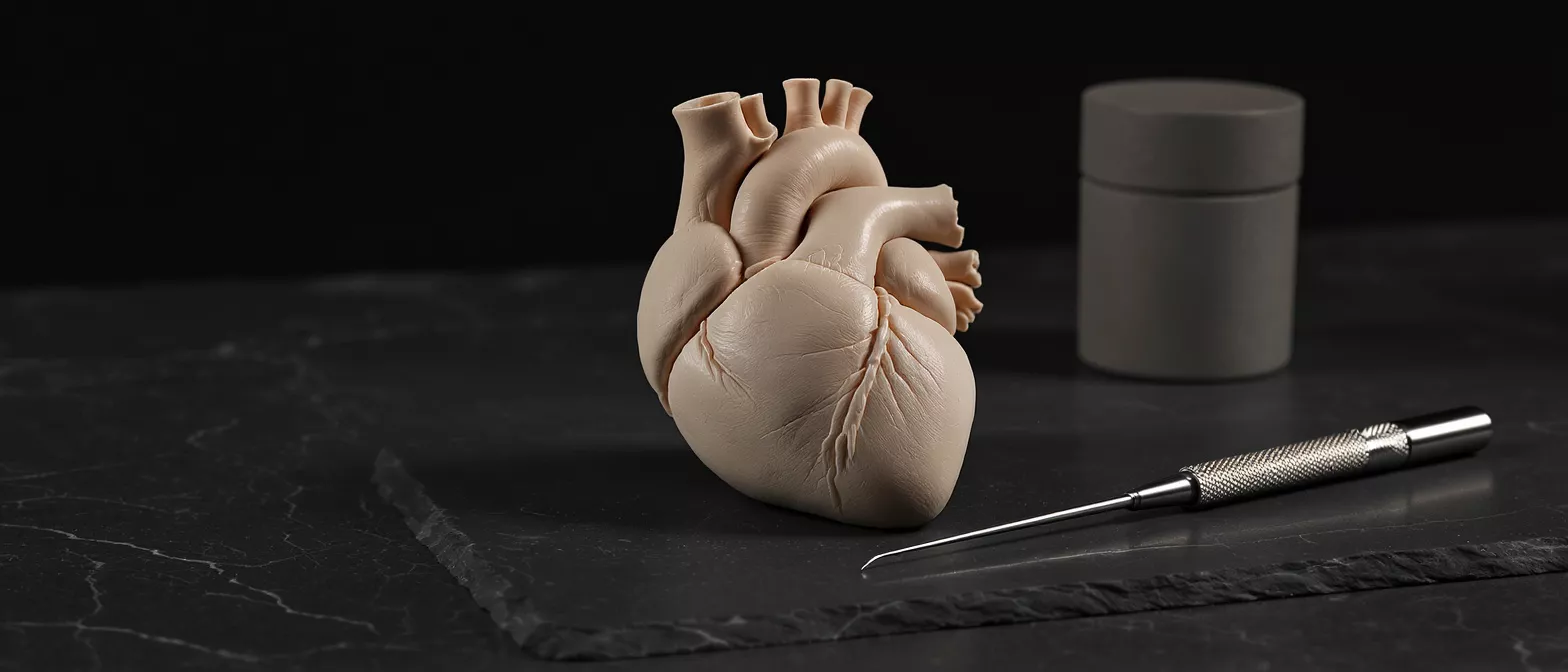
Structural Cardiology
Structural cardiology repairs heart valve defects without open-heart surgery.
What Is Structural Cardiology
Structural cardiology is a specialized branch of medicine focused on diagnosing and treating defects or damage in the physical structures of the heart. These structures primarily include the heart valves, the walls separating the heart's chambers, and other foundational components that keep blood flowing in the correct direction. When patients hear this term, it typically means their care team is addressing a physical abnormality that disrupts normal cardiac function.
Understanding the structural heart: The heart relies on precise mechanical timing. If a valve becomes stiff or fails to close properly, or if there is an abnormal opening between chambers, the heart must work harder to compensate. Over time, this extra strain can lead to significant fatigue, shortness of breath, and more severe cardiac complications if left unaddressed.
Difference from general cardiology: While general cardiology often focuses on the plumbing of the heart—specifically the coronary arteries that supply blood to the heart muscle—structural cardiology focuses on the hardware. It addresses the anatomical components themselves. This distinction is vital because it determines the type of intervention required, whether that involves managing electrical pathways, clearing blocked arteries, or repairing a physical valve.
How Structural Heart Interventions Work
Structural heart interventions represent a major advancement in cardiac care, allowing surgeons to repair physical defects without opening the chest. Instead of traditional open-heart surgery, specialists use thin, flexible tubes called catheters. These catheters are typically guided through a blood vessel in the groin and carefully navigated up to the heart, where specialized tools are deployed to fix the structural issue.
The role of imaging and guidance: Advanced imaging technology is the cornerstone of these procedures. Echocardiograms and live X-ray fluoroscopy provide the surgical team with a real-time, internal view of the heart. This high level of precision allows the cardiologist to position a replacement valve or closure device within millimeters of the intended target.
Adapting to patient anatomy: Every heart is slightly different. Structural interventions rely on customized devices designed to match the specific size and shape of a patient's native valve or septal defect. Before the procedure, extensive measurements are taken to ensure the chosen device will seat securely and restore normal blood flow immediately upon deployment.
Types of Structural Heart Disease
Structural heart disease encompasses several different conditions, all of which involve a physical defect present from birth or developed over time. Understanding the specific type of structural issue is the first step in determining the most effective treatment path. Common categories include valve stenosis, valve regurgitation, and congenital wall defects.
- Valve stenosis: A condition where a heart valve becomes stiff or narrowed, restricting blood flow.
- Valve regurgitation: Occurs when a valve does not close tightly, allowing blood to leak backward.
- Septal defects: Abnormal openings in the heart walls, such as atrial septal defects, allowing oxygenated and deoxygenated blood to mix.
Each of these conditions places unique stress on the cardiac muscle. Diagnosing the exact nature of the structural defect allows the medical team to tailor a treatment plan that relieves this stress and restores the heart's mechanical efficiency.
Structural Heart Specialist Jalisco
Seeking care from a structural heart specialist is essential for accurate diagnosis and successful treatment. These specialists have undergone extensive training beyond general cardiology to master the complex techniques required for catheter-based structural repairs. In Jalisco, patients have access to expert care that utilizes international standards and advanced technology.
Collaborative care approach: A structural specialist rarely works alone. They collaborate with a multidisciplinary heart team, including cardiac surgeons, imaging experts, and specialized anesthesiologists. This team evaluates your overall health, imaging results, and specific structural needs to determine if you are a candidate for a minimally invasive approach or if traditional surgery is safer.
Patients in Guadalajara and the surrounding region can expect comprehensive evaluations that prioritize their quality of life. Finding a structural cardiology treatments expert who understands the nuances of minimally invasive heart valve surgery ensures that patients receive a tailored approach designed to minimize recovery time and maximize long-term heart function.
Heart Valve Disease Symptoms
Heart valve disease symptoms often develop slowly over time, making them easy to dismiss in the early stages. Patients might notice they feel more tired than usual after simple activities, or they may experience a gradual decline in their exercise capacity. Because the heart is struggling to maintain adequate blood flow, the body sends signals that something is mechanically wrong.
Physical warning signs: Many patients first discover a structural issue after a doctor hears a heart murmur through a stethoscope. Other prominent symptoms include unexplained shortness of breath, especially when lying flat, swelling in the ankles and feet, and pronounced fatigue. If you experience these signs, seeking a cardiac evaluation is highly recommended.
Because these symptoms overlap heavily with general aging or respiratory issues, diagnostic imaging is essential. An echocardiogram provides a clear picture of the valves in motion, confirming whether the symptoms are genuinely tied to structural heart disease or another underlying cause.
Transcatheter Mitral Valve Repair
Transcatheter mitral valve repair is a prime example of structural cardiology in action. The mitral valve controls blood flow between the left atrium and left ventricle. If it fails to close properly, blood leaks backward, a condition known as mitral regurgitation. This forces the heart to pump harder and can lead to heart failure over time.
The mitral clip therapy approach: For patients who are not ideal candidates for open surgery, specialists can use a catheter to deliver a tiny clip device to the valve. This clip grasps the leaflets of the mitral valve, allowing it to close more securely and preventing the backward flow of blood. The procedure is performed while the heart is beating, eliminating the need for a heart-lung bypass machine.
This targeted intervention dramatically reduces the workload on the heart. Patients who undergo a successful mitral clip therapy procedure often experience immediate relief from their symptoms and a significant improvement in their daily physical capacity.
TAVR Procedure Guadalajara
The TAVR procedure in Guadalajara has transformed the landscape of structural cardiology for severe aortic stenosis. Aortic stenosis occurs when the aortic valve becomes calcified and severely narrowed, restricting blood flow from the heart to the rest of the body. TAVR, or transcatheter aortic valve replacement, allows surgeons to implant a new biological valve inside the damaged one without removing it.
How the replacement works: The new valve is compressed and mounted on a catheter, delivered to the heart, and expanded directly within the old, stiffened valve. This pushes the old valve structures out of the way and immediately restores full, unobstructed blood flow to the body. It is a highly effective solution for patients whose age or frailty makes traditional open-heart surgery too risky.
Access to advanced structural interventions locally means patients do not have to travel far for world-class care. Speaking with a specialist about your heart valve replacement options ensures you understand whether a transcatheter approach is the right fit for your specific medical profile.
Are Structural Heart Treatments Safe
Patients facing heart procedures naturally worry about safety, and modern structural interventions have an excellent track record. Because these treatments avoid large chest incisions and do not require stopping the heart, the immediate risks associated with surgery are significantly reduced compared to traditional methods. The technology and techniques are continually refined to enhance patient safety.
Minimizing complication risks: The catheter-based approach reduces trauma to the body, leading to fewer complications like heavy bleeding or infections. While any medical procedure carries some risk, the careful screening process ensures that only patients who stand to benefit significantly from the intervention are approved for the procedure.
Thorough pre-procedure planning is the main reason these interventions are so safe. The heart team uses precise imaging to map the exact route to the heart, assesses the structural defect from multiple angles, and selects the perfect device size to ensure a secure, complication-free deployment.
Recovery After Minimally Invasive Heart Valve Surgery
Recovery from structural heart interventions is typically much faster than recovery from traditional open-heart surgery. Because there are no large surgical incisions to heal and the breastbone is not cut, patients experience less pain and a quicker return to normal breathing and movement. Most patients are able to sit up and walk within a day of their procedure.
What to expect during healing: Patients usually spend a night or two in the hospital for monitoring before being discharged home. While heavy lifting and strenuous activity are restricted for a short period, everyday tasks like walking around the house and light chores can be resumed quickly. Cardiac rehabilitation may be recommended to rebuild stamina safely.
Follow-up care is a critical component of the recovery process. Your care team will schedule regular echocardiograms to ensure the repaired or replaced valve is functioning perfectly. This ongoing monitoring provides peace of mind and confirms that the structural intervention has successfully restored long-term heart health.
Conclusion
Structural cardiology offers hope and healing to patients facing complex heart valve and chamber defects. By utilizing advanced, minimally invasive techniques, specialists can correct physical abnormalities of the heart with less trauma, less pain, and faster recovery times than traditional surgery allows. It is a field built on precision and tailored patient care.
Understanding the underlying cause of structural heart disease empowers patients to make informed decisions. If you or a loved one are experiencing symptoms like shortness of breath or fatigue, early evaluation by a dedicated heart team is the best way to protect your long-term health and quality of life.






