

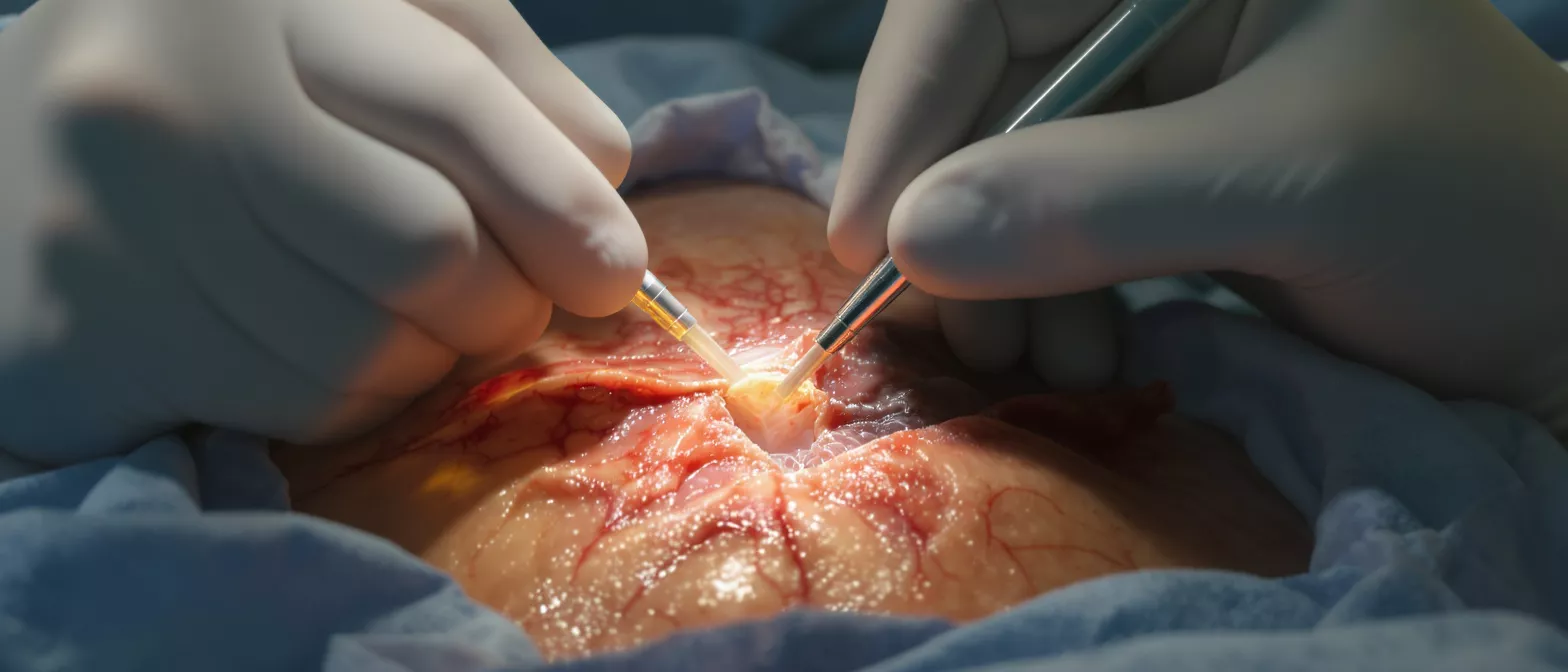
Transcatheter Aortic Valve Replacement
Discover transcatheter aortic valve replacement at Cirugía de Corazón in Guadalajara, a minimally invasive treatment for aortic stenosis.
What is Transcatheter Aortic Valve Replacement?
Defining the procedure for patients: Transcatheter aortic valve replacement is a minimally invasive medical procedure designed to replace a failing aortic heart valve without the need for traditional open-heart surgery. The aortic valve controls blood flow from the heart to the rest of the body. When this valve becomes stiff and narrow—a condition known as aortic stenosis—the heart must work much harder to pump blood, leading to symptoms like chest pain, fatigue, and shortness of breath.
Why this matters for cardiac health: For many patients, severe aortic stenosis limits daily activities and significantly impacts quality of life. This procedure allows a specialized cardiology team to implant a new biological valve inside the narrowed native valve. The new valve immediately takes over the function of opening and closing to ensure smooth blood flow, relieving the strain on the heart muscle.
This approach has transformed modern cardiology. By avoiding large surgical incisions and the use of a heart-lung bypass machine, patients experience far less physical trauma. At Cirugía de Corazón in Guadalajara, our specialists utilize this advanced technique to help patients regain their independence and breathe easier.
How Does the TAVR Procedure Work?
The catheter-based delivery system: The TAVR procedure relies on a long, thin tube called a catheter. Surgeons typically guide this catheter through a small needle puncture in the femoral artery in the groin. By watching continuous X-ray imaging, the medical team carefully threads the catheter up through the blood vessels directly to the heart.
Deploying the transcatheter heart valve: Once the catheter reaches the narrowed aortic valve, the new biological valve—which is crimped onto a deflated balloon—is positioned precisely inside the old valve. The balloon is then inflated to expand the new valve, pushing the old, stiffened valve leaflets out of the way. The new valve immediately begins functioning, regulating blood flow properly.
Throughout the process, the patient is usually under sedation or light anesthesia, rather than deep general anesthesia. This is especially beneficial for older patients or those with other health conditions who might face higher risks with prolonged general anesthesia. When considering heart health, patients often look into heart valve replacement options to compare surgical approaches.
Who is Eligible for Transcatheter Aortic Valve Replacement?
Understanding TAVR eligibility criteria: Initially, transcatheter aortic valve replacement was reserved only for patients who were too frail to survive open-heart surgery. Today, the eligibility criteria have expanded significantly. Cardiologists now evaluate patients based on their overall risk profile, age, and the specific anatomy of their heart and blood vessels.
Patients with severe symptomatic aortic stenosis are primary candidates. A heart team will conduct a thorough evaluation, including CT scans and echocardiograms, to ensure the blood vessels are large enough for the catheter and that the new valve will fit securely. Many patients now choose this route as a first-line treatment.
It is important to note that not every patient is a candidate. If the anatomy of the blood vessels is too torturous, or if the heart valve requires repair rather than replacement, traditional surgery might still be the best path. A detailed consultation with a cardiac surgeon is necessary to determine the safest and most effective approach.
TAVR vs TAVI: Understanding the Terminology
Patients often feel confused when they hear different acronyms during their medical consultations. TAVR vs TAVI is a common source of this confusion. In reality, there is absolutely no difference between the two procedures; the terms are entirely interchangeable.
TAVI stands for Transcatheter Aortic Valve Implantation, while TAVR stands for Transcatheter Aortic Valve Replacement. The term "implantation" is more commonly used in Europe and medical literature, whereas "replacement" is more frequently used in the United States. Both describe the exact same minimally invasive valve replacement.
Understanding this terminology helps patients research their condition more effectively and communicate clearly with their healthcare providers. Regardless of the acronym used, the goal remains the same: safely replacing the diseased aortic valve to restore healthy blood flow.
Minimally Invasive Valve Replacement Benefits
Avoiding traditional surgical trauma: The primary advantage of a minimally invasive valve replacement is the avoidance of a large chest incision and the spreading of the ribs. Because the procedure is performed through a small needle puncture in the groin, patients avoid the intense pain and prolonged healing associated with traditional surgical wounds.
Faster return to normal life: Without the need for a heart-lung bypass machine in most cases, the physical stress on the body is drastically reduced. Patients are typically moved out of the intensive care unit within a few hours and can often sit up and walk the day after the procedure. This rapid mobilization helps prevent complications like blood clots and pneumonia.
For many older adults, this approach means preserving their independence. They can return to their daily routines and hobbies much faster.
Transcatheter Aortic Valve Replacement Risks and Safety
While generally safe and highly effective, transcatheter aortic valve replacement is still a major cardiac procedure. The risks are relatively low compared to traditional surgery, but patients must be aware of potential complications. These can include bleeding at the catheter insertion site, blood vessel damage, or a risk of stroke.
Managing pacemaker requirements: One specific risk involves the heart's electrical system. The new valve sits very close to the heart's natural pacemaker. In some cases, the pressure of the new valve can cause a temporary or permanent slowing of the heart rate, requiring a pacemaker to be implanted shortly after the procedure.
To ensure safety, the cardiac team takes extensive precautions. The procedure is performed in a specialized hybrid operating room equipped for any emergency. By carefully selecting eligible patients and using continuous imaging, the medical team minimizes risks and ensures the best possible outcomes.
TAVR Recovery Time and What to Expect
Immediate post-procedure care: The TAVR recovery time is remarkably short compared to traditional valve surgery. Most patients spend only one to three nights in the hospital. Immediately after the procedure, the medical team monitors the insertion site for bleeding and ensures the new valve is functioning perfectly through follow-up echocardiograms.
Returning home and resuming activities: Once discharged, patients are encouraged to walk daily and gradually increase their physical activity. Most people feel significantly better almost immediately, as the heart no longer has to fight against a narrowed valve. Full recovery, allowing for strenuous activities, typically takes about four to six weeks.
Patients should carefully monitor their incision site and follow all discharge instructions.
Aortic Stenosis Treatment and Heart Valve Options
Comparing biological and mechanical valves: When exploring aortic stenosis treatment, it is important to understand the materials used in replacement valves. Transcatheter valves are made from biological tissue, usually derived from cow or pig pericardium. These biological valves function naturally and do not require lifelong blood-thinning medications, which is a significant advantage for older patients.
While mechanical valves are extremely durable, they are usually reserved for younger patients undergoing open-heart surgery. The transcatheter approach relies on biological materials, which offer excellent blood flow dynamics. Here are key differences between valve options:
- Biological valves: Made from animal tissue, do not require lifelong blood thinners, ideal for older patients.
- Mechanical valves: Made from durable synthetic materials, require lifelong anticoagulants, typically used in younger patients.
- Transcatheter valves: A subset of biological valves delivered via catheter, offering minimally invasive placement.
TAVR Procedure Cost in Mexico and Accessing Care
Accessing world-class cardiac care: For international patients, the TAVR procedure cost in Mexico presents a highly attractive option. At Cirugía de Corazón, patients are cared for by Dr Alejandro Molina and his team of cardiac surgeons.
Choosing to undergo transcatheter valve implant in Mexico means accessing highly trained cardiologists who specialize in structural heart disease. The medical infrastructure in Guadalajara is modern and fully equipped to handle complex interventional cardiology, ensuring a seamless patient experience from initial consultation to post-operative care.
Patients considering this route should ensure they have comprehensive imaging available for the medical team to review prior to traveling.
Conclusion on Transcatheter Heart Valve Surgery
Transcatheter aortic valve replacement represents a monumental leap forward in cardiac care. It offers a life-saving aortic stenosis treatment for patients who might otherwise face severe limitations or the high risks associated with open-heart surgery. By replacing a diseased valve through a small catheter, patients experience less pain, shorter hospital stays, and a rapid return to the activities they love.
If you or a loved one has been diagnosed with severe aortic stenosis, it is vital to explore all available heart valve options. Understanding the TAVR procedure, its benefits, and the recovery timeline empowers you to make informed decisions about your health. At Cirugía de Corazón, we are dedicated to providing the highest standard of minimally invasive care.
We encourage you to reach out for a comprehensive evaluation. Every patient's anatomy and health history are unique, and a personalized consultation is the only way to determine if this procedure is the right path for you.






