

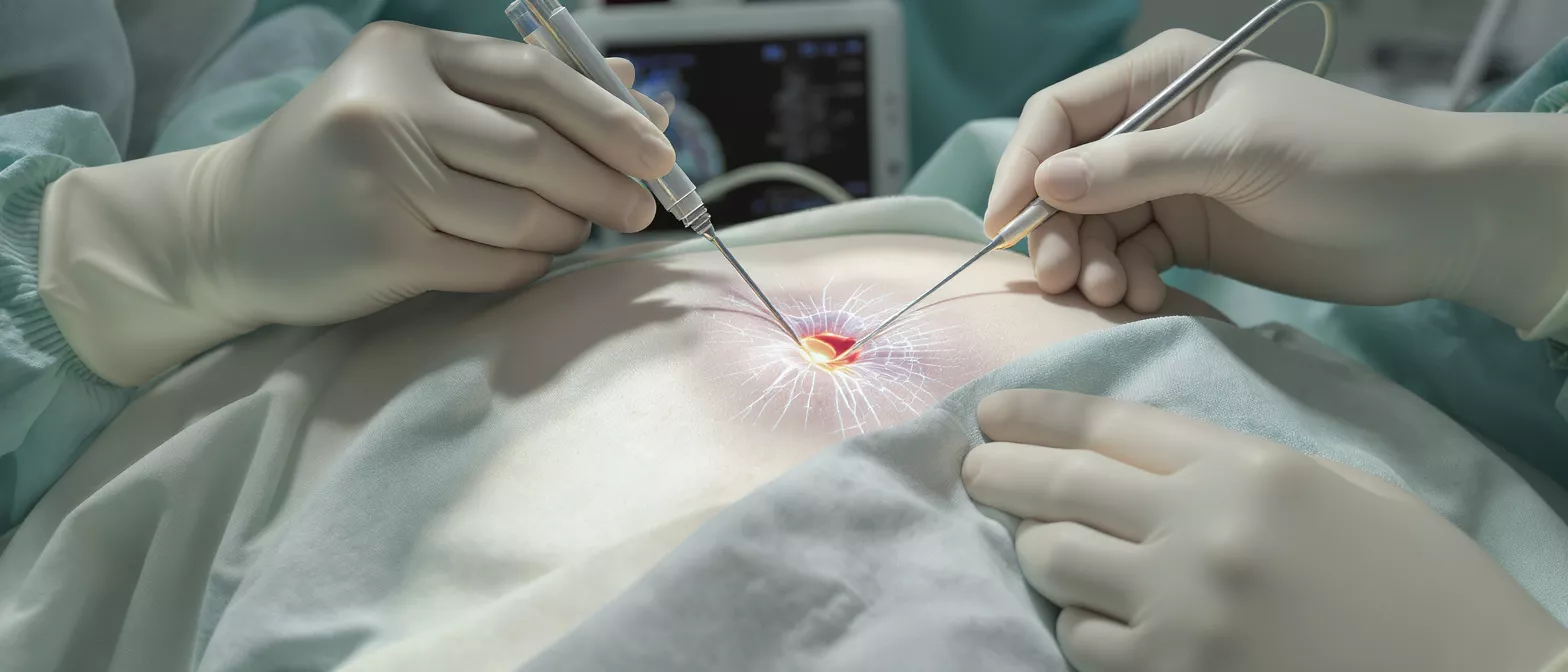
Transcatheter Mitral Valve Replacement
Learn how transcatheter mitral valve replacement offers a minimally invasive alternative to open-heart surgery.
What Is Transcatheter Mitral Valve Replacement?
Transcatheter mitral valve replacement is an advanced, minimally invasive heart procedure designed to treat severe mitral valve disease without the need for open-heart surgery. The mitral valve controls blood flow from the left atrium to the left ventricle. When it becomes diseased or damaged, it can leak (mitral regurgitation) or narrow (mitral stenosis), forcing the heart to work much harder. This catheter-based approach allows a cardiovascular surgeon to implant a new valve inside the damaged one, restoring healthy blood flow.
Why it matters to heart surgery patients: For many patients, traditional open-heart surgery poses too high a risk due to age, frailty, or other medical conditions. TMVR offers a lifeline by providing a fully functioning replacement valve through a small tube, or catheter, usually guided through a vein in the leg or a small incision in the chest. This drastically reduces trauma to the body and helps patients avoid the lengthy intensive care stays associated with conventional operations.
Understanding this percutaneous mitral valve intervention helps alleviate the anxiety that often accompanies a heart disease diagnosis. By knowing how the technology works, patients and families can approach their treatment plan with greater confidence and clarity.
How the TMVR Procedure Works
The TMVR procedure relies on advanced imaging and precise catheter navigation to replace the faulty valve. A specialized delivery system is threaded through blood vessels directly to the heart. Once the catheter reaches the mitral valve, the new biological valve is carefully expanded into place, pushing the old valve's leaflets aside and immediately taking over the job of regulating blood flow.
Step-by-step catheter delivery: The patient is typically under general anesthesia or deep sedation. The surgical team uses real-time 3D transesophageal echocardiography and fluoroscopy (live X-rays) to guide the catheter. This ensures the new transcatheter mitral valve is perfectly positioned and securely anchored before the delivery system is removed.
Because the chest is not opened, the mechanical stress on the body is significantly lower. Surgeons do not need to stop the heart or use a heart-lung bypass machine for extended periods, which makes the entire process safer for high-risk individuals and speeds up the initial stabilization phase after the operation.
Who Is Eligible for Transcatheter Mitral Valve Replacement?
TMVR eligibility is determined by a specialized heart team, which includes interventional cardiologists and cardiac surgeons. They evaluate the severity of the mitral valve disease, the patient's overall health, and their surgical risk. This procedure is primarily reserved for patients suffering from severe symptomatic mitral regurgitation who are considered prohibitive or high risk for conventional open-heart surgery.
Pre-operative screening tests: Before clearing a patient for this mitral valve disease treatment, doctors perform a series of comprehensive diagnostic tests. These typically include an echocardiogram, a cardiac CT scan to measure the valve's exact dimensions, and pulmonary function tests to ensure the lungs can handle the procedure. The goal is to confirm that the replacement valve will fit securely and function properly.
Patients must have a suitable anatomical structure for the replacement device to be anchored correctly. If the heart's geometry is not compatible, the heart team will explore alternative heart valve replacement options to ensure the patient receives the safest and most effective care possible.
TMVR vs TEER: Which Is Better?
When comparing TMVR vs TEER, the most significant difference lies in the mechanism of action. Edge-to-edge repair (TEER) uses a clip that holds the edges of the faulty leaflets together to stop the leak, essentially creating a smaller, double opening. TMVR, on the other hand, completely replaces the damaged valve with a new biological prosthesis, offering a more definitive solution for complex structural issues.
- Repair vs Replace: TEER repairs the native valve; TMVR implants a fully new valve.
- Disease severity: TEER is often used for degenerative regurgitation; TMVR is preferred for severe stenosis or complex regurgitation where repair isn't viable.
- Durability: TMVR replacement valves may offer longer-term durability for certain patients compared to a repaired native valve.
Choosing between these two catheter-based mitral valve options depends on the specific type of mitral disease, the patient's heart anatomy, and the multidisciplinary team's clinical judgment. Both are minimally invasive, but they serve different structural needs and patient profiles.
Key Benefits of a Minimally Invasive Mitral Valve
The advantages of a minimally invasive mitral valve approach are profound, especially for older adults or those with multiple health conditions. The most immediate benefit is the elimination of a large chest incision and the need to split the breastbone. This leads to significantly less blood loss, a lower risk of infection, and reduced trauma to the surrounding tissues.
Impact on quality of life: Many patients experience immediate relief from symptoms like severe shortness of breath, fatigue, and fluid retention once the new valve is functioning. The heart can pump efficiently again, allowing patients to return to their daily activities and regain their independence much faster than they would after traditional surgery.
Furthermore, because the hospital stay is dramatically shortened, patients are exposed to fewer hospital-acquired risks. The overall psychological impact is also positive, as patients face less pain and a quicker return to their normal baseline, making this an excellent option for vulnerable populations.
Mitral Valve Repair vs Replacement Options
The decision between mitral valve repair vs replacement is a critical one in cardiac care. For decades, the surgical standard has been to repair the mitral valve whenever possible, as preserving the native tissue maintains the heart's natural geometry and ventricular function. However, when the valve is too severely damaged or calcified, replacement becomes the only viable option to restore blood flow.
When replacement is necessary: If the valve leaflets are stiff, heavily calcified, or damaged by rheumatic fever, a robust replacement is required. Transcatheter mitral valve replacement offers a structural solution that repair techniques like edge-to-edge repair (TEER) cannot achieve. The new valve mimics the mechanical function of a healthy valve, ensuring unidirectional flow through the left side of the heart.
The heart team's primary goal is to choose the intervention that provides the best long-term outcome with the lowest risk. For high-risk surgical candidates, transcatheter replacement bridges the gap between medical therapy and open surgery. Exploring minimally invasive heart valve replacement devices helps patients understand the advanced tools their surgeons use to achieve these outcomes.
What to Expect During Transcatheter Mitral Replacement Recovery
Transcatheter mitral replacement recovery is remarkably different from the recovery after traditional open-heart surgery. Most patients are moved out of the intensive care unit within 24 hours and spend only a few days in a standard hospital room. The lack of a major chest incision means pain is minimal, and patients can begin walking and eating normally very quickly.
Cardiac rehabilitation timeline: Once discharged, patients gradually increase their physical activity over the next few weeks. While heavy lifting and strenuous exercise are restricted initially to allow the valve to heal securely, light walking is encouraged immediately. Patients are advised to monitor their incision sites for any signs of infection and to keep their follow-up appointments.
Full recovery usually takes a few weeks, after which most patients feel a dramatic improvement in their stamina and breathing. Regular follow-up echocardiograms will be scheduled to monitor the new valve's function and ensure the heart is adapting well to the improved blood flow.
Potential Risks and Are Transcatheter Valves Safe?
When asking, "are transcatheter valves safe," it is important to weigh the risks against the dangers of leaving severe mitral disease untreated. While TMVR is a major medical procedure, it is generally considered safe and highly effective for appropriately selected patients. The procedure avoids the risks associated with general surgery and prolonged anesthesia, but it carries its own specific considerations.
Managing potential complications: As with any heart valve intervention, there are risks. Potential complications include bleeding at the catheter insertion site, blood vessel damage, or the need for a permanent pacemaker if the new valve presses against the heart's electrical pathways. There is also a small risk of the valve not sealing perfectly, causing a paravalvular leak, though advanced imaging has greatly reduced this occurrence.
Ultimately, the safety of the procedure relies on the expertise of the heart team and the careful screening of the patient. For most high-risk patients, the risk of the procedure is far lower than the risk of ongoing severe heart failure, making TMVR a highly favorable and life-saving option.
Follow-Up Care for Your New Heart Valve
Long-term success after a TMVR procedure relies heavily on diligent follow-up care. Patients will need to take specific medications to prevent blood clots and keep the new valve functioning smoothly. Anticoagulation or antiplatelet therapy is usually prescribed for a period, and the exact regimen will be tailored to the patient's specific medical history and bleeding risk.
Monitoring valve function over time: Regular check-ups with a cardiologist are essential. These visits include echocardiograms to check the movement of the valve leaflets and ensure there is no buildup of calcium or tissue growth obstructing blood flow. Patients are encouraged to immediately report any return of symptoms, such as shortness of breath or irregular heartbeats, to their care team.
With proper medical oversight and a heart-healthy lifestyle, transcatheter valves are designed to last for many years, providing patients with a durable solution to mitral valve disease and a sustained improvement in their quality of life.
Frequently Asked Questions About TMVR
Patients and families often have many questions when first learning about this technology. Understanding the nuances of the procedure helps ease the mind and prepares patients for the journey ahead. This minimally invasive mitral valve option has revolutionized how high-risk patients are treated.
Common patient inquiries: People frequently ask about the durability of the valve, the materials used, and how the procedure will impact their daily life. By discussing these questions with the cardiovascular team, patients can make informed decisions about their care. The transition from severe heart failure symptoms to a functional, active lifestyle is the ultimate goal of this intervention.
Open communication with your surgical team at Cirugía de Corazón ensures that all your concerns are addressed. We are committed to providing clear, compassionate, and medically accurate information to guide you through your mitral valve disease treatment.






