

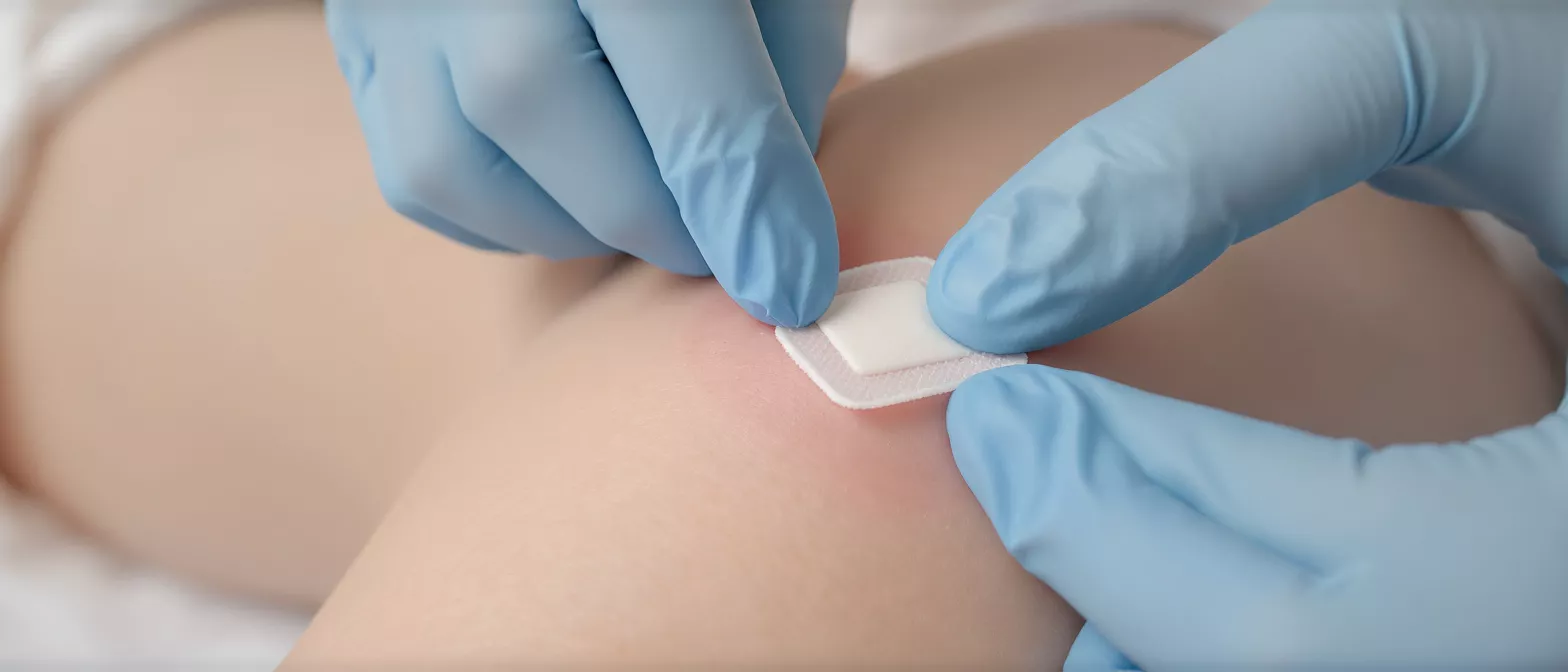
Vascular Closure Device
Learn how a vascular closure device seals arteries after catheterization, reduces bleeding, and speeds recovery.
What is a vascular closure device?
A vascular closure device is a specialized medical tool used to seal the puncture in an artery after a cardiac catheterization or angiogram. When a cardiologist performs these procedures, they insert a long, thin tube called a catheter into an artery—usually in the groin or wrist—to reach the heart. Once the procedure is finished, the catheter is removed, leaving a small opening in the artery that must be closed to prevent bleeding. This is where the device plays its crucial role.
Mechanical versus manual compression: In the past, the standard method for closing this arterial puncture was manual compression, which required a nurse or doctor to press down on the site for 20 to 30 minutes, followed by the patient lying flat for several hours. The vascular closure device was developed to speed up this process, sealing the artery immediately and allowing patients to sit up and walk much sooner. This innovation significantly transforms the post-procedure experience.
For patients undergoing heart surgery or interventional cardiology, understanding this tool helps demystify the recovery process. Knowing how the arterial access site is managed can ease anxiety, as it provides a clear picture of how the body heals after a tube has been placed in a major blood vessel.
How does a vascular closure device work?
The exact mechanism of a vascular closure device depends on its specific design, but all of them share the same primary goal: achieving rapid hemostasis, which means stopping the flow of blood. Some devices work by placing a tiny suture or stitch directly into the artery wall to close the hole, much like sewing a garment. Other designs use a small collagen plug or sponge that expands when it contacts blood, physically blocking the opening from the inside.
Suture-mediated closure: This variation uses a tiny needle to pass a surgical thread through the edges of the arterial puncture. A surgeon or interventional cardiologist tightens this thread to draw the edges of the vessel together, effectively tying off the bleeding. The knot is secured and left inside the body, where it gradually absorbs over a few months as the artery heals naturally.
Because the device provides immediate physical closure, the need for heavy pressure on the groin or wrist is drastically reduced. This immediate seal allows the skin surface to be cleaned and dressed quickly, marking the beginning of the patient's recovery phase right in the procedure room.
Types of vascular closure devices
There are several distinct types of vascular closure devices available, each engineered to address different anatomical needs and physician preferences. Understanding the general categories helps clarify why a cardiologist might choose one over another for a specific patient.
- Suture-based: Uses a pre-tied stitch to mechanically close the artery, ideal for patients who require a robust, immediate physical seal.
- Collagen plug: Deploys a small, dissolvable material against the puncture, which expands to stop bleeding and is later absorbed by the body.
- Clip-based: Applies a tiny mechanical clip to the outside of the artery, pinching the edges of the hole together without leaving foreign material inside the vessel.
Each of these methods effectively accomplishes arterial access site closure, providing a reliable barrier against bleeding. The choice often depends on the patient's anatomy, the size of the catheter used, and the physician's clinical experience with a particular platform.
Benefits of a vascular closure device
Faster recovery and early mobility: One of the primary benefits of using a vascular closure device is the dramatic reduction in bed rest required after a cardiac procedure. Instead of lying flat for four to six hours, patients can often sit up within minutes and walk within a few hours. This early mobility significantly improves comfort and lowers the risk of blood clots forming in the legs.
Improved patient comfort: Manual compression can be painful and requires prolonged pressure. A vascular closure device minimizes this discomfort by instantly sealing the artery, removing the need for agonizing physical pressure on a sensitive area. Patients frequently report a much smoother, more pleasant recovery experience when these tools are utilized.
Beyond comfort, these devices provide excellent post-procedure bleeding control. By securing the artery immediately, they lower the risk of delayed bleeding or hematoma formation, which is a pooling of blood outside the vessel. This reliability provides peace of mind for both the patient and the medical team monitoring the recovery.
Vascular closure device after catheterization
Using a vascular closure device after catheterization has become the standard of care in many modern cardiac centers. During a catheterization, the doctor needs a secure pathway to the heart, but once the diagnostic or therapeutic work is done, that pathway must be safely retired. The closure device is deployed right at the end of the procedure, just as the catheter is withdrawn from the femoral or radial artery.
For patients, this means the transition from the procedure table to the recovery room is swift and secure. The immediate sealing allows the medical staff to quickly assess the site, apply a simple bandage, and focus on monitoring the patient's heart rate and vital signs rather than constantly checking for bleeding. When recovering from heart interventions, utilizing a hemostasis closure device ensures that the delicate arterial wall heals properly without prolonged external pressure.
This approach also reduces the nursing care required immediately after the procedure. Because the device holds the arterial puncture closed internally, nurses can focus on the patient's overall cardiac recovery and education, rather than maintaining manual pressure or monitoring heavy sandbags placed on the groin.
Femoral artery closure device explained
The femoral artery, located in the groin, is a very common access point for cardiac catheterization because it is a large blood vessel that offers a direct route to the heart. A femoral artery closure device is specifically designed to handle the high blood pressure and large size of this particular vessel. Because the femoral artery carries a significant volume of blood, sealing it properly is critical to prevent serious complications.
Managing high-pressure vessels: The femoral artery's high blood flow means that any leakage can quickly become a major issue. Devices used here are built to withstand that pressure, utilizing strong sutures or dense collagen plugs to ensure a tight, secure seal. This robust design is what allows patients to move their legs safely shortly after the procedure is completed.
When a device is used in this area, patients usually have a small dressing placed over the groin site. They can typically walk to the bathroom and move around their hospital room much sooner than they would have with traditional manual compression. For patients needing durable wound protection, a cardiac catheterization closure product provides a reliable, tight seal that supports early ambulation.
Angioplasty closure device recovery
Angioplasty involves threading a balloon-tipped catheter into a narrowed artery to widen it, often leaving a stent behind to keep the vessel open. Because this procedure uses larger catheters to accommodate stents and balloons, the puncture site is slightly larger, making the use of an angioplasty closure device highly beneficial. It ensures that the larger hole heals securely without requiring hours of heavy compression.
Recovery from an angioplasty focuses not just on the heart, but on the access site. A properly placed closure device ensures that the primary focus of recovery remains on cardiovascular health—such as managing medications and adopting heart-healthy habits—rather than dealing with groin complications. To support this arterial healing, doctors often recommend post-procedure bleeding control solutions that integrate smoothly into a patient's recovery plan.
Patients are usually able to be discharged home the same day or after a short overnight observation, depending on their overall heart condition. The secure closure means that the risk of bleeding once the patient goes home is very low, allowing them to rest comfortably in their own bed.
Are vascular closure devices safe?
Rigorous clinical testing: Vascular closure devices are extensively tested and approved by regulatory agencies before they are ever used in clinical practice. They have been utilized in millions of procedures worldwide, establishing a strong track record of safety and efficacy. For patients undergoing heart surgery or interventional cardiology, these devices offer a reliable, well-studied method for securing arterial punctures.
Minimizing infection and bleeding risks: While any procedure that breaks the skin carries a small risk of infection, these devices are sterile and designed to be deployed quickly, minimizing the amount of time the tissue is exposed. The immediate closure also reduces the chance of delayed bleeding, which is the most common complication associated with catheter removal.
It is important to remember that while no medical tool is completely without risk, the complication rate associated with these closure devices is very low. They provide a safe alternative to the prolonged, uncomfortable manual pressure that was once the only option for heart patients.
Vascular closure complications to watch
While vascular closure devices are highly effective, it is important for patients and their families to be aware of potential vascular closure complications. Knowing what to watch for ensures that any rare issues are caught and treated early. After the procedure, nurses will check the pulse in the foot or wrist and look at the access site for any signs of trouble.
- Hematoma: A localized swelling outside the blood vessel filled with blood, often appearing as a raised, bruised area near the puncture site.
- Numbness or coldness: A sign that blood flow to the limb might be restricted, requiring immediate medical attention.
- Infection: Increased redness, warmth, or discharge at the skin surface, indicating the site may need medical cleaning and topical care.
If any of these signs occur, patients should notify their nurse or doctor immediately. Fortunately, when complications do arise, they are usually minor and can be easily managed with pressure, observation, or sometimes a small additional dressing.
Catheterization recovery device summary
The development of the catheterization recovery device represents a major advancement in patient comfort and safety following heart procedures. By replacing prolonged, uncomfortable manual compression with an immediate, secure seal, these tools have transformed the recovery experience for millions of cardiac patients worldwide.
Understanding how these devices work, the types available, and the benefits they offer can significantly reduce the anxiety surrounding cardiac catheterization. Knowing that the arterial access site is securely managed allows patients to focus entirely on their heart health and long-term recovery. Trusting in these modern medical tools helps smooth the path from procedure to full mobility, ensuring a safer, more comfortable healing journey.
Always feel free to discuss any concerns about the closure method with the cardiologist prior to the procedure. The medical team is there to provide reassurance and ensure that every step of the heart journey, from the first incision to the final bandage, is handled with expert care.






