

Vitamin K in Food
Vitamin K in food affects blood thinners and heart surgery recovery.
What is Vitamin K in Food?
Vitamin K in food is an essential nutrient that plays a crucial role in helping your blood clot properly and keeping your bones strong. For anyone preparing for or recovering from cardiac procedures, understanding this nutrient is a vital part of the healing process.
Phylloquinone (Vitamin K1): This is the primary form of vitamin K found in plant-based foods, particularly leafy green vegetables. Your body uses it efficiently for immediate blood clotting needs, which is why diet matters so much when cardiovascular medications are involved.
Menaquinone (Vitamin K2): This form is mostly found in animal products and fermented foods. It plays a different but equally important role in directing calcium to your bones rather than your arteries, which helps maintain long-term circulatory health.
Why Vitamin K Matters for Heart Surgery Patients
If you or a loved one is facing cardiac surgery, the medical team will likely discuss dietary guidelines with you, and vitamin K will be at the top of that list. This nutrient directly impacts how quickly your blood forms clots, a process that must be carefully balanced during and after surgery. Understanding your diet helps ensure your recovery is safe and uncomplicated.
Medication interactions: Many cardiac patients are prescribed anticoagulants, commonly known as blood thinners, to prevent dangerous clots. Because vitamin K naturally counteracts these medications, sudden increases in your dietary intake can make the medicine less effective, highlighting the importance of nutritional awareness.
Stabilizing your intake does not mean eliminating leafy greens; it means keeping your daily consumption predictable. When your doctors know roughly how much of this nutrient you consume, they can adjust your medications accurately, keeping you perfectly balanced between bleeding and clotting risks.
What Foods Are High in Vitamin K?
When looking at foods high in vitamin K, the list is overwhelmingly dominated by dark, leafy greens. These natural sources provide the most concentrated amounts of the nutrient, making them the focal point of any dietary discussion regarding blood clotting and heart health.
Top everyday sources: To help you visualize the most common dietary culprits, here is a quick reference list of items you will want to monitor:
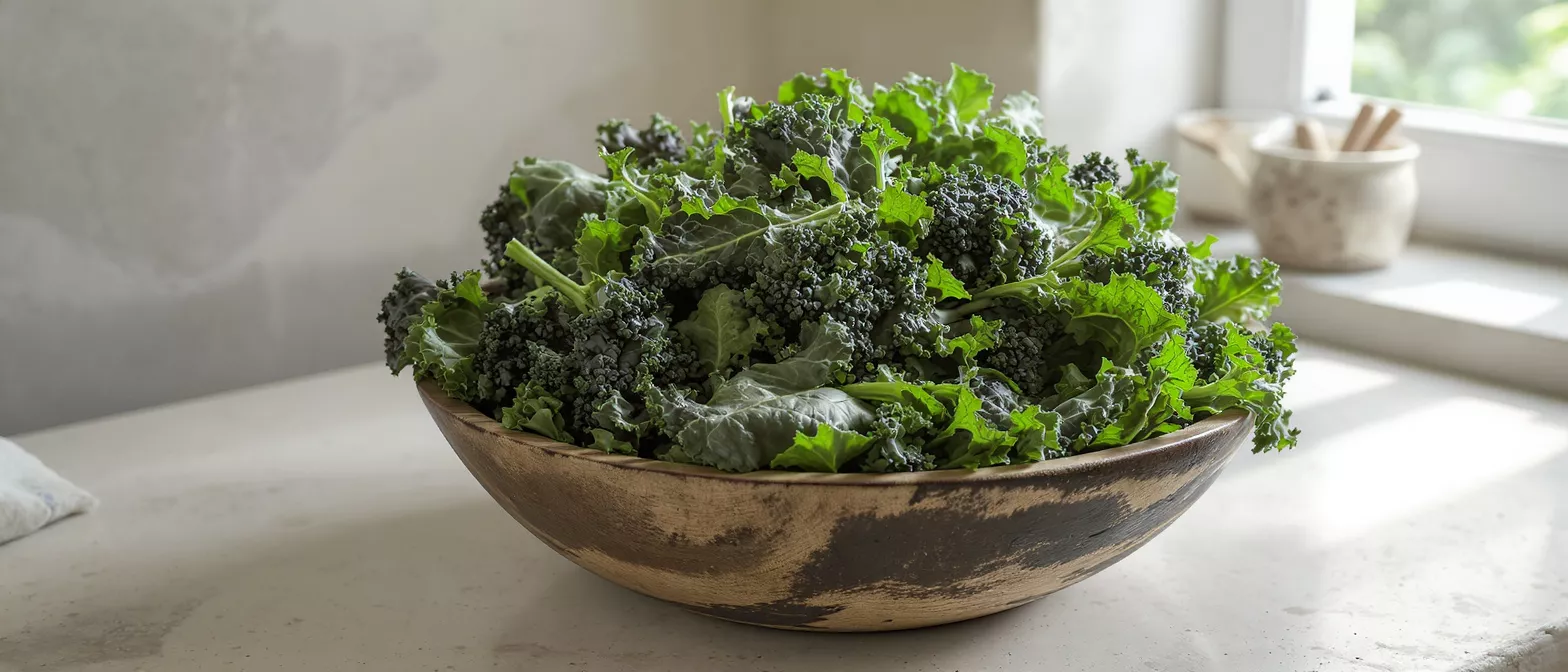
- Dark leafy greens: Kale, spinach, collard greens, and Swiss chard pack the highest punch.
- Cruciferous vegetables: Broccoli and Brussels sprouts are moderately high but often eaten in large quantities.
- Heart-healthy fats: Avocados and certain vegetable oils provide a measurable amount of the nutrient.
Recognizing these items allows you to maintain a consistent intake rather than unknowingly spiking your levels on any given day.
How Does Vitamin K Affect Blood Thinners?
The relationship between this nutrient and anticoagulant medications is the most critical thing a heart patient must understand. Blood thinners work by blocking the action of vitamin K, essentially slowing down your body's natural clotting process to prevent harmful blockages in your arteries or heart valves. Eating large amounts of vitamin K rich foods can essentially fight against the medication.
Maintaining the delicate balance: Your doctors do not expect you to avoid nutritious vegetables entirely. Instead, they want you to avoid sudden spikes. A massive bowl of spinach today and none for the rest of the month will make your blood thickness fluctuate wildly, making your medication dosage incredibly difficult to manage.
Choosing a cardiac recovery meal replacement can occasionally help if you are struggling to eat solid foods post-surgery, but you must still verify the nutritional label to ensure it fits within your daily dietary targets.
Best Vitamin K Food Sources for Overall Health
While cardiac patients must monitor their intake, vitamin k food sources are still incredibly beneficial for general wellness. The same dark greens that require careful monitoring also contain powerful antioxidants, fiber, and other vitamins that actively support cardiovascular recovery and long-term vitality.
Whole-body benefits: The nutrients found alongside natural vitamin K sources support arterial elasticity and bone mineral density. When consumed consistently and in moderation, these foods help build a robust foundation for your post-operative lifestyle.
Instead of viewing these vegetables as the enemy, try reframing them as a tool. By eating a small, consistent serving of cooked greens each day, you give your body the fiber and micronutrients it needs to heal without disrupting your carefully calibrated blood work.
How Much Vitamin K Do You Need Daily?
For the average adult, the recommended daily intake is about 90 to 120 micrograms, depending on your age and gender. However, if you are taking anticoagulants after heart surgery, your daily target is highly individualized by your cardiology team based on your medication response.
Consistency is key: It is rarely about eating too little or too much; it is about eating the same reliable amount every single day. Your medical team will establish a safe baseline for you, allowing you to enjoy your favorite meals without triggering dangerous blood level fluctuations.
Always track your diet closely during the first few weeks post-surgery. As your body heals and your medication stabilizes, maintaining a steady intake will become second nature, giving you peace of mind and a sense of control over your recovery.
Vitamin K Rich Vegetables to Know
Identifying the most potent vitamin k rich vegetables is the first step toward managing your dietary intake effectively. Not all greens are created equal, and knowing the difference between a moderate source and a heavy hitter can make your dietary planning much easier.
Understanding the hierarchy of greens: Here is a quick comparison to help you categorize the most common vegetables you will encounter in the produce aisle:
- Very High: Kale, collard greens, spinach, beet greens, and Swiss chard.
- Moderate: Broccoli, Brussels sprouts, green onions, and cabbage.
- Low: Iceberg lettuce, cucumbers, and tomatoes (safe to eat freely).
This quick guide helps you build balanced plates. You can still enjoy a broccoli side dish, but you will know to keep the portion size consistent and communicate that habit to your nutritionist.
How to Manage Vitamin K Intake From Food
Managing your dietary intake does not have to be stressful or overly complicated. The secret to successfully balancing vitamin k intake from food is routine. When you eat predictable portions at predictable times, your blood levels remain stable, and your heart medications work exactly as intended.
Smart preparation habits: Cook your vegetables in ways that preserve their nutrients but make portion control easy. Chopping and measuring your greens before cooking them helps you visualize exactly how much you are consuming, preventing accidental overindulgences.
Keep a food journal during your recovery. Writing down what you eat takes the guesswork out of your cardiology appointments, allowing your doctors to see exactly how your diet aligns with your latest blood test results.
Natural Vitamin K Sources vs Supplements
When it comes to cardiac recovery, cardiologists almost universally prefer that you get your nutrients from natural vitamin k sources rather than supplements. Whole foods provide a complex matrix of fiber and other vitamins that pills simply cannot replicate, making them the safest choice for postoperative patients.
Hidden supplement dangers: Multivitamins, green tea extracts, and herbal blends often contain hidden amounts of this nutrient. Taking a generic complete daily multivitamin without checking the label can inadvertently spike your levels and interfere with your prescription blood thinners.
Always clear any over-the-counter pills or nutritional powders with your cardiac surgeon or pharmacist. Even natural herbal remedies can have a profound impact on your blood's ability to clot, so transparency with your medical team is absolutely essential.
Understanding Vitamin K Nutrition Facts
Learning to read and understand vitamin k nutrition facts on food labels is a valuable skill for any heart patient. While fresh produce does not always come with a detailed label, packaged goods and frozen vegetables often provide exact microgram measurements, helping you calculate your daily intake with precision.
Decoding the numbers: When a label lists a percentage of the daily value, remember that it is based on the general 90-120 microgram recommendation. If your cardiologist has given you a specific target due to your medications, you will need to do a quick conversion to ensure you are staying within your personalized safe zone.
As you become more familiar with these nutrition facts, grocery shopping will transform from a source of anxiety into a routine task. Empowered with this knowledge, you can confidently select foods that support your heart health without jeopardizing your surgical recovery.






