

Weaning From Bypass
Learn how weaning from bypass works after heart surgery.
What Is Weaning From Bypass?
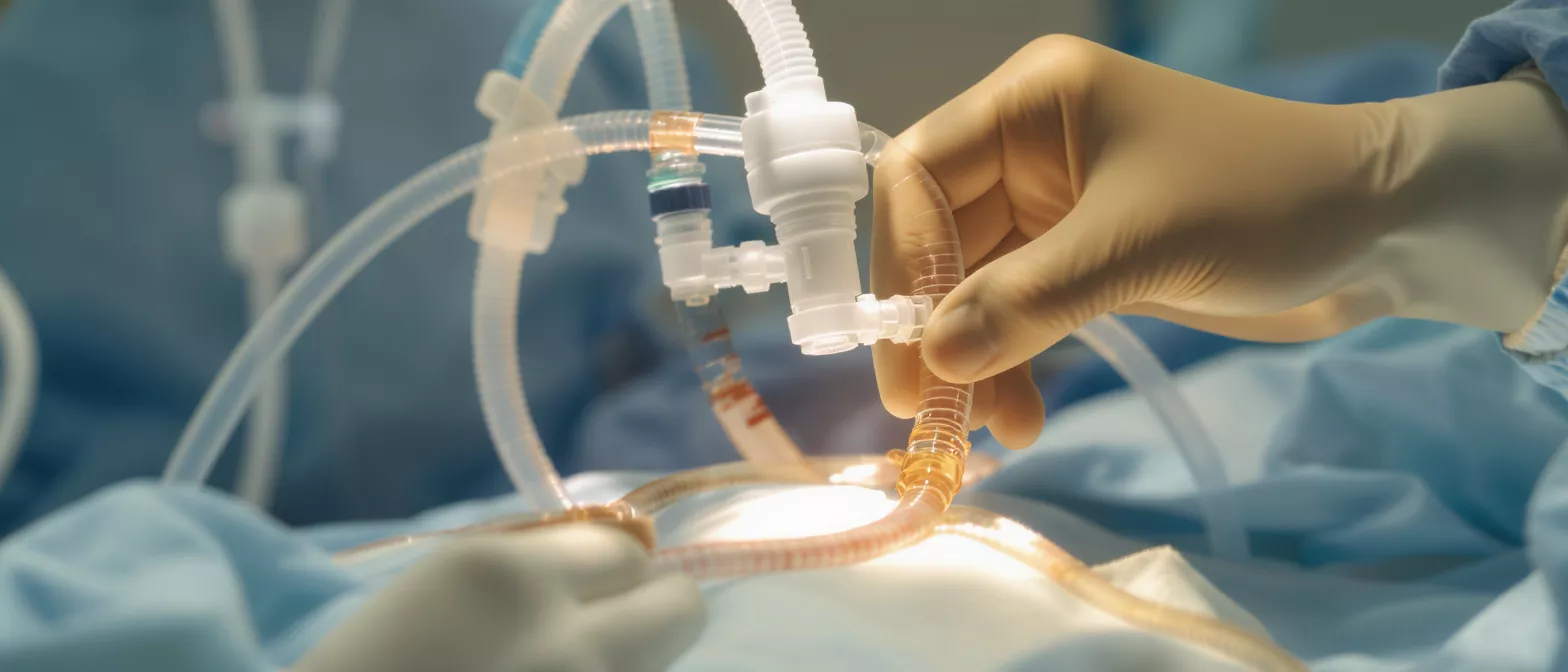
Weaning from bypass is the careful process of transitioning a patient off cardiopulmonary bypass after heart surgery. When your surgical team repairs or replaces a heart valve or bypasses a blocked artery, the heart and lungs are temporarily paused. A specialised machine takes over their jobs, pumping oxygen-rich blood throughout the body. Weaning is the moment when the team gradually gives control back to your own heart and lungs.
This is a highly anticipated and meticulously planned phase of cardiac surgery. The team has been preparing for this exact moment since the operation began. For families waiting in the consultation room, it represents a critical turning point where the structural repair is finished and the focus shifts to natural function.
Why weaning from bypass matters to recovery: A successful transition means your heart is beating strongly enough to supply your body with the blood and oxygen it needs. If this transition goes smoothly, it is a strong indicator that the heart muscle is healthy and ready to support you through the immediate postoperative period.
How Does the Bypass Weaning Process Work?
The cardiac bypass weaning process relies on a gentle, gradual reduction of the machine's support. The perfusionist, a specialist who operates the heart-lung machine, slowly reduces the amount of blood draining into the machine while your heart takes over the workload. It is a delicate balance of mechanics, pharmacology, and physiology.
As the machine steps back, your heart begins to fill with blood and starts beating on its own. Sometimes the heart resumes a normal rhythm immediately. Other times, the surgeon uses a brief electrical shock to reset the heartbeat into a smooth, coordinated rhythm. The team observes the heart closely to ensure it is contracting effectively.
How the lungs rejoin the circulation: The heart-lung machine ventilates the blood directly, so your natural lungs are temporarily deflated during the surgery. Before the machine is turned off, the anaesthesia team re-inflates your lungs and uses a ventilator to deliver oxygen. Once the lungs are working and the heart is beating steadily, the team removes the tubes, completing the transition.
What Are the Criteria for Weaning From Cardiopulmonary Bypass?
Surgeons use strict weaning from bypass criteria to decide if a patient is ready. The decision is never rushed, and the heart must prove it can handle the workload. The team looks at a combination of vital signs, lab values, and direct visual observation of the heart muscle. If the criteria are not met, the team pauses and provides additional support.
The heart must demonstrate a stable rhythm and an adequate blood pressure. The team also checks blood tests to ensure the body's acid levels are normal and that there is no lingering air in the heart chambers. Visual inspection confirms that the heart is not swelling and that the repairs are holding securely.
Core CPB weaning parameters: The surgical team assesses your core body temperature, ensuring it has returned to a normal range after being cooled during surgery. They also monitor the pressure inside the heart to ensure it is not overworking. Together, these parameters create a clear picture of cardiovascular readiness before the heart-lung machine is permanently withdrawn.
Weaning From Bypass Monitoring and Hemodynamics
Weaning from bypass monitoring is continuous and intense. Every heartbeat is tracked using advanced ultrasound and pressure monitors. Haemodynamics is the study of blood flow, and during weaning, it tells the team exactly how well the heart is pumping blood to the rest of the body. If pressures drop unexpectedly, the team can instantly adjust their approach.
Why hemodynamics guide the team: Haemodynamic stability is the ultimate goal of this phase. If blood pressure stays steady and pressures in the lungs remain low, the heart is tolerating the new workload well. This data guides the anaesthesia team in administering medications that support the heart muscle during these critical minutes.
If the monitors show that the heart is struggling, the perfusionist can easily increase support from the machine. This safety net is a fundamental part of cardiac surgery. The team always retains the ability to resume full bypass support, giving them time to assess the situation and make the necessary adjustments.
What Are Common Weaning From Bypass Complications?
While most transitions are successful, the team prepares for weaning from bypass complications. These can include an irregular heartbeat, a drop in blood pressure, or a condition called pulmonary hypertension, where the blood vessels in the lungs restrict blood flow. Recognising these issues early ensures they remain manageable and temporary.
If the heart rhythm becomes chaotic, a pacemaker may be attached to the outside of the heart to regulate the beats temporarily. If the heart muscle feels weak, specialist medications are administered to increase its pumping strength. The team rehearses these interventions continuously to ensure a rapid response.
How complications are resolved: Most difficulties during weaning are resolved quickly with medication or mechanical adjustments. The surgical team has a wide array of tools at their disposal. When the heart needs extra rest, the team simply resumes full bypass for a short time before attempting another weaning attempt later.
Weaning From Bypass Steps and Protocol
A bypass weaning protocol ensures every step is performed consistently and safely. The protocol acts as a shared checklist for the surgeon, anaesthesiologist, and perfusionist. This structured approach prevents errors and keeps the entire surgical team synchronised during a complex transition.
Before starting the weaning process, the team systematically checks the operative site, reviews the warming process, and confirms all monitors are functioning. The actual weaning steps are performed incrementally, reducing the machine's flow over several minutes. This gradual pace allows the heart to adapt to its new responsibilities without sudden stress.
What a standard protocol includes: Each step in the protocol has a specific verification point. The perfusionist lowers the machine flow, the anaesthesiologist observes the heart filling, and the surgeon assesses the overall contraction. If any team member notices an issue, they immediately call for the machine flow to be increased, pausing the protocol.
- Core rewarming: The patient is warmed to normal body temperature to support healthy heart function and prevent surgical bleeding.
- Lung ventilation: The lungs are gently re-inflated and connected to a ventilator to resume natural oxygen exchange.
- Rhythm restoration: The heart is assessed for a normal rhythm, using gentle pacing wires if needed to maintain a steady beat.
What Causes Weaning From Bypass Failure?
Weaning from bypass failure is rare, but it happens when the heart cannot maintain adequate circulation without machine support. This is usually due to poor heart function before the surgery, an incomplete revascularisation, or severe lung disease. Failure does not mean the operation was a mistake; it means the heart needs more time to recover.
When weaning fails, the team calmly returns the patient to full bypass. They then assess the surgical repair to ensure it is perfect, checking for any mechanical issues. If the repair is flawless, the focus shifts to medical support, giving the heart time to rest and recover from the physical trauma of surgery.
Options after weaning failure: If the heart still cannot support the body after resting, the team may use temporary mechanical circulatory support. This includes devices like an intra-aortic balloon pump, which helps push blood through the body. These support systems give the heart the rest it needs to heal over the following days.
Weaning From Extracorporeal Circulation Recovery
Weaning from extracorporeal circulation is another term for this same process. Extracorporeal simply means outside the body, referring to the circuit of tubes that carries your blood to the heart-lung machine. The recovery from this transition begins the moment the tubes are removed.
Once the heart takes over, the body starts normalising its blood chemistry and clearing the fluids added during the machine run. The kidneys begin working to excrete excess fluid, and the body's natural clotting mechanisms start to take over. The surgical team focuses on achieving complete haemostasis, ensuring all bleeding has stopped before closing the chest.
Long-term recovery expectations: The immediate recovery from weaning is quick, but full recovery from heart surgery takes weeks. The heart continues to heal and strengthen long after the operation. Following your cardiac rehabilitation plan and attending follow-up appointments ensures the long-term success of your surgical procedure.
Perfusion Weaning Techniques and Team Roles
Perfusion weaning techniques vary slightly based on the patient's specific condition and the surgeon's preference. The perfusionist plays a crucial role, controlling the delicate balance of flow and pressure. They use their expertise to manipulate the heart-lung machine in perfect harmony with the heart's natural recovery.
The anaesthesiologist focuses on the airway, medications, and monitoring heart function. The surgeon watches the heart directly, feeling the muscle to assess its tone and strength. This coordinated effort ensures that any issue is caught and managed within seconds, maintaining a safe environment for the patient.
The importance of communication: Clear and constant communication is the most important technique. Every member of the team verbalises their observations. If the perfusionist notes a pressure change, the anaesthesiologist prepares a medication, and the surgeon assesses the heart, all within moments.
- Surgeon: Leads the overall procedure, visually inspects the heart, and decides when the criteria are met.
- Perfusionist: Manages the heart-lung machine, controls the gradual reduction of flow, and monitors the circuit.
- Anaesthesiologist: Manages the ventilator, administers supportive medications, and interprets real-time ultrasound data.
Key Takeaways for Cardiac Bypass Weaning
Understanding cardiac bypass weaning helps demystify the operating room. It is a planned, careful process where the surgical team transitions your heart back to its natural workload. The goal is always a smooth transition, but the team is fully prepared to support the heart if it needs more time.
The process is a testament to the skill and coordination of the cardiac surgical team. From the perfusionist managing the machine to the anaesthesiologist monitoring vitals, every step is designed for safety. Knowing about this process can provide peace of mind as you or your loved one approaches heart surgery.
Summary for patients and families: Weaning from bypass is a critical milestone in heart surgery, marking the end of the repair and the beginning of natural function. The team uses strict criteria and advanced monitoring to ensure safety. Trust in your surgical team's expertise, as they are trained to manage every aspect of this vital transition.






