

Weight Gain From Fluid
Understand weight gain from fluid after cardiac surgery.
What is weight gain from fluid?
Weight gain from fluid, medically known as edema, occurs when excess water accumulates in the body's tissues rather than being filtered out by the kidneys. For a patient recovering from cardiac surgery, noticing a sudden jump on the scale can be alarming, but understanding this phenomenon helps transform fear into proactive management. This type of weight gain has nothing to do with eating too many calories; instead, it reflects an imbalance in fluid dynamics.
Understanding fluid overload symptoms: When the body retains water, it often redistributes it to areas dependent on gravity. If you are spending most of your day sitting or lying in a hospital bed, that fluid will pool in your lower legs, ankles, and feet. When you press a finger into the swollen area and a dimple remains for a few seconds, it is called pitting edema, a classic sign of fluid retention.
For heart patients, fluid weight gain is a critical vital sign. It is one of the earliest indicators that the heart is struggling to keep up with the circulatory demands of the body. Recognizing this early allows your medical team to adjust your medications and prevent more severe complications, ensuring a smoother, safer recovery.
Why does fluid accumulation happen after cardiac surgery?
It is entirely normal to experience some fluid accumulation body weight changes immediately following heart surgery. During the operation, the body undergoes significant trauma, leading to a natural inflammatory response. Blood vessels become more permeable, allowing fluid to leak into the surrounding tissues. Additionally, intravenous (IV) fluids administered during your hospital stay contribute to this temporary overload.
Postoperative fluid retention causes: The stress of surgery triggers the release of specific hormones that tell the body to hold onto sodium and water. This is an evolutionary survival response, but in a modern surgical context, it requires careful monitoring. Your care team will actively manage this through carefully timed doses of diuretics to help the kidneys flush out the excess once your heart begins to stabilize.
Patience is essential during this phase. As the surgical inflammation subsides and your cardiovascular system adjusts to its new baseline, the body will naturally begin to shed this retained water. However, persistent accumulation weeks after discharge warrants prompt evaluation to ensure the heart is pumping efficiently.
How does the heart regulate body water?
The heart acts as the ultimate pump for your circulatory system. When it beats efficiently, blood flows smoothly forward through the arteries and returns effectively through the veins. If the heart muscle is weakened—either from the condition that necessitated surgery or a temporary postoperative stun—it cannot pump forcefully enough to maintain optimal pressure.
Understanding congestive heart failure fluid dynamics: When the heart's pumping action slows, blood can back up into the veins returning from the lungs or the rest of the body. This backup increases pressure inside the blood vessels. To relieve this pressure, fluid is pushed out into the surrounding tissue spaces, resulting in noticeable weight gain from fluid.
By tracking this weight daily, your cardiology team gains direct insight into how well your heart is managing its workload. It serves as a window into your cardiac output, making daily weighing just as important as checking your pulse or blood pressure during the recovery period.
What are the fluid weight gain symptoms to watch for?
While the scale provides the most objective measurement, the body often sends physical signals before the number ticks upward. Being attuned to these changes empowers patients to seek help before a minor issue escalates. Symptoms vary slightly depending on which side of the heart is most affected, but they all warrant attention.
Recognizing cardiac edema symptoms: You might notice that your shoes feel tighter than usual, or that removing socks leaves a deep elastic mark around your ankles. This peripheral swelling is the most visible sign of water retention. Additionally, many patients report a feeling of heaviness in their limbs or a noticeable tightness in their clothing, particularly around the abdomen.
- Shortness of breath: Fluid backing up into the lungs causes breathlessness, especially when lying flat.
- Rapid weight gain: Gaining two to three pounds overnight or five pounds in a week is a red flag.
- Lower extremity swelling: Puffiness around the ankles, calves, and feet that worsens as the day progresses.
How much weight gain is dangerous?
Sudden weight gain heart fluctuations are the primary metric surgeons use to determine if intervention is necessary. It is normal for body weight to fluctuate by a pound or two throughout the day based on meals and digestion. However, a rapid, sustained increase points directly to fluid accumulation rather than fat or muscle mass.
Defining rapid weight gain fluid retention: The clinical threshold for concern is a weight gain of two to three pounds in a single 24-hour period, or five pounds in a week. This speed of accumulation is physically impossible through normal eating and must be treated as a sign that the body is retaining water. At this stage, proactive communication with your surgeon's office is vital.
Knowing your baseline weight is the first step in this monitoring process. Your baseline is your dry weight—the weight when your body is free of excess fluid. By comparing your daily morning weight against this baseline, you provide your medical team with the exact data they need to keep your recovery on track.
What is the difference between fat weight and water weight?
Many patients worry that the scale is reflecting poor dietary choices, but it is crucial to distinguish between different types of weight. Fat accumulation happens gradually over weeks and months of consuming more calories than the body burns. Water weight, by contrast, can appear almost overnight and shifts dramatically in response to sodium intake and cardiac function.
Characteristics of heart condition fluid retention: Water weight is intimately linked to sodium. When the kidneys retain sodium to balance blood pressure, they simultaneously hold onto water, diluting the blood's sodium concentration. This retained water is extracellular, meaning it sits outside the cells, leading to the swollen, puffy appearance associated with edema.
Understanding this distinction relieves unnecessary guilt. If you are adhering to your prescribed diet but still gaining weight, you are not failing; your body is simply signaling that your heart needs additional support to manage its fluid load.
How is edema weight gain treated?
The primary goal of treatment is to address the underlying cardiac function while safely removing the excess water. Doctors rarely attempt to drain this fluid instantly, as rapid shifts in bodily fluids can destabilize blood pressure and kidney function. Instead, the process is managed carefully over days or weeks using targeted therapies.
Common fluid retention treatment options: Diuretics, often called water pills, are the cornerstone of this therapy. These medications tell the kidneys to excrete excess sodium and water through urine. For patients with significant edema, doctors may prescribe a stronger loop diuretic, while advising strict daily monitoring of weight and kidney lab values to ensure safe fluid removal. For comfortable home tracking, many patients use a clinically accurate digital body weight scale to document their morning baseline.
- Diuretics: Medications that prompt the kidneys to filter out excess water and sodium.
- Sodium restriction: Lowering salt intake prevents the body from holding onto additional water.
- Positioning: Elevating the legs above the heart level helps drain peripheral edema naturally.
What is the best diet for managing fluid retention?
Diet plays a monumental role in managing fluid buildup cardiac complications. The most critical element to control is sodium. Sodium acts like a sponge for water in the body; when consumed in high amounts, it directly counteracts the effects of your heart medications. A low-sodium diet ensures that the fluid you are losing through medication stays lost.
Practical low-sodium guidelines: Patients are generally advised to limit their sodium intake to under 2,000 milligrams per day. This requires reading nutrition labels closely and avoiding processed foods, canned soups, and restaurant meals. Cooking fresh meals at home allows complete control over salt, ensuring your heart is not forced to work against an unnecessary fluid load.
Hydration is equally important. It sounds counterintuitive, but drinking adequate plain water helps the kidneys function properly and flush out sodium. For those needing to strictly manage intake, doctors sometimes recommend a measured daily water intake bottle to ensure they do not consume excess liquids, which can burden a recovering heart.
How to monitor heart failure weight at home?
Establishing a daily weighing routine is the most powerful tool a patient has post-surgery. It turns invisible internal changes into clear, actionable data. To get accurate readings, the process must be standardized so that daily comparisons are valid and reliable.
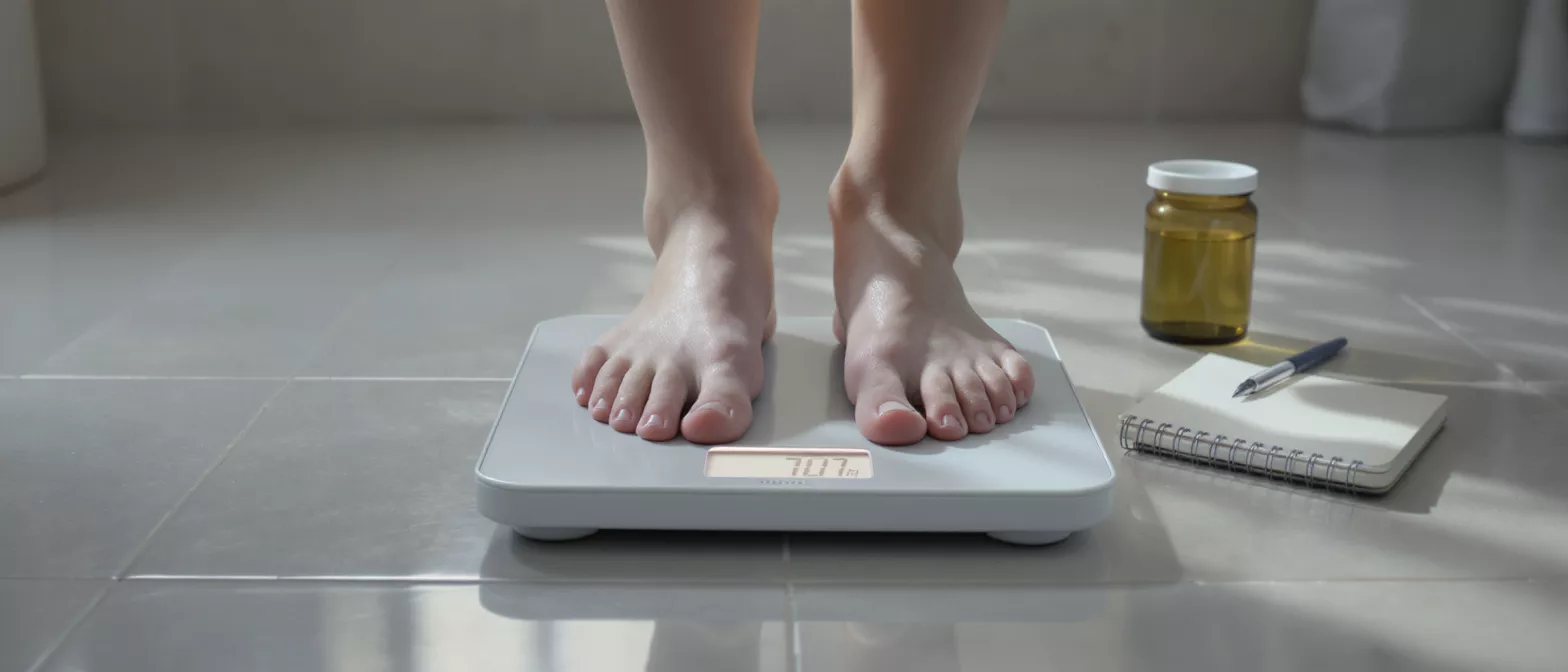
Effective heart failure weight monitoring routine: Always weigh yourself first thing in the morning, right after waking up. Use the bathroom, do not eat or drink anything, and wear the same type of light clothing—or nothing at all. Step onto the scale, record the number in a dedicated logbook, and look for patterns over a few days rather than obsessing over a single data point.
Consistency is the key to catching fluid overload early. If you notice a steady upward trend over three days, even if it hasn't hit the strict danger threshold yet, contact your healthcare provider. Early intervention prevents hospital readmissions and keeps your cardiac recovery moving forward smoothly.
When should you call your cardiac surgeon?
Postoperative recovery involves a partnership between the patient and the surgical team. Knowing when to pick up the phone is critical. Not every fluctuation is an emergency, but certain signs indicate that your heart is struggling to manage its workload and requires professional adjustment.
Warning signs requiring immediate medical attention: If you experience shortness of breath that wakes you from sleep or prevents you from lying flat, seek help immediately, as this indicates pulmonary edema. Combined with a sudden weight jump, this requires urgent evaluation to prevent severe heart failure.
Ultimately, trusting your instincts is paramount. If you feel something is wrong—whether it is unusual fatigue, a persistent cough, or rapid swelling—contact Dr Molina's team. Early communication is always preferable to waiting, ensuring your journey to full cardiac health remains safe and uncomplicated.






