Aortic Valve Replacement Recovery: The First Weeks Home
Aortic valve replacement recovery week by week: what to expect at home after surgery, from sternum healing to returning to normal activities.
What is aortic valve replacement recovery
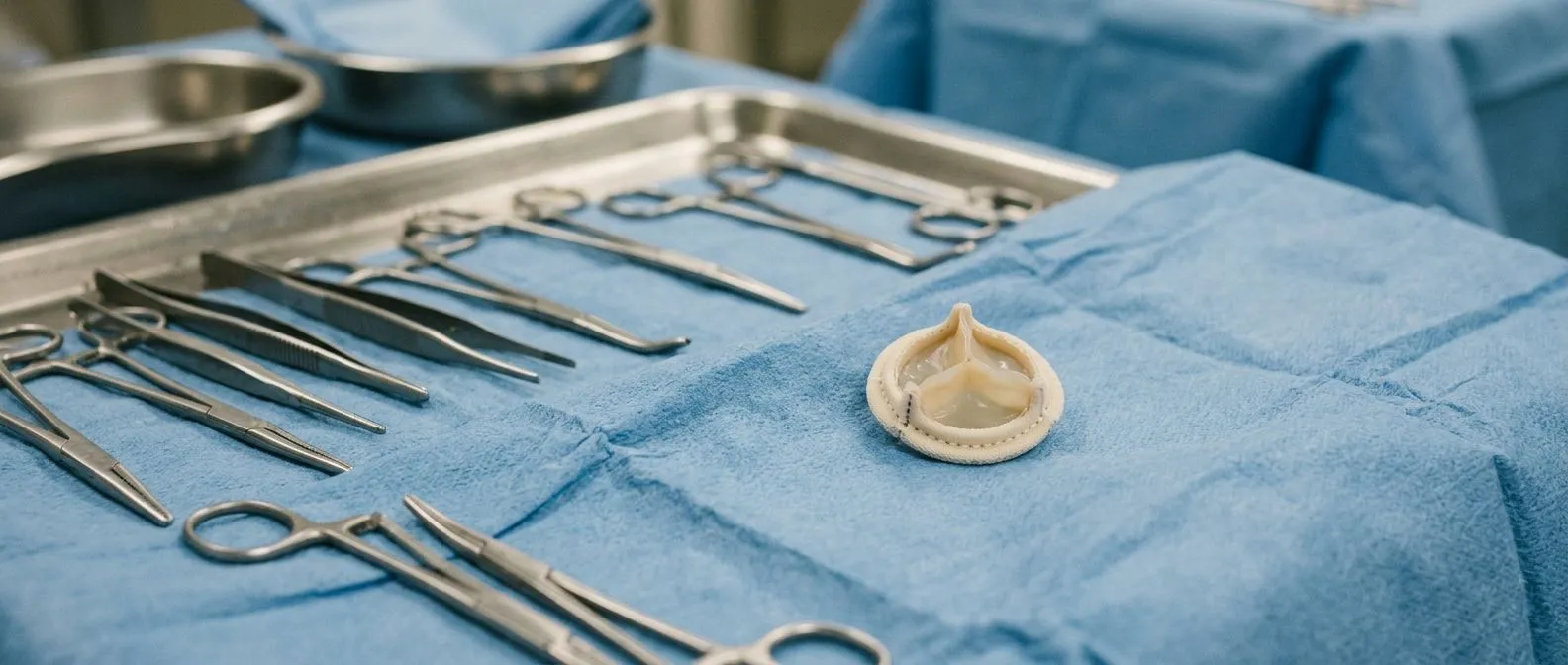
Understanding the aortic valve replacement recovery process begins with recognizing how the heart adapts after a major intervention. The aortic valve acts as a gateway between the left ventricle and the Ascending Aorta, ensuring blood flows efficiently to the rest of the body. When this valve becomes narrowed or leaky, replacing it restores normal hemodynamics, but the surrounding tissues, including the Atrium, need time to adjust to the new physiological state. Your recovery timeline depends heavily on your baseline health, the surgical approach used, and the specific anatomical repairs required during the operation.
Patient experience in the first few days: You will likely spend the initial hours in the intensive care unit, where medical staff closely monitor your vital signs. During this time, you might have an array of lines and monitors attached to you, which can feel overwhelming but are entirely routine for the surgical team. The focus here is on stabilizing your heart rhythm, managing pain, and ensuring your lungs are expanding fully to prevent pneumonia. While it is natural to feel fatigued and disoriented, these early milestones are the foundational steps of a successful cardiac recovery.
The journey does not end when you leave the hospital; in fact, home care after heart valve surgery represents the longest phase of healing. Patients traveling from abroad to Guadalajara, Querétaro, or Hermosillo for cardiac care often stay locally for the first couple of weeks to ensure they remain close to their surgical team. This proximity allows for immediate evaluation if any early postoperative concerns arise. By understanding the physiological mechanisms at play, you can approach your healing with realistic expectations and a structured plan.
Sternum healing after heart surgery
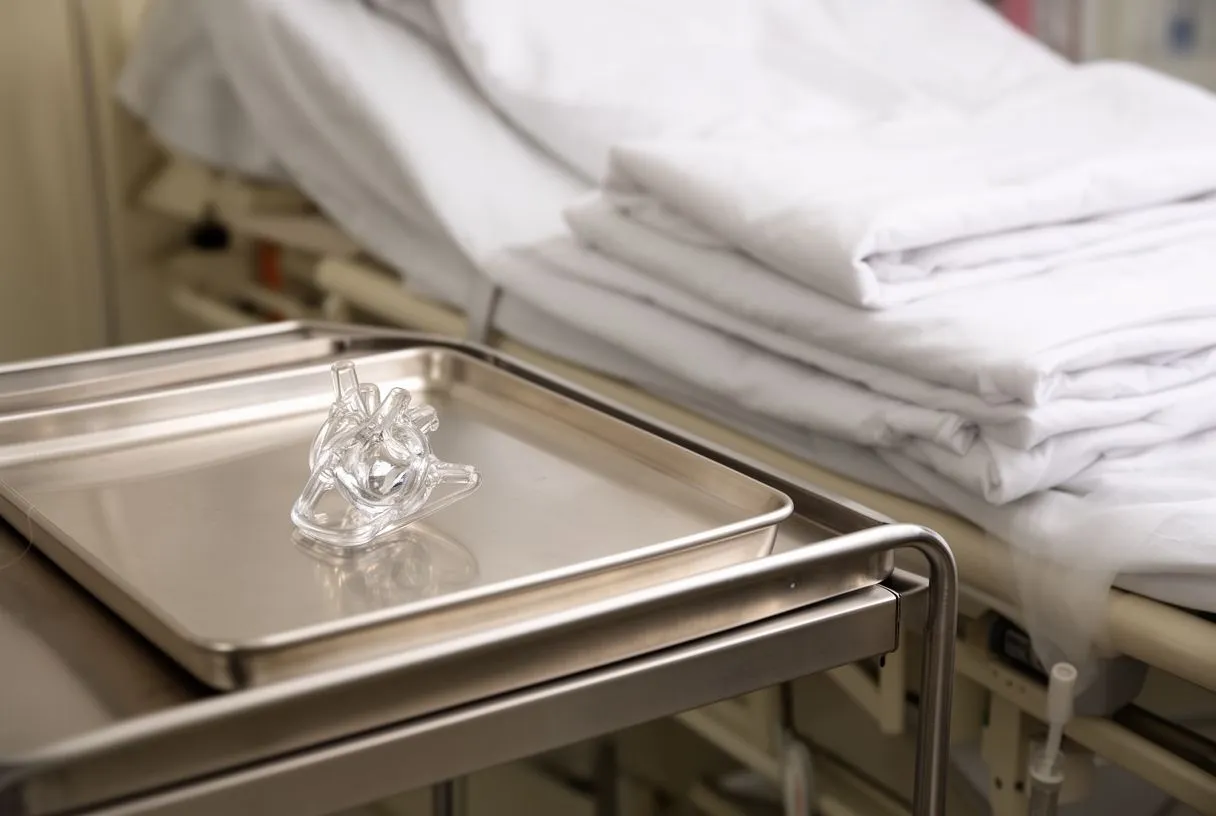
For patients undergoing a traditional sternotomy, the breastbone is wired back together, requiring strict precautions during the aortic valve replacement recovery period. The sternum is a thick, vascular bone, but it takes approximately six to eight weeks to achieve solid clinical union. During this window, any sudden twisting, pulling, or heavy lifting can jeopardize the healing process, leading to instability or chronic pain. Your surgical team will provide specific weight-lifting restrictions, usually advising against lifting anything heavier than five to ten pounds, to protect the surgical site.
Bone graft alternatives and biological healing: In some complex reconstructive cases, surgeons might utilize an Autograft or manage bleeding with salvaged Autologous Blood to minimize donor exposures. While the valve itself may be mechanical or biological, the bone healing process relies on your body's natural inflammatory and remodeling phases. Calcium and vitamin D intake become vital during this period, supporting the cellular activity required to knit the bone back together. Discomfort at the incision site is expected, but sharp, tearing pain is not, and should be reported immediately.
Adhering to sternal precautions is arguably the most critical aspect of early recovery, even more so than returning to cardiovascular exercise. Simple adjustments, like using a small pillow to splint your chest when coughing, can drastically reduce pain and prevent dehiscence. Patients should sleep on their back for the first few weeks and avoid sleeping on their stomach or sides until cleared by their physician. These conservative measures, while sometimes frustrating, are temporary safeguards that ensure the bone heals with the lowest risk for your situation.
Aortic valve replacement recovery week by week
Tracking your aortic valve replacement recovery week by week provides a helpful framework for gauging your progress and setting realistic expectations. In the immediate postoperative phase, usually spanning weeks one and two, the primary focus is pain management, wound care, and gentle mobilization. You may still have some residual effects from monitoring lines, such as an Arterial Line or an Arterial Cannula used during cardiopulmonary bypass, leaving minor bruising or tenderness. Walking short distances around your home several times a day is encouraged to prevent blood clots and improve lung capacity.
Weeks three through six milestones: As you enter the second month, the fatigue begins to lift, and your functional capacity noticeably improves. Patients often transition from needing daytime naps to sustaining energy through the afternoon, though you must still respect your body's limits. Incision tenderness should progressively diminish, transitioning from a sharp sting to a mild itch as the nerves regenerate and the skin heals. This is typically the window where you might begin to wean off stronger prescription pain medications and rely on over-the-counter alternatives, provided your surgeon agrees.

By week six, most patients undergo a follow-up evaluation, which may include imaging and a review of your functional status. If the sternum appears to be healing well, your physician will gradually lift lifting restrictions and clear you to begin formal cardiac rehabilitation. It is important to remember that healing is not perfectly linear; a day of increased fatigue or mild swelling does not mean you have failed, but rather that you need to pace yourself. Consistent, gentle progression is the safest path back to your normal routines.
- Week 1-2: Focus on wound healing, managing postoperative pain, and walking short, frequent distances inside the home.
- Week 3-4: Gradual increase in endurance, longer outdoor walks on flat surfaces, and weaning off heavy pain medication.
- Week 5-6: Follow-up clinical review, clearance for light lifting, and enrollment in a structured cardiac rehabilitation program.
Minimally invasive and TAVR recovery differences
Not all valve replacements require a full sternotomy, and the surgical approach drastically alters the aortic valve replacement recovery timeline. Minimally invasive techniques, which use smaller incisions between the ribs, reduce surgical trauma and blood loss, often leading to shorter hospital stays and quicker returns to daily activities. Transcatheter aortic valve replacement (TAVR) is even less invasive, threading a new valve through a blood vessel, frequently in the groin, which eliminates the need to cut through bone entirely. The choice between these approaches depends on your specific anatomy, age, and overall risk profile.
Understanding transcatheter options: Before a definitive valve replacement, some patients undergo preliminary procedures like Balloon Aortic Valvuloplasty to temporarily stretch the narrowed valve. When a permanent solution is placed via TAVR, the surgeon often deploys a Balloon-expandable Valve, which is inflated within the diseased native valve, pushing the old leaflets aside. Techniques similar to Balloon Angioplasty are used to navigate the catheter safely through the vasculature to the heart. Because there is no sternal incision, patients undergoing TAVR typically resume normal activities within a week or two, bypassing the strict sternal precautions required after open surgery.
While the physical recovery from minimally invasive approaches is faster, the cardiovascular adaptation remains significant. Your heart must still recalibrate to the sudden improvement in blood flow, which can occasionally cause fluctuations in blood pressure or heart rate. Research compiled by Europe PMC highlights that less invasive techniques offer lower immediate surgical risks for high-risk populations. Regardless of the method, long-term surveillance is mandatory to ensure the new valve functions correctly over time.
Pain management and arm pain after surgery
Effective pain control is a cornerstone of aortic valve replacement recovery, enabling you to participate fully in breathing exercises and early mobilization. Postoperative pain is typically concentrated around the chest incision, but it is also common to experience aching in the shoulders or upper back due to the positioning during surgery. Patients are often surprised by localized Arm Pain, which can stem from the positioning of the arms during the procedure or from localized nerve compression. This discomfort is usually temporary and managed with a combination of regional analgesia and oral medications.
Navigating nerve sensitivity: As the chest wall heals, you may experience hyperesthesia, a sharp, tingling, or burning sensation near the incision line where nerves were disrupted. This is a normal part of the healing cascade, though it can be uncomfortable when clothing rubs against the area. Gentle stretching, provided it does not violate sternal precautions, can help alleviate the musculoskeletal aches in the shoulders and neck. It is essential to balance pain relief with avoiding excessive reliance on opioids, which can cause constipation and sluggishness, hindering your physical progress.
Communication with your surgical team is vital if pain suddenly worsens or shifts in character, as this could indicate a deeper issue requiring evaluation. Pain should steadily decrease week by week; if it plateaus at a high level or begins to radiate down your left arm, you must seek medical advice immediately. Managing expectations around pain helps reduce anxiety, as understanding that a certain degree of discomfort is expected makes it easier to tolerate. Remember, the goal is not a painless recovery, but a manageable one that allows you to heal safely.
Signs of infection after heart surgery
Vigilance against infection is a critical component of home care after heart valve surgery. Surgical site infections, while relatively rare, can be severe if they reach the sternal bone or the newly implanted prosthetic valve. Patients must inspect their incisions daily, looking for increased redness spreading outward from the wound edges, excessive swelling, or any unexpected drainage. A low-grade fever is common in the first few days, but a persistent temperature above 38 degrees Celsius, especially accompanied by chills, warrants immediate medical contact.
Internal indicators and diagnostic steps: Sometimes, infection does not present at the skin level but manifests as deep fatigue, unexplained shortness of breath, or an Atypical Infarction that confounds initial postoperative healing. Clinicians often rely on Auscultation, listening to the heart and lungs with a stethoscope, to detect new murmurs or friction rubs that may suggest inflammation around the valve. If an infection of the prosthetic valve, known as endocarditis, is suspected, blood cultures and echocardiograms are urgently required. The presence of an aortic diameter exceeding 5.5 cm or a high EuroSCORE II preoperatively can complicate these presentations, making postoperative vigilance even more crucial.
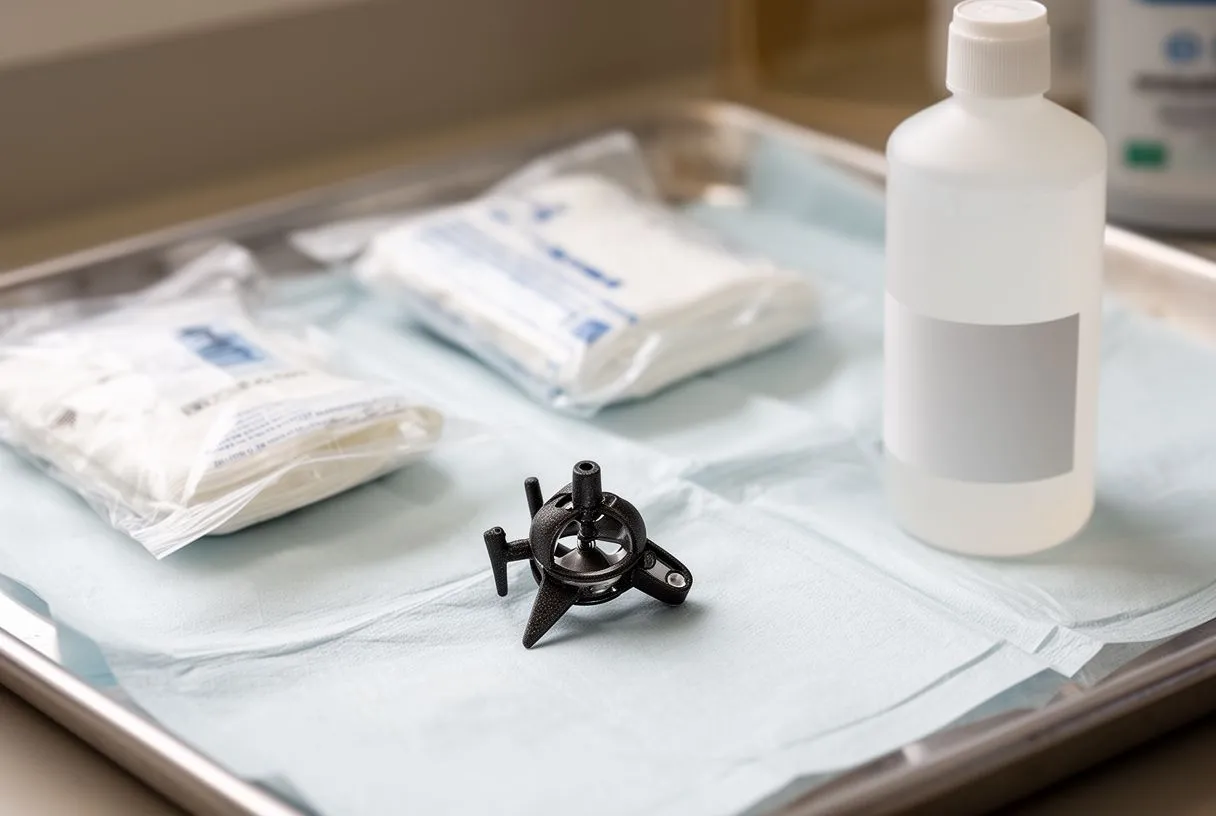
Preventing infection begins with meticulous wound care, including keeping the area clean and dry according to your surgeon's specific bathing instructions. Avoid applying lotions, powders, or ointments near the incision unless explicitly directed by your medical team. For patients managing concurrent lipid issues, maintaining optimal cardiovascular health is key, as supported by findings from the Efficacy and safety of more intensive lowering of LDL cholesterol: a meta-analysis of data from 170 000 participants in 26 randomised trials. By keeping your entire system as healthy as possible, you provide your immune system the best environment to protect the surgical site.
Aortic valve replacement recovery diet and medications
Nutrition plays a profound role in how swiftly and robustly your body heals during aortic valve replacement recovery. After surgery, your metabolism is in a heightened state of repair, demanding high-quality protein to rebuild tissues and an array of vitamins to support cellular function. Patients often experience a diminished appetite or altered taste sensation in the early weeks, a side effect of medications and the physiological stress of surgery. Focusing on nutrient-dense, easily digestible foods, and eating small, frequent meals, can help you meet your caloric needs without overwhelming your digestive system.
Cardiovascular medication management: Your discharge plan will likely include a regimen of medications designed to protect your new valve and maintain stable heart rhythms. If you have a biological valve or specific risk factors, you may be placed on Aspirin or a short course of a stronger anticoagulant to prevent clots from forming on the new hardware. Long-term management also focuses on halting the progression of underlying coronary disease by targeting Atheromatous Plaque in the arteries. Doctors frequently monitor levels of Apolipoprotein B, a primary protein in LDL cholesterol, to guide dietary adjustments and statin therapy, ensuring your new valve operates in a clean, unobstructed vascular environment.

Hydration is equally important, but patients with heart conditions must balance fluid intake to avoid overloading the circulatory system. Avoiding excessive sodium is critical to prevent fluid retention, which can strain the heart and exacerbate swelling in the legs. If you are taking diuretics, your physician will advise on maintaining appropriate potassium levels, often through diet. A balanced, heart-healthy diet is not just a short-term recovery tool, but a lifelong commitment to protecting your surgical investment and overall cardiovascular health.
- High Protein: Incorporate lean meats, fish, and legumes to support tissue repair and sternal healing.
- Low Sodium: Limit salt intake to less than two grams per day to prevent fluid retention and high blood pressure.
- Consistency: Take all prescribed cardiac medications at the same time daily, and never stop anticoagulants without explicit physician approval.
Cardiac rehabilitation after valve replacement
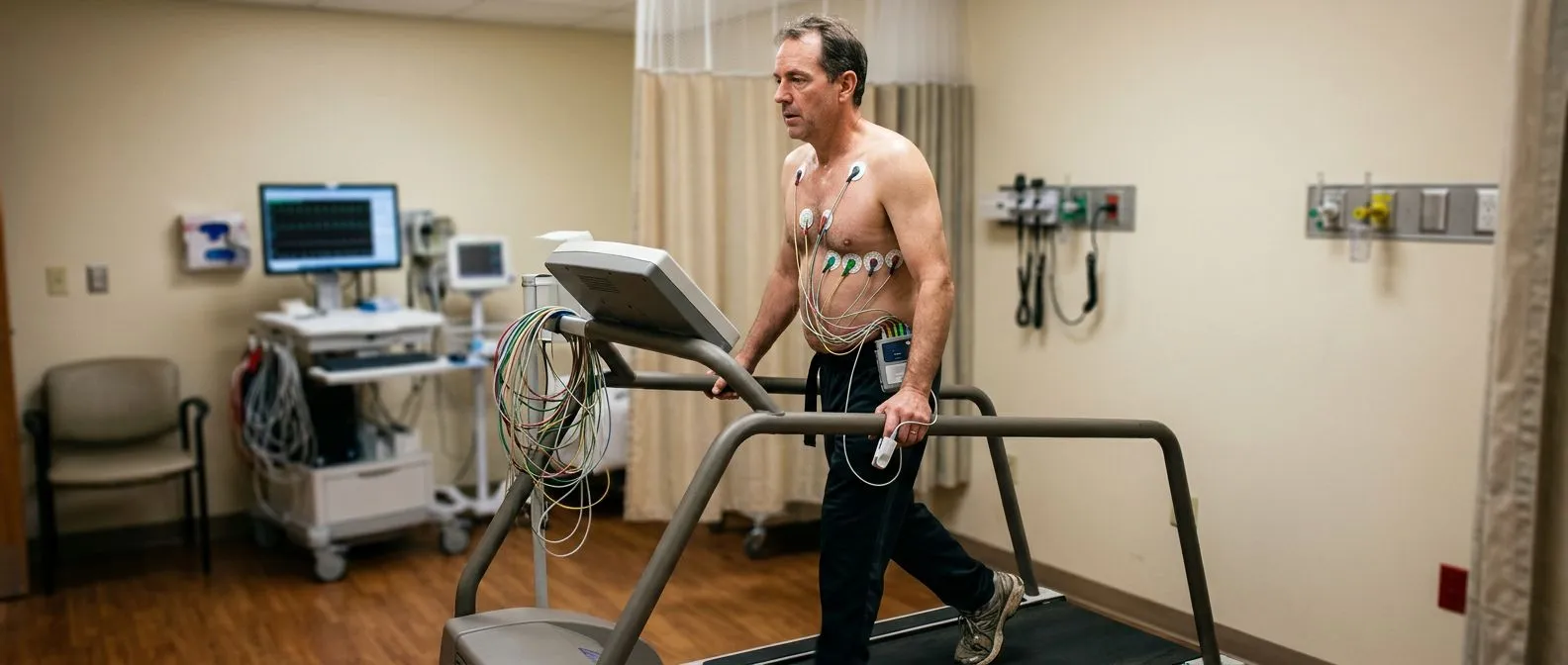
Structured cardiac rehabilitation is the bridge between surviving surgery and regaining a vibrant, active life during aortic valve replacement recovery. These supervised programs combine monitored exercise, education, and emotional support, tailored specifically to your surgical procedure and baseline fitness. Beginning typically four to six weeks post-discharge, rehab allows clinicians to observe your heart's response to increasing physical exertion in a safe environment. This monitoring is crucial for identifying any arrhythmias or blood pressure irregularities before they become problematic at home.
Managing rhythm disturbances: It is not uncommon for the heart to experience electrical hiccups as it heals, with Atrial Flutter being a recognizable rhythm disturbance postoperatively. Cardiac rehab staff are trained to identify these rhythms, sometimes utilizing an Automated External Defibrillator in emergency scenarios, though routine exercise rarely triggers such severe events. The psychological benefits of rehab are equally profound, as exercising alongside other cardiac patients reduces the anxiety associated with postoperative physical exertion. Trusting your repaired heart under supervision gives you the confidence to eventually transition to independent exercise.
The progression in cardiac rehab is gradual, moving from low-intensity walking to more sustained aerobic conditioning and light resistance training. Comprehensive rehabilitation principles, akin to those outlined in the Guidelines for the Early Management of Patients With Acute Ischemic Stroke regarding structured recovery, emphasize individualized assessment and incremental milestones. Completing a full course of cardiac rehabilitation has been shown to significantly reduce long-term mortality and improve quality of life. It is an investment in your future that pays dividends in longevity and functional independence.
Returning to work and driving after surgery
Resuming normal responsibilities is a major psychological milestone in aortic valve replacement recovery, but it must be approached with medical clearance. The timeline for returning to work heavily depends on the physical demands of your job and the type of surgery you underwent. Patients with sedentary jobs may return to part-time work within four to six weeks, while those engaged in heavy manual labor may need up to three months to ensure the sternum is fully healed. Rushing back to a demanding occupation can risk complications and undo the progress made during early recovery.
Driving restrictions and safety: One of the most common questions patients ask is when they can get behind the wheel again. Most surgeons recommend waiting at least four weeks after open-heart surgery before driving, primarily because sudden braking or turning could disrupt the healing sternum. Additionally, the impact of a deployed airbag in a minor collision could cause catastrophic damage to a recently repaired chest. For patients on complex anticoagulation regimens, clinical trials such as ARISTOTLE provide the framework for balancing stroke prevention with bleeding risks, an essential consideration for overall safety and mobility. If your commute involves navigating heavy traffic or operating commercial vehicles, the waiting period may be extended for your protection.

Transitioning back into professional life should be done incrementally, starting with half-days or remote work if possible. Fatigue can creep up unexpectedly in the afternoon, making a full eight-hour shift difficult to sustain initially. If your job requires significant physical exertion, your surgeon may order a functional capacity evaluation to ensure your cardiovascular system can handle the workload. Communicating openly with your employer about temporary modifications allows for a safer, less stressful reintegration into the workplace.
Long-term outlook and follow-up care
The long-term success of your aortic valve replacement recovery depends on lifelong medical surveillance and a commitment to heart-healthy habits. Even after you feel completely healed, the prosthetic valve requires regular monitoring to ensure it remains structurally sound and free of obstruction or leakage. Your cardiologist will schedule routine echocardiograms, usually annually, to visualize the valve in action and assess the size of your heart chambers. This ongoing evaluation catches minor issues before they evolve into significant clinical problems.
Preparing for future medical needs: As you age, you may require other medical interventions, making it vital to inform all healthcare providers about your prosthetic valve. In severe emergencies involving profound respiratory or cardiac failure, critical care teams might utilize Awake ECMO to oxygenate blood outside the body, a scenario where knowing your valve history is critical. Sometimes, secondary vascular issues arise, requiring the placement of an Arterial Graft to bypass blockages in other vessels. Maintaining a detailed medical record and carrying a valve identification card ensures any treating physician understands your unique anatomy and surgical history.
Your journey does not end with physical healing; it marks the beginning of a sustained partnership with your cardiac team. By adhering to prescribed medications, attending all follow-up appointments, and maintaining a proactive stance on cardiovascular wellness, you can expect an excellent long-term outcome. If you or a loved one are preparing for valve surgery or navigating the complexities of postoperative care, we encourage you to discuss your specific situation with a qualified cardiac team. Please book a consultation with our practice to receive a personalized recovery plan tailored to your unique needs and surgical history.