Bicuspid Aortic Valve in Adults: When to Worry
Bicuspid aortic valve adults need early monitoring for aneurysm and stenosis risks.
A bicuspid aortic valve in adults is the most common structural heart condition people are born with, and many adults only learn they have it during a routine check-up. Instead of the usual three leaflets that open and close with every heartbeat, the aortic valve has two. That difference sounds small. Over decades, though, it changes how the valve wears, how the aorta behaves, and which decisions you may face. This guide walks through symptoms, monitoring, complications, and treatment options in plain language, so you know what to ask and when to act.
What Is a Bicuspid Aortic Valve in Adults?
How the valve is built. The aortic valve sits between the left ventricle, the heart's main pumping chamber, and the aorta, the large artery that carries blood to the body. Most people have three thin leaflets that fold open and snap shut tens of millions of times over a lifetime. In a congenital bicuspid aortic valve in adults, two leaflets formed instead of three, sometimes with a fused seam called a raphe where two leaflets never separated.
Why two leaflets work harder. Three leaflets share the workload evenly. Two leaflets take the same pressure across fewer surfaces, so they flex and rub differently with every beat. This is why the condition is not just a valve problem. The valve, the first stretch of the aorta, and sometimes the whole ascending aorta are affected together, a pattern doctors call aortopathy.
How common it is. Roughly one to two in every hundred people are born with a bicuspid valve, and men are affected more often than women. Many people reach middle age without knowing. Others discover it in childhood or through an echocardiogram ordered for a heart murmur. Knowing your anatomy early gives you the best chance to protect the valve and the aorta before problems develop.
How Serious Is a Bicuspid Aortic Valve?
The honest answer. A bicuspid aortic valve is serious enough to require lifelong attention, but not serious enough to change your life today in most cases. The seriousness depends on three things: whether the valve is leaking or narrowing, whether the aorta is widening, and how quickly either is changing. A stable valve with a normal aorta may need nothing more than regular imaging.
What can go wrong if it is ignored. Over years, the valve can stiffen and narrow, a condition called aortic stenosis. It can also leak backward, which is aortic regurgitation, sometimes described as aortic insufficiency. The aorta itself can stretch into an aneurysm, and in rare advanced cases this can lead to aortic dissection, a tear in the artery wall that is a true cardiovascular emergency. None of these appear overnight, which is exactly why scheduled monitoring matters so much.
Sex differences are real. Research shows the valve disease and aortopathy associations of bicuspid aortic valve phenotypes differ between men and women, and Open Heart published one of the detailed analyses of these differences. Women may develop different patterns of leakage and aortic involvement, so imaging and follow-up should never be one-size-fits-all. In our consulting rooms we review each patient's valve and aorta individually, because the same diagnosis behaves differently from one person to the next.
Bicuspid Aortic Valve Symptoms Adults Should Notice
Most adults have no symptoms at all. This is the hardest part of the condition to accept. Bicuspid aortic valve symptoms in adults usually appear only after the valve has narrowed or leaked significantly, or after the aorta has enlarged. A person can feel completely well while changes are quietly progressing on an echocardiogram. That is why screening, not symptoms, drives the schedule of care.
The murmur that gives it away. A bicuspid valve heart murmur in an adult is often the first clue. The abnormal flow across two leaflets creates a sound a doctor hears with a stethoscope, typically during a routine exam for something unrelated. Other early signs can include an unusually strong or pounding heartbeat in the chest, or feeling your pulse more forcefully in the neck.
Warning signs that need same-week attention. When the valve or aorta has progressed, symptoms finally surface, and they matter. Contact a cardiac team promptly if you notice any of these:
- Breathlessness: becoming short of air on activity you used to manage easily, such as climbing one flight of stairs.
- Chest pressure: tightness or heaviness during exertion, which may signal the valve is narrowing.
- Sudden tearing pain: severe pain in the chest or back that starts abruptly can indicate aortic dissection and needs emergency care, not a scheduled appointment.
- Fainting or near-fainting: especially during exercise, which is never something to wait out.
Do not self-diagnose from a list. These symptoms overlap with many benign conditions. The point of knowing them is not to worry, but to convert a vague feeling into a concrete question you can bring to a cardiologist with your echo results in hand.

Aortic Stenosis and Bicuspid Valve in Adults: What Changes Over Time
Narrowing is the most common late problem. Aortic stenosis in a bicuspid valve in adults tends to appear one to two decades earlier than it does in valves with three leaflets. Calcium builds up on the leaflets over the years, stiffening them until they no longer open fully. The heart then pumps against a smaller opening, which thickens the heart muscle and eventually causes the symptoms described above.
Leakage is the other pathway. Some bicuspid valves fail in the opposite direction: the leaflets do not close cleanly and blood flows backward into the heart with every beat. This volume overload slowly enlarges the left ventricle. The valve itself can also become infected, a condition called endocarditis, which is one reason good dental care matters for anyone with a known valve problem.
Why the aorta is part of the conversation. The same wall abnormality that produced two leaflets can extend into the aortic root and ascending aorta. Studies of ascending aortic aneurysms in bicuspid aortic valve patients have found unique patterns of elastin degradation in the artery wall, reported in work indexed through Atlantis Press. In simple terms, the tissue that should let the aorta stretch and recoil is structurally weaker, which is why valve decisions and aortic measurements must always be reviewed together. Because the valve and the aorta are linked, both measurements should be reviewed together at every visit rather than treating the valve in isolation.
Aortic Root Dilation With a Bicuspid Valve: The Aneurysm Question
What dilation actually means. Aortic root dilation with a bicuspid valve means the first portion of the aorta, where it leaves the heart, is wider than it should be. Measured on an echocardiogram or CT scan, the diameter is tracked in centimeters and compared over time. A root that measures 4.0 cm this year and 4.1 cm next year is different from one that jumped to 4.8 cm, and the growth rate often matters more than any single number.
The thresholds that drive decisions. International guidelines, summarized by sources such as Oxford Academic, generally recommend considering preventive aortic surgery when the ascending aorta reaches about 5.5 cm in an adult with a bicuspid valve, and at smaller diameters when there is a family history of dissection or rapid growth. These numbers are not verdicts. They are thresholds that trigger a careful, individualized discussion.
Rapid growth changes everything. If the aorta grows more than a few millimeters per year, or if you have a relative who suffered an aortic dissection, your team will lower the threshold for acting. Thoracic aortic aneurysms in bicuspid patients grow at different rates, which is why the interval between scans is tailored rather than fixed. Every case is reviewed by our multidisciplinary team against international practice guidelines before we recommend anything, and the proposal you receive lists the alternatives alongside it.
Bicuspid Aortic Valve Monitoring Guidelines: What Screening Looks Like
Annual screening is the backbone. Bicuspid aortic valve monitoring guidelines are straightforward: an echocardiogram at least every one to two years to measure valve function, the aortic diameter, and the heart's pumping strength. The exact interval depends on how close you are to any threshold. A patient with a stable valve and a normal aorta may be seen every two years; one with a 5.0 cm aorta may need imaging every six months.
What the tests actually show. A typical screening visit includes several simple studies:
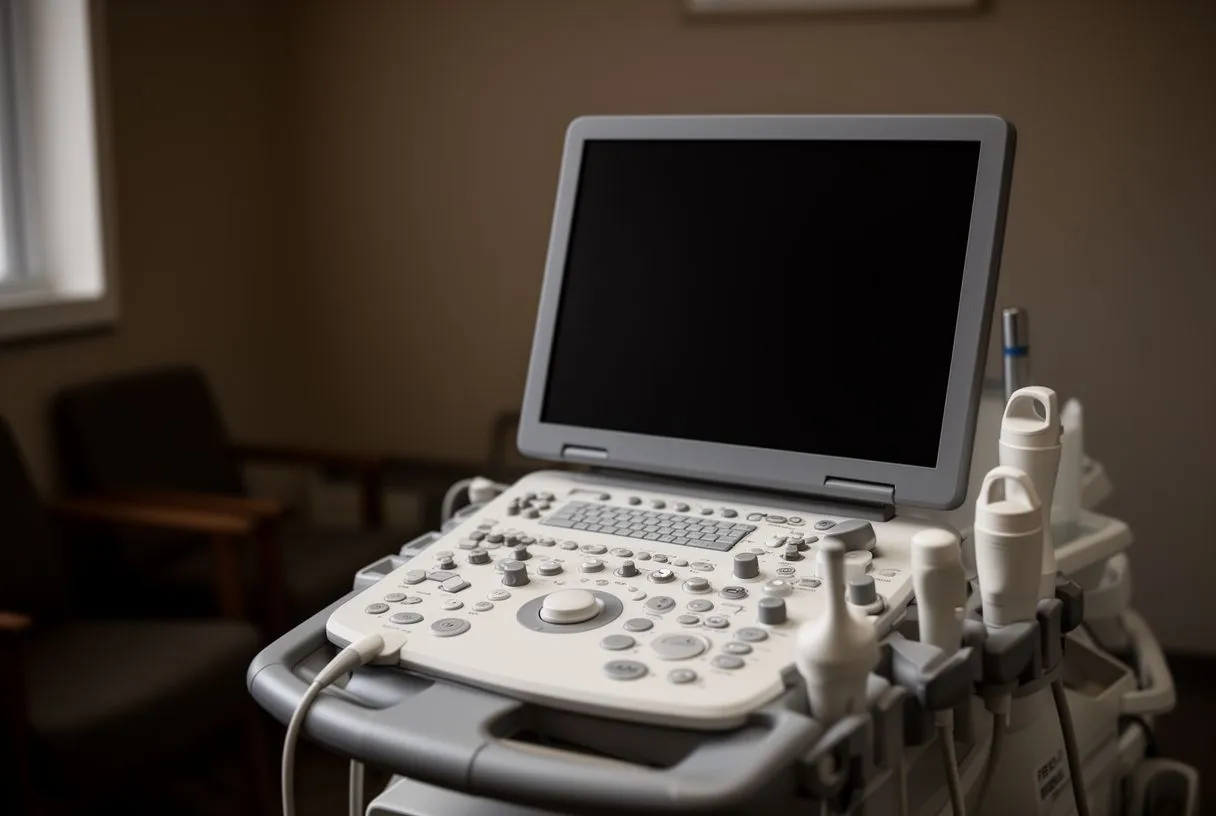
- Echocardiogram: an ultrasound of the heart, painless and radiation-free, that measures the valve opening, any leakage, and the aortic root and ascending aorta diameters.
- CT or MRI scan: ordered when the aorta needs more precise measurement or when surgery is being planned, usually every few years rather than annually.
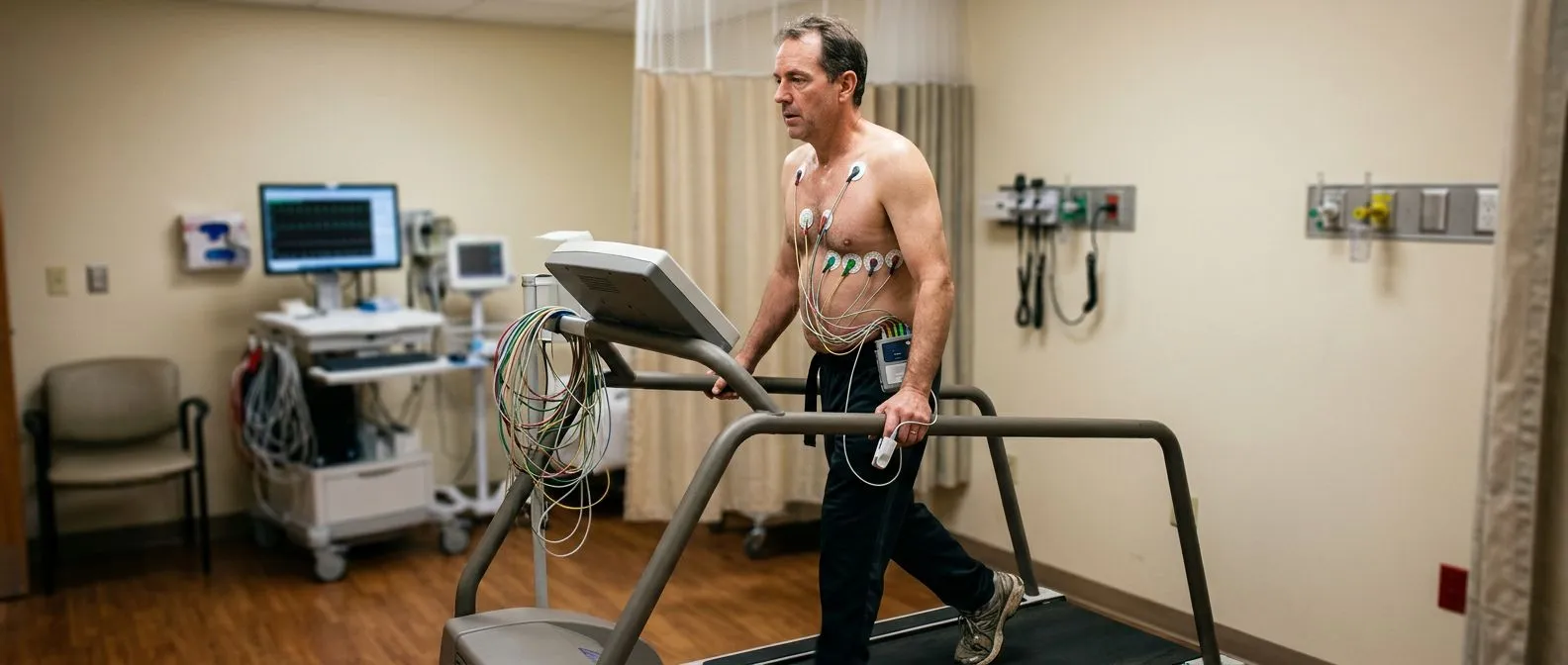
- ECG and exercise test: to check heart rhythm and see how the heart responds to effort, especially if you have symptoms.
- Blood pressure control: not a test but a habit, because keeping blood pressure at goal is one of the few things that protects the aorta day to day.
Your job between visits. Keep a simple record of your aortic diameter and valve function from each echo. Bring the numbers with you. At the first consultation we explain what each study actually shows, in plain words, and we tell you which studies are still needed so no unnecessary tests are ordered. A patient who understands their own trend is a safer patient than one who only hears a summary once a year.
Bicuspid Aortic Valve Life Expectancy: With and Without Surgery
The reassuring part first. Bicuspid aortic valve life expectancy is essentially normal for most people who are diagnosed, monitored, and treated at the right time. Many adults with a bicuspid valve never need surgery at all. Others reach their fifties or sixties with a valve that has slowly narrowed and are treated successfully, going on to live full lives afterward.
What happens without monitoring. Life expectancy without surgery depends entirely on what the valve and aorta are doing. Someone with mild leakage and a normal aorta who skips follow-up for ten years may be fine. Someone whose aorta quietly grew to 6 cm in that time is carrying a serious risk, because aortic dissection in an unmonitored aneurysm is the scenario the whole screening program exists to prevent. The condition itself is not a countdown; neglect is what shortens the timeline.
Can you live a long life with a bicuspid aortic valve? Yes, and the medical literature and patient experience agree on this. The people who do best share a pattern: they know their diagnosis, they keep their imaging appointments, they control their blood pressure, and they act when their team recommends intervention. The patients who ask the most questions, not the ones with the mildest scans, are often the ones who navigate this condition with the least anxiety.
Bicuspid Aortic Valve Replacement vs Repair: When to Operate
When surgery becomes the recommendation. Bicuspid aortic valve replacement vs repair comes down to how the valve is failing and what your goals are. Surgery is generally recommended once the valve is severely narrowed or severely leaking and causing symptoms, or earlier in specific situations: a significantly enlarged aorta, declining heart function, or rapid progression. Do all people with a bicuspid aortic valve need surgery? No. A substantial share never do, and others only need it decades after diagnosis.
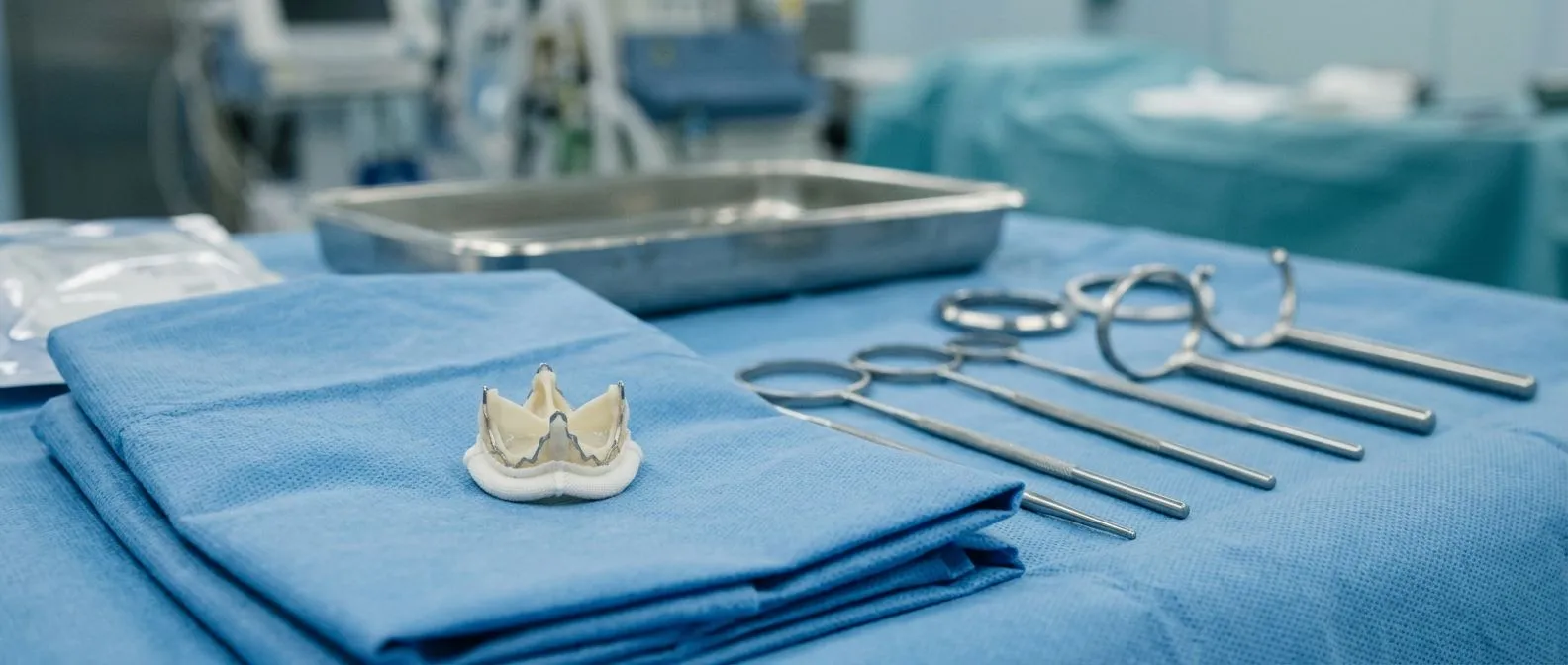
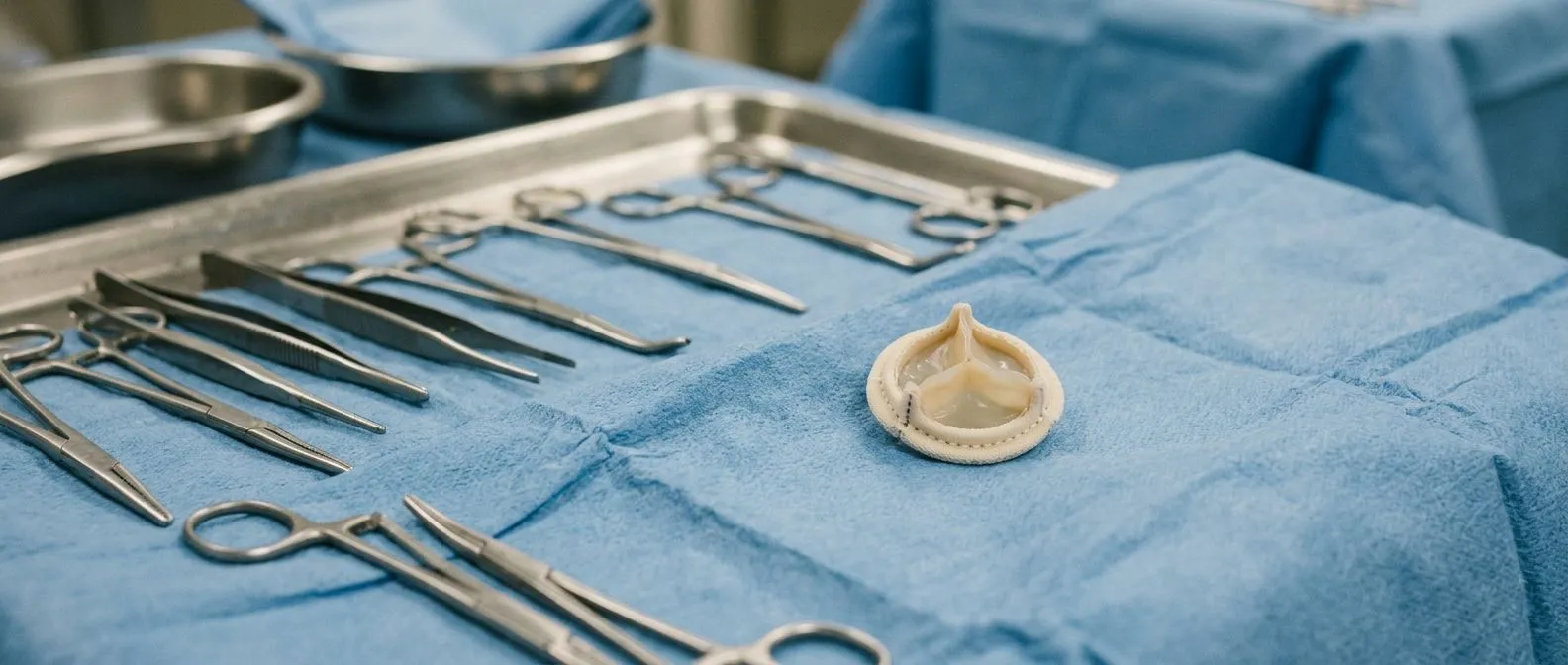
Replacement: the standard route. Conventional aortic valve replacement uses a tissue valve or a mechanical valve, performed through open surgery with an aortic cross-clamp and cardiopulmonary bypass, or through smaller incisions with minimally invasive techniques. In some cases a stentless valve or a supra-annular valve design is chosen to improve flow characteristics. For patients who already have a degenerated bioprosthetic valve, a valve-in-valve transcatheter procedure can refresh it without reopening the chest.
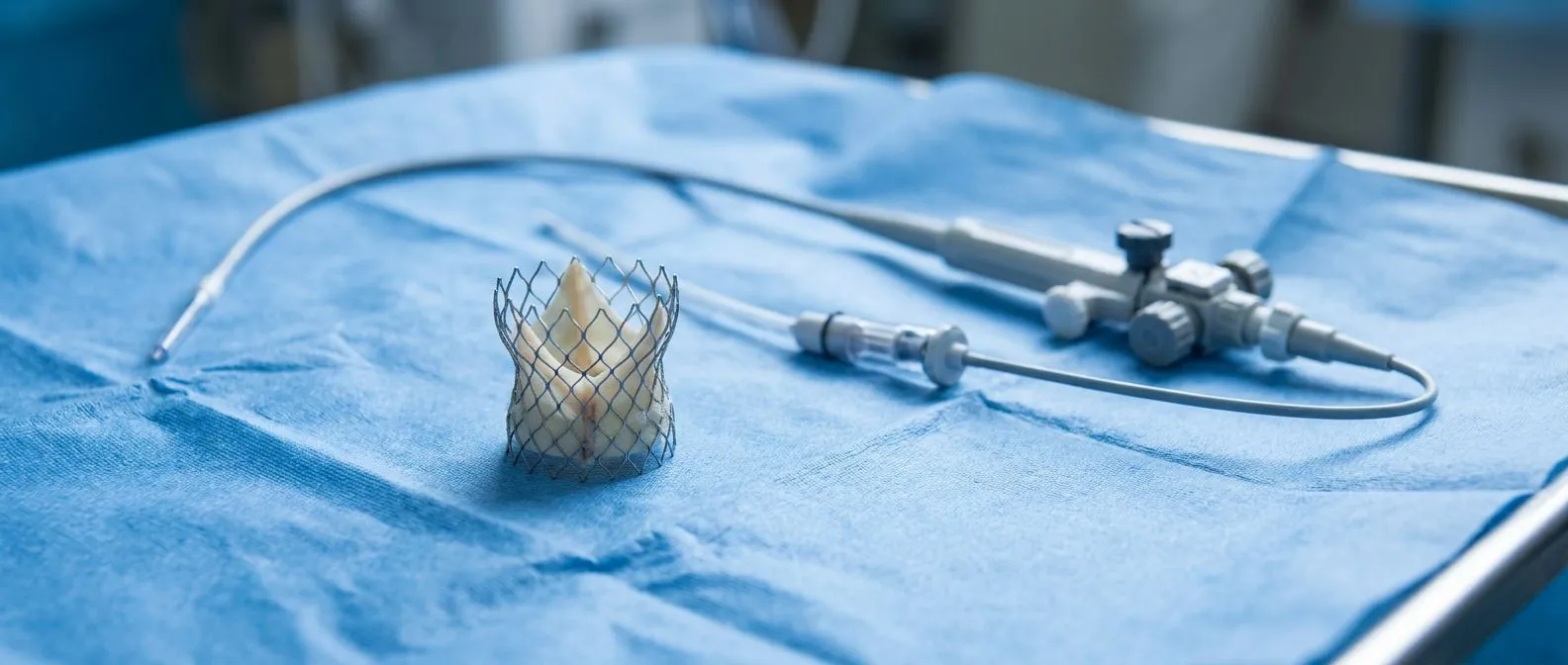
TAVR and the less invasive options. Transcatheter aortic valve replacement, always called TAVR, delivers a new valve through a catheter, usually from the groin, without opening the chest. Its role in bicuspid valves has grown as evidence accumulates, though the two-leaflet anatomy makes each case more technical than a three-leaflet valve. Our team performs conventional, minimally invasive, robotic and transcatheter procedures, and we recommend the less invasive route only where the evidence supports it for that specific patient.
Repair and preservation. Some bicuspid valves can be surgically reshaped and repaired rather than replaced, which avoids the lifelong anticoagulation a mechanical valve requires and may offer better long-term durability in selected anatomy. The decision depends on the leaflet anatomy, your age, and the aorta's condition. Careful review of the valve anatomy before proposing a repair matters, because the difference between a durable repair and an early reoperation lies in patient selection.
Bicuspid Aortic Valve Exercise Restrictions and Pregnancy Risks
Exercise: usually a green light, with limits. Bicuspid aortic valve exercise restrictions are more moderate than most patients fear. With a stable valve and a normal-diameter aorta, moderate aerobic exercise, walking, cycling and swimming are not only permitted but encouraged. Competitive or heavy isometric lifting, which spikes blood pressure sharply, is usually modified when the aorta is dilated or growing. The right answer depends on your numbers, so ask your cardiologist to clear a specific plan rather than guessing.
What to avoid with a bicuspid aortic valve. Beyond heavy straining with a dilated aorta, the short list is mostly about risk factors: untreated high blood pressure, smoking, and dental infections left untreated, since bacteria from the mouth can seed an abnormal valve. Serious viral or bacterial infections should be treated promptly. Avoiding these does not fix the valve, but it removes avoidable stress on tissue that already works harder than it should.
Pregnancy with a bicuspid valve. Bicuspid aortic valve pregnancy risks are manageable with planning. Pregnancy increases blood volume and cardiac output, which puts extra load on both the valve and the aorta. Most women with mild valve disease and a normal aorta carry a pregnancy safely with cardiology and obstetric teams working together. Those with significant stenosis, severe leakage, or a dilated aorta need a pre-pregnancy assessment, closer monitoring during pregnancy, and a coordinated delivery plan. If pregnancy is on your horizon, discuss it before conceiving, not after.

Bicuspid Aortic Valve Second Opinion and Surgery Cost in Mexico
Why a second opinion is normal here. A bicuspid aortic valve second opinion should be seen as routine, not as distrust. The decision to operate on a heart valve weighs durability, anticoagulation, invasiveness, and timing, and reasonable experts can weigh the same numbers differently. We encourage second opinions and treat seeking one as a normal part of deciding about heart surgery, and we will happily review scans from another center.
How a consultation works. The first contact is typically a free video consultation. In that first meeting we get to know the patient, talk through the condition, and say which studies are still needed so no unnecessary ones are ordered. A face-to-face visit at the consulting rooms follows when the patient decides to go ahead. Dr Molina trained in cardiothoracic surgery at the Universidad de Guadalajara, in cardiac, minimally invasive, robotic and structural surgery at the University of Montreal, and in structural cardiology and TAVR at CHU Bordeaux; the team also trained at Jena, Bad Berka and Buffalo. He performed the first robotic mitral valve repair in the Ángeles Health System and the first robotic heart surgery in Guadalajara.
Costs and finding the right surgeon. Bicuspid aortic valve surgery should not be quoted before your scans are reviewed, because the valve approach, the aortic work, and the hospital stay all change the total. Searching for a bicuspid aortic valve cardiologist near me is a reasonable first step, but what matters more is finding a team that treats the valve and the aorta together. Our consulting rooms are in Guadalajara, Querétaro and Hermosillo.
Bicuspid Aortic Valve Key Takeaways for Adults
Putting it all together. A bicuspid aortic valve in adults is a lifelong diagnosis, not a life sentence. The essentials fit on one line: get it diagnosed with an echo, keep your imaging schedule, control your blood pressure, know your aortic diameter, and act when your team recommends it. The valve itself may never trouble you, and if it does, today's options span from watchful waiting to transcatheter procedures with small incisions and short recoveries.
The one thing not to do. The most dangerous choice with this condition is drifting: missing echoes, ignoring a murmur you already know about, or postponing a recommendation without discussing it. Almost every poor outcome in bicuspid valve disease traces back to information that was available but never acted on. You do not need to be an expert. You need to be a patient who keeps appointments and asks questions.
Your next step. If you have been told you have a bicuspid valve, or you have a murmur no one has explained, bring your studies to a qualified cardiac team and book a consultation rather than trying to self-diagnose. Our multidisciplinary team, led by Dr Alejandro Molina, reviews every case together and gives you a clear proposal with the alternatives, and the final decision is always yours. The right time to have that conversation is before any symptom forces it.