Aortic Regurgitation Treatment: Medicines or Surgery
Aortic regurgitation treatment: compare medications and surgery options, guidelines for when to operate, recovery expectations, and long-term outcomes.
What Is Aortic Regurgitation and How Does It Affect the Heart?
Treatment for aortic regurgitation depends first on understanding what the condition actually is. The aortic valve sits between the heart's main pumping chamber, the left ventricle, and the aorta, the large artery that carries blood to the whole body. Normally it closes tightly after each heartbeat so blood flows forward only. In aortic regurgitation, the valve leaks, and part of that blood flows backward into the heart.
What the leak does to the heart over time. Because blood returns to the left ventricle, the chamber has to handle more volume with every beat. Over months and years it enlarges and its muscle thickens to compensate. For a long while many people feel nothing at all. Eventually, however, the pump begins to strain, and this is when symptoms appear and decisions about treatment become urgent.
Acute versus chronic leakage. Doctors distinguish chronic aortic regurgitation, which develops slowly over years, from the acute form, where the valve fails suddenly — for example after an aortic dissection, a tear in the aorta's wall, or an infection of the valve. Chronic leakage gives the heart time to adapt; acute leakage is an emergency that usually requires immediate surgery. This article focuses mainly on the chronic form, which is what most patients and families face.
Knowing your heart: the aortic valve has three thin leaflets, and understanding whether one, two or all three are involved shapes every treatment decision that follows.
What Are the Symptoms of Aortic Regurgitation — and When Should You Worry?
Early symptoms of even a moderate aortic valve leakage. Many people with mild or moderate leakage have no symptoms at all, which is why the condition is often discovered during a routine check-up. When symptoms of a moderate aortic valve leakage do appear, they tend to be subtle: a feeling of a pounding or fluttering heartbeat, especially when lying on the left side, or noticing your own pulse in the neck. These are worth mentioning to a doctor, though they do not mean you need surgery.
Symptoms that suggest severe regurgitation. As the leak becomes significant, the heart struggles to deliver enough blood with each beat. Typical signs include:
- Shortness of breath: first with exercise, later climbing stairs or lying flat in bed.
- Fatigue and reduced stamina: everyday activities feel harder than they used to.
- Low blood pressure symptoms: dizziness on standing, because the leaking valve lowers the effective pressure the heart generates — a direct answer to the common question, does aortic regurgitation cause low blood pressure.
- Swollen ankles or feet: fluid builds up when the heart can no longer keep up.
- Chest discomfort: pressure during exertion, which should never be ignored.
Severe aortic regurgitation treatment decisions usually begin once these symptoms appear, because they signal the heart is starting to fail. Patients often downplay their symptoms for years, so it helps to ask specifically about stairs, sleep and energy levels.
Any new chest pain, fainting, or sudden breathlessness warrants urgent medical attention, not a wait-and-see approach.
How Is Aortic Regurgitation Is Diagnosed and Monitored Over Time
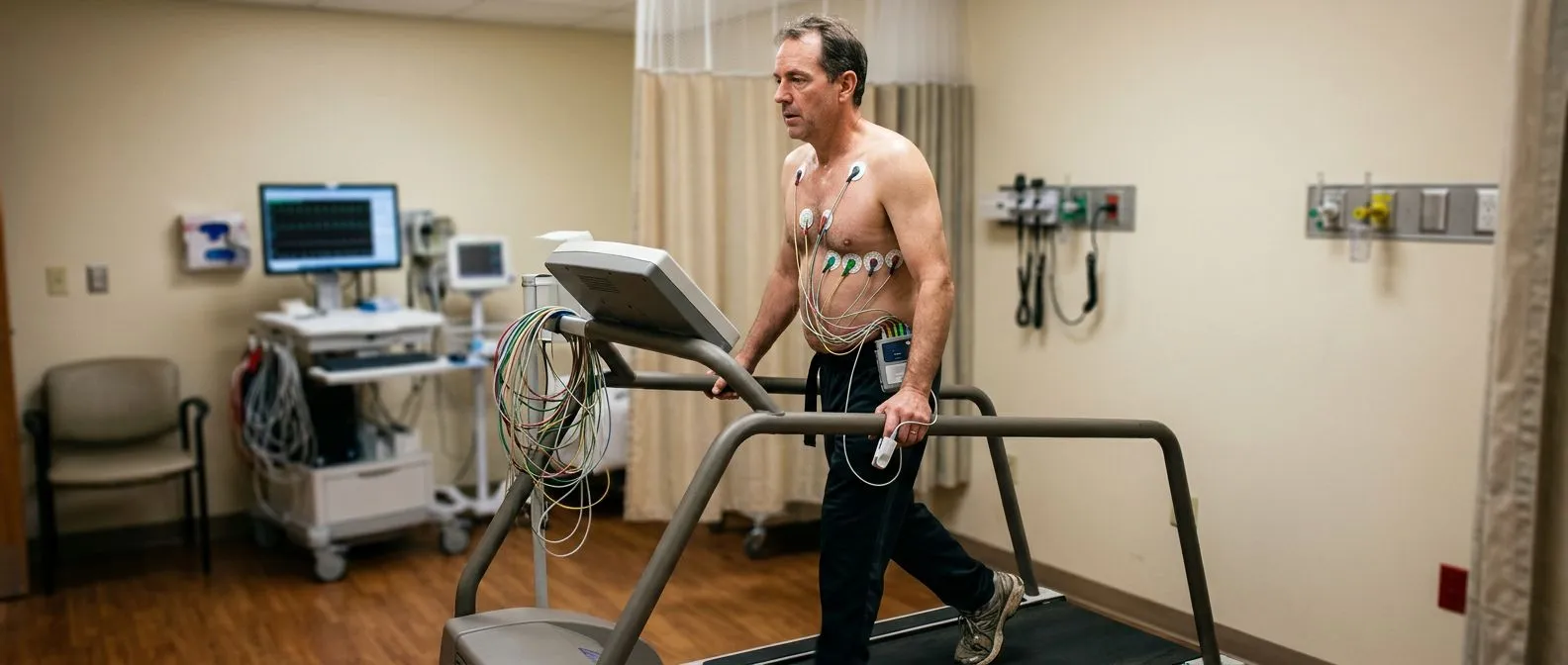
The central test: echocardiography. Diagnosis starts with an echocardiogram, an ultrasound of the heart. It shows the valve's structure, measures how much blood leaks backward, and tracks the size and pumping strength of the left ventricle. These measurements — the regurgitant volume, the ventricle's dimensions and its ejection fraction — drive every recommendation about aortic regurgitation treatment options.
Progression monitoring: why timing matters. Chronic aortic regurgitation progresses gradually, and follow-up care is built around that. A patient with mild leakage might be seen every two to three years; moderate leakage usually means yearly echoes; severe leakage with a normal pumping function typically means an echo every six to twelve months. The goal of this monitoring is simple: to catch the moment when the heart starts to enlarge or weaken, before symptoms or damage become permanent.
When causes matter, additional imaging follows. Regurgitation can arise from a bicuspid valve (a valve born with two leaflets instead of three), from aortic root aneurysm, from infection, or from enlargement of the aorta itself. When the aorta is involved, CT or MRI scans measure its diameter, because the same monitoring logic that applies to the valve applies to the vessel: a thoracic aortic aneurysm is generally considered for repair above roughly 5.5 cm, and earlier in patients with genetic conditions or a family history of aortic disease.
Every case we review is examined by the whole multidisciplinary team against international practice guidelines before we recommend anything, and the patient receives a clear proposal with the alternatives.
Treatment for Aortic Regurgitation: Medication or Surgery?
The honest answer to the medication-versus-surgery question is that they are not rivals — they apply at different stages of the same disease. Medication manages the condition while the heart still copes; surgery corrects the underlying problem once the heart begins to struggle. Understanding this distinction removes much of the anxiety families feel when they first hear the word "surgery."
What medication can and cannot do. Drugs that lower blood pressure — ACE inhibitors, angiotensin receptor blockers, or calcium channel blockers such as nifedipine — reduce the workload on the left ventricle and can delay the need for an operation in patients with severe leakage who have no symptoms yet. No medication, however, stops the leak itself. This is why searches for an aortic regurgitation natural treatment deserve a candid answer: healthy habits support the heart, but there is no supplement, diet or lifestyle change proven to close a leaking valve. Claims to the contrary should be treated with caution.
Where medication is essential even after surgery. Some patients are not surgical candidates — because of age, other illnesses, or personal choice. In those cases, medical therapy becomes the mainstay, aimed at controlling symptoms and protecting the ventricle for as long as possible. And in every patient, blood pressure control, dental care to prevent valve infection (endocarditis), and regular follow-up remain part of the plan for life.
The turning point to surgery. When the echocardiogram shows the ventricle enlarging beyond guideline thresholds, or the pumping function begins to fall, or symptoms appear, medication alone is no longer enough. At that point, correcting the valve surgically offers the best chance of protecting the heart permanently.

Aortic Regurgitation Treatment Guidelines: When Is Surgery Recommended?
Current aortic regurgitation treatment guidelines, issued by the major cardiology and cardiothoracic societies and summarized by sources such as Society of Thoracic Surgeons, are remarkably consistent. They define clear thresholds so that the decision is based on measurements, not on whether a patient happens to feel unwell that week.
Surgery is recommended when symptoms appear. Anyone with severe aortic regurgitation who has symptoms attributable to the valve should be offered surgery, regardless of how well the ventricle still pumps. Waiting for the pump to fail first is a mistake the guidelines exist to prevent.
Surgery is recommended even without symptoms, in specific cases. The thresholds most often cited are:
- Ventricle size: the left ventricle's end-systolic diameter exceeding roughly 45–50 mm (or indexed thresholds for smaller or larger body sizes).
- Pump function: the ejection fraction falling below 55%, even if the patient feels fine.
- Concurrent aortic disease: any patient undergoing aortic surgery for an aneurysm who also has at least moderate regurgitation usually has the valve addressed in the same operation.
These numbers are not arbitrary. They come from decades of evidence showing that operating before the heart degrades — rather than after — produces the best long-term results and preserves life expectancy with treatment.
In our practice, we sit with each patient and explain what the studies actually show in plain words, and we do not move forward until every question has been answered and the patient has made the final decision themselves.
Aortic Regurgitation: Repair or Replacement — Which Is Right for You?
When surgery is indicated, the next question is whether the valve can be repaired — reconstructed by the surgeon — or must be replaced with a prosthesis. Repair or replacement for aortic regurgitation is a genuinely important choice, and the answer depends on why the valve leaks.
When repair is possible. If the leak comes from a stretched annulus (the ring where the valve sits) or from prolapsing leaflets in an otherwise healthy valve, repair can preserve the patient's own tissue. Aortic valve repair or valve-sparing root replacement is particularly attractive in younger patients, because a repaired native valve avoids the need for lifelong blood thinners and may last longer than a biological prosthesis. Repair demands special expertise, so outcomes vary significantly between centers.
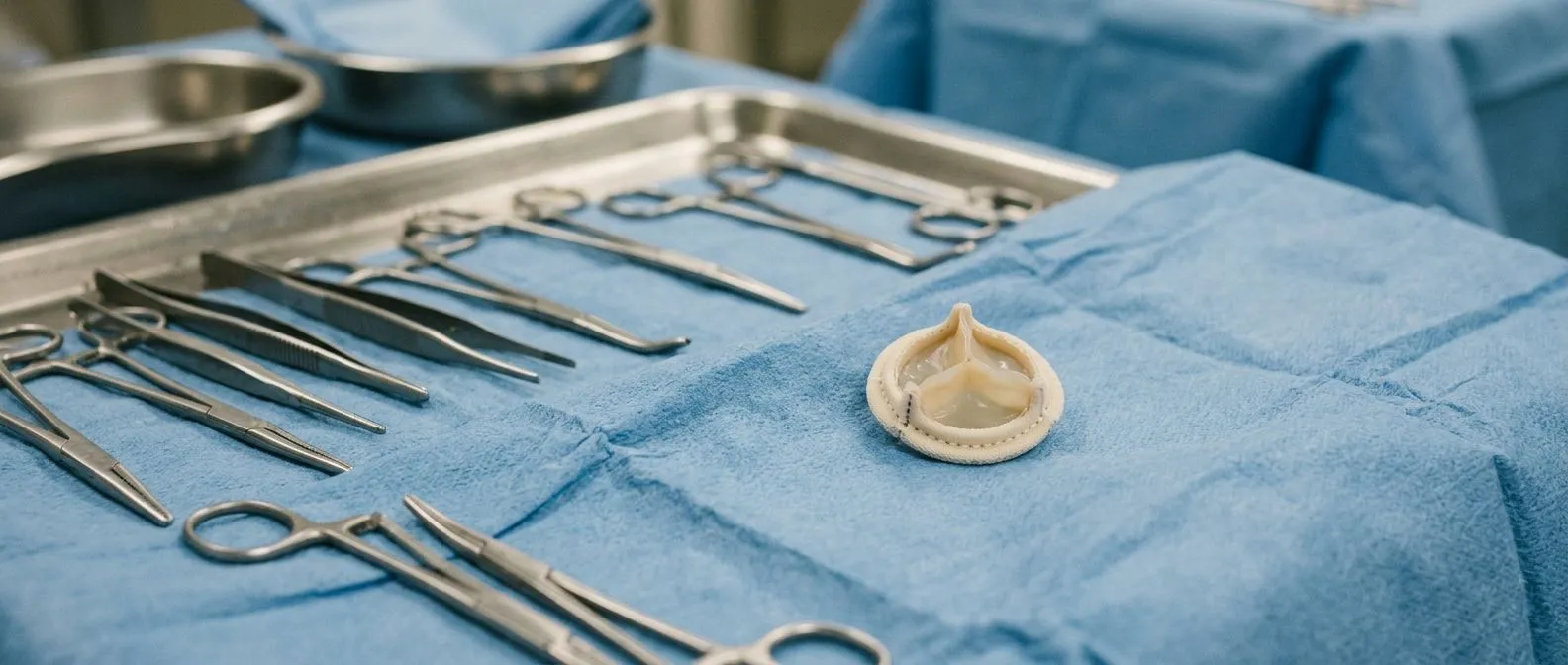
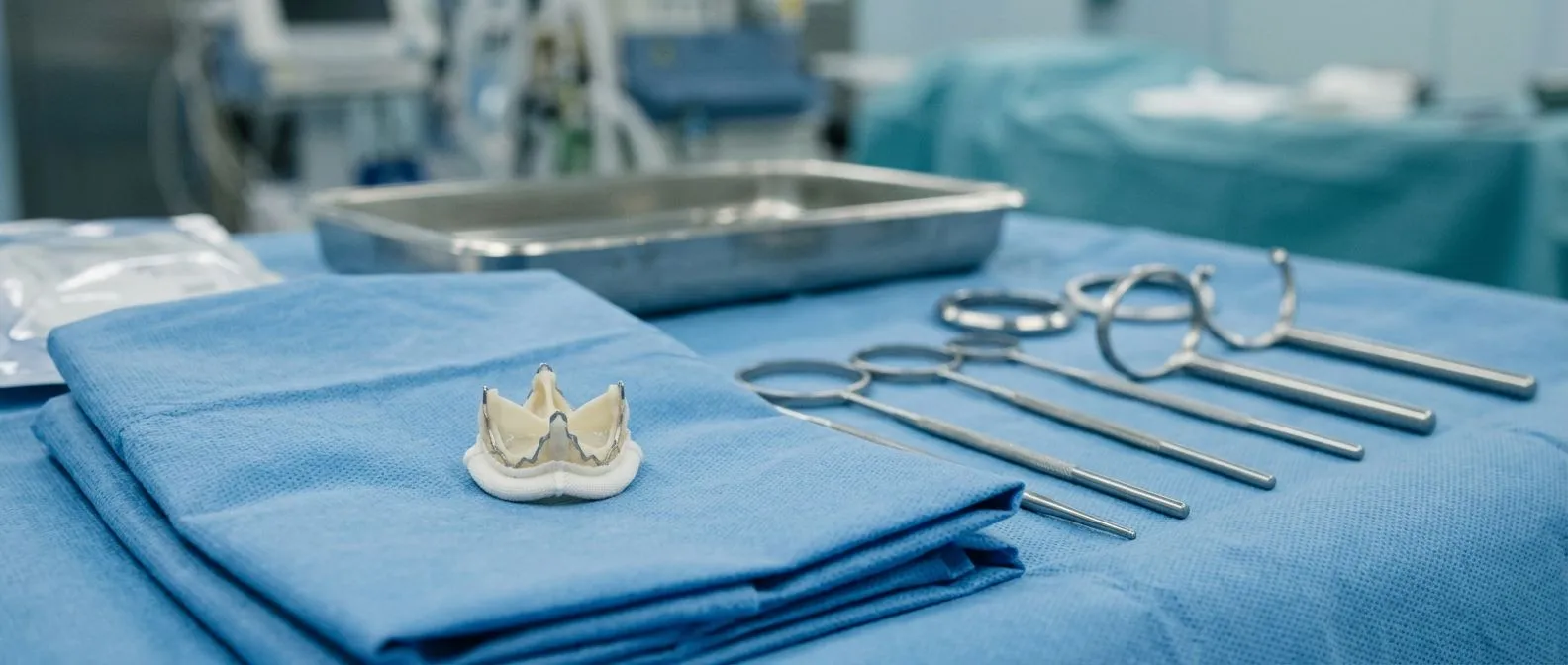
When replacement is the better answer. If the valve is heavily calcified, scarred by infection, or structurally unsuitable — as with many bicuspid valves — replacement is the standard. The two prosthesis families are mechanical valves, which are durable but require lifelong anticoagulation, and biological (tissue) valves, which avoid blood thinners in most patients but have a limited lifespan. The right choice weighs your age, lifestyle, other medications and preferences.
Because our team performs conventional, minimally invasive, robotic and transcatheter procedures, we recommend the less invasive route only where the evidence supports it for that specific patient — and we say so plainly when conventional surgery is the safer choice.
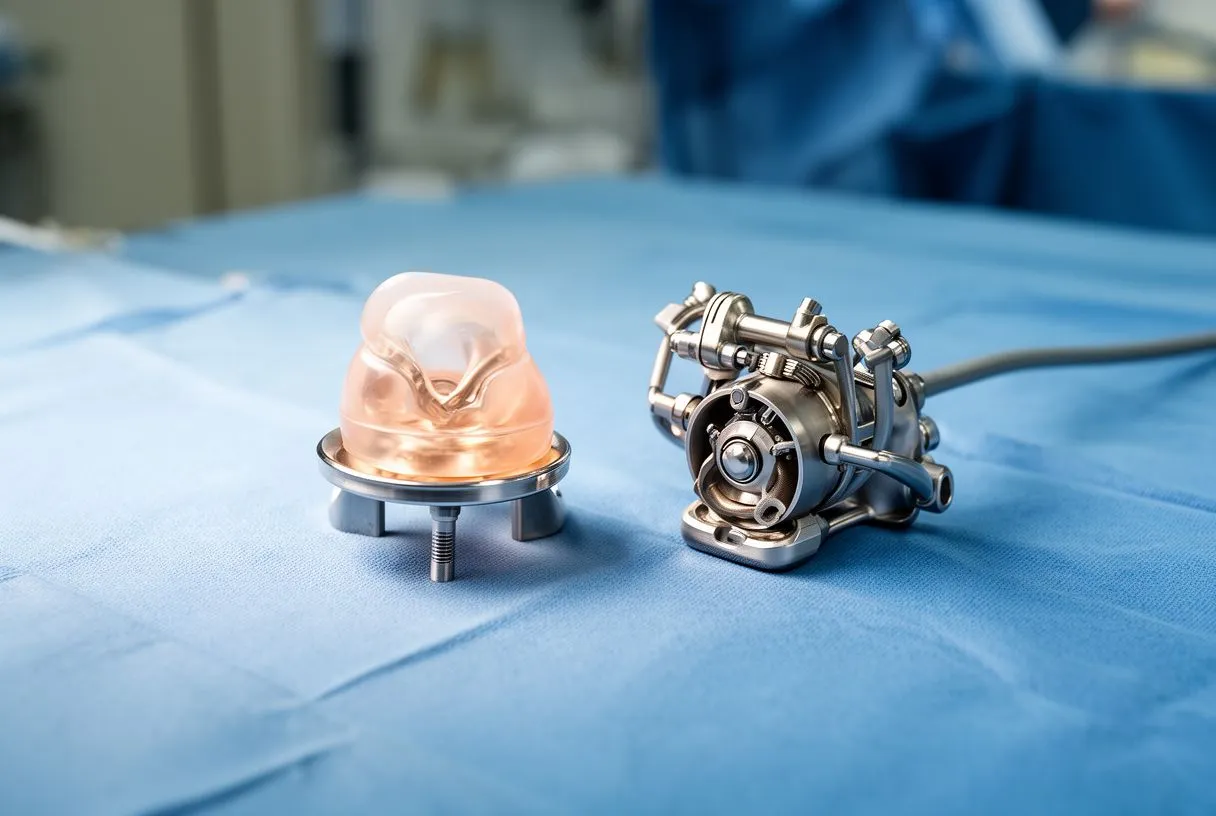
What Are the Minimally Invasive and Robotic Options for Aortic Valve Surgery?
Minimally invasive surgery, explained simply. Traditional aortic valve surgery uses a full incision through the breastbone. Minimally invasive approaches use smaller incisions — often between the ribs or a partial sternal split — to reach the same valve. The surgical repair or replacement performed is identical in principle; only the route differs. Potential advantages include less pain, lower infection risk and faster return to normal activity, though the procedure can take longer and is not suitable for everyone.
Robotic assistance. Robotic systems give the surgeon enhanced visualization and instrument control through tiny ports. Robotic techniques are most established for mitral valve work, but they are increasingly applied to aortic valve procedures in selected patients. Dr Molina performed the first robotic mitral valve repair in the Ángeles Health System and the first robotic heart surgery in Guadalajara, and he trained in robotic surgery at the University of Montreal.
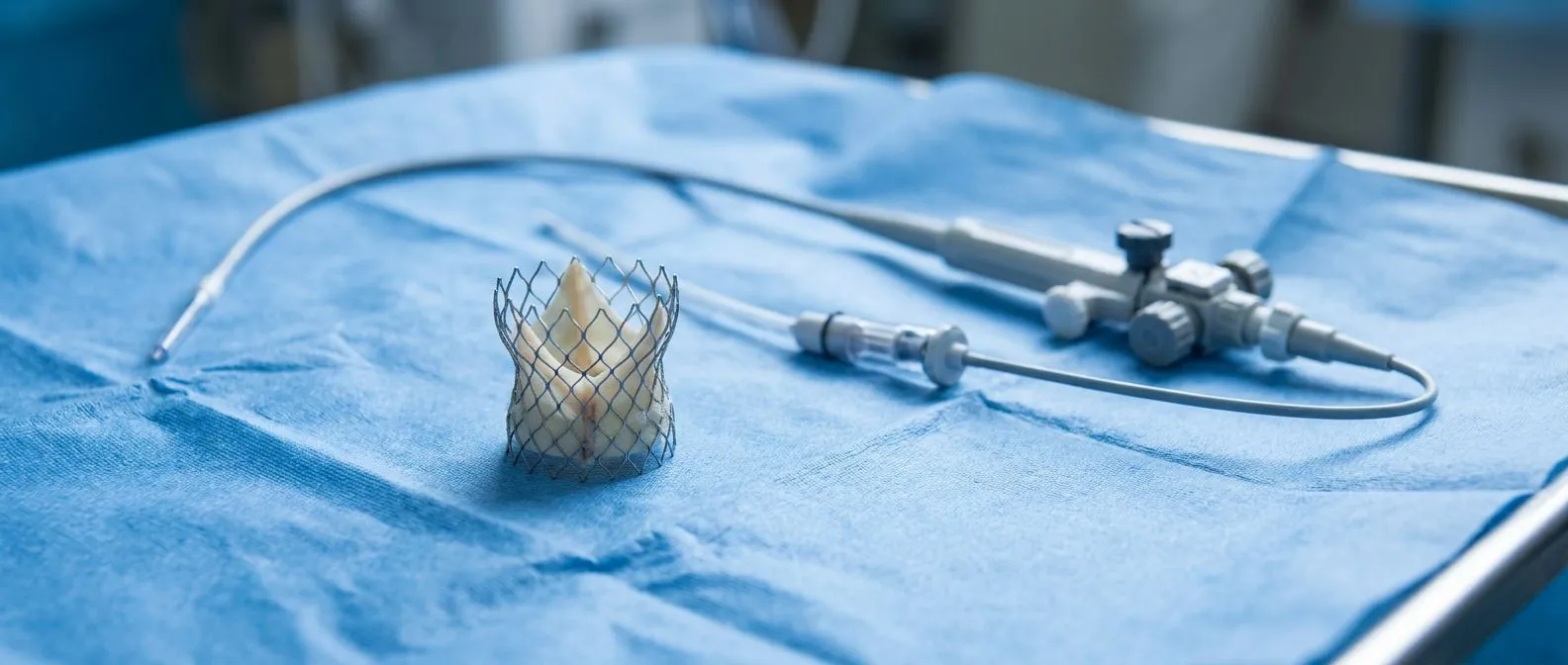
TAVR eligibility for regurgitation patients. Transcatheter Aortic Valve Implantation — called TAVR, a catheter-based valve delivered through an artery in the groin without opening the chest — is now routine for aortic stenosis in suitable patients. For pure aortic regurgitation, however, TAVR eligibility is more limited, because a leaking valve often lacks the calcium that helps anchor a transcatheter valve, and a dilated aortic root can interfere with seating. Newer devices are expanding these options, but for many regurgitation patients, conventional or minimally invasive surgery remains the proven route.
Balloon aortic valvuloplasty, where a balloon briefly stretches a narrowed valve, plays almost no role in treating regurgitation and is worth mentioning only so patients are not confused by overlapping terminology.
What Does Recovery After Aortic Regurgitation Surgery Really Look Like?
The first days. After valve surgery you spend one to two days in intensive care, where the team monitors heart rhythm, bleeding and lung function, then transfer to a regular ward. Most patients sit in a chair within a day and begin walking shortly after. Tubes and drains come out within the first days, and discharge typically follows within five to seven days for straightforward cases.
The first weeks. Breastbone healing takes six to eight weeks, so patients follow sternal precautions — no lifting more than a few kilos, no driving initially, no pushing or pulling. Minimally invasive patients usually recover faster and resume light activities earlier. A cardiac rehabilitation program, with supervised graded exercise, is strongly recommended and helps rebuild confidence as much as strength.
The first months and beyond. Most people return to desk work around six to eight weeks and to fuller activity over three months. Those with a mechanical valve take warfarin or a similar anticoagulant permanently, with regular blood tests; those with tissue valves may need only short-term anticoagulation. Follow-up echocardiograms at intervals confirm the valve is working and the ventricle is recovering. Ask for the follow-up studies to be scheduled before discharge so nothing is left to chance.

Can You Live a Long Life with Aortic Regurgitation? Exercise, Restrictions and Follow-Up
This is one of the questions families ask most, and the evidence-based answer is encouraging: with appropriate monitoring and timely surgery, many people with aortic regurgitation live a normal lifespan and a fully active life.
Exercise restrictions — what actually applies. Does exercise help aortic stenosis, patients often ask, and the answer for regurgitation is similar: for mild to moderate regurgitation, regular moderate aerobic activity — walking, cycling, swimming — is generally beneficial and encouraged. For severe regurgitation with an enlarged ventricle, competitive or heavy isometric exercise is usually restricted until the valve is treated, not because exercise is dangerous in itself, but because intense strain on an already overloaded pump can accelerate deterioration. Your cardiologist tailors these limits to your echo results.
Why causes of aortic aneurysms matter to your follow-up. A significant share of regurgitation cases involve a dilated aorta, and understanding what causes aortic aneurysms — high blood pressure over years, genetic conditions such as Marfan syndrome, bicuspid valves, smoking and age-related degeneration — helps you understand why your follow-up includes aortic imaging, not just valve checks. An abdominal aortic aneurysm is sometimes found in the same patients and monitored by the same logic.
Follow-up care for life. Even after successful surgery, echo surveillance continues at intervals, blood pressure control remains essential, and dental hygiene matters because bacteria from the mouth can infect prosthetic valves. Follow-up is best reviewed against the same international guidelines used to decide on surgery, so that if anything changes, the next step is already clear.
Getting a Second Opinion and Choosing a Cardiac Team in Mexico
Deciding on heart surgery is one of the most consequential choices a person makes, and a second opinion is a normal, sensible part of that process — not a betrayal of your current doctor. Reputable surgical teams welcome it, and the information a second review provides frequently refines the original plan.
What a good consultation should include. Look for a team that:
- Reviews your actual images and reports, not just the summary letter — the echocardiogram measurements drive everything.
- Discusses your case as a multidisciplinary team, weighing surgery, medication and surveillance against published guidelines.
- Explains options in plain language, including repair versus replacement, conventional versus minimally invasive routes, and what each means for your recovery.
- Leaves the final decision with you, with a clear written proposal and no pressure.
Practical matters for international and national patients. Aortic regurgitation heart surgery cost in Mexico varies with the hospital, the technique and the type of prosthesis, and a trustworthy team will give you a transparent estimate before anything is scheduled, alongside information about travel, accommodation and follow-up arrangements for patients who live far away.
Our first contact is a free video consultation: we get to know you, talk through your condition, and tell you exactly which studies are still needed so no unnecessary tests are ordered; a face-to-face visit at our consulting rooms in Guadalajara, Querétaro or Hermosillo follows only when you decide to go ahead.
A final word. Treatment for aortic regurgitation has never offered more options than it does today — from careful surveillance and medication to repair, replacement, minimally invasive and robotic techniques. The heart adapts for a long time, which is both a blessing and a trap: symptoms can arrive late, so measurements, not feelings, should guide the timeline. If you or a family member has been told you have a leaking aortic valve, the most valuable next step is a proper evaluation by a qualified cardiac team — and booking a consultation rather than waiting to self-diagnose.