

Aortic Cross-clamp
Learn how the aortic cross-clamp works in cardiac surgery, including types, procedures, risks, and blood flow management.
What is an aortic cross-clamp?
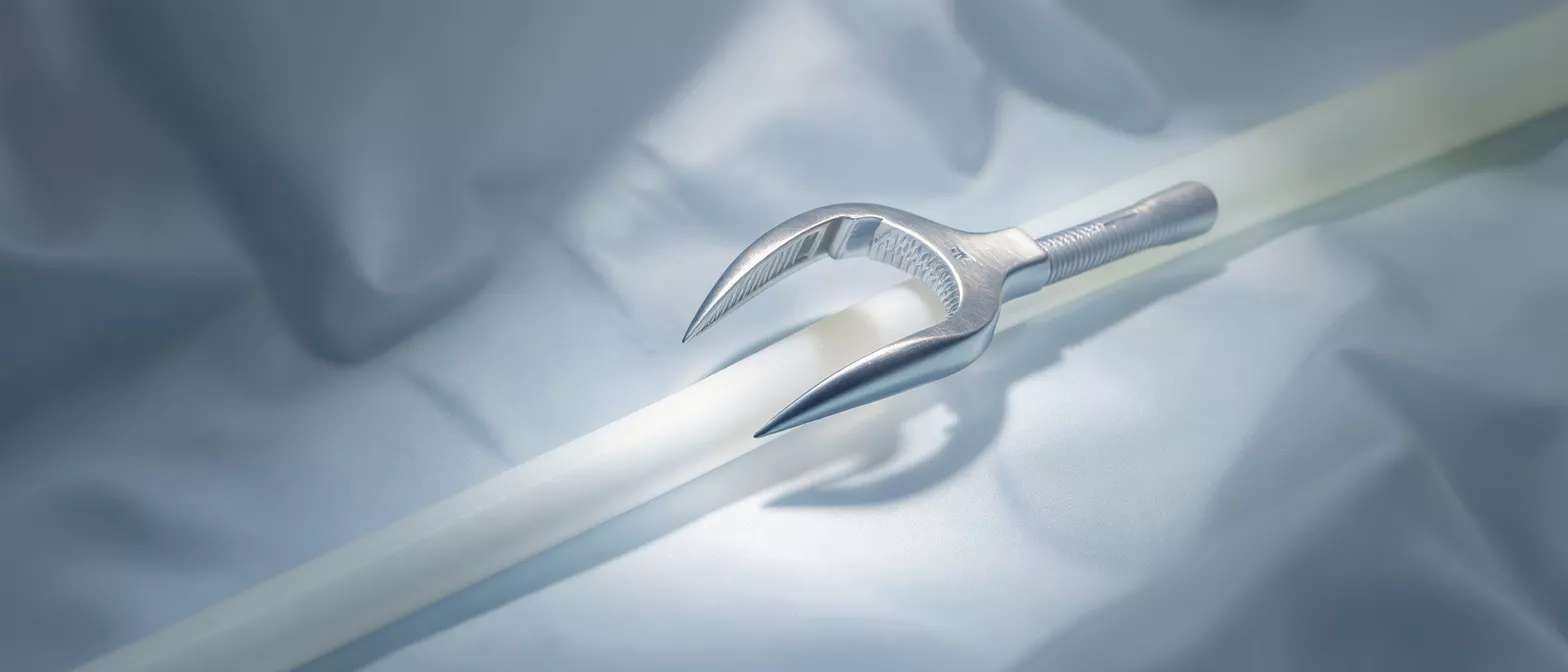
An aortic cross-clamp is a specialized surgical instrument used to temporarily close off the aorta, the main artery that carries oxygen-rich blood from the heart to the rest of the body. During heart surgery, the surgeon needs a still and bloodless field to safely repair valves or bypass blocked arteries. By applying this clamp across the aorta, the surgical team can stop the flow of blood forward into the body and backward into the heart, creating a controlled environment to perform delicate procedures.
The basic aortic cross clamp meaning: Patients often worry when they hear that blood flow to the body will be stopped. It is deeply reassuring to know that stopping the heart's natural circulation does not mean the body is deprived of oxygen. The clamp is only applied after the heart-lung machine is fully active and taking over the work of pumping and oxygenating the blood. The instrument itself is designed to provide a secure, gentle grip that seals the artery completely without crushing or tearing the delicate aortic tissue.
Understanding the purpose of this tool helps remove some of the fear surrounding open heart surgery. The clamp gives the surgeon the precise, motionless surgical field required to safely perform complex repairs, ensuring the heart can be fixed properly before blood flow is carefully restored.
Why is an aortic cross-clamp used in cardiac surgery?
The primary aortic cross clamp purpose is to provide the surgeon with a clear, stable, and bloodless operating field. The human heart is a powerful, constantly moving muscle pumping blood at high pressure. Attempting to make precise cuts or place tiny sutures on a beating, bleeding heart would be incredibly dangerous. By clamping the aorta, the surgical team isolates the heart from the rest of the circulatory system.
Protecting the heart muscle: Beyond simply providing a clear view, clamping the aorta allows the surgical team to deliver a specialized cold preservation solution directly into the heart's own blood vessels. This is known as cardioplegia. This solution stops the heart from beating and cools the muscle, drastically reducing its metabolic needs. By putting the heart in a temporary state of suspended animation, the muscle is protected from damage during the surgical repair.
This combination of mechanical isolation and metabolic protection is the foundation of modern cardiac surgery. It allows surgeons the necessary time to perform meticulous repairs, ensuring that the structural fixes to the heart are exact and long-lasting before the clamp is removed and the heart is restarted.
How does cross-clamping the aorta work?
The mechanics of aortic clamping: The process of cross-clamping the aorta relies on precise timing and seamless teamwork. Before the clamp is ever applied, the patient is connected to a cardiopulmonary bypass machine. Once this heart-lung machine is fully functioning and safely taking over the work of circulating blood, the surgeon identifies the specific segment of the aorta just above the heart where the clamp will be placed.
The clamp itself features specially designed jaws that are smooth and contoured to match the shape of the artery. When the surgeon applies the instrument, it closes around the aorta, pressing the walls of the blood vessel together to create a total seal. Because the bypass machine is handling circulation, this temporary blockage does not disrupt the oxygen supply to the rest of the body, which remains safely perfused by the machine.
Throughout this phase, the anesthesiology and perfusion teams monitor the patient's blood pressure and circulation closely. The aortic occlusion clamp remains in place only for as long as the structural repair requires, ensuring the interruption to the natural circulatory path is as brief and safe as possible.
Types of aortic clamps for heart surgery
Cardiac surgeons utilize different types of aortic cross clamp designs depending on the specific needs of the patient and the type of procedure being performed. While the core function remains exactly the same—temporarily stopping blood flow through the aorta—the physical design of the instrument varies to accommodate different surgical approaches.
Choosing the right instrument for the procedure: Surgeons select from a variety of specialized tools, each engineered for optimal access and safety. The choice depends on the patient's anatomy and the angle required to safely reach the heart. For families wanting to understand how these tools differ, here is a summary of the common variations used in the operating room:
- Standard curved clamp: Used in traditional open heart surgery to securely occlude the aorta from a direct, front-facing angle.
- Angled jaw clamp: Designed to provide a better grip on the aorta in patients where anatomy makes a straight closure difficult.
- Flexible or soft-tip clamps: Used in minimally invasive cardiac surgery to accommodate smaller incisions and provide gentler tissue handling.
Each of these variations serves the same fundamental purpose of creating a safe surgical environment, tailored to the specific physical realities of the operation being performed.
What happens during the aortic cross-clamp procedure?
Understanding the step-by-step aortic cross clamp procedure can greatly reduce anxiety for patients awaiting surgery. Once the patient is fully anesthetized and the chest is opened, the surgical team prepares the heart and major blood vessels. The patient is then given a blood-thinning medication to prevent clotting while connected to the bypass machine.
Coordinating with the heart-lung machine: Tubes are carefully placed into the heart's chambers and the aorta, connecting the patient to the cardiopulmonary bypass machine. Once the machine takes over the work of pumping and oxygenating the blood, the surgeon places the clamp across the aorta. With the blood flow temporarily stopped, the heart is emptied and injected with the cardioplegia solution, causing it to stop beating completely.
With the heart still and isolated, the surgeon performs the necessary repairs, such as replacing a narrowed valve or bypassing a blocked artery. When the surgical repair is finished, the clamp is carefully and slowly removed. Blood is allowed to flow back into the heart, and the team watches as the heart naturally regains its normal rhythm, gradually taking over the pumping duties from the bypass machine.
Understanding aortic cross clamp time
What is aortic cross clamp time? This refers to the total duration that the clamp remains on the aorta during surgery. It is a carefully tracked metric that indicates how long the heart is intentionally stopped and isolated from the normal circulatory system. Surgeons and anesthesiologists monitor this time closely, as it helps guide intraoperative decisions and plan the safest recovery path for the patient.
The time required varies widely depending on the complexity of the cardiac surgery being performed. A straightforward, single-vessel bypass might require a much shorter clamp time than a complex valve replacement or a multi-vessel bypass. Throughout the operation, the surgical team works efficiently to minimize this duration without compromising the quality of the repair, ensuring the heart muscle remains well-protected.
Patients should feel comfortable asking their surgeon about expected times before their procedure. Knowing that the team uses advanced preservation techniques and highly efficient methods to keep this window as brief as possible often provides immense peace of mind to families waiting during the operation.
Aortic cross-clamp complications and risks
While the use of an aortic cross clamp is a standard and highly refined practice, it is natural for patients to ask about potential aortic cross clamp complications. The primary concern is the stress that temporary blood flow cessation places on the heart muscle. However, modern cardiac surgery uses advanced myocardial protection strategies, including cold cardioplegia and systemic cooling, to ensure the heart cells remain safe during this period.
Addressing tissue and vascular risks: Another consideration is the physical pressure the clamp exerts on the aortic wall. The aorta is a resilient blood vessel, but in older patients or those with severe vascular disease, the tissue can be fragile. Surgeons meticulously assess the aorta before applying the clamp, often using ultrasound, to ensure the vessel is healthy enough to withstand the pressure and avoid any risk of injury or dissection.
The surgical team is extensively trained to manage these specific risks. By carefully evaluating each patient's anatomy and utilizing gentle, precision-engineered clamping techniques, the likelihood of complications is kept exceptionally low, making the procedure safe for the vast majority of cardiac patients.
How blood flow is managed during aortic occlusion
The concept of aortic cross clamp blood flow management is what makes modern open heart surgery possible. When the aorta is clamped, the natural pathway for oxygen-rich blood is temporarily blocked. To ensure the body continues to receive the oxygen it needs to survive, the surgical team relies entirely on the cardiopulmonary bypass machine, effectively bridging the gap created by the clamp.
The role of the perfusionist: A specialized medical professional called a perfusionist manages the heart-lung machine. Blood is diverted from the patient's veins into the machine, where it is oxygenated, filtered, and warmed or cooled as needed. The machine then pumps this clean, oxygen-rich blood back into the body through a tube placed downstream from the clamp, ensuring the brain, kidneys, and all other organs receive continuous circulation.
This seamless management of circulation allows the surgeon to work on a still, isolated heart while the rest of the body remains fully supported. When families understand that the body is actively nourished by advanced medical technology while the clamp is in place, the fear of the heart stopping is often replaced by confidence in the surgical plan.
Aortic cross-clamp in open heart surgery explained
The aortic cross clamp in open heart surgery represents one of the most critical components of a safe and successful operation. When a patient undergoes a procedure to correct severe coronary artery disease or repair a damaged heart valve, the surgeon must have absolute precision. The clamp provides the foundational control needed to execute these life-saving repairs safely.
Connecting the technique to patient outcomes: The application of the aortic cross clamp technique allows surgeons to fix problems that would otherwise be impossible to address on a beating heart. By gaining this controlled access, the surgeon can place grafts to bypass blockages or repair structural defects with a high degree of accuracy, directly improving the patient's long-term quality of life and heart function.
For patients facing surgery, understanding the role of this instrument highlights the incredible advancement of modern medicine. The use of the clamp, combined with heart-lung bypass, allows surgical teams to safely pause and repair the most vital organ in the human body, offering a chance at renewed health and longevity.
Key takeaways about the aortic cross-clamp
In summary, the aortic cross-clamp is an indispensable tool that allows cardiac surgeons to safely stop the heart and repair it without compromising the rest of the body. By working in tandem with the heart-lung machine, the clamp creates the still, bloodless environment necessary for precise surgical work. This combination of mechanical control and metabolic protection is the cornerstone of modern heart surgery.
A reassuring note for patients: Hearing that your heart will be stopped during surgery can be daunting, but understanding the process helps build trust. The use of the clamp is highly routine, and the medical team is trained to monitor every aspect of your circulation, ensuring your organs remain oxygenated and your heart muscle remains protected throughout the procedure.
Patients should always feel empowered to discuss any concerns about surgical techniques with their cardiologist or surgeon. Having a clear understanding of how instruments like the clamp function can ease preoperative anxiety and help you approach your surgery with confidence and peace of mind.






