

Abdominal Distension After Surgery: Causes and Relief
Abdominal distension after surgery is common after heart procedures.
What Is Abdominal Distension After Surgery?
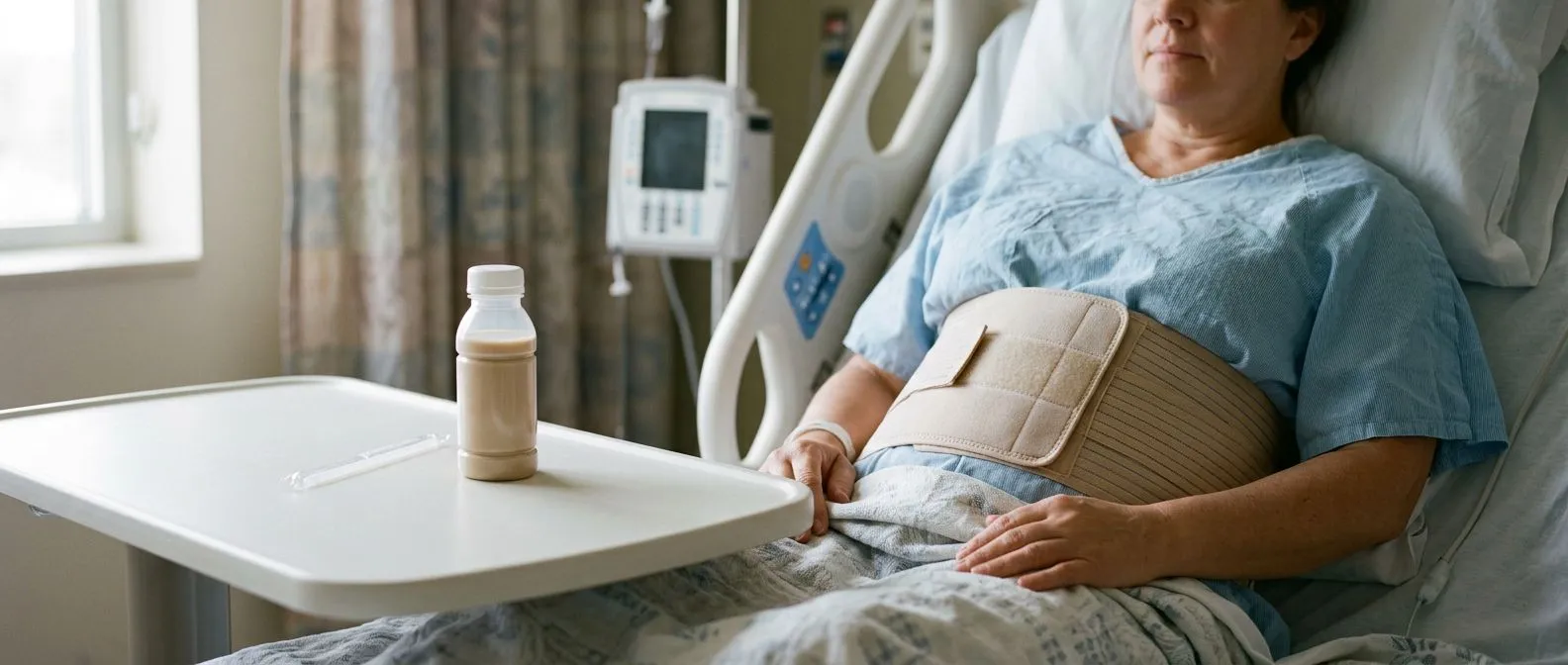
Abdominal distension after surgery is one of the most common yet least discussed recovery experiences for cardiac patients. After a procedure on the heart, many people are surprised to find that their abdomen feels tight, swollen, or visibly bloated within the first few days. This is not a sign that something went wrong. It is a predictable physiological response to anaesthesia, surgical positioning, medications, and the general stress the body endures during an operation on structures such as the ascending aorta or the atrium.
For patients and families preparing for heart surgery, understanding what abdominal distension looks and feels like can remove much of the anxiety. The swelling typically develops in the lower abdomen first and may extend upward as gas accumulates in the intestines. Patients often describe a sensation of fullness, pressure, or mild cramping that differs from incisional pain. Some feel their clothes fitting tighter around the waist, while others notice a firm, rounded appearance when lying flat.
It is important to distinguish normal postoperative bloating from complications that require urgent attention. Most cases resolve with movement, dietary adjustments, and time. However, when distension is accompanied by fever, vomiting, severe pain, or an inability to pass gas or stool, the surgical team must evaluate the patient promptly. Throughout recovery, the cardiac team monitors the patient closely, balancing digestive recovery with the demands of healing from the primary operation.
Why Does Bloating Happen After Heart Surgery?
Several mechanisms converge to produce bloating after heart surgery. General anaesthesia slows the entire digestive tract, a phenomenon known as reduced intestinal motility. The muscles that normally propel food and gas through the bowel temporarily stop working efficiently. This effect is compounded by opioid pain medications, which are standard after cardiac procedures and further depress gut movement. The result is trapped gas and stool that accumulate in the intestines, producing visible and uncomfortable swelling.
Surgical positioning also contributes. During many cardiac operations, the patient lies flat on the back for several hours, and in some cases the surgical team uses an arterial cannula or arterial line to support circulation while the heart is still. This immobility means the diaphragm does not move as it normally would with deep breathing, and gravity cannot help gas rise and disperse. Medications given during surgery, including those that support blood pressure or manage the heart's rhythm in cases of atrial flutter, can also affect the digestive system in ways that promote bloating.
Beyond the operating room, the body's overall stress response plays a significant role. Surgery triggers inflammatory cascades and shifts in fluid balance that affect every organ system. According to JAMA Network, published research on postoperative recovery consistently highlights the interplay between systemic inflammation and gastrointestinal function. The gut is highly sensitive to these changes, and abdominal distension is often one of the most visible outward signs that the body is working hard to rebalance itself.
What Is Postoperative Ileus and How Long Does It Last?
Postoperative ileus is the medical term for the temporary shutdown of normal intestinal function after surgery. It is not a disease but a predictable, time-limited phase of recovery. In most cardiac surgery patients, ileus lasts between two and five days, although some individuals, particularly those who were on certain medications before surgery or who had longer operative times, may take a full week to regain normal bowel function.
The hallmark signs of ileus include absence of bowel sounds on auscultation (when a clinician listens to the abdomen with a stethoscope), no flatus or stool passage, nausea, and progressive abdominal distension. Patients sometimes confuse these symptoms with constipation, but the distinction matters. Ileus is a functional pause — the intestines are intact and unblocked but simply not yet contracting. Constipation, by contrast, involves stool that is ready to move but cannot, usually because it has become hard and dry.
Recovery from ileus happens gradually. The first sign of improvement is usually the return of bowel sounds, followed by the passage of gas. Nurses and doctors monitor these milestones closely because they determine when a patient can safely begin eating solid food. For families watching a loved one recover, the first postoperative flatus is often a small but meaningful victory — it signals that the digestive tract is waking up and that the road to full recovery is advancing.
How to Reduce Abdominal Swelling During Recovery
Reducing abdominal distension after surgery requires a combination of movement, dietary patience, and targeted remedies. The single most effective intervention is early and frequent walking. Walking stimulates intestinal peristalsis — the wave-like contractions that move gas and stool through the bowel. Even short, slow laps around the hospital corridor, guided by nursing staff, can make a measurable difference within hours. Patients who walk within the first 24 to 48 hours after cardiac surgery tend to recover bowel function faster than those who remain in bed.
Gentle abdominal massage and repositioning can also help shift trapped gas. Patients may find relief by lying on one side, drawing the knees toward the chest, or rocking the pelvis gently. These positions change the internal pressure on the intestines and can encourage gas to move toward the rectum for release. Some cardiac rehabilitation programmes teach simple breathing exercises that engage the diaphragm, which indirectly massages the intestines with each breath. These techniques are safe for most patients, but anyone with an arterial graft or recent sternal incision should confirm appropriate movements with their care team.
Medical interventions are available when conservative measures are insufficient. In certain cases, doctors may prescribe medications that stimulate bowel motility or recommend a short course of laxatives once ileus has resolved. The approach is always individualised, and clinical evidence reviewed according to frameworks such as the PRISMA 2020 explanation and elaboration: updated guidance and exemplars for reporting systematic reviews supports a stepwise strategy — starting with movement and diet, escalating only when necessary.
Gas Pain After Surgery: What Patients Experience
Gas pain after surgery can be surprisingly intense. Many cardiac patients report that the discomfort from trapped gas is worse than the pain from their chest incision. The pain is usually cramping in nature, shifting from one part of the abdomen to another, and it often worsens after eating or drinking before the bowel has fully recovered. Some patients feel it as a sharp, stabbing sensation under the ribs; others describe a dull, heavy pressure that makes it difficult to take a deep breath.
Where does the gas come from? The gas is not necessarily from what the patient ate. During and after surgery, the intestines produce their own gas as bacteria ferment residual contents. Swallowed air also contributes, particularly if the patient is using a breathing device or mouth-breathing due to nasal congestion or oxygen therapy. When the bowel is not moving efficiently, this gas has nowhere to go and accumulates in loops of intestine, stretching the wall and triggering pain receptors.
How is gas pain different from surgical pain? Gas pain tends to be diffuse and positional, improving when the patient moves or passes gas. Surgical pain, by contrast, is usually localised to the incision site and worsens with direct pressure or coughing. Patients who have undergone valve procedures involving a balloon-expandable valve or balloon angioplasty may also have groin incisions, and distinguishing between incisional discomfort and referred gas pain can require a nurse or doctor's assessment. When in doubt, patients should always ask the care team rather than assuming the pain is harmless.
Constipation After Heart Surgery: Causes and Solutions
Constipation after heart surgery is nearly universal in the first week. Opioid painkillers, reduced activity, limited fluid intake, and changes in diet all slow the transit of stool through the colon. Additionally, some patients arrive at surgery already constipated due to preoperative fasting and anxiety. The combination creates a perfect storm where stool becomes hard, dry, and difficult to pass, sometimes adding to abdominal distension and discomfort.
Solutions begin with hydration. Sipping water steadily throughout the day, once cleared by the medical team, softens stool and helps the bowel resume its normal rhythm. Fibre intake should increase gradually — too much too soon can actually worsen bloating if the gut is not yet moving. Stool softeners are commonly prescribed in the hospital and may be continued at home for a short period. Patients taking aspirin or other blood thinners after surgery should never use enemas or suppositories without explicit medical approval, as these can cause rectal bleeding or interact with their medication regimen.
- Hydrate consistently: Small sips of water throughout the day, rather than large amounts at once.
- Walk daily: Even five to ten minutes of slow walking stimulates colonic motility.
- Introduce fibre slowly: Start with soft fruits and cooked vegetables before raw high-fibre foods.
- Use prescribed softeners: Follow the surgical team's instructions; avoid over-the-counter laxatives that stimulate the bowel aggressively.
Fluid Retention After Surgery: When Is It Normal?
Fluid retention after cardiac surgery is another contributor to a swollen abdomen. During and after operations on the heart, patients receive significant intravenous fluids to maintain blood pressure and support organ perfusion. The body also mounts a natural inflammatory response that causes fluid to leak from blood vessels into surrounding tissues. This manifests as swelling in the legs, hands, and sometimes the abdomen. Most of this fluid retention is expected and resolves over the first one to two weeks as the kidneys gradually filter out the excess.
Some patients worry that fluid retention means their heart is failing. While this is possible, postoperative fluid shifts alone do not indicate heart failure. The distinction depends on context. If the swelling improves with diuretic medication and time, it is likely a normal recovery phenomenon. If it worsens, spreads to the lungs causing shortness of breath, or is accompanied by weight gain of more than one to two kilograms over a few days, the cardiac team must reassess. Patients who underwent procedures involving the autologous blood return or who received a transfusion during surgery may have additional fluid considerations to discuss with their surgeon.
Diuretics are sometimes prescribed for a short course after discharge to help the body shed excess fluid. Patients should take these exactly as directed and report any dizziness, excessive urination, or muscle cramps. The goal is to restore normal fluid balance without dehydrating the patient or disturbing electrolyte levels that the heart depends on for stable rhythm. Regular weighing at home, using the same scale at the same time each morning, is one of the simplest and most effective ways to track fluid trends during recovery.
Post Surgery Diet for Bloating and Digestive Recovery
Diet plays a central role in managing abdominal distension after surgery. The digestive system needs to restart gradually, and the foods a patient chooses in the first days and weeks can either support or hinder that process. The general principle is to begin with clear liquids, advance slowly to soft foods, and avoid anything that produces significant gas during the early phase of recovery.
What foods help reduce post surgery bloating? Warm broths, plain rice, toast, cooked carrots, and lean proteins such as poached chicken are well tolerated by most patients in the first few days. Herbal teas, particularly those with ginger or fennel, can soothe the digestive tract and encourage gentle motility. Patients should avoid carbonated beverages, very high-fibre raw vegetables, beans, and fried foods until their bowel function has fully normalised. Eating small, frequent meals rather than three large ones reduces the workload on a recovering digestive system.
Longer-term dietary habits also matter for cardiac patients. The 2016 European Guidelines on cardiovascular disease prevention in clinical practice, available through research.vumc.nl, emphasise the importance of a Mediterranean-style diet for ongoing heart health. This approach — rich in vegetables, whole grains, olive oil, and fish — also supports digestive regularity once the acute recovery phase has passed. Patients concerned about cholesterol or atheromatous plaque progression may benefit from discussing dietary strategies that address both heart and gut health together, including monitoring markers such as apolipoprotein B levels with their cardiologist.
When to Worry About Bloating After Surgery
Most abdominal distension after surgery is benign and self-limiting, but certain symptoms should prompt immediate medical contact. The key is recognising the difference between expected recovery discomfort and warning signs of a complication. Patients and families should never feel they are overreacting by reporting concerns — early detection of a problem is always preferable to a delayed response.
- Fever above 38°C (100.4°F): May indicate infection, particularly if accompanied by wound redness or discharge.
- Persistent vomiting: Inability to keep fluids down can signal a bowel obstruction or prolonged ileus requiring intervention.
- Severe, worsening abdominal pain: Disproportionate pain that does not improve with movement or gas passage needs urgent assessment.
- New shortness of breath: May indicate fluid accumulating around the lungs or heart, especially relevant for patients recovering from valve or aortic surgery.
- Dark or bloody stools: Could indicate gastrointestinal bleeding, particularly in patients on blood thinners.
Patients who have had complex procedures — those involving an autograft, reconstruction of the aorta, or placement of devices such as an automated external defibrillator — may have additional warning signs specific to their condition. Arm pain, for example, can sometimes accompany cardiac recovery and may or may not be related to digestive issues. Atypical infarction symptoms can also mask themselves as gastrointestinal discomfort. For all of these reasons, the safest approach is to maintain close communication with the surgical team and to attend all scheduled follow-up appointments, where clinicians can assess the whole picture rather than one symptom in isolation.
Recovery Timeline: Abdominal Distension Expectations
Setting realistic expectations for recovery helps patients and families navigate the ups and downs of the postoperative period. In the first 48 hours, abdominal distension is usually at its worst. The bowel is still quiet, gas is accumulating, and the patient has not yet begun regular walking. By day three to five, most patients notice their first flatus and a reduction in bloating. Bowel movements typically resume within four to six days, though this varies by individual.
By the end of the first week at home, most patients see significant improvement. Swelling continues to decrease, appetite returns, and meals become more normal in size and variety. Some residual bloating after eating is common and usually resolves with continued walking and hydration. Patients may notice that certain foods trigger more gas than before — this often settles within two to three weeks as the digestive system fully recalibrates. Those who underwent awake ECMO support or other advanced interventions during their hospital stay may have a slightly different timeline, and their surgical team will set personalised milestones accordingly.
If you or a family member is preparing for or recovering from heart surgery and experiencing abdominal distension, do not navigate it alone. Every recovery is unique, and the only way to know whether your symptoms are on track is to discuss them with a qualified cardiac team. Dr Alejandro Molina and the specialists at Cirugía de Corazón in Guadalajara, Querétaro, and Hermosillo are available to assess your situation, answer your questions, and guide your recovery with evidence-based care. Booking a consultation is the most important step you can take — self-diagnosis is never a substitute for professional evaluation.






