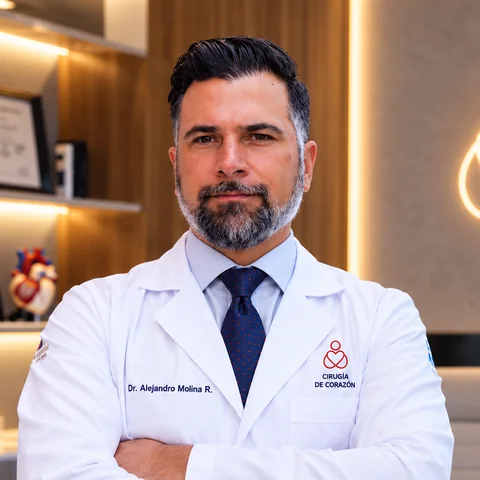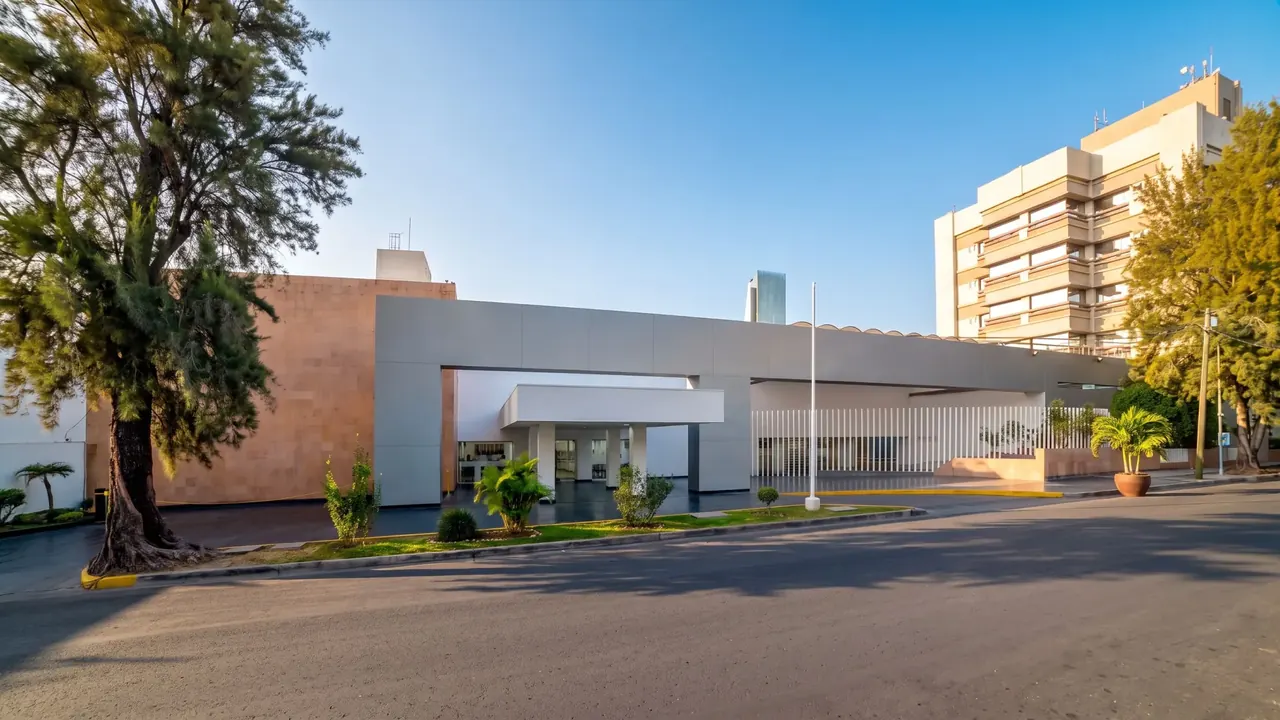
Hospital Ángeles del Carmen is in the Monraz neighborhood of Guadalajara and has been part of Grupo Ángeles since 1999. It is one of the hospitals where Dr. Alejandro Molina, a cardiovascular surgeon, has his office, on the fourth floor, and where you can consult him about heart surgery.
When someone learns they may need heart surgery, questions about the hospital follow almost immediately. Is it prepared? Who has reviewed it? What happens if there is an emergency? This page brings together what can be confirmed in independent sources: national rankings, an international accreditation and the infrastructure that matters most in cardiac care. The sources are listed at the end, so you and your family can check them yourselves.
A hospital with roots in Guadalajara
Hospital Ángeles del Carmen is a private hospital in Guadalajara. In 1999 it became part of Grupo Ángeles, the private hospital network it has belonged to ever since. That year marks the start of its current chapter: the hospital that now appears in national rankings and works under the same accreditation process as other hospitals in the group.
For a patient, belonging to a network is more than a detail. It means the hospital shares standards, review processes and an institutional structure that reaches beyond a single building. That structure is exactly what an outside body examines when it accredits or ranks a hospital.
The hospital is in the Monraz neighborhood, a well-known part of the city. Dr. Molina has his office there, on the fourth floor, and sees patients looking for an evaluation, a second opinion or a surgical plan. Contact details appear below this article.
What independent reviewers say
A hospital can describe itself in many ways. That is why this section includes only recognition that comes from the outside: publications and organizations that do not depend on the hospital.
Newsweek, three years in a row. Each year Newsweek publishes, with the data firm Statista, its World's Best Hospitals list, ranked country by country. On the Mexico list, Hospital Ángeles del Carmen placed #40 in 2024, #35 in 2025 and #38 in 2026. What matters is not any single number but the consistency: appearing in three consecutive editions points to sustained performance, not one good year.
First in western Mexico in 2020. That year, Expansión magazine and the Mexican Health Foundation (Funsalud) published a ranking of Mexico's best private hospitals. Hospital Ángeles del Carmen placed 14th nationally and first in the Occidente, or western, region.
Accreditation Canada, Gold level. Accreditation Canada is an international accreditation body that reviews hospitals against standards for quality and patient safety. Hospital Ángeles del Carmen holds this accreditation at the Gold level. Accreditation of this kind is not a formality: it involves examining how care is delivered, how it is documented and how errors are prevented.
Newsweek named Hospital Ángeles del Carmen among Mexico's best hospitals in 2024, 2025 and 2026.
The infrastructure that matters in heart surgery
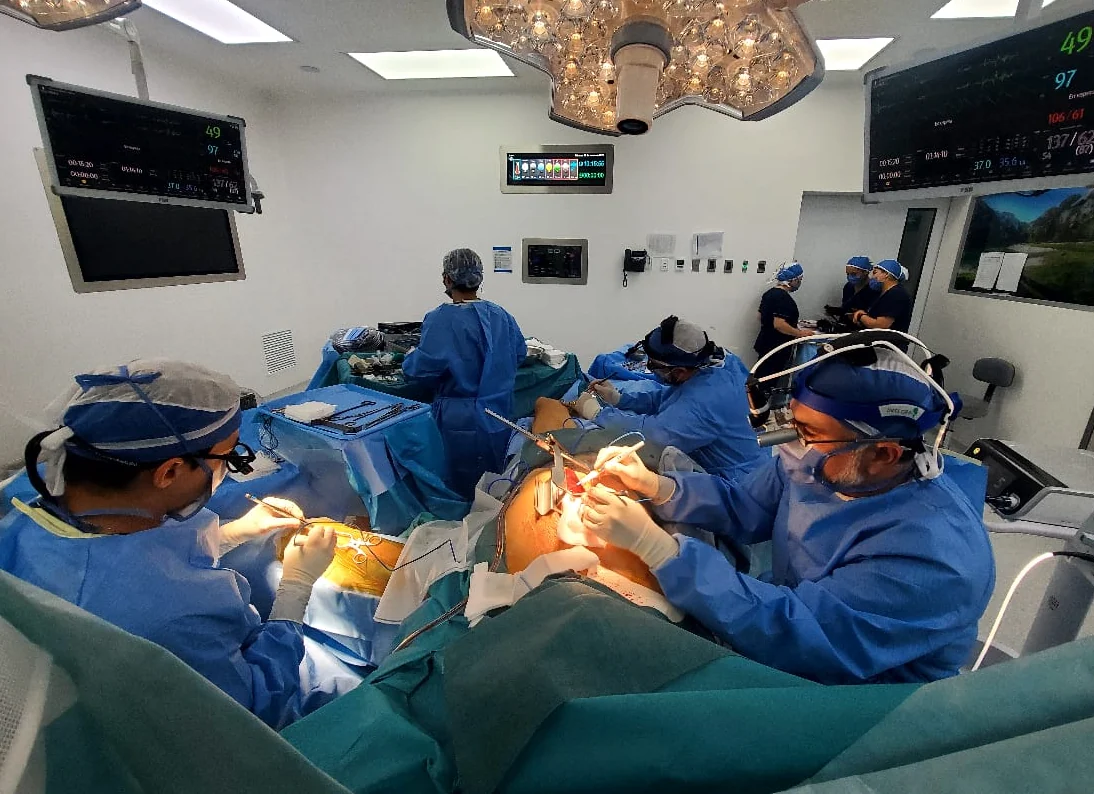
When people think about heart surgery, they usually picture the operating room. But the safety of an operation also depends on everything around it: the equipment that allows a fast diagnosis, the units where patients are watched afterward and the ability to respond if something changes.
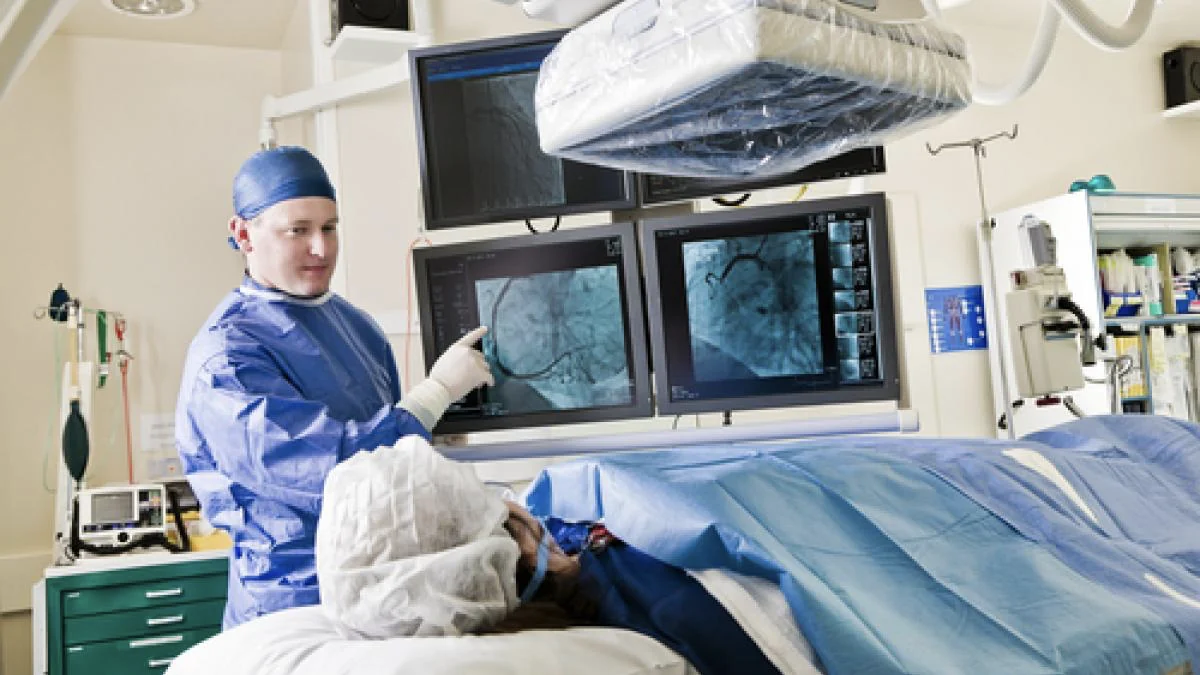
Cardiac catheterization lab. The hospital has a hemodynamics unit, also called a cath lab, that performs both scheduled and emergency cardiovascular procedures, around the clock. In this room, a thin catheter is passed through an artery to study the coronary arteries with contrast dye and, when indicated, to open a blockage. For a patient having a heart attack, a lab that is available day and night can make an important difference.
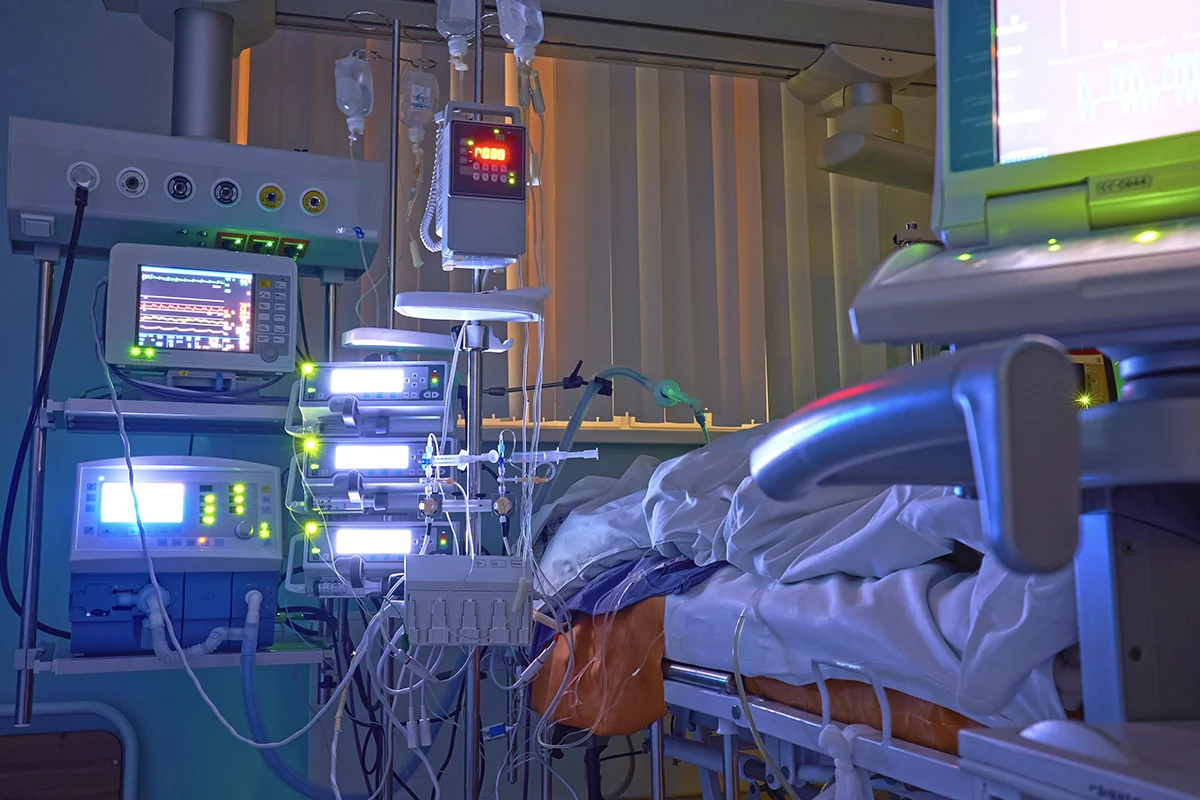
Intensive care. The hospital has adult, pediatric and neonatal intensive care units. After heart surgery, patients usually spend their first hours or days in intensive care, with continuous monitoring of heart rhythm, blood pressure, breathing and other vital signs. This is the stage at which the medical team spots changes early and adjusts treatment.
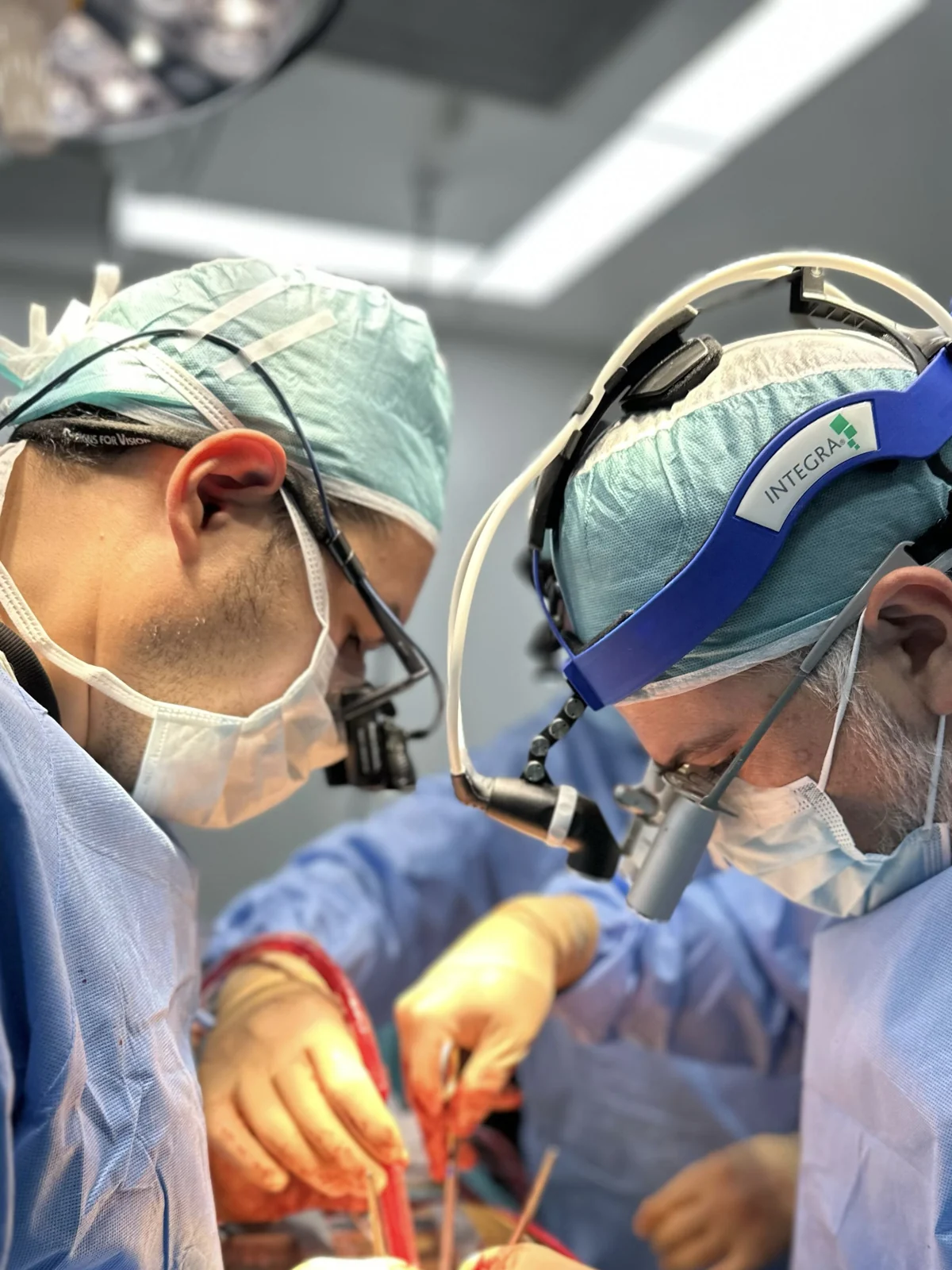
Behind every procedure is a full team: surgeons, anesthesiologists, specialized nurses and technicians who follow the patient's information on screen, minute by minute.
Seeing the heart before deciding
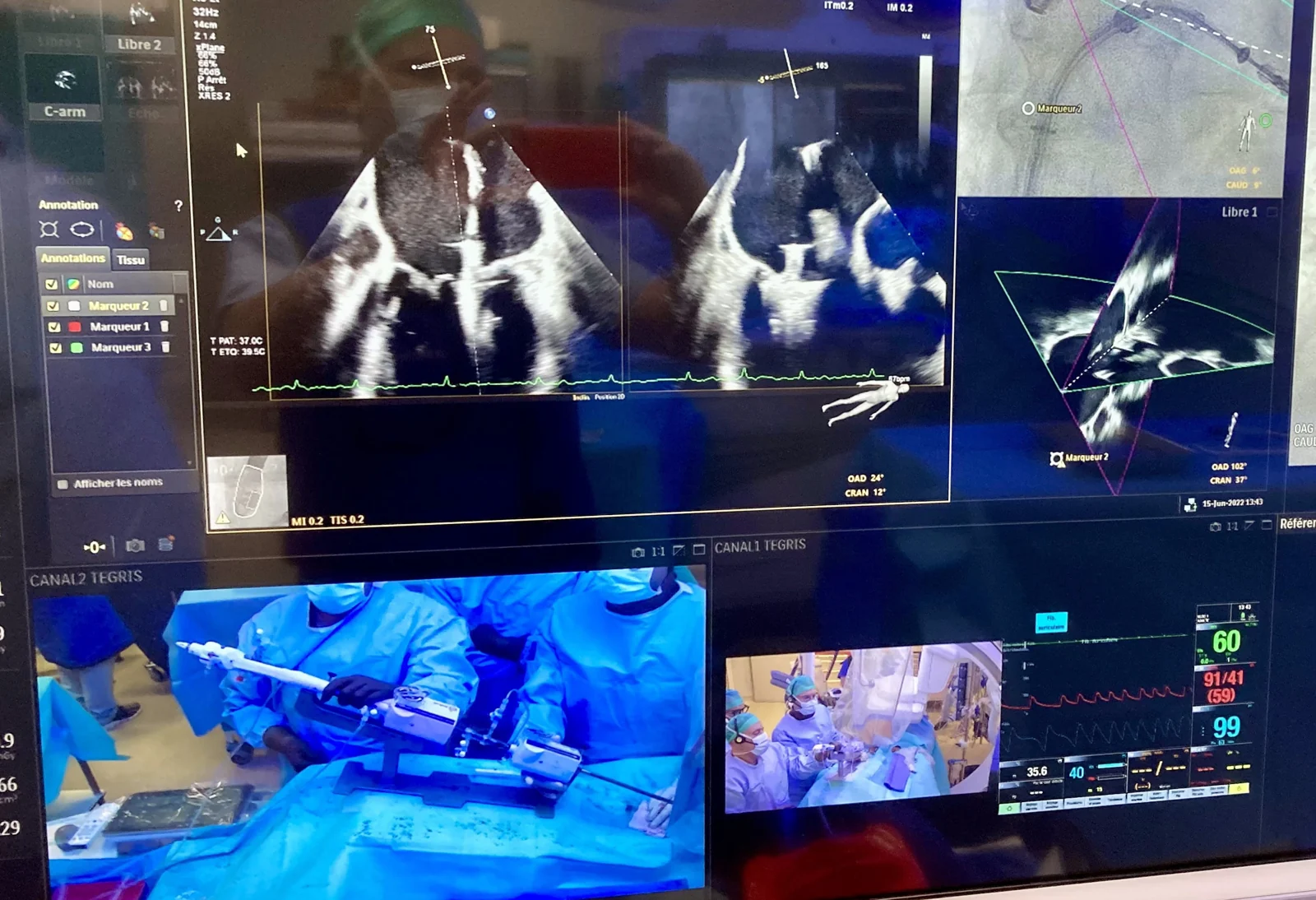
No surgical decision is made blind. Before recommending an operation, the surgeon needs a precise understanding of what is happening in the heart: how it moves, how its valves close, how blood reaches the heart muscle and where the arteries are narrowed.
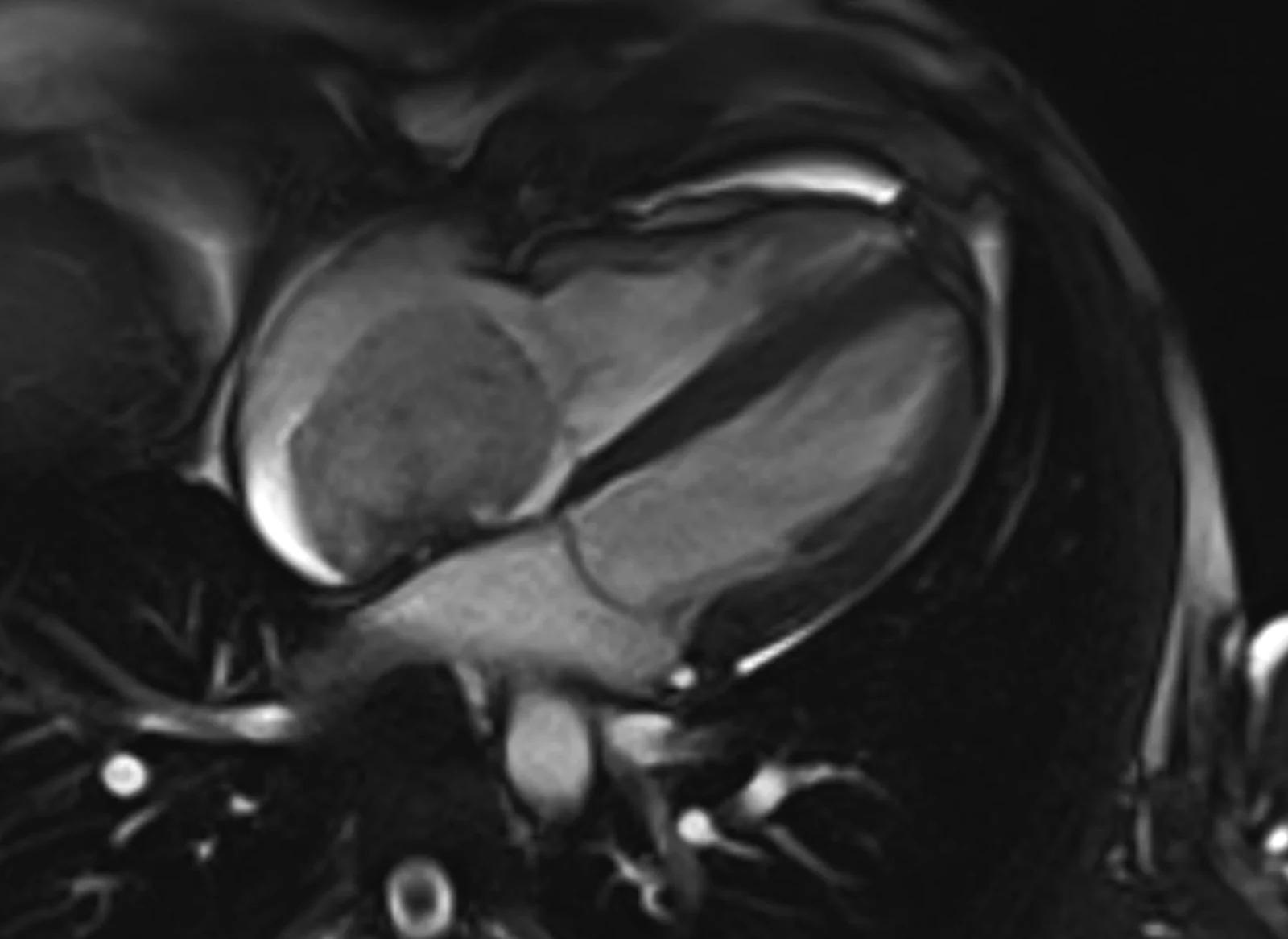
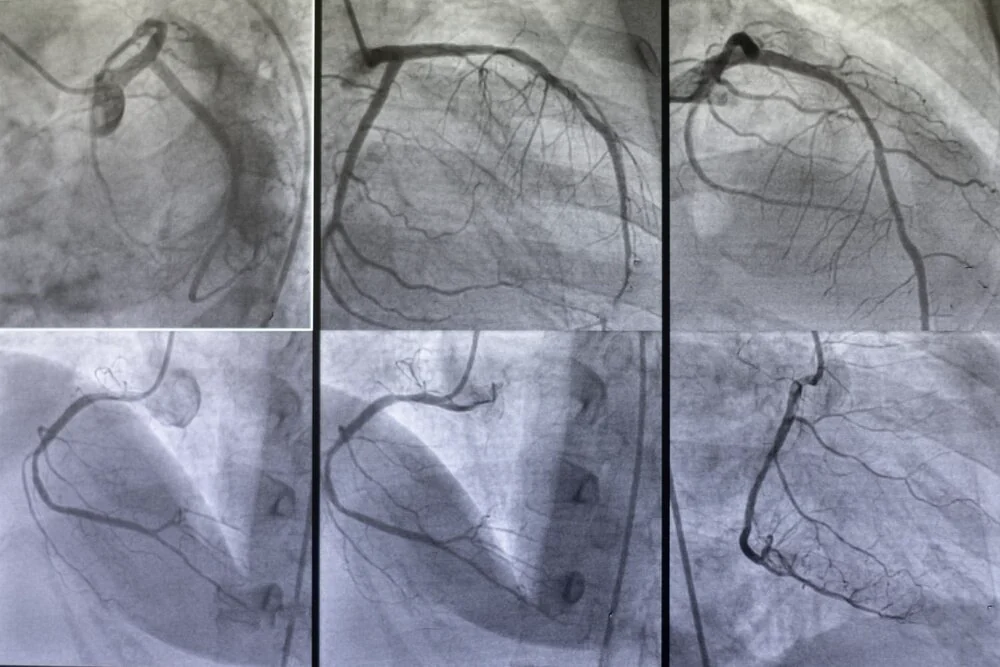
Several tests answer those questions. An echocardiogram uses ultrasound to show the heart in motion. Coronary angiography, performed in the cath lab, shows the heart's arteries from different angles. Cardiac MRI provides detailed images of the chambers and the heart muscle. And nuclear medicine studies help assess how blood is distributed through the heart.
In 2015, the Guadalajara newspaper El Informador reported that Hospital Ángeles del Carmen had reopened its imaging and nuclear medicine service with a new SPECT-CT scanner, a technology that combines functional and anatomical images in a single study.
During your consultation, Dr. Molina goes over any tests you already have, explains what they show and, if needed, tells you which ones to complete. Understanding your own images is part of making an informed decision.
What you can consult Dr. Molina about
Dr. Molina is a cardiovascular surgeon. At his office in Hospital Ángeles del Carmen, you can consult him about conditions of the heart and great vessels that may call for surgical treatment.
Some of the most common situations are:
- Coronary artery disease, when blockages are extensive and bypass surgery is being considered.
- Heart valve disease, when a valve is narrowed or does not close properly and repair or replacement is on the table.
- Aortic disease, such as an enlargement that needs monitoring or treatment.
- A second opinion, if surgery has already been proposed and you want to understand your options better.
Not every consultation ends in an operation. Often the conclusion is to continue medical treatment, repeat a test later or consider a less invasive procedure. What matters is that the decision is made with complete information and at your own pace.
What to expect at your appointment
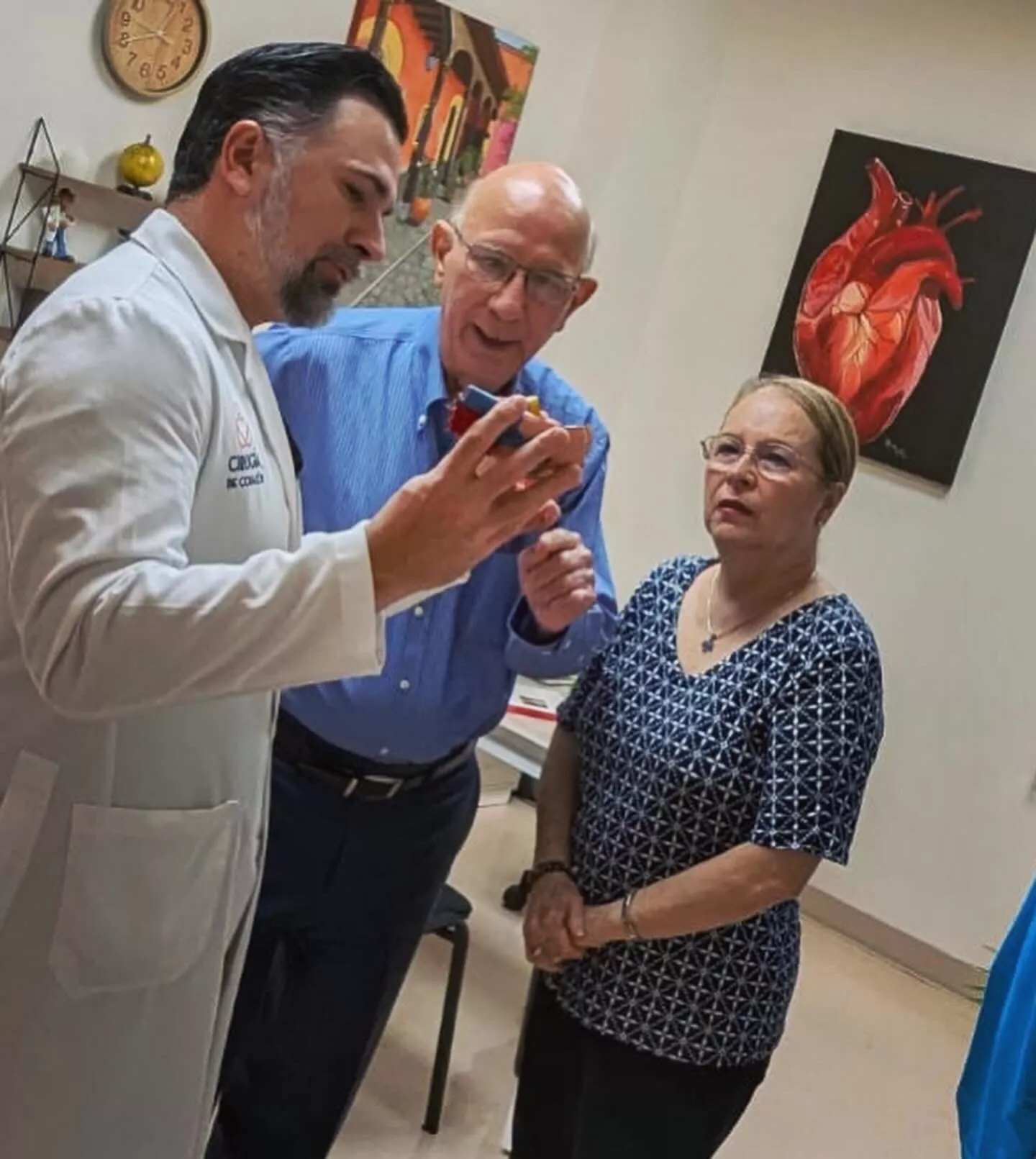
Your first consultation is, above all, a conversation. Dr. Molina asks about your symptoms, your medical history and the medications you take, reviews your tests and calmly explains what he finds. If you come with a family member, they are welcome to take part and ask their own questions.
To make the most of the visit, it helps to bring:
- Any previous tests: echocardiograms, angiograms, ECGs or lab work, along with the image discs or files if you have them.
- A list of your medications and doses.
- Reports from other doctors who have treated you.
- Your questions written down, so none get forgotten.
If surgery is recommended, Dr. Molina walks you through the whole process: preparation, what happens in the operating room, the stay in intensive care and recovery in the hospital. Knowing what each stage involves helps you arrive with less uncertainty.
Recovery from heart surgery is gradual and varies from person to person. That is why the plan is tailored to your case, without generic timelines or promises that cannot be kept.

After the consultation: deciding without pressure
Leaving a consultation with a heart diagnosis can leave a lot on your mind. That is normal. A good consultation does not end with a rushed decision; it ends with a clear plan and the time you need to think it over.
Depending on your case, the next steps may include completing a test, adjusting your medications, coordinating with your cardiologist or, if surgery is chosen, preparing for it with the pre-operative tests you are asked to do. At each stage you will know what comes next and why.
A few questions worth taking home and discussing with your family:
- What would happen if I decide to wait?
- What are the benefits and the risks of surgery in my particular case?
- What will recovery look like, and what help will I need at home?
No question is too small. If something was not clear, you can raise it again at a follow-up visit. Understanding your situation well is the foundation for making a decision with peace of mind, for you and for the people who care about you.
How to read this recognition
Rankings and accreditations are a good sign, but it helps to know what they measure. The Newsweek and Expansión–Funsalud lists assess the hospital as a whole, not a particular specialty or an individual doctor. Accreditation Canada reviews the institution's quality and safety processes.
In other words, these facts tell you that the hospital works to standards that someone outside has checked. The decision about your treatment, on the other hand, depends on your diagnosis, your tests and your conversation with your surgeon.
We prefer to show you only what can be confirmed, with the source in plain view, and to leave out what we could not verify. If you want to check any detail, links to the original publications are at the end of this page.
Frequently asked questions
Does Dr. Molina see patients at Hospital Ángeles del Carmen?
Yes. Dr. Molina has his office on the fourth floor of Hospital Ángeles del Carmen in Guadalajara, and you can consult him there about heart surgery. Details for booking an appointment appear below this article.
What should I bring to my first consultation?
Bring any tests you have, such as echocardiograms, angiograms or ECGs, along with their images if available, a list of your medications and reports from other doctors. Writing down your questions beforehand also helps.
Can the hospital handle a cardiac emergency?
The hospital has a cath lab that performs emergency procedures around the clock, as well as intensive care units. If you have chest pain or other warning signs, seek emergency care right away; do not wait for an appointment.
Can I ask for a second opinion?
Yes. If surgery has already been proposed, you can consult Dr. Molina to review your diagnosis and tests and to understand the alternatives better. Seeking a second opinion before an operation is common and reasonable.
Sources
- Newsweek — World's Best Hospitals 2026: Mexico (2026)
- Newsweek — World's Best Hospitals 2025: Mexico (2025)
- Newsweek — World's Best Hospitals 2024: Mexico (2024)
- Expansión / Funsalud — Ranking de los mejores hospitales privados en México (2020)
- Hospitales Ángeles — Accreditation Canada
- Hospitales Ángeles — Hospital Ángeles del Carmen
- Encyclopedia.com — Grupo Ángeles Servicios de Salud, S.A. de C.V.
- El Informador — Hospital Ángeles del Carmen reinauguró sus instalaciones (2015)