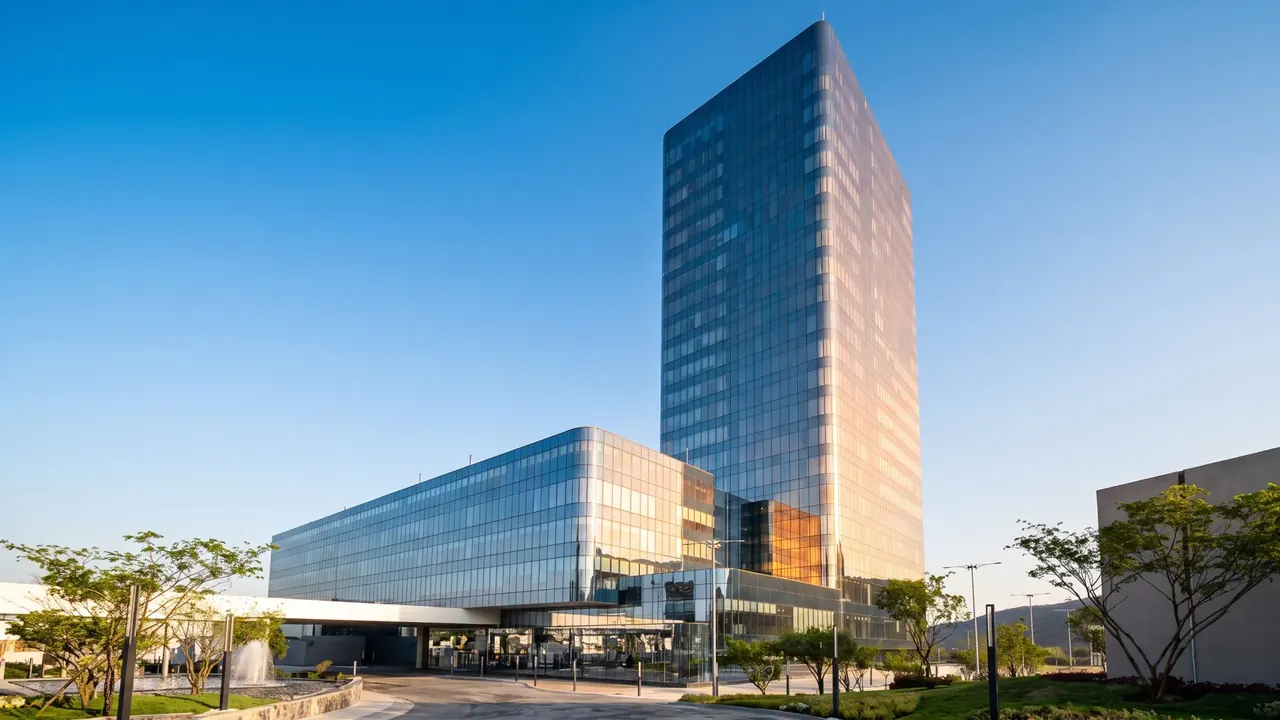
In the south of Santiago de Querétaro, along Bernardo Quintana Boulevard, stands one of the newest hospital towers in Mexico’s Bajío region: Hospital Ángeles Centro Sur. It began operating around 2022–2023 as part of the Hospital Ángeles network, and it brings together in one building the areas a person with a heart condition may need: consultations, diagnostic tests, a catheterization lab, operating rooms, a coronary care unit and intensive care.
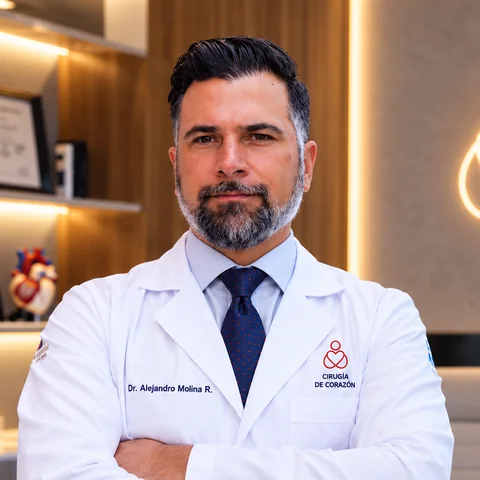
Dr. Alejandro Molina, a cardiovascular surgeon, has his office there on the 21st floor. On this page we gather what can be verified about the hospital, explain the cardiac services it offers, and walk you through what to expect if you decide to see him there. We would rather be precise than impressive: if a claim isn’t confirmed by an independent source, it isn’t here.
A new hospital in southern Querétaro
Hospital Ángeles Centro Sur is a young project. Construction began in 2020 and was completed in 2023. According to figures released in August 2022, when its opening was announced, the investment was about MXN 3.6 billion and the building covers roughly 65,000 square meters. The hospital describes the tower as 22 stories tall (some architecture listings count 23 levels), and it is topped by a helipad.
It belongs to the Hospital Ángeles network, one of Mexico’s most widespread private hospital groups, now led by Grupo Vazol. In 2024, the industry publication Global Health Intelligence described it as the group’s newest hospital.
One practical note: don’t confuse it with Hospital Ángeles Querétaro, a separate hospital in the same network, in a different part of the city. If your appointment is with Dr. Molina, you want Centro Sur.
Operating rooms, beds and diagnostics under one roof
The figures announced at its launch give a sense of the hospital’s scale: 129 beds, 22 operating rooms and about 350 consulting rooms. For heart surgery, though, the number of operating rooms matters less than what surrounds them: a laboratory, blood bank, imaging and intensive care that are close by and work together.
According to the hospital, the building houses:
- MRI and CT scanning.
- Nuclear medicine.
- An automated clinical laboratory and a blood bank.
- A linear accelerator for radiation therapy.
- An emergency department.
- Adult intensive care, intermediate care, and neonatal and pediatric intensive care.
For you as a patient, this means that many of the tests usually requested before heart surgery, such as blood work and imaging, can be done in the same place where you have your consultation, without crossing the city from one lab to another.
What the hospital offers for the heart
The hospital lists more than a hundred specialties, and its cardiovascular offering is complete: cardiology, interventional cardiology, pediatric cardiology, cardiovascular surgery, echocardiography, a catheterization lab and a coronary care unit.
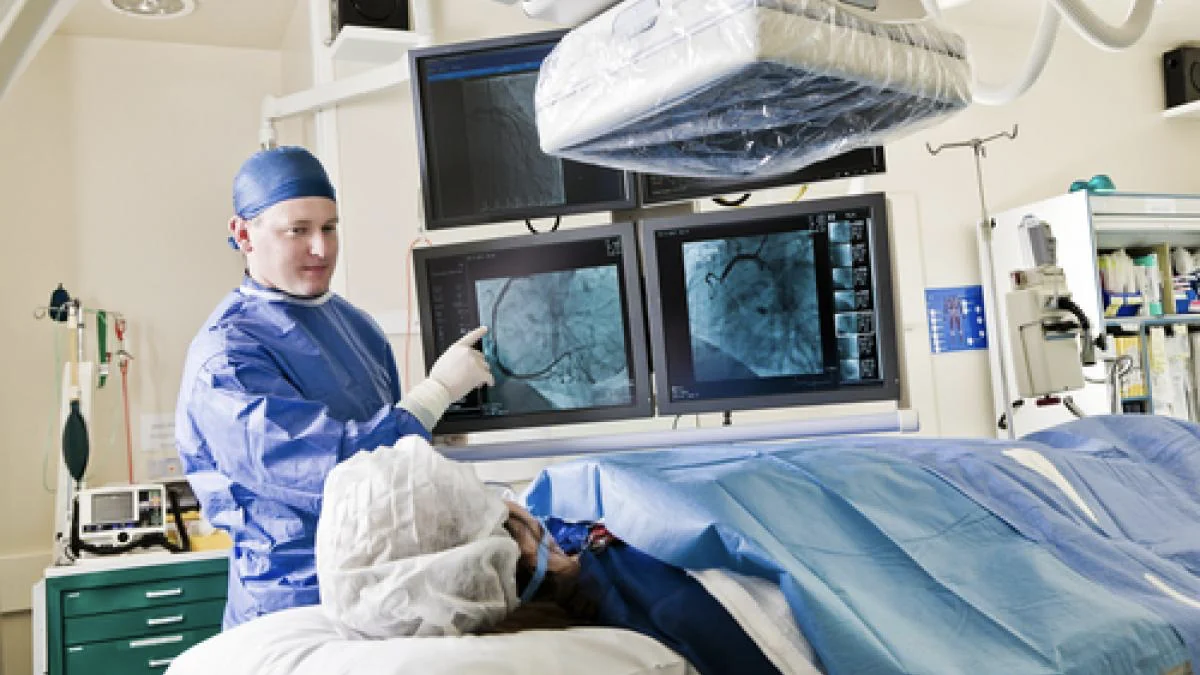
The catheterization lab, which in Mexico is often called hemodinamia, is where procedures are done through the arteries using thin catheters, without opening the chest. According to the hospital, the procedures done there include cardiac catheterization, coronary angiography, angioplasty with stent placement, and embolization. Many decisions about heart surgery start with a test like this: a coronary angiogram shows the condition of the arteries that supply the heart and helps determine whether a stent, surgery or medication is the better path.
The coronary care unit is designed for patients with an acute heart problem, such as a heart attack, or who need close monitoring of their heart rhythm and function. Having the cath lab, the coronary care unit and the operating rooms in the same building means that, when it’s needed, moving between them happens inside the hospital.
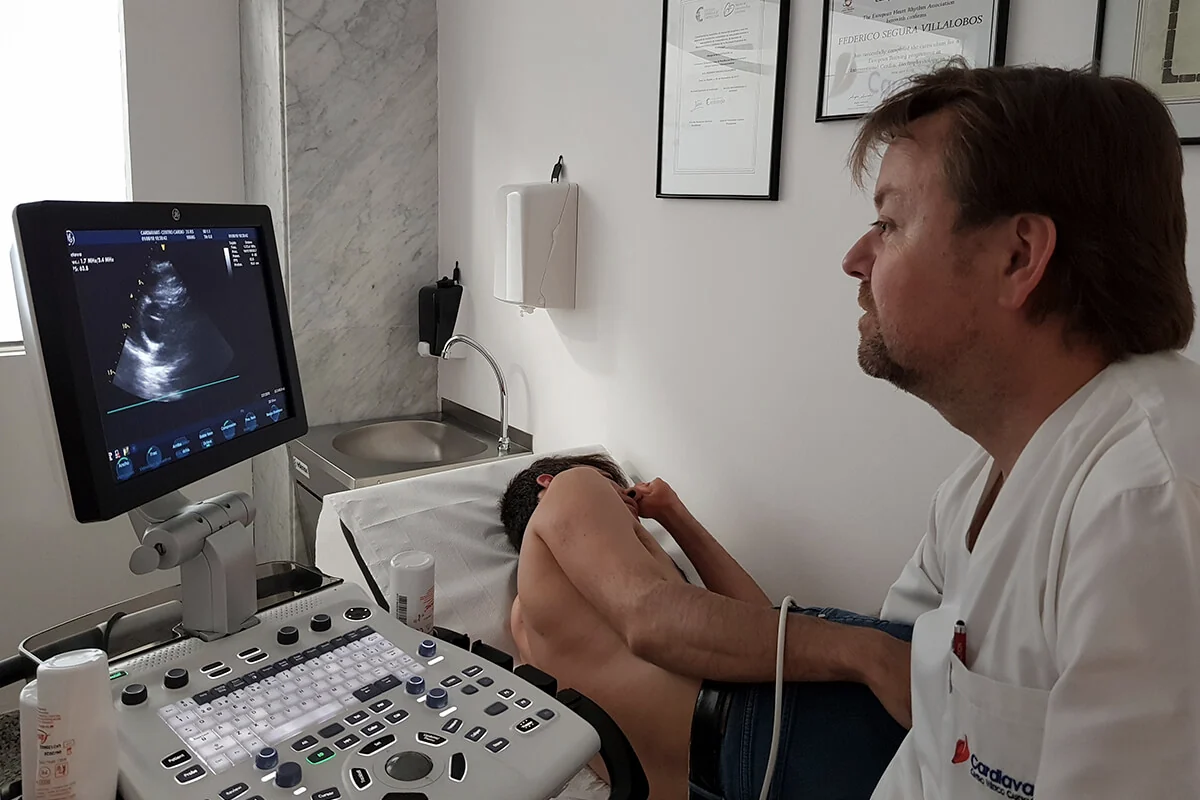
Echocardiography, for its part, is often where everything starts. Using ultrasound, with no radiation and no needles, it shows how the valves move, how well the heart pumps and whether there is any change in its structure. It is also one of the main tools for follow-up after surgery. The hospital also offers pediatric cardiology, which is worth knowing for families of children with a heart condition.
129 beds, 22 operating rooms, a cath lab and a coronary care unit in one tower in southern Querétaro.
Robotic heart surgery at Centro Sur
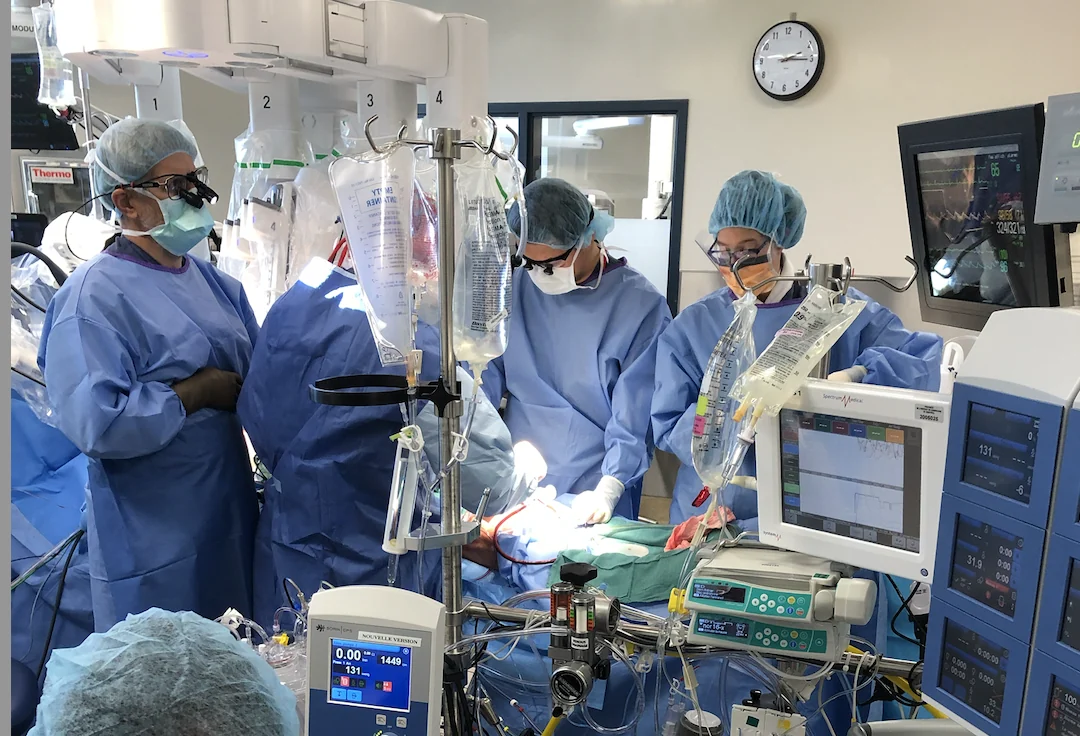
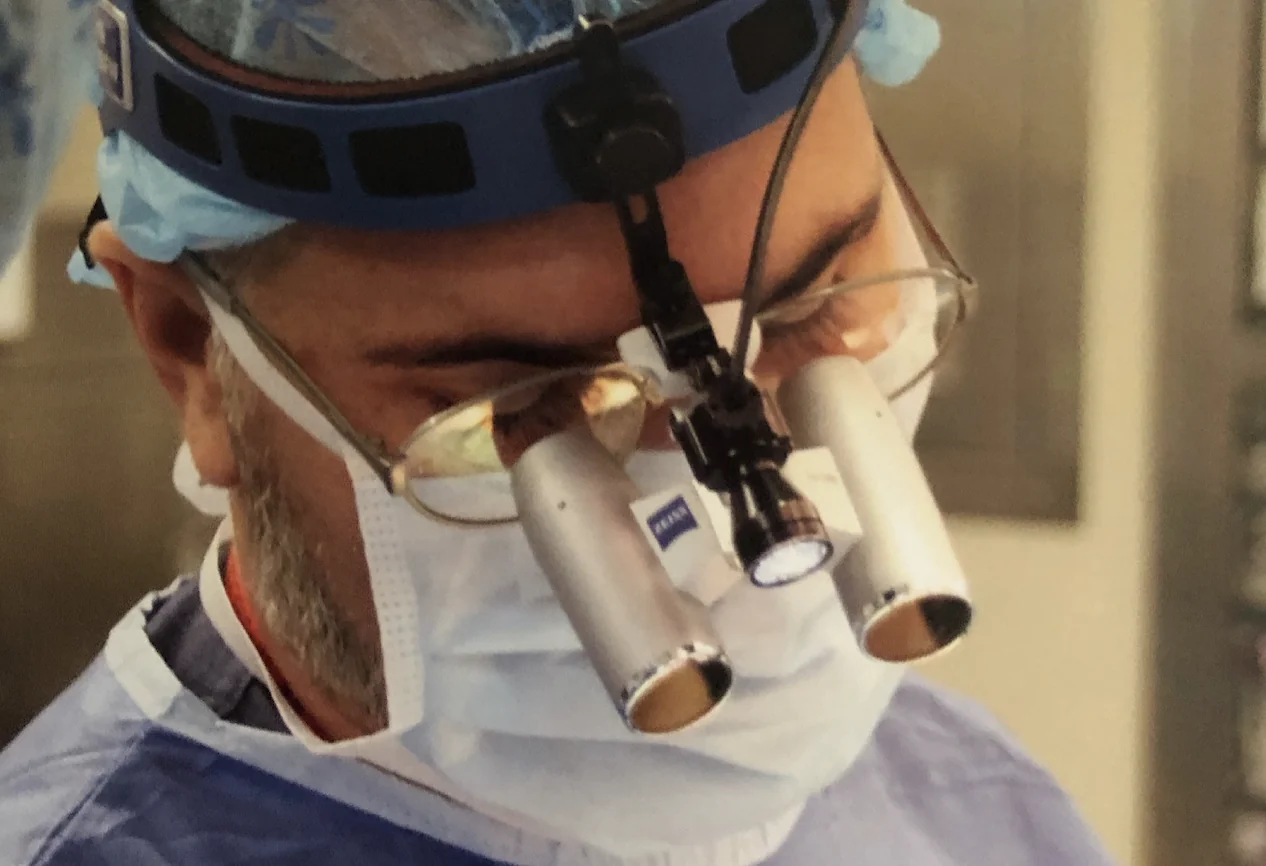
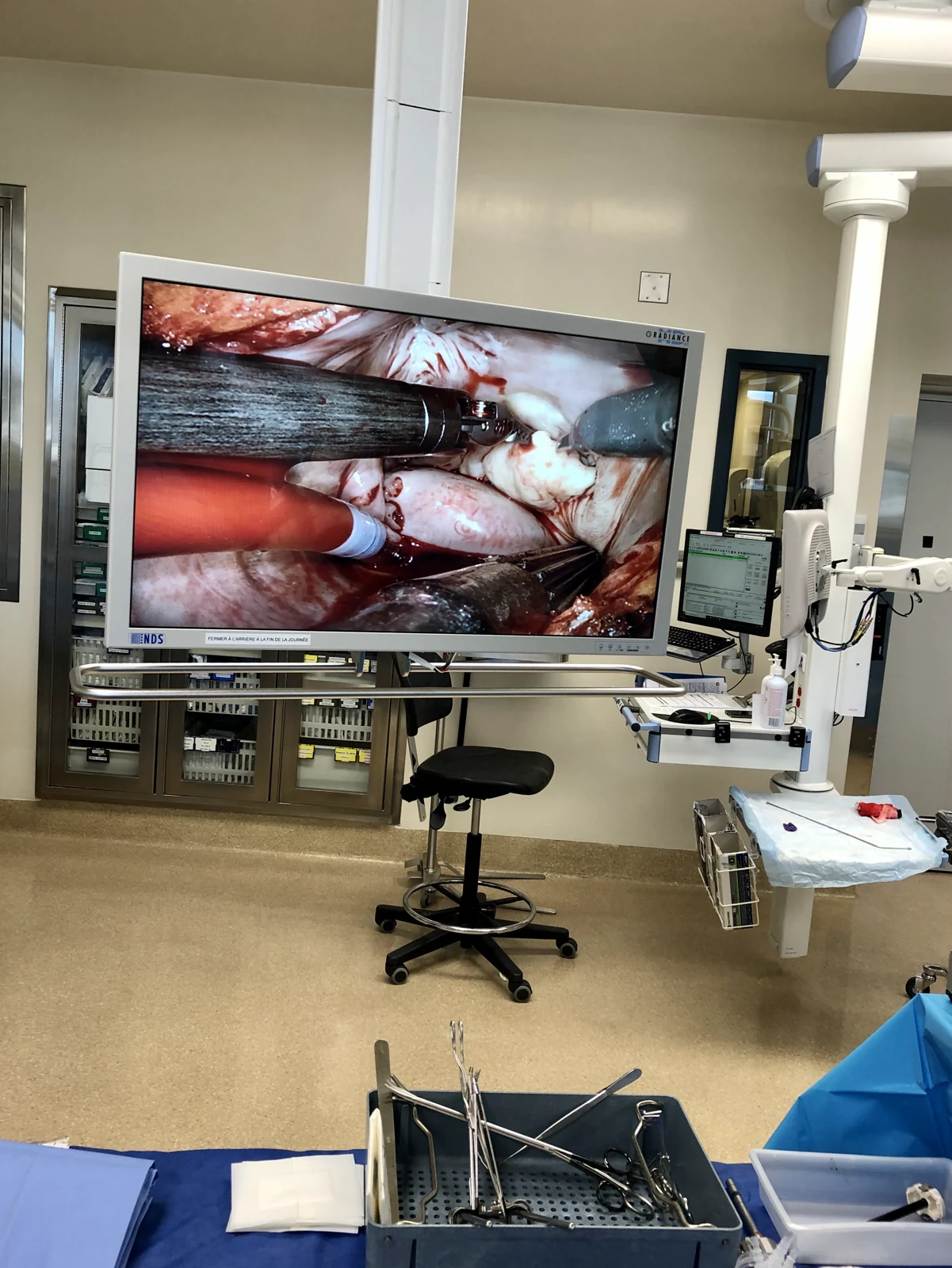
At Hospital Ángeles Centro Sur, Dr. Alejandro Molina performed the first robotic heart surgery in Grupo Ángeles, which was also the first in Querétaro: a mitral valve repair. It says something about the hospital and the team: an operation like this needs the robot, but also an operating room, anaesthesia and nursing teams prepared to work with it.
In robotic surgery, the surgeon operates seated at a console, with a magnified, three-dimensional view of the inside of the heart, and moves very fine instruments that enter through small incisions between the ribs. The breastbone is not cut. It is not the right option for every patient: the decision depends on the diagnosis, the anatomy and the prior tests, and it is made case by case.
What makes a robotic operation safe is not only the technology but the planning beforehand. If you want to see how that first case was prepared, we tell the story in Robotic Mitral Valve Repair at 77: The Case That Started With the Aorta.
If you have been told you need surgery on the mitral or tricuspid valve, removal of a cardiac tumour or closure of an atrial septal defect, you can ask at your consultation whether you are a candidate for a robotic approach.
After surgery: monitoring and recovery
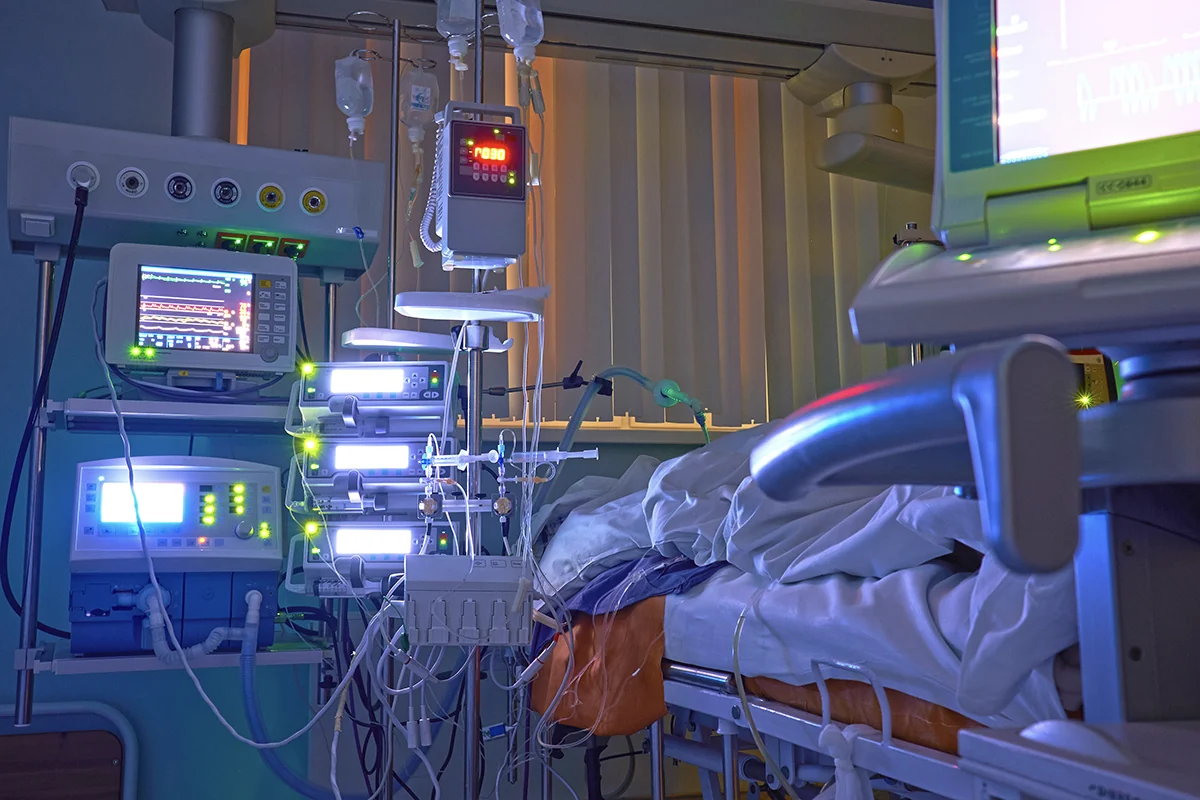
After heart surgery, most patients spend the first hours or days in intensive care. There, blood pressure, heart rhythm, oxygen levels and the function of other organs are monitored continuously, and the medical team adjusts medications and breathing support as needed. Hospital Ángeles Centro Sur has adult intensive care and intermediate care, as well as neonatal and pediatric units.
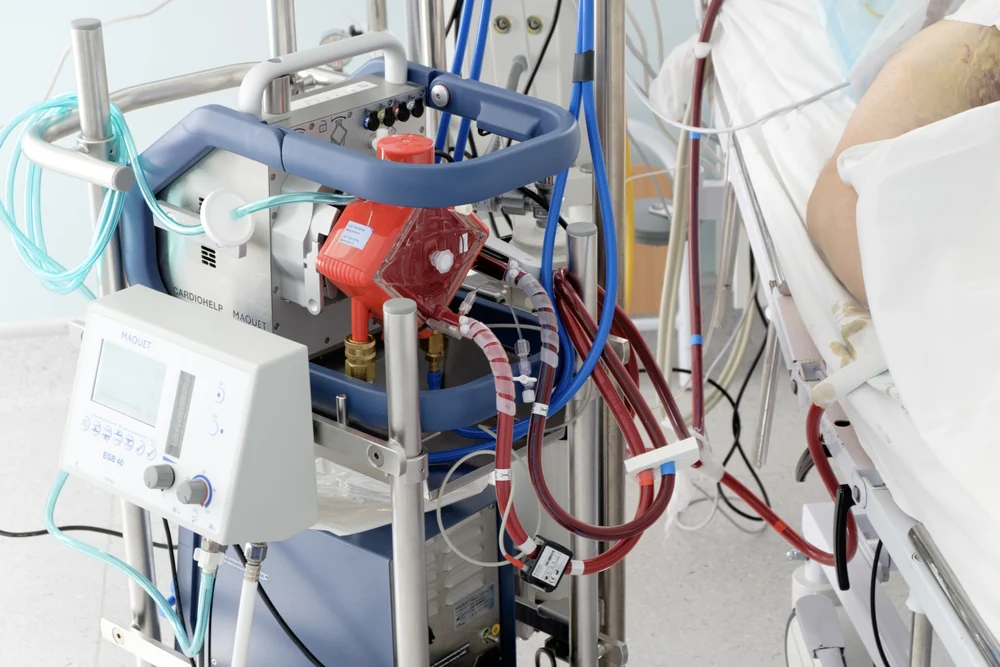
In some complex cases, a patient may need temporary mechanical support for the heart or lungs. This is not the usual course. If your situation might call for it, it’s worth discussing with Dr. Molina before surgery so that you and your family know what to expect.
When recovery goes well, the next step is a regular hospital room. That begins another stage that matters just as much: eating again, getting up, walking and breathing deeply, with the support of the nursing staff. Length of stay varies from person to person and depends on the procedure and your health beforehand; no one can promise you an exact number in advance.

What independent sources say
When you’re choosing where to have surgery, you want more than a description of a building. So we looked at what third-party recognition Hospital Ángeles Centro Sur has, and here is what we found, plainly stated.
The building is listed among the winners of the Architecture MasterPrize, an international architecture award, for a design by Balcázar Arquitectos. It recognizes the design of the building, not clinical outcomes, and it should be read that way.
It is part of the Hospital Ángeles network, which has hospitals in cities across Mexico.
Our advice is simple: if the hospital’s certifications matter to your decision, ask the hospital about them directly and ask when they are valid through. And as for the surgery itself, the most useful conversation is with your surgeon: ask which procedure is being recommended, why, what the alternatives are, and what the risks and benefits are.
Your consultation with Dr. Alejandro Molina
Dr. Alejandro Molina is a cardiovascular surgeon with his office on the 21st floor of Hospital Ángeles Centro Sur. You can see him if you already have a diagnosis and have been told you might need surgery, if you want a second opinion, or if your cardiologist has suggested that you be evaluated for a surgical option.
The first consultation is mostly about understanding your case. Dr. Molina reviews your previous tests, such as an echocardiogram, coronary angiogram or CT scan, and explains, with the images in front of you, what is happening in your heart. If more information is needed, he’ll tell you which tests make sense.
A good consultation ends with clarity: what your options are, what each involves, the expected risks and benefits, and what happens next. If surgery turns out to be the best option for you, you’ll also talk through preparation, the hospital stay and recovery, so you arrive at that day with your questions answered.
Your family is welcome in this conversation. Heart surgery is not something the patient goes through alone: the people who support you will have their own questions about care at home, returning to work or getting back to physical activity. Writing those questions down and bringing them to the consultation helps make sure no one leaves with doubts and everyone understands the plan the same way.

What to expect on the day of your appointment
A few practical tips to help your visit go smoothly:
- Bring your test results. Echocardiograms, ECGs, catheterization reports, lab work and previous medical reports, printed or digital. If you have discs with images, bring those too.
- Make a list of your medications with doses, including blood thinners, supplements and herbal remedies.
- Write down your questions before you arrive. Nerves make them easy to forget.
- Bring someone with you if you can. A second person helps you remember the explanations and make decisions calmly.
- Arrive early. It’s a large building; allow a few extra minutes to get up to the 21st floor.
One more important point: if at any time you have chest pain, severe shortness of breath or fainting, don’t wait for your appointment. Seek emergency care right away.
After the consultation, it’s normal to need time to think. You don’t have to decide that same day. Go over what you discussed at your own pace, talk it through with your family, and if new questions come up, write them down for your next visit. Understanding your treatment well is part of preparing for it.
Frequently asked questions
Can I have robotic heart surgery at Hospital Ángeles Centro Sur?
Yes. Dr. Molina performs robotic heart surgery at this hospital. Not every patient is a candidate: it depends on the diagnosis, the anatomy and the prior tests. At your consultation he will assess whether a robotic approach is an option for you.
Where is Dr. Molina’s office?
It’s on the 21st floor of Hospital Ángeles Centro Sur in Santiago de Querétaro. The full location and contact details are in the card below this article.
Is this the same hospital as Hospital Ángeles Querétaro?
No. They are two separate hospitals in the same network, in different parts of the city. Dr. Molina’s office is at Centro Sur, along Bernardo Quintana Boulevard. When you book, confirm the hospital name to avoid any mix-up.
Can I ask for a second opinion?
Yes. Getting a second opinion before heart surgery is reasonable and common. Bring all your test results and reports, including any discs with images, so the evaluation can be as complete as possible.
What tests might I need before surgery?
It depends on your case. Common ones include an echocardiogram, an ECG and lab work, and for many patients a coronary angiogram or a CT scan. The hospital has a catheterization lab, echocardiography, CT, MRI and a laboratory, so many of these tests can be done in the same building.
Sources
- Hospital Ángeles — Centro Sur (hospital page)
- Hospital Ángeles — Centro Sur: Hemodinamia
- Architecture MasterPrize — Hospital Ángeles Centro Sur, Balcázar Arquitectos (winner)
- Architizer — Hospital Ángeles Centro Sur
- SDP Noticias — Querétaro: Inaugurarán nuevo Hospital Ángeles en 4 meses (2022)
- Excélsior — Hospital Ángeles ofrecerá el mejor servicio del Bajío (2022)
- Global Health Intelligence — Mexico's Newest Hospitals (2024)
- SkyscraperPage — Hospital Ángeles Centro Sur